A discreet buyer’s guide to evaluating private plunge-pool serviceability at The Well Coconut Grove, with emphasis on seasonal ownership, terrace systems, condo documents, insurance, and pre-arrival readiness.
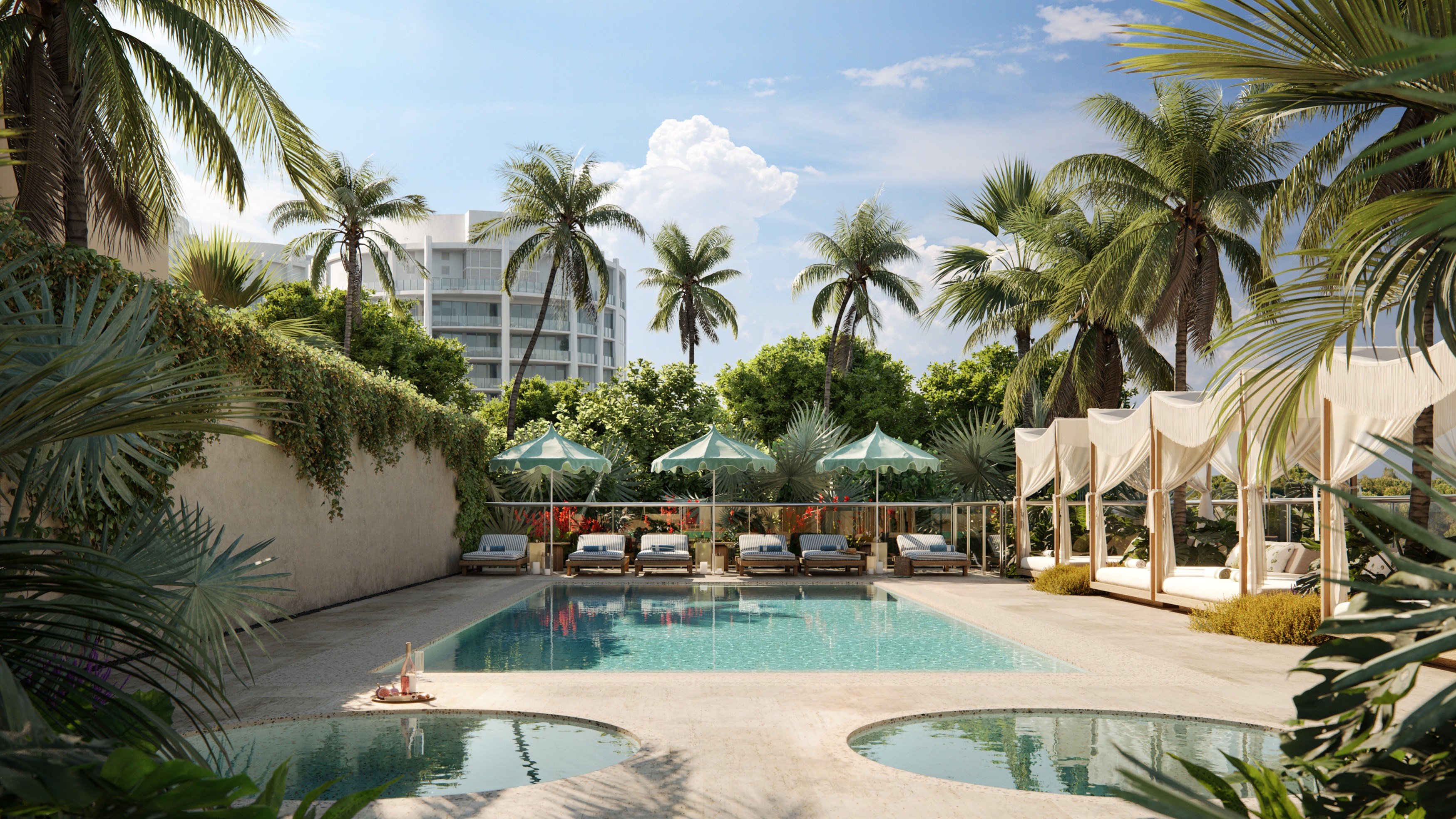
At The Well Coconut Grove, the private plunge pool should be evaluated as more than an amenity photograph. For seasonal buyers, it is part of the residence’s wellness promise, but also a technical system that must remain clean, functional, safe, and ready after long periods of owner absence.
That distinction matters. A full-time resident can notice changes in water quality, equipment sound, drainage behavior, or terrace conditions as they emerge. A seasonal owner may arrive after weeks or months away, often with guests, family, and a limited window to enjoy Miami. If the plunge pool is not ready, the inconvenience is immediate. It can consume a meaningful portion of the stay.
The more refined question is not whether a private pool is desirable. It is whether the building’s staffing model, association structure, service protocols, and physical design support true lock-and-leave ownership. Second-home buyers should treat that question as central to due diligence, particularly in a wellness-branded residence where reliability is part of the lifestyle itself.
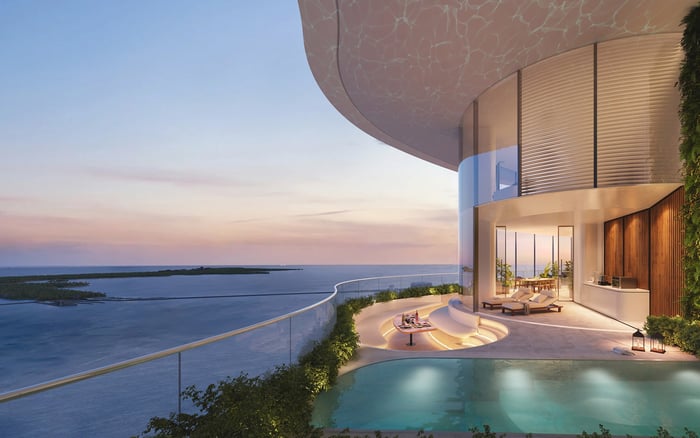
A private plunge pool on a condominium terrace is a compact luxury, but it carries structural, mechanical, operational, insurance, and cost implications. Buyers should ask how the pumps, filters, controls, drains, heaters or chillers, waterproofing layers, and related terrace infrastructure are accessed, monitored, and maintained.
The inspection should be practical. Can a technician service essential equipment without entering the residence? Would a repair require disrupting interior finishes? Is the equipment accessible without disturbing neighboring units? These questions are especially important in a high-design residence, where millwork, flooring, stone, and terrace detailing are part of the purchase premium.
New-construction buyers often focus first on views, floor plan, and amenity programming. Those elements remain important, but a plunge pool introduces a separate operational layer. Water quality, circulation, chemical balancing, and equipment performance have to be managed consistently, not simply admired at closing.
The most consequential answers are usually in the condo documents, not the sales gallery. Buyers should confirm whether the plunge pool is treated as owner property, a limited common element, or an association-managed system. That classification can affect who pays, who approves repairs, who selects vendors, and who responds when something fails.
Seasonal owners should verify who is responsible for routine cleaning, water testing, chemical balancing, and equipment monitoring. If these duties fall entirely on the owner, the next question is whether approved vendors can access the system while the owner is away. If the association manages certain aspects, buyers should review the scope carefully and understand where building responsibility ends.
This is the same document-level diligence sophisticated buyers apply when comparing Coconut Grove residences such as Four Seasons Residences Coconut Grove alongside other Grove options. The brand, service culture, and architecture may differ, but the central issue is consistent: written obligations should match the way an owner actually plans to use the home.
Terrace water features require a higher level of scrutiny than conventional outdoor space. A plunge pool should be evaluated for waterproofing integrity, drainage design, leak detection, and repair access. Buyers do not need to become engineers, but they should insist on a clear explanation of how the system is intended to perform and how problems are escalated.
Terrace infrastructure is particularly important because a leak may affect more than one residence. It may involve the owner, association, adjacent units, building staff, and insurers. A polished wellness experience depends on unglamorous details: drains that function, waterproofing that can be inspected, and after-hours procedures that are clear before an emergency occurs.
The key is serviceability. If a technician cannot reach equipment easily, if drains are difficult to inspect, or if leak procedures depend on ad hoc decision-making, the private pool becomes less convenient for a seasonal owner. A beautiful terrace is valuable, but a serviceable terrace is what preserves the experience over time.
For seasonal buyers, the strongest test is arrival readiness. Can pre-arrival service be scheduled so the plunge pool is guest-ready before the owner reaches Miami? Who confirms water balance, temperature, cleanliness, and equipment status? Is there a written protocol for checking the system before peak travel periods?
This is where lock-and-leave ownership should be measured against operating reality. A concierge promise is not the same as a maintenance obligation. Buyers should ask whether building staff coordinate service providers, whether vendors are permitted to access terrace systems during owner absence, and how access is documented.
The best ownership experience feels effortless because the operational design is precise. The owner arrives, opens the terrace, and the pool is ready. That outcome depends on staffing, scheduling, access control, and accountability, not on marketing language alone.
Private plunge pools may create costs beyond the visual premium. Buyers should ask whether electricity, water, heating, chilling, cleaning, chemicals, monitoring, repairs, and emergency visits are individually metered, separately billed, included in association structures, or handled through owner-selected vendors.
Insurance diligence is equally important. Seasonal buyers should clarify whether the owner, association, or both cover water intrusion, mechanical failure, guest injury, and terrace-related damage. The relevant policies and obligations should be reviewed before contract deadlines, not after a service event.
The broader South Florida luxury market has made buyers more sophisticated about residential systems. In Brickell, for instance, purchasers considering 2200 Brickell may evaluate lifestyle convenience through a more urban lens, while Coconut Grove buyers may emphasize privacy, greenery, and indoor-outdoor living. In both settings, the principle is the same: the more personal the amenity, the more carefully its maintenance burden should be understood.
A private plunge pool can be a compelling feature at The Well Coconut Grove, particularly for buyers who value privacy, wellness, and quiet terrace living. It can also become a source of friction if documents, maintenance routines, and access procedures are vague.
Before paying a premium, buyers should ask for clarity on five points: who owns the system, who maintains it, who pays for operation and repairs, who responds after hours, and whether the pool can be prepared before arrival. These questions do not diminish the luxury. They protect it.
The most confident purchase is one where the lifestyle promise and the operating model are aligned. For a seasonal owner, serviceability is not a secondary issue. It is the difference between a residence that photographs beautifully and one that performs beautifully when the owner returns.
Why does plunge-pool serviceability matter for seasonal buyers? Seasonal owners may be away for extended periods, so the pool must remain clean, functional, and ready without constant owner oversight.
Should I treat a private plunge pool as part of the residence or the building? Buyers should confirm in the condo documents whether it is owner property, a limited common element, or association-managed.
What pool equipment should be reviewed before purchase? Pumps, filters, heaters or chillers, controls, drains, waterproofing layers, and related terrace infrastructure should all be addressed.
Can a plunge pool be serviced while I am away? Ask whether approved vendors or building staff can access the system during owner absence and how that access is controlled.
What is pre-arrival service? It is scheduled maintenance before the owner arrives, typically focused on cleanliness, water balance, equipment status, and readiness.
Why is terrace waterproofing important? Waterproofing protects the residence and surrounding building areas from water intrusion, which can become complex in a condominium setting.
Who pays for plunge-pool electricity, water, and repairs? Buyers should ask whether those expenses are individually metered, separately billed, included, or assigned through the condo documents.
What insurance questions should I ask? Clarify coverage for water intrusion, mechanical failure, guest injury, and terrace-related damage across owner and association policies.
Does a wellness-branded residence make maintenance less important? No. The wellness positioning makes operational reliability more important because the feature is part of the promised lifestyle.
What is the most important diligence question at The Well Coconut Grove? Ask whether the plunge pool can be kept guest-ready after long absences through clear staffing, access, maintenance, and emergency protocols.
For a tailored shortlist and next-step guidance, connect with MILLION.
If branded residences are on your mind — as a home or as an allocation — we would be glad to share what we are seeing, privately.
Begin a quiet conversation