A discreet, practical guide for luxury buyers evaluating private aviation access as part of a South Florida residential search, with emphasis on routines, privacy, arrival flow, and neighborhood fit.
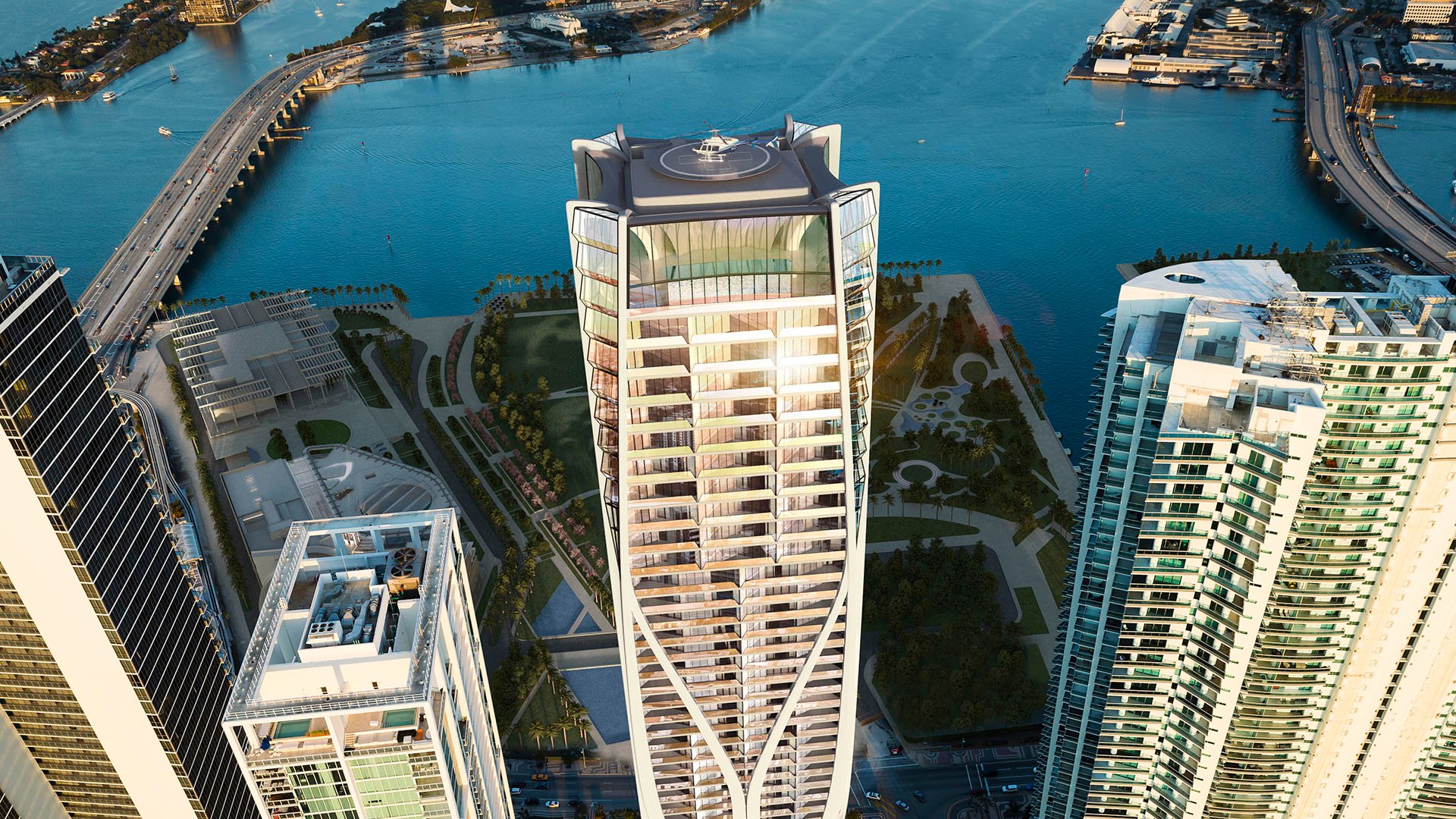
For the private aviation buyer, a South Florida residence is not judged only by view, floor plan, finish, or service. It is judged by the entire arrival experience: the moment a trip is confirmed, the drive is arranged, luggage is handled, household staff is briefed, and the owner moves from aircraft to residence without friction.
The most refined buyers treat aviation access as a lifestyle filter, not a point of display. The question is not simply which address feels close to an airport. The better question is which home supports the way an owner actually travels, entertains, works, and returns. A residence may be exceptional on paper, yet still feel inconvenient if the transfer sequence is difficult, guest arrivals are awkward, or the building cannot support the discretion expected by a frequent private flyer.
Before touring residences, define the travel pattern. Is the aircraft used for weekday business, seasonal family movement, weekend escapes, international trips, or guest hosting? Each pattern creates a different residential requirement.
A buyer who flies often for business may value a residence with a predictable staff handoff, an efficient valet rhythm, and immediate access to major urban amenities after landing. A seasonal family may care more about luggage handling, pet movement, school calendars, and room for visiting relatives. A host who receives guests by private aircraft should consider how easily visitors can be greeted, transferred, and settled without turning the home into a logistics exercise.
This is why the most productive search brief begins with routine. List the aircraft schedule, luggage profile, staff involvement, preferred arrival times, guest frequency, and tolerance for traffic or bridge crossings. Those answers will narrow the residential field faster than square footage alone.
South Florida offers several distinct residential moods for aviation-minded buyers. The right choice depends less on a single metric and more on the owner’s preferred rhythm after touchdown.
In Brickell, the appeal is urban immediacy. A residence such as St. Regis® Residences Brickell belongs in the conversation for buyers who want a polished city base, restaurant access, financial-district energy, and a lock-and-leave lifestyle. The aviation benefit is not theoretical proximity, but the ability to land, transfer, and return quickly to a highly serviced vertical environment.
Miami Beach asks a different question: how much does the buyer value resort atmosphere, beach culture, and ceremonial arrival? The Perigon Miami Beach fits buyers who want the home itself to feel like a private coastal destination after travel. For some owners, that emotional decompression matters as much as the route from aircraft to lobby.
Further north, Fort Lauderdale can suit buyers who prefer a quieter maritime cadence without leaving the luxury condominium format. St. Regis® Residences Bahia Mar Fort Lauderdale speaks to those who want the residence, the water, and the hospitality layer to work together. Palm Beach buyers may prioritize a more residential tone and a slower, estate-minded pace, while Sunny Isles buyers may look for high-floor oceanfront living with strong privacy expectations. Bentley Residences Sunny Isles is a natural reference point for that vertical, design-forward mindset.
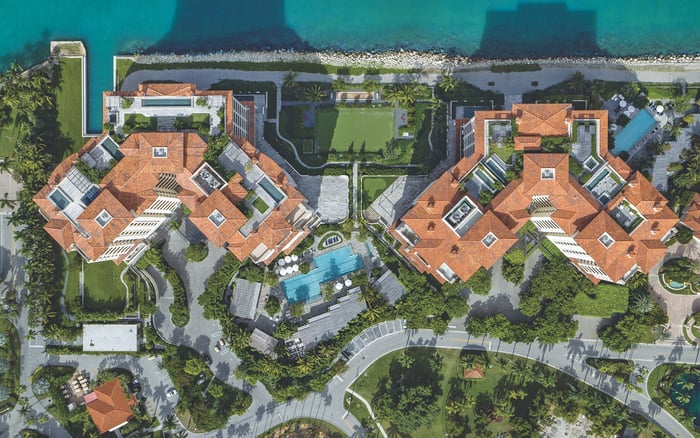
For concise search mapping, some buyers label their preferred corridor as Brickell, Miami Beach, Fort Lauderdale, Palm Beach, Sunny Isles, or Fisher Island before translating that shorthand into actual streets, building operations, and household routines.
Private aviation access should be tested through practical questions. How does the building receive a resident arriving late at night? Can luggage be moved discreetly? Is there a service elevator strategy that protects privacy? Can household staff coordinate with drivers, security, and the front desk without improvisation?
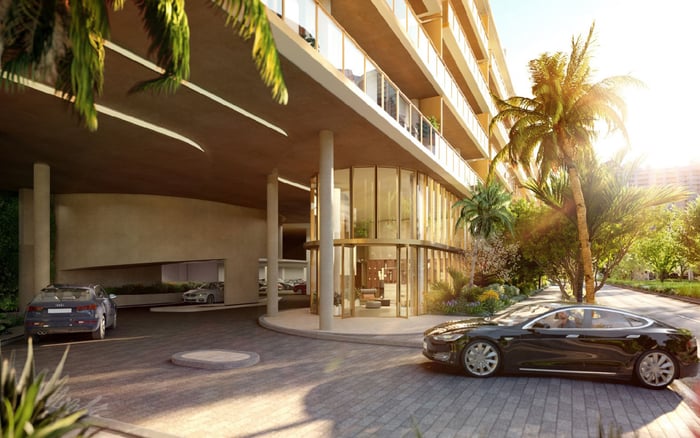
Parking and valet are not minor details. For frequent flyers, the most important moments often occur at inconvenient hours, after delays, weather changes, or itinerary shifts. A luxury residence should support that reality gracefully. Buyers should ask how the building handles multiple vehicles, private drivers, household staff arrivals, and the occasional guest who needs a seamless welcome rather than a dramatic entrance.
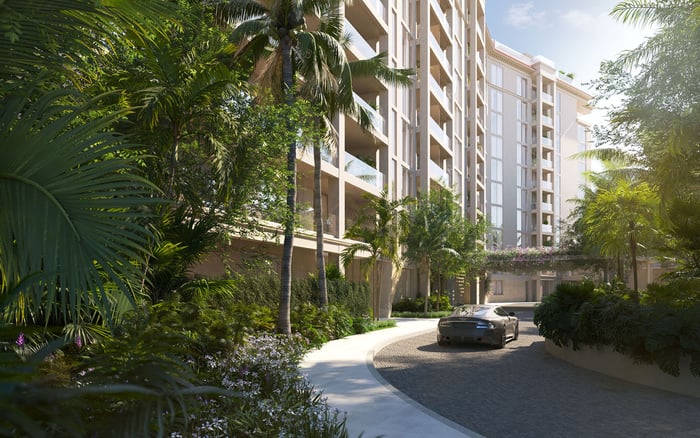
The same thinking applies to a quieter waterfront or garden-oriented lifestyle. The Ritz-Carlton Residences® Palm Beach Gardens may appeal to a buyer who wants the residence to feel calm after travel, with the aviation conversation framed around comfort, privacy, and routine rather than spectacle.
The best private aviation residence is often the one that feels least theatrical. Discretion is a system. It includes the driver’s timing, the lobby path, elevator access, luggage movement, and the ability for staff to prepare the home before the owner arrives.
Ask the sales team or building representative to walk through a realistic arrival. Begin at the aircraft landing, then continue through the vehicle transfer, entry, valet or garage, lobby, elevator, residence door, and luggage placement. If the sequence feels overcomplicated during a calm conversation, it may feel burdensome after a long flight.
Also consider departure. A good home supports the morning exit as cleanly as the evening return. The owner should not have to manage the building. The building should understand the owner’s rhythm.
Aviation access belongs inside a broader due-diligence framework. Confirm the travel pattern first, then weigh neighborhood character, building service, privacy, staff coordination, guest handling, pet movement, luggage path, parking, and the emotional experience of returning home.
Do not over-index on a single convenience. A residence that saves a few minutes but compromises lifestyle may not be the right purchase. Conversely, a slightly longer transfer may be worthwhile if the home offers better privacy, stronger service, or a setting that truly restores the owner after travel.
For the luxury buyer, the practical goal is simple: choose the residence where aviation, architecture, service, and daily life operate as one coherent system.
Is private aviation access only about being closest to an airport? No. The more important measure is how smoothly the full arrival and departure sequence works for the owner.
Should I choose a condo or a single-family home for aviation convenience? Either can work if the property supports privacy, staff coordination, parking, luggage movement, and predictable access.
What should I ask during a residence tour? Ask the team to describe a real arrival from aircraft transfer to residence entry, including luggage and driver coordination.
Does building service matter as much as location? Yes. A well-run building can make frequent travel feel calm, discreet, and repeatable.
How should guest arrivals be considered? Think about greeting, vehicle flow, elevator access, overnight accommodation, and whether the process feels private.
Is waterfront living compatible with frequent private flying? It can be, provided the transfer route and building operations fit the owner’s actual schedule.
Should buyers prioritize Brickell or the beach? The choice depends on whether the owner wants urban immediacy, resort atmosphere, or a quieter residential rhythm.
What is often overlooked by aviation-focused buyers? The departure experience, including early-morning logistics, staff timing, luggage staging, and vehicle readiness.
Can a longer drive still be the better choice? Yes. Privacy, service quality, and emotional fit can outweigh a modest difference in transfer time.
What is the best way to shortlist comparable options for touring? Start with location fit, delivery status, and daily lifestyle priorities, then compare stacks and elevations to validate views and privacy.
When you're ready to tour or underwrite the options, connect with MILLION.
If branded residences are on your mind — as a home or as an allocation — we would be glad to share what we are seeing, privately.
Begin a quiet conversation