A practical luxury-buyer guide to comparing The Surf Club Four Seasons Surfside and Delano Residences & Hotel Miami through construction diligence, façade maintenance records, and replacement-reserve transparency rather than marketing language alone.
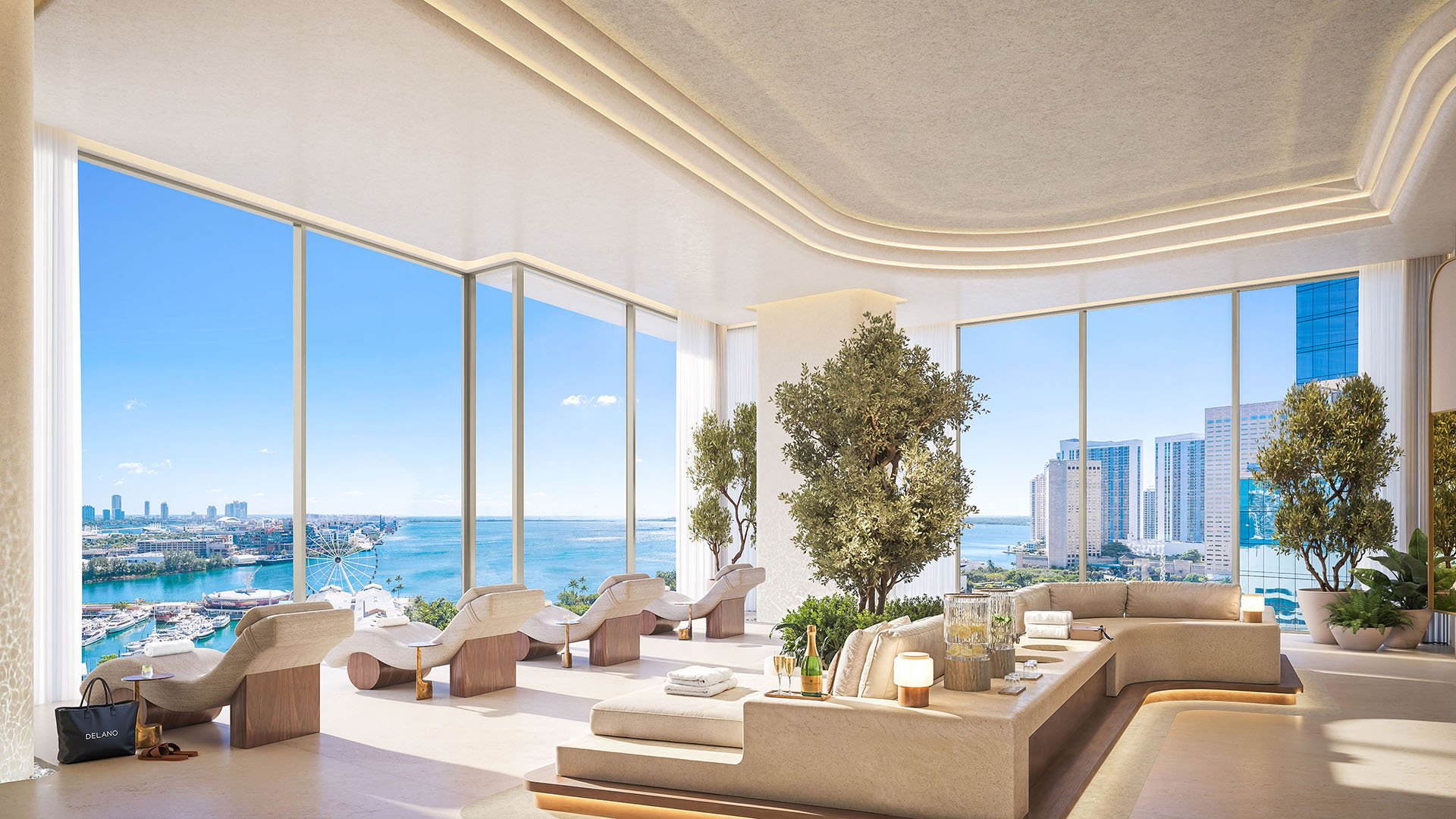
In South Florida’s highest tier of residential real estate, the most sophisticated buyer questions are rarely about marble, branding, or the view. Those elements are visible. The more consequential questions sit behind the façade: how the building envelope is monitored, how maintenance obligations are funded, and whether future capital needs are disclosed clearly enough to price risk with discipline.
That is the practical lens for comparing The Surf Club Four Seasons Surfside with Delano Residences & Hotel Miami. Both belong in the rarefied conversation around branded hospitality, design identity, and trophy ownership. Yet for a buyer committing significant capital, the more valuable comparison is not a beauty contest. It is a document review.
Buyer-facing information is a starting point, not a conclusion. It can frame lifestyle, positioning, and sales narrative, but it does not replace engineering records, condominium budgets, maintenance contracts, insurance material, reserve studies, or board disclosures. A residence may be exceptional and still require disciplined technical diligence.
Before a buyer receives governing documents and technical files, only a limited comparison is appropriate. A project’s public presentation may describe the experience, setting, and service culture, but it generally does not answer whether façade sealants are approaching replacement, whether balcony components have been recently inspected, or whether reserves are calibrated to actual capital needs.
For The Surf Club, buyer-facing material can help establish a preliminary understanding of the property. For Delano Residences & Hotel Miami, particularly in a Downtown context, the prudent approach is similar: treat positioning as an initial reference and insist on direct disclosures before drawing conclusions about technical risk. In either case, a buyer should not assume that a stronger brand name automatically means superior construction visibility.
The distinction matters because oceanfront and coastal-adjacent buildings are not passive assets. Salt air, wind exposure, waterproofing demands, and insurance scrutiny all make maintenance governance central to long-term ownership. This is where luxury becomes operational.
Façade maintenance is one of the least glamorous and most important subjects in high-end condominium ownership. The question is not simply whether a tower looks pristine from the beach or the bay. A buyer should ask how the exterior wall system is inspected, how often waterproofing and sealant conditions are reviewed, whether written maintenance schedules exist, and whether qualified consultants have recently evaluated the envelope.
The same discipline applies across Surfside, where buyers may compare established and newer luxury options such as The Delmore Surfside and Fendi Château Residences Surfside while also evaluating The Surf Club Four Seasons Surfside. The neighborhood’s prestige does not remove the need for façade diligence. It raises the standard for it.
A serious purchaser should request recent inspection summaries, open maintenance items, warranty documents if applicable, active service contracts, waterproofing scopes, balcony and railing records, roof maintenance material, and any correspondence regarding exterior repair planning. If a seller, association, or developer representative cannot provide enough clarity, the buyer’s counsel and engineer should determine whether the gap is manageable or material.
Replacement reserves are not merely an accounting line. They are a preview of future capital discipline. In a luxury condominium, underfunded or poorly explained reserves can affect buyer confidence, borrowing conditions, insurance comfort, and resale liquidity. A polished lobby does not reveal whether an association is prepared for major mechanical, waterproofing, life-safety, or exterior maintenance obligations.
The key question is not whether reserves exist. The question is whether they are visible, current, and tied to a credible schedule of expected replacements. Buyers should request the current budget, reserve study, year-to-date financials, board minutes, special-assessment history, insurance summaries, maintenance plans, and any pending capital projects. If the comparison is between a resale opportunity and a different delivery profile, the documents will not look identical, but both should be tested for clarity.
For investment-minded buyers, this is not bureaucracy. It is underwriting. Reserve ambiguity can become a pricing discount, a negotiation point, or a reason to pause. Reserve strength, when demonstrated through documents, can support confidence in a premium valuation.
Construction quality is often discussed as if it were a reputation. In practice, buyers need evidence. That may include completion materials, permits where relevant, consultant letters, litigation disclosures, defect history, repair logs, insurance claims, warranties, and professional inspection findings. Without these records, any definitive claim that one property is technically superior to another is premature.
A high-net-worth buyer should appoint a team that can read beyond sales language: real estate counsel, a building-envelope consultant when appropriate, an insurance advisor, and a financial reviewer familiar with condominium budgets. The goal is not to create friction. The goal is to align price, risk, and ownership horizon.
This is especially important when comparing projects that appeal to different buyer instincts. Surfside may attract those prioritizing discretion, beachfront culture, and established residential identity. Downtown may appeal to buyers drawn to energy, hospitality programming, and urban access. Those lifestyle differences are valid, but they do not answer the technical question.
The right conclusion may not be that one asset is better. It may be that one asset offers clearer documentation, a cleaner maintenance record, or a more intelligible reserve picture at the moment of purchase. That is a more useful answer than a generalized verdict.
Buyers should begin with a simple sequence. First, define the ownership horizon. Second, identify which building systems could create the largest capital exposure. Third, request documents early, not after emotional commitment. Fourth, have specialists review the material before final negotiation. Fifth, translate any uncertainty into price, escrow structure, contingency language, or a decision to walk away.
In the upper tier of South Florida real estate, discretion and rigor belong together. The most elegant acquisition is not the one with the most persuasive brochure. It is the one where the buyer understands what is being purchased, what is being inherited, and what may need to be funded over time.
Is The Surf Club Four Seasons Surfside automatically the safer technical choice? Not without current documents. Buyers should verify façade records, reserve studies, budgets, insurance, and association disclosures before making that judgment.
Can Delano Residences & Hotel Miami be compared technically without full disclosures? Only in a preliminary way. A serious comparison requires current construction, maintenance, reserve, and ownership documents.
Why does façade maintenance matter so much in South Florida? Coastal exposure can accelerate wear on exterior systems. Regular inspections, maintenance contracts, and capital planning help buyers understand long-term risk.
What reserve documents should a buyer request first? Start with the current budget, reserve study, financial statements, board minutes, assessment history, and any planned capital-improvement schedule.
Does a luxury brand guarantee better construction quality? No. Branding may shape service and market perception, but construction quality should be evaluated through records, inspections, and professional review.
Should a buyer hire an engineer before contract? For high-value coastal condominiums, early technical review can be valuable. It helps identify façade, waterproofing, mechanical, or reserve-related concerns.
How should uncertainty affect an offer price? Unclear maintenance or reserve exposure may justify a lower price, stronger contingencies, document conditions, or additional seller disclosures.
What is the biggest mistake buyers make in this comparison? They compare lifestyle narratives before reviewing the building’s financial and technical condition. The order should be reversed.
Do Surfside and Downtown require different diligence? The setting differs, but the discipline is similar. Buyers should still review envelope maintenance, insurance, reserves, and governing documents.
Can public marketing materials answer the reserve question? No. Reserve adequacy requires association or project financial documents, not imagery, amenity descriptions, or general positioning.
For a tailored shortlist and next-step guidance, connect with MILLION.
If branded residences are on your mind — as a home or as an allocation — we would be glad to share what we are seeing, privately.
Begin a quiet conversation