A buyer-focused guide to the condominium amenities that carry the most practical value for South Florida owners who regularly host family and friends for extended visits.
A weekend guest can be carried by a beautiful view, a well-stocked bar, and a dinner reservation. A guest staying two or three weeks tests a residence differently. The question is no longer whether the condo impresses on arrival. It is whether the home, the building, and the service culture can support a second household without disrupting the owner’s own rhythm.
For South Florida buyers, that distinction matters. Many owners are not simply purchasing a pied-à-terre or seasonal retreat. They are creating a family base, a holiday hub, and in some cases, a multigenerational gathering point. A gracious host needs more than square footage. The right building should help guests arrive smoothly, live independently when appropriate, and feel welcomed without turning the owner into a full-time concierge.
This is where amenities become less decorative and more strategic. The best amenity package for extended hosting is not necessarily the longest one. It is the one that removes friction: where guests sleep, where luggage goes, how cars are handled, how children or pets are accommodated, and how the owner regains calm after a full house.
1. Guest suites - private overflow without sacrificing the residence
The most valuable amenity for extended hosting is a thoughtfully managed guest suite or comparable private overflow option. When friends or family stay for weeks, the difference between a pleasant visit and a crowded one often comes down to sleeping separation. A guest suite allows owners to welcome visitors while preserving the primary residence as a personal sanctuary.
The ideal version is not merely an extra room. It should feel discreet, easy to reserve, and appropriate for adults who value independence. For owners who host parents, adult children, or close friends, this single amenity can make a smaller residence live like a larger one.
2. Dedicated arrival and valet services - a calmer first impression
Extended guests arrive with luggage, packages, rental cars, golf clubs, strollers, and sometimes pets. A polished arrival sequence reduces the chaos before it reaches the elevator. Valet service, porte cochère access, attentive front desk coverage, and clear guest procedures all matter because they shape the first and last ten minutes of every visit.
For the owner, the benefit is emotional as much as practical. When the building can receive guests gracefully, the host does not need to manage every arrival detail personally. This is especially important for owners who travel frequently or divide time between residences.
3. Flexible club rooms and private dining - entertaining outside the unit
A residence may be beautifully designed, but hosting every dinner, birthday, children’s gathering, or casual lunch inside the unit can become intrusive. Private dining rooms, lounges, club rooms, and reservable entertaining spaces allow owners to extend hospitality beyond their own walls.
The key is flexibility. A formal dining room is useful for one evening, while a comfortable lounge may support a week of informal family overlap. Owners who entertain often should look beyond the rendering and ask how these spaces feel at different hours, how reservations are handled, and whether the ambience suits their style of hosting.
4. Pool and wellness areas - daily structure for guests
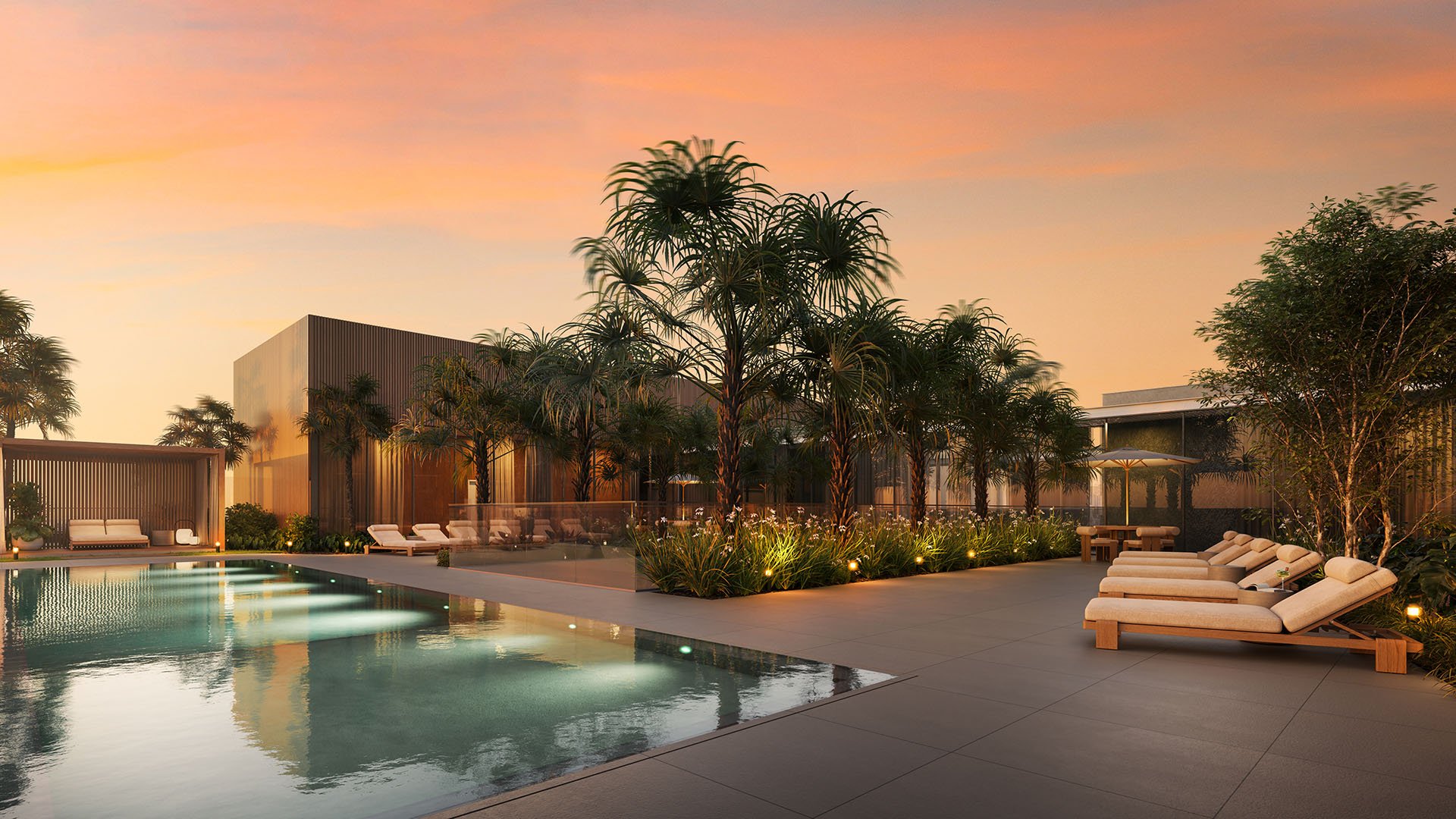
A pool is not just a visual amenity when guests stay for weeks. It becomes part of the daily schedule. So do fitness rooms, spa areas, walking paths, saunas, treatment rooms, and calm outdoor decks. These spaces give guests a way to enjoy the building independently, helping the host avoid planning every hour.
Wellness amenities also create routine. A visiting sibling can work out before breakfast, grandparents can sit outside in the morning, and children can burn energy without making the residence the only gathering space. For longer stays, this daily structure is often more valuable than a dramatic one-time feature.
5. Terrace and outdoor living - the pressure valve of the home
A generous terrace can transform extended hosting. It gives guests somewhere to read, take calls, share coffee, or retreat without leaving the residence. In South Florida, outdoor space also expands the usable social footprint of the home, especially when the interior is occupied by a rotating cast of family and friends.
The best outdoor areas support both spectacle and stillness. Views are important, but so are shade, furniture planning, privacy from neighboring units, and circulation from the main living areas. A beautiful terrace that functions well can make a residence feel composed even when every bedroom is full.
Luxury condo marketing often emphasizes abundance, but extended hosting rewards precision. A building with dozens of amenities may still feel impractical if guests cannot be accommodated cleanly, if common spaces are difficult to reserve, or if the owner’s private life is constantly interrupted. The better question is not, “How much does the building offer?” It is, “Which amenities protect the way I actually live?”
In Brickell, for example, owners comparing urban residences such as St. Regis® Residences Brickell or The Residences at 1428 Brickell may care deeply about arrival management, guest circulation, and spaces that let visitors enjoy the city without making the unit the only destination. In a dense urban setting, service choreography can be as important as the view.
On Miami Beach, the emphasis may shift toward outdoor living, beach access, and resort-like ease. Buyers considering The Ritz-Carlton Residences® South Beach should think about how visiting family will spend entire days, not just evenings. A strong beach or pool environment can relieve pressure on the residence itself.
In Coconut Grove, buyers looking at Four Seasons Residences Coconut Grove may weigh a different kind of hospitality: quieter living, neighborhood ease, and spaces that support a more residential cadence. When guests stay longer, walkability, calm common areas, and a sense of retreat can matter as much as spectacle.
For Sunny Isles, where vertical oceanfront living often attracts families with a global rhythm, Turnberry Ocean Club Sunny Isles can be evaluated through the lens of privacy, arrival flow, and how comfortably the building supports extended family use. Sunny Isles buyers often want the feeling of a resort without giving up the discretion of a private residence.
Owners often focus on bedrooms and views, then discover later that hosting depends on less glamorous details. Storage is one. Guests staying for weeks bring luggage, sports equipment, gifts, and seasonal clothing. A residence without adequate storage can feel crowded quickly, even if the floor plan is generous.
Laundry is another. Extended hosting creates a different household tempo: linens, towels, beachwear, children’s clothing, and dinner attire all cycle through the home. Service elevators, staff access policies, housekeeping coordination, and in-unit utility space can affect daily comfort more than a signature lobby.
Food and beverage logistics also matter. Owners who entertain frequently should study kitchen flow, pantry space, wine storage, delivery procedures, and the route from elevator to kitchen. A stunning kitchen that cannot absorb catering, groceries, or multiple cooks may be less useful than a quieter, better-planned one.
Finally, privacy should be considered at three levels: within the unit, within the building, and within the owner’s schedule. A proper split bedroom plan, separate guest access to amenity areas, and a staff that understands discretion can make long visits feel gracious rather than exposed.
For a second-home buyer, the best amenity is the one that lets the property operate smoothly even when the owner is not in residence. Extended guests may arrive before the owner, overlap with other family members, or stay while the owner travels. In that context, a polished front desk, secure package handling, guest permissions, and responsive building management become essential parts of the hosting experience.
New-construction buyers should also be careful not to mistake novelty for usefulness. The most enduring amenities are those tied to daily life: arrival, wellness, outdoor living, flexible entertaining, and privacy. Design matters, but performance matters more when the home is functioning as a seasonal family compound.
The ideal building does not make hosting feel like an event. It makes it feel natural. Guests know where to go, the owner knows what can be delegated, and the residence remains elegant even when it is fully occupied.
What is the most important condo amenity for owners who host extended guests? A guest suite or equivalent overflow option is often the most important because it preserves privacy while allowing visitors to stay comfortably.
Does a larger residence reduce the need for amenities? Not entirely. Even large residences benefit from arrival services, common entertaining spaces, wellness areas, and outdoor retreats.
Why does valet service matter for long-stay guests? Long-stay guests often arrive with more luggage, deliveries, and transportation needs, so a smooth arrival sequence reduces friction for the host.
Are private dining rooms worth prioritizing? Yes, if the owner entertains frequently. They let hosts celebrate and gather without placing every social moment inside the residence.
How important is outdoor space for extended hosting? Very important. A terrace or shared outdoor environment gives guests breathing room and makes the home feel larger and calmer.
Should buyers ask about reservation rules for amenities? Yes. A beautiful amenity is less valuable if it is difficult to reserve, overly restricted, or poorly aligned with the owner’s hosting style.
Do wellness amenities matter for guests? They can matter greatly because they give visitors daily structure and independence during longer stays.
What should owners consider if they host children? They should consider pool access, informal lounges, outdoor areas, storage, and how easily children can move through the building.
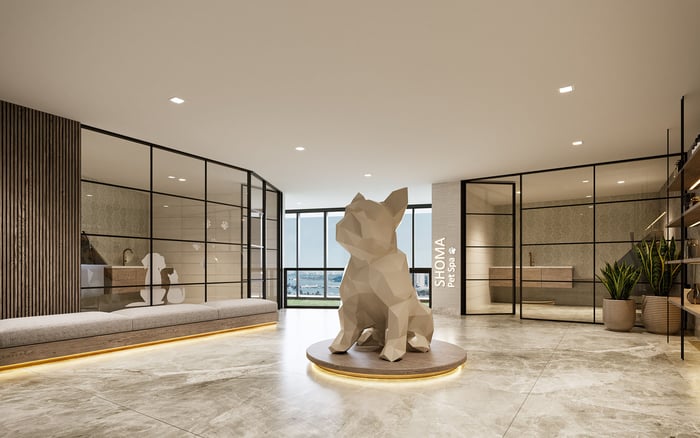
Are pet policies important for extended hosting? Yes. Guests may arrive with pets, so owners should understand building rules, relief areas, elevators, and any restrictions before buying.
What is the best way to evaluate a condo for hosting? Walk through a realistic guest stay from arrival to departure, then judge whether the building reduces effort or adds work.
For a discreet conversation and a curated building-by-building shortlist, connect with MILLION.
If branded residences are on your mind — as a home or as an allocation — we would be glad to share what we are seeing, privately.
Begin a quiet conversation