A buyer-focused guide to evaluating terrace waterproofing in South Florida penthouses, with practical distinctions between oceanfront, bayfront, and urban high-rise settings.
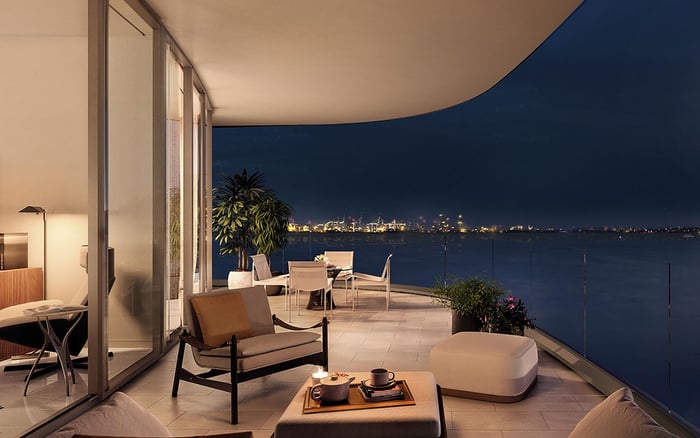
In South Florida luxury real estate, the terrace is often where a penthouse becomes emotionally persuasive. It frames the sunrise, extends the entertaining space, softens the boundary between architecture and climate, and gives a residence its sense of altitude. Yet the same terrace that sells the dream is also one of the home’s most technically important elements.
Terrace waterproofing is not a decorative upgrade. It is the protective system beneath finished stone, pavers, decking, planters, railings, and outdoor kitchens. For a penthouse buyer, the question is not simply whether the terrace looks pristine during a showing. The more valuable question is whether the assembly has been designed, installed, maintained, and documented in a way that respects its exposure.
Oceanfront, bayfront, and city penthouses each ask different things of a terrace. The right comparison is less about choosing the most impressive view and more about understanding how water moves, where it can collect, how it exits, and who is responsible when a repair is required.
An oceanfront terrace is the most romantic and often the most demanding category. Open coastal exposure can turn ordinary moisture management into a more consequential long-term issue. Buyers should focus on the relationship between the waterproofing membrane, the finished surface, door thresholds, railing connections, and any penetrations through the terrace plane.
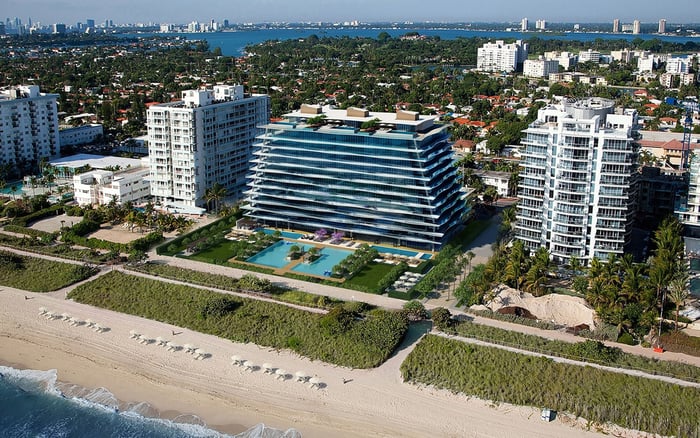
In a Miami Beach search, residences such as The Perigon Miami Beach can help frame the conversation around ocean-facing living, even before a buyer studies the specific terrace details of an individual unit. The buyer’s task is to move from view appreciation to technical review: where does water drain, how are edges treated, and what access exists for inspection if the finished surface must be lifted?
Even a clean oceanfront terrace deserves healthy skepticism. Ask whether the terrace assembly has a documented maintenance history. Review whether past repairs were cosmetic or involved the underlying waterproofing. Confirm whether furniture pads, planters, or built-in features have altered drainage patterns. A terrace can appear serene while concealing conditions that reveal themselves only during heavy rain, wind-driven moisture, or prolonged exposure.
Bayfront penthouses often offer a softer, more layered water-view experience: open water, islands, marinas, bridges, and skyline. Their terraces may feel more protected than an oceanfront perch, but protection should not be confused with simplicity. Wind, rain, sun, and regular outdoor use still place meaningful demands on the waterproofing system.
For buyers considering bay-oriented addresses, projects such as Rivage Bal Harbour provide a natural context for thinking about how water-facing residences balance design and exposure. The central question is whether the terrace has positive drainage, practical maintenance access, and a surface finish that does not trap water in concealed areas.
Bayfront terraces frequently invite lifestyle additions: lounge groupings, dining tables, planters, summer kitchens, and shade elements. Each addition should be viewed through a waterproofing lens. Heavy planters may obstruct drains. Outdoor kitchens may introduce plumbing or electrical penetrations. Decorative decking may hide ponding. The issue is not whether these features are desirable; in a luxury residence, they often are. The issue is whether they have been integrated without compromising the terrace’s ability to shed water.
A city penthouse can feel more architectural than coastal, particularly in Brickell and Downtown Miami, where terraces often overlook towers, river corridors, and Biscayne Bay. The waterproofing review here is less about direct ocean exposure and more about complexity. City terraces may include multiple levels, private pools, planters, outdoor rooms, mechanical zones, glass railings, and transitions between interior and exterior flooring.
In Brickell, a buyer comparing residences such as St. Regis® Residences Brickell should ask how terrace detailing supports the way the home is meant to be lived in. A high-rise terrace with multiple penetrations or built-in amenities deserves a more detailed document review than a simple balcony. The more complicated the outdoor program, the more important waterproofing coordination becomes.
Another city-oriented reference point is Aria Reserve Miami, where buyers can think broadly about high-floor outdoor living in relation to water and skyline views. For any specific residence, the useful questions remain consistent: how are drains accessed, how are planters isolated, how are door thresholds protected, and what maintenance obligations belong to the owner rather than the association?
A beautiful terrace should be supported by paperwork. Ask for available warranty information, maintenance records, repair history, alteration approvals, and any association guidance governing terrace use. If the seller installed planters, decking, an outdoor kitchen, tile, stone, lighting, or shade equipment, request permits or approvals where applicable, along with any contractor documentation that describes the work.
Buyers should also review condominium documents to understand responsibility. In some buildings, the finished terrace surface, waterproofing layer, drains, railings, and structural slab may be treated differently for repair and maintenance purposes. This distinction can affect timing, cost, approvals, and negotiation strategy.
A careful inspection should look beyond surface cracks or stains. The more important observations involve slope, ponding, sealant condition, door transitions, drain function, and evidence of moisture at interior ceilings or walls below the terrace area. If questions arise, the buyer should involve qualified building professionals before closing, not after ownership transfers.
When comparing an oceanfront, bayfront, and city terrace, use the same framework for each property. First, identify exposure: direct ocean, protected bay, or urban high-rise. Second, map the water path: where rain lands, where it travels, and where it exits. Third, identify interruptions: rail posts, lighting, drains, planters, kitchens, thresholds, pool edges, and deck systems. Fourth, review documents against what is physically present.
This approach keeps emotion and discipline in balance. The oceanfront residence may offer the most dramatic horizon, but it may require the strictest review of exposure details. The bayfront residence may offer the most usable outdoor rhythm, but drainage and lifestyle additions still matter. The city penthouse may feel sleek and protected, yet its design complexity can create more points to verify.
Do not reduce the decision to whether a terrace is new or old. A newer assembly with undocumented alterations can be less reassuring than an older one with clear records and careful maintenance. In the luxury market, confidence often comes from clarity.
Terrace waterproofing can influence price, timing, contract protections, and post-closing plans. If concerns appear during diligence, buyers may request additional inspection, seller credits, repairs before closing, or written clarification about association responsibility. In some cases, the wisest path is not to demand immediate work, but to understand the scope, sequence, and approval process before assigning value.
For sellers, transparency is equally important. A penthouse with a well-documented terrace history can distinguish itself in a competitive field. For buyers, the goal is not to disqualify a residence because water exists in the climate. The goal is to know whether the building and the residence have been designed and cared for with that reality in mind.
Terrace waterproofing is quiet infrastructure. It does not carry the visual glamour of marble, millwork, or a private elevator entry, but it protects the lifestyle those details are meant to support.
Why is terrace waterproofing especially important in South Florida penthouses? Terraces are exposed outdoor assemblies above valuable interior space, so water management can affect comfort, maintenance, and long-term ownership confidence.
Is an oceanfront terrace always riskier than a bayfront terrace? Not automatically. Oceanfront exposure deserves close review, but design quality, maintenance history, drainage, and alterations matter in every setting.
What is the first thing a buyer should ask about a terrace? Ask how water drains from the surface and whether the waterproofing, drains, and finishes have a documented maintenance or repair history.
Can outdoor kitchens or planters affect waterproofing? Yes. Any feature that adds weight, penetrations, plumbing, electrical work, or drainage obstruction should be reviewed carefully.
Should a buyer rely on a visual inspection only? No. A terrace may look excellent while concealing issues below the finish, so documents and qualified professional review are important.
Who is usually responsible for terrace repairs in a condominium? Responsibility depends on the condominium documents and the specific terrace component, so buyers should review the governing documents closely.
What signs may suggest a terrace needs closer review? Ponding water, cracked finishes, failing sealants, blocked drains, staining, or moisture evidence near interior transitions can justify deeper diligence.
Does a newly delivered penthouse eliminate waterproofing concerns? No. New construction should still be reviewed for warranties, drainage logic, finish details, and any owner-installed improvements.
How should buyers compare terraces across different neighborhoods? Use the same checklist for exposure, drainage, penetrations, documents, and maintenance access, then weigh those findings against lifestyle priorities.
Is terrace waterproofing a deal breaker? It can be, but often it is a negotiation and diligence issue rather than an automatic reason to walk away.
For a discreet conversation and a curated building-by-building shortlist, connect with MILLION.
If branded residences are on your mind — as a home or as an allocation — we would be glad to share what we are seeing, privately.
Begin a quiet conversation