A discreet buyer’s guide to comparing privacy, access control, and guest screening expectations between North Bay Village and Bay Harbor Islands luxury residences.
For a luxury buyer weighing North Bay Village against Bay Harbor Islands, privacy is not a single feature. It is a sequence of small experiences: the arrival, the lobby, the elevator, the staff desk, the garage, the amenity level, the guest approval process, and the way service providers move through the property. The sharper comparison is not which market sounds more secluded, but which residence protects your daily rhythm with the least friction.
In search shorthand, North Bay Village and Bay Harbor Islands may appear to be neighboring choices. In practice, the better question is operational. How many people must pass through the same threshold? How does the building separate residents, guests, deliveries, vendors, and amenity visitors? Who has discretion, and who has access?
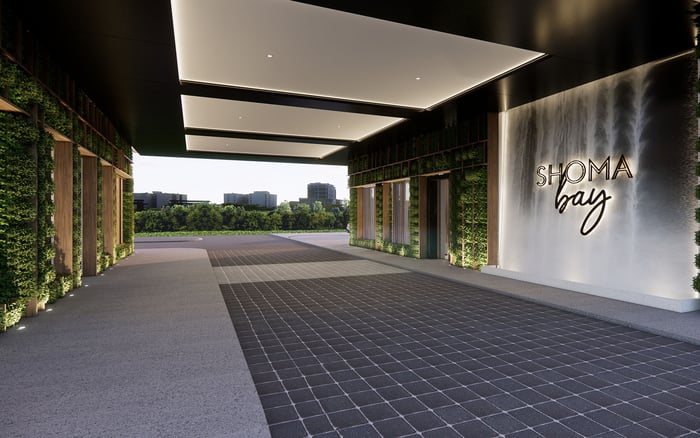
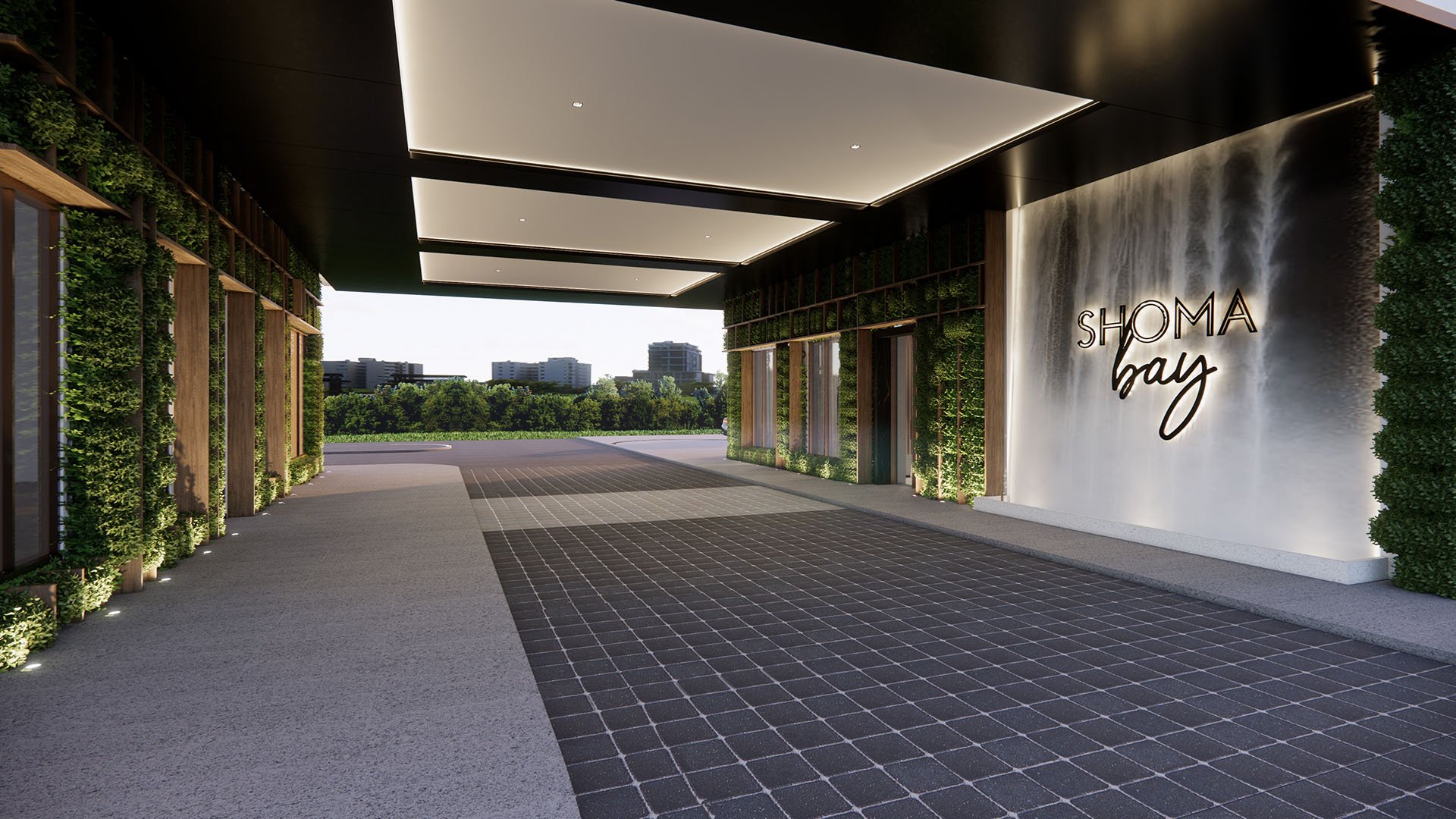
That is why a tour of Continuum Club & Residences North Bay Village and Shoma Bay North Bay Village should go beyond views, finishes, and amenity decks. A serious buyer should ask how the property is meant to function on an ordinary weekday, during a weekend dinner, and when several guests arrive at once.
Privacy expectations begin at the approach. A calm arrival sequence can make a residence feel private even in a connected urban setting. A poorly organized arrival sequence can make even a beautiful waterfront building feel exposed.
Ask where vehicles stop, where visitors wait, and whether residents can move directly from garage to residence without unnecessary interaction. Inquire how ride-share pickups, private drivers, dog walkers, household staff, and delivery personnel are handled. The goal is not theatrical exclusivity. It is to determine whether the property has a disciplined pattern of movement.
Bay Harbor Islands buyers may be considering boutique scale, residential atmosphere, and proximity to established lifestyle corridors. North Bay Village buyers may be focused on waterfront orientation, new development energy, and wide-bay living. In either case, privacy is ultimately created by building design and daily management, not by the neighborhood name alone.
Luxury security technology works best when residents barely notice it. Cameras, controlled entries, keyless systems, elevator permissions, license plate procedures, intercoms, and visitor management platforms can all support a more controlled environment. Yet technology alone does not guarantee discretion.
The key questions are practical. Does access control apply consistently from garage to lobby to elevator? Can residents authorize guests without multiple calls? Are vendors treated differently from personal guests? Is there a record of arrivals that is useful without being invasive? Are staff trained to recognize residents and household patterns without overstepping?
At a project such as Tula Residences North Bay Village, buyers should evaluate how the building experience supports everyday privacy. The same is true in Bay Harbor Islands, where a residence like Bay Harbor Towers should be considered through the lens of access, circulation, and guest flow rather than aesthetics alone.
Guest screening is often misunderstood. It should not feel punitive, nor should it be so casual that residents lose confidence in the environment. The best protocols are clear, calm, and predictable.
Before committing to a building, ask how guests are registered, whether recurring guests can be handled differently, how last-minute arrivals are approved, and how private events are managed. If you entertain often, the difference between an elegant process and an awkward one will matter. If you maintain a low-profile household, you may prefer a stricter guest protocol that limits improvisation at the front desk.
The most refined buildings balance hospitality and control. A guest should feel expected, not interrogated. A resident should feel protected, not burdened. Staff should know the difference between a trusted visitor, a delivery, a vendor, and an unknown walk-in. That balance is central to the premium residential experience.
The common mistake is to rank one area as automatically more private. That is too simple for the current luxury market. A boutique building with limited residences can feel highly personal, but only if the staffing, access control, and resident policies are well matched. A larger building can also feel private if it has strong circulation planning, separate service pathways, controlled elevators, and intelligent guest management.
In North Bay Village, compare how new residential projects organize arrivals, amenities, and waterfront-facing lifestyles. In Bay Harbor Islands, compare how boutique and wellness-oriented residences manage intimacy, visitor movement, and staff recognition. For example, The Well Bay Harbor Islands may appeal to buyers who want the privacy conversation to include wellness programming, daily routines, and a more curated residential cadence.
The right answer depends on your household. A family with children, tutors, drivers, and frequent guests has different requirements from a seasonal owner who arrives quietly and values anonymity. A collector with valuable vehicles may prioritize garage control. A buyer with household staff may need a more sophisticated vendor protocol. A host may want guest screening that is polished enough for dinner parties.
A polished sales presentation will not always reveal the full privacy profile of a residence. Ask direct, practical questions.
How are residents identified when staff changes? How are guests approved after hours? Is elevator access controlled by floor or residence? Where do food deliveries wait? Can a vendor reach a residence without passing through resident amenity zones? Are private events governed by a formal policy? How are amenity guests registered? What happens when a guest arrives before the resident is home?
The tone of the answer matters as much as the answer itself. A confident, specific response suggests an operating culture. A vague response suggests that residents may need to negotiate privacy day by day.
Also ask to experience the property as you would live it. Enter through the garage, not only the lobby. Walk the route from elevator to amenity spaces. Observe sightlines from reception areas. Notice whether staff desks are positioned for true oversight or simply ceremonial presence. Privacy is often visible in the choreography.
For ultra-premium buyers, the documents matter. Review association rules, guest policies, leasing limitations, move-in procedures, event rules, package handling, pet protocols, parking policies, and vendor requirements. These are not administrative footnotes. They shape the social atmosphere of the property.
A building that allows frequent turnover or loose guest access may feel different from one with more resident-focused controls. A building with detailed event procedures may be more comfortable for owners who entertain. A building with strict vendor access may appeal to buyers with high discretion needs, but it may require more planning.
If privacy is a primary buying criterion, ask counsel and your advisor to review the documents with that lens. The most important question is not whether the rules sound strict. It is whether they match how you actually live.
The highest level of privacy is not visible from the brochure. It is felt in the absence of awkwardness. Your driver knows where to pull in. Your guests are expected. Your elevator ride is uninterrupted. Your packages are handled without drama. Your staff has a protocol. Your residence feels like a home, not a public-facing asset.
That standard can exist in either North Bay Village or Bay Harbor Islands. The correct comparison is building by building, policy by policy, and arrival by arrival. A buyer should not ask, “Which location is more private?” The sharper question is, “Which residence has the operating culture that best protects my life?”
Is North Bay Village or Bay Harbor Islands automatically more private? No. Privacy depends on the specific building, staffing model, access control, guest policies, and the way residents and visitors circulate through the property.
What is the first privacy question a buyer should ask? Ask how a guest, vendor, delivery, and resident each move from arrival to elevator. The answer quickly reveals whether the building has a disciplined operating plan.
Does a smaller boutique building always mean better privacy? Not always. Smaller scale can feel personal, but privacy still depends on staffing, access points, elevator control, and consistent rules.
What security technology matters most in a luxury condo? The most relevant systems are those that control access without making daily life feel cumbersome. Elevator permissions, visitor management, cameras, and garage controls should work together.
How should guest screening feel in a refined building? It should feel discreet, predictable, and resident-led. Guests should feel welcomed, while residents should feel that access is being handled with care.
Should frequent entertainers choose a different building than low-profile owners? Possibly. Entertainers need graceful guest processing, while low-profile owners may value tighter screening and fewer shared points of contact.
Are building rules as important as amenities? Yes. Rules governing guests, vendors, events, leasing, pets, and packages often shape the real privacy experience more than visible amenities.
What should seasonal owners prioritize? Seasonal owners should focus on staff recognition, package handling, residence access when absent, and the process for approving trusted guests or service providers.
Can privacy affect long-term satisfaction? Yes. Even a spectacular residence can feel less comfortable if arrivals, guests, vendors, and amenities are not managed in a way that suits the owner.
What is the best way to shortlist comparable options for touring? Start with location fit, delivery status, and daily lifestyle priorities, then compare stacks and elevations to validate views and privacy.
For a discreet conversation and a curated building-by-building shortlist, connect with MILLION.
If branded residences are on your mind — as a home or as an allocation — we would be glad to share what we are seeing, privately.
Begin a quiet conversation