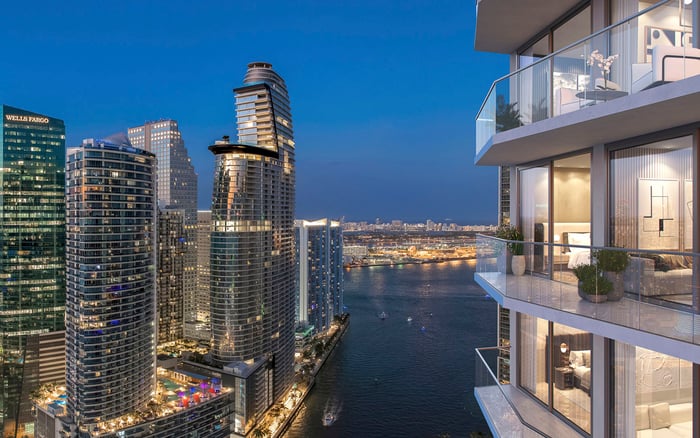
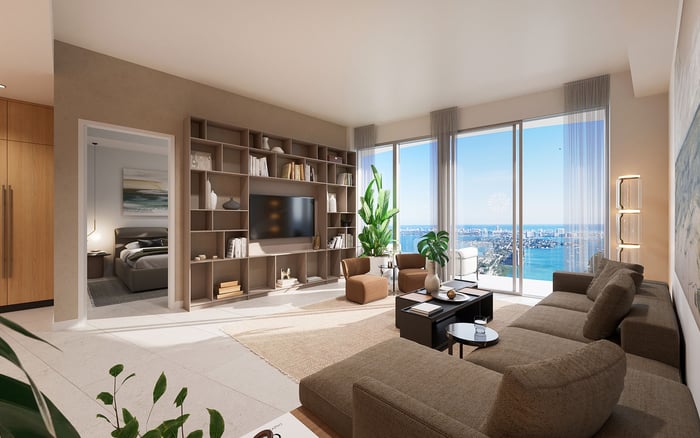
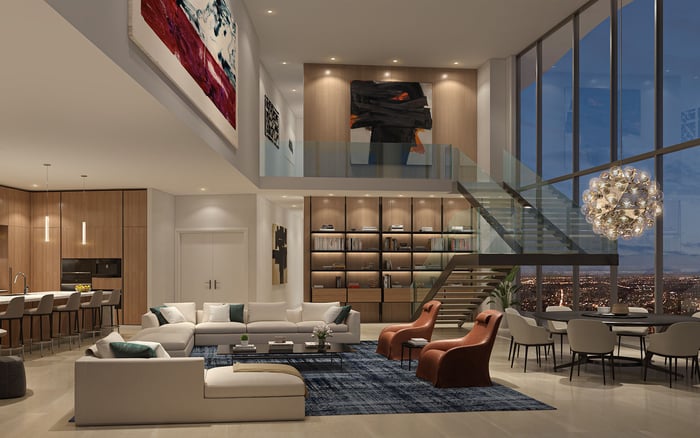
A buyer-focused underwriting comparison of Casa Bella by B&B Italia in Downtown Miami and Armani Casa in Sunny Isles Beach, framed around scarcity, operating costs, brand premium, and future resale depth.
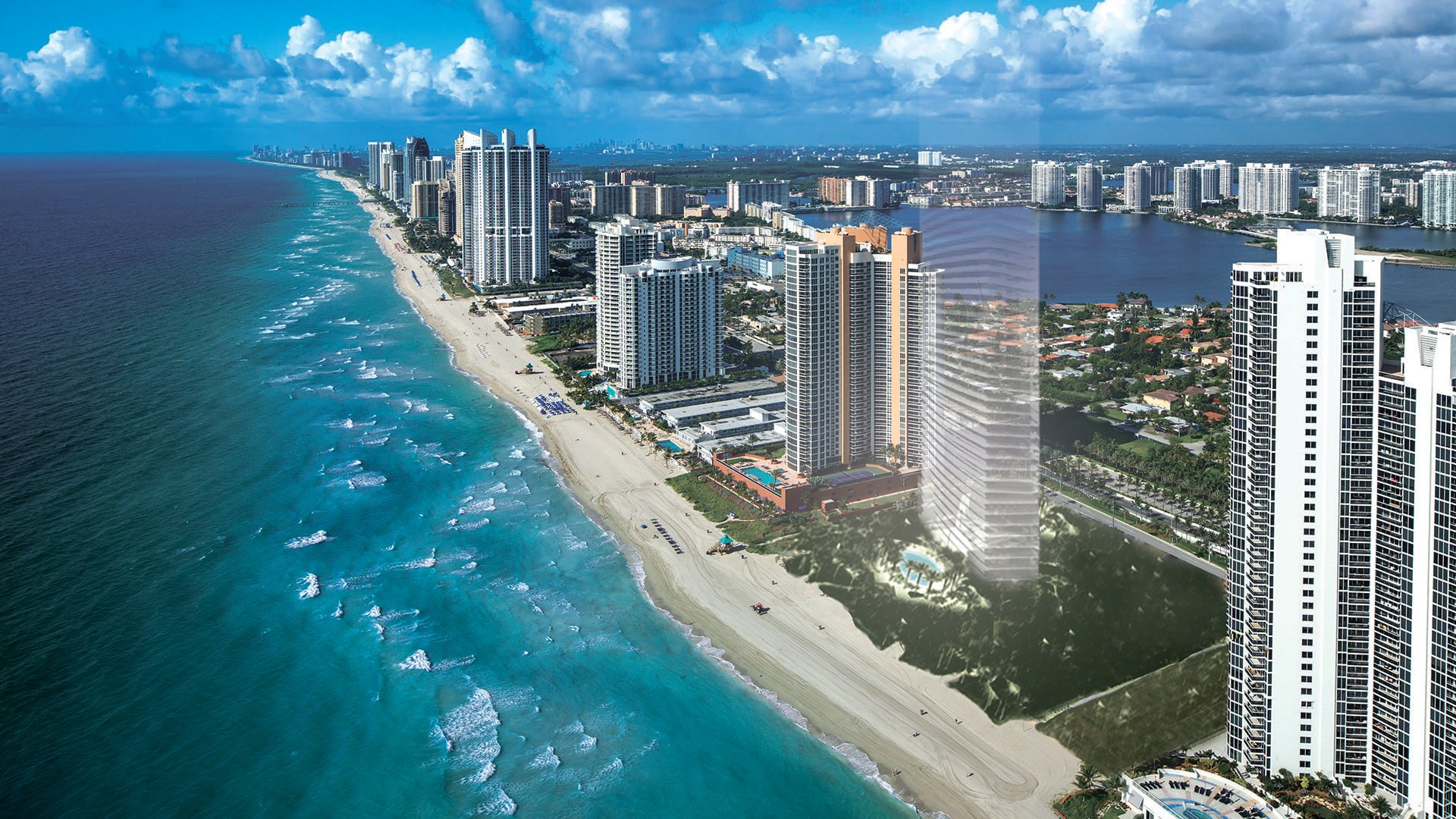
The clearest way to compare Casa Bella by B&B Italia Downtown Miami with Armani Casa Sunny Isles Beach is not to ask which address feels more glamorous. It is to determine which form of scarcity is more durable for the buyer’s intended hold period.
Casa Bella sits in the urban branded-design category. Its value case rests on Downtown access, cultural energy, restaurants, offices, and the appeal of living within the city rather than retreating from it. Armani/Casa sits in the branded oceanfront category. Its value case rests on beachfront living, privacy, resort-style amenity expectations, ocean views, and Sunny Isles Beach’s established international-luxury profile.
For an investment buyer, that distinction matters. One asset asks whether Downtown Miami’s luxury pipeline can dilute trophy status over time. The other asks whether a coastal, globally recognized brand can preserve resale differentiation as competing oceanfront towers age and operating costs rise.
Casa Bella’s scarcity is not the sand. It is the combination of branded interiors, design language, amenity positioning, and a Downtown lifestyle that continues to attract buyers who want proximity rather than seclusion. The B&B Italia association should be treated as a design-premium factor, but the underwriting question is whether that premium remains visible when future Downtown branded supply competes for the same luxury buyer.
Downtown can add new luxury towers more readily than a fully built-out oceanfront corridor. That does not make Casa Bella less compelling. It means its trophy status must be defended through execution, service culture, architecture, interior experience, and the continued appeal of a walkable urban Miami life. Nearby branded and luxury projects such as Waldorf Astoria Residences Downtown Miami reinforce the broader point: Downtown’s luxury narrative is expanding, and future buyers will compare across a deeper field.
Armani/Casa’s scarcity is more geographic. Oceanfront land in Sunny Isles Beach is inherently less elastic than Downtown development capacity, and the Armani name carries global recognition for buyers familiar with fashion-house residential branding. Its underwriting question is less about whether another tower can be built nearby and more about whether the asset can preserve distinction as the coastal competitive set matures.
Operating costs are where the emotional purchase becomes a long-term financial relationship.
At Casa Bella, the key risk areas are amenity density, staffing standards, insurance, reserves, and whether Downtown luxury-service expectations translate into elevated recurring HOA costs. Buyers should focus less on a single headline figure and more on the operating philosophy behind the building: what level of service is being promised, how heavily amenities are staffed, how reserves are approached, and how costs may evolve as the building settles into maturity.
At Armani/Casa, the cost stack is shaped by the coast. Oceanfront maintenance, salt-air exposure, hurricane insurance, façade upkeep, reserves, and high-service beachfront staffing all deserve heightened attention. The initial lifestyle proposition may be serene, but the building’s physical environment is demanding. For buyers comparing Armani/Casa with other Sunny Isles assets such as Bentley Residences Sunny Isles or The Ritz-Carlton Residences® Sunny Isles, the most important question is not brand prestige alone. It is whether the operating model is calibrated to sustain that prestige without surprising the owner over time.
Oceanfront ownership can justify higher recurring costs when the building preserves privacy, service, condition, and scarcity. But coastal-cost inflation remains a real underwriting variable, especially for owners who intend to hold through multiple insurance, reserve, and maintenance cycles.
Casa Bella may have broader future buyer depth if Downtown Miami continues to attract domestic wealth, corporate relocations, and buyers seeking walkable urban luxury. That pool can include end users who want restaurants, offices, arts, entertainment, and access to the broader city within a single daily radius. It can also include buyers who view Downtown as a long-term urban core rather than a vacation-only market.
The risk is competition. If the future buyer can choose from multiple new branded towers, Casa Bella must stand out as more than a recognizable name. The B&B Italia connection has to translate into a living experience that feels materially better, not merely a brochure-level design credential.
Armani/Casa may have narrower but potentially deeper buyer demand. Its future purchaser is likely to care intensely about beachfront living, resort privacy, ocean views, and the prestige of Sunny Isles Beach. That demand may be less broad than Downtown’s urban buyer pool, but it can be highly committed when resale inventory for branded oceanfront residences remains limited.
This is the core resale contrast. Casa Bella is likely to be measured against the evolution of Downtown luxury. Armani/Casa is likely to be measured against the durability of branded beachfront scarcity and the building’s physical condition as the years pass.
Both projects use brand as a value signal, but not in the same way.
Casa Bella’s B&B Italia linkage is best evaluated through the lens of design credibility. The buyer’s question is whether the design association creates a residence that feels more refined, more cohesive, and more enduring than non-branded or less design-led Downtown alternatives. In an urban market with future supply potential, brand premium must be continually re-earned.
Armani/Casa’s brand has a different buyer psychology. Armani is globally legible, especially among international purchasers who understand fashion-house residential branding. That recognition can help resale storytelling, but it should not be treated as a substitute for operational discipline. A branded beachfront residence must still be maintained with the precision its name implies.
If the objective is urban exposure, potential breadth of buyer demand, and participation in Downtown Miami’s continued maturation, Casa Bella is the cleaner fit. The underwriting should stress-test future supply, service costs, and whether the project can remain a design-led trophy as the Downtown field grows.
If the objective is branded coastal scarcity, international recognition, and a more classic trophy-residence profile, Armani/Casa is the more direct fit. The underwriting should stress-test coastal maintenance, reserve discipline, hurricane-insurance exposure, and long-term building condition.
Neither thesis is automatically superior. Casa Bella is a bet on urban branded-design scarcity. Armani/Casa is a bet on branded oceanfront scarcity. The right answer depends on whether the buyer wants broader city-life demand or a narrower, potentially deeper beachfront buyer pool.
Is Casa Bella more of an urban luxury investment than a beach trophy asset? Yes. Casa Bella should be underwritten around Downtown demand, design premium, service costs, and future urban supply.
Is Armani/Casa more dependent on oceanfront scarcity? Yes. Armani/Casa’s thesis rests on branded beachfront living, Sunny Isles Beach positioning, privacy, and coastal trophy demand.
Which project has the bigger future supply risk? Casa Bella faces the more direct future-supply question because Downtown Miami can add luxury towers more readily than oceanfront corridors.
Which project has the bigger physical maintenance risk? Armani/Casa carries greater coastal-maintenance sensitivity because oceanfront buildings face salt air, façade upkeep, storms, and insurance pressure.
Does B&B Italia branding guarantee resale premium at Casa Bella? No. It supports a design-premium thesis, but resale strength depends on execution, buyer demand, and competition from future branded supply.
Does Armani branding guarantee resale depth in Sunny Isles Beach? No. The brand helps global recognition, but resale performance still depends on scarcity, condition, operating costs, and buyer appetite.
Who is the likely Casa Bella buyer? A buyer who values Downtown access, cultural amenities, restaurants, offices, and a city lifestyle is the natural audience.
Who is the likely Armani/Casa buyer? A buyer prioritizing ocean views, resort-style living, privacy, and Sunny Isles Beach’s international profile is the natural audience.
What should buyers review before committing? Buyers should review HOA assumptions, reserve philosophy, insurance exposure, staffing standards, amenity costs, and comparable resale context.
Which is the better long-term hold? The better hold depends on the buyer’s thesis: broader Downtown demand at Casa Bella or deeper branded oceanfront scarcity at Armani/Casa.
If you'd like a private walkthrough and a curated shortlist, connect with MILLION.
If branded residences are on your mind — as a home or as an allocation — we would be glad to share what we are seeing, privately.
Begin a quiet conversation