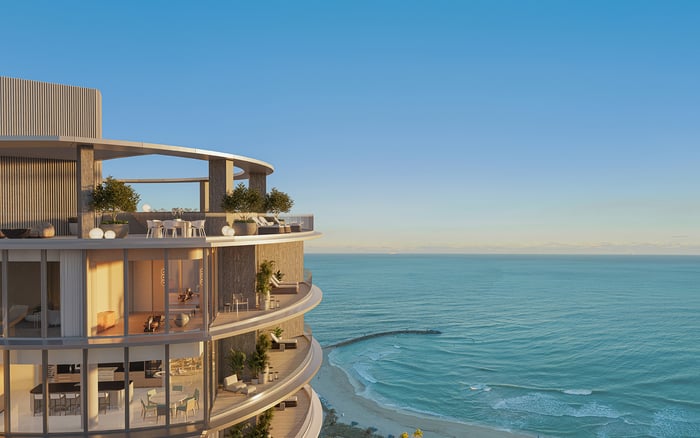
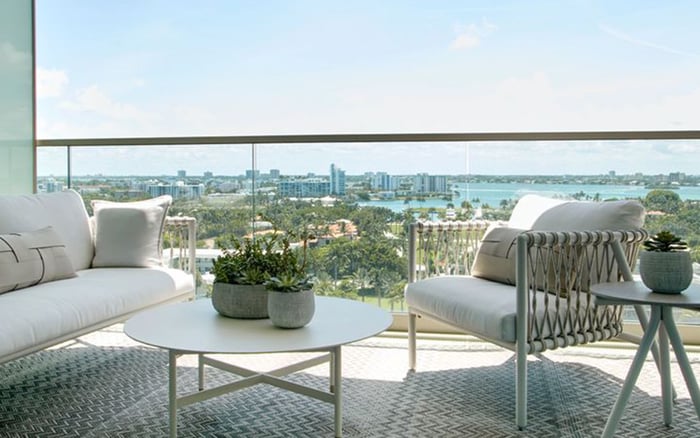
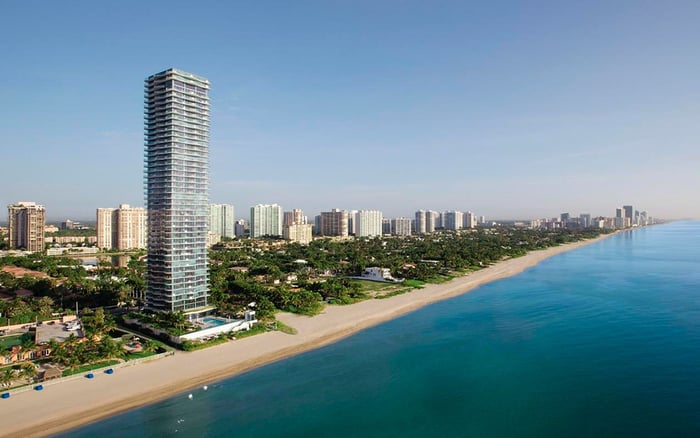
A discreet buyer’s guide to evaluating Bal Harbour branded residences through service culture, pricing discipline, ownership fit, and resale strategy.
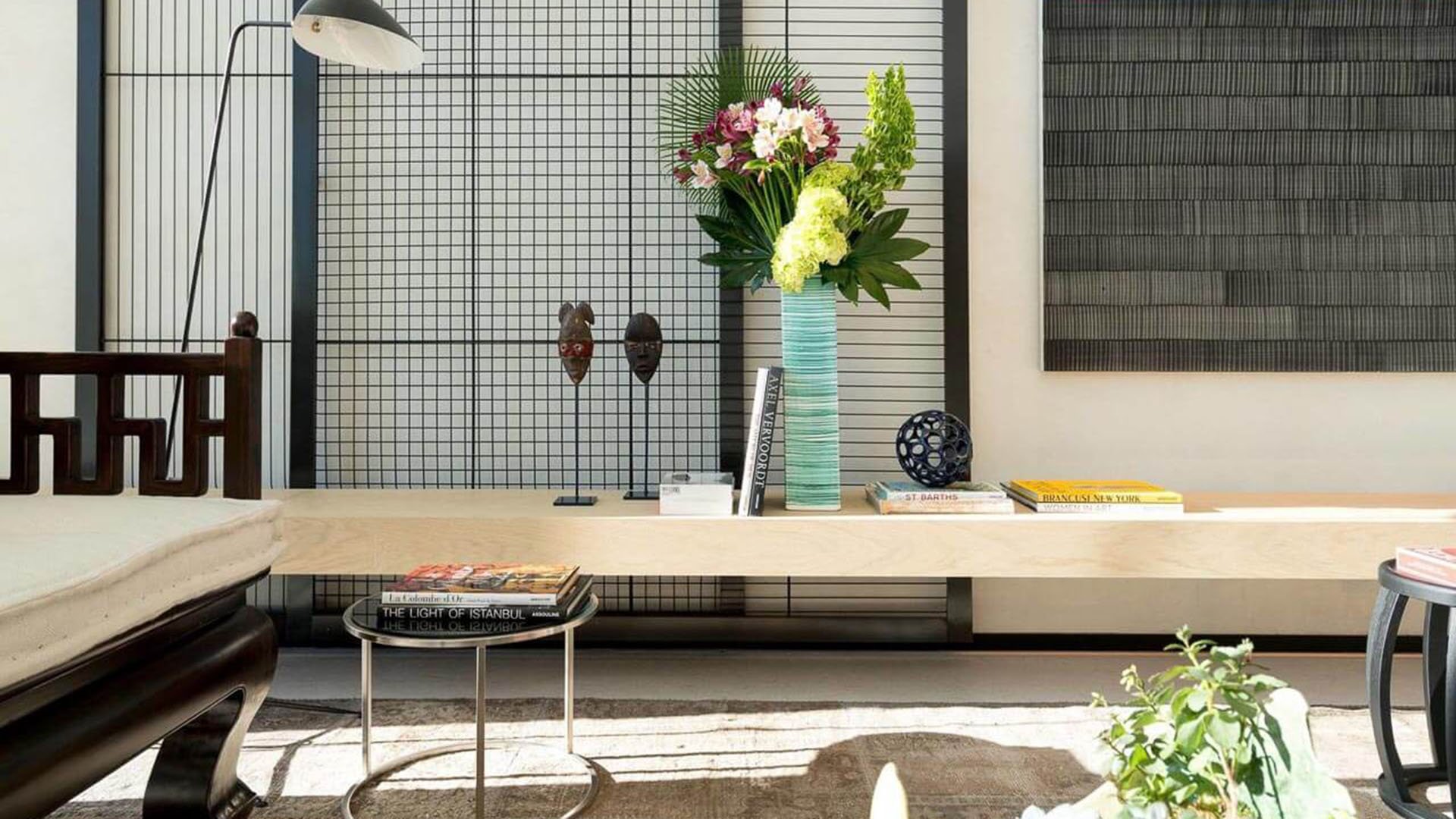
Bal Harbour has long appealed to buyers who value discretion over display. Its residential market is defined by oceanfront privacy, controlled scale, proximity to luxury retail, and a social rhythm that feels curated rather than conspicuous. Within that context, branded residences hold a particular position: they promise not only architecture and amenities, but a recognizable service culture that can shape daily living and, over time, resale perception.
For buyers considering this category, the central question is not whether a brand name impresses. It is whether the brand meaningfully improves the ownership experience. A compelling residence should offer more than a logo at the porte cochère. It should translate into staffing standards, operational continuity, design discipline, hospitality intelligence, and a building culture that remains consistent after the initial sales campaign fades.
Bal Harbour buyers often compare established luxury properties such as Oceana Bal Harbour with newer propositions such as Rivage Bal Harbour. That comparison is useful because it moves the conversation beyond surface branding to the more important issues of privacy, maintenance, governance, and the long-term desirability of a specific building.
In the ultra-premium segment, service is not defined by quantity alone. A long amenities menu can be less valuable than a staff that anticipates preferences, protects privacy, and resolves daily friction quietly. The best branded residences understand pacing: when to be visible, when to disappear, and how to make ownership feel effortless without making the building feel like a hotel lobby.
Buyers should examine how service standards are embedded. Is the brand involved in training, staffing philosophy, resident experience, or ongoing management? Are services designed for full-time residents, seasonal owners, or both? Does the building feel residential first, or does it lean too heavily into hospitality theater? In Bal Harbour, where privacy is part of the value proposition, that distinction matters.
A well-run branded residence should make arrivals seamless, maintenance responsive, security unobtrusive, and common areas consistently polished. It should also preserve calm. The most sophisticated buyers are not simply paying for access; they are paying to remove inconvenience from daily life.
A branded residence often commands a premium because the buyer is purchasing a larger promise: design credibility, service assurance, social signaling, and reduced uncertainty. That premium can be rational when it is supported by a rare location, strong architecture, thoughtful floor plans, and a service model that remains credible after completion.
The premium becomes more vulnerable when the brand is used as a marketing substitute for fundamentals. A residence with compromised views, awkward layouts, insufficient privacy, or a weak operational structure will not be rescued by branding alone. In Bal Harbour, the coastal setting raises expectations. Oceanfront positioning, generous outdoor living, protected arrival sequences, and low-friction access to lifestyle anchors all need to work together.
Oceanfront buyers should also distinguish between emotional premium and durable premium. The first is created during launch, when renderings and lifestyle narratives are most persuasive. The second is earned through lived experience, resident satisfaction, building condition, and the depth of future buyer demand.
Resale is where brand promises are tested. A respected name may help a listing enter the consideration set faster, but the final outcome depends on the specifics: line, view, condition, carrying costs, governance, inventory competition, and the buyer pool at the time of sale.
In Bal Harbour, scarcity can support pricing discipline, but scarcity is not a guarantee. Owners should think carefully about how their residence will compare with both immediate neighbors and nearby coastal alternatives. A buyer touring Bal Harbour may also look south to Surfside, where buildings such as The Surf Club Four Seasons Surfside and Fendi Château Residences Surfside help define the broader branded and design-led luxury conversation.
The strongest resale candidates tend to have clear advantages that can be understood quickly: exceptional views, gracious proportions, private outdoor space, elegant arrival, strong building reputation, and interiors that feel current without being overly personalized. By contrast, highly specific customization can narrow the buyer pool, even in a luxury market.
Investment thinking in this segment should be conservative. The first return is use: privacy, comfort, service, and access to a lifestyle that cannot be replicated easily. Financial performance matters, but it should be considered through the lens of capital preservation and relative desirability rather than short-term speculation.
A branded residence may appeal to future buyers because it reduces ambiguity. If the brand is associated with hospitality, design, or service excellence, the next buyer may feel more confident about what the building is meant to be. Still, confidence must be matched by reality. Staffing quality, maintenance reserves, association culture, and rules around rentals or guest use can shape both ownership satisfaction and exit strategy.
Buyers comparing Bal Harbour with Sunny Isles may encounter a different expression of branded luxury. For example, St. Regis® Residences Sunny Isles reflects the continuing appetite for service-driven coastal living in the broader northern Miami luxury corridor. The right comparison is not simply price per square foot. It is whether the building’s service language, density, privacy, and lifestyle rhythm align with how the owner actually lives.
The most effective due diligence begins with a simple exercise: imagine an ordinary day in residence. How does the owner arrive? Where does staff engage? How are guests received? Is the beach experience graceful? Are deliveries, drivers, reservations, maintenance, and security managed with ease? Does the building remain calm during peak season?
Then consider the less visible elements. Review association governance, service commitments, maintenance expectations, and any limitations that may affect use. Ask how the brand relationship is structured and what happens over time if standards drift. A residence is a long-lived asset; a marketing campaign is temporary.
For many Bal Harbour buyers, the most suitable branded residence is not necessarily the most dramatic. It is the one that protects privacy, supports daily rituals, and preserves long-term market clarity. The better the building performs quietly, the stronger its claim to true luxury.
Are branded residences in Bal Harbour mainly about the name? No. The name may attract attention, but lasting value depends on service execution, privacy, design quality, and building discipline.
Should I expect a premium for a branded residence? A premium is common in principle, but it should be justified by location, service standards, architecture, and long-term buyer demand.
Is oceanfront positioning more important than branding? For many buyers, oceanfront quality is foundational. Branding is strongest when it enhances an already compelling site and residence.
How should I compare Bal Harbour with Surfside? Compare privacy, building scale, beach experience, service culture, and the character of surrounding luxury inventory.
What matters most for resale? View, floor plan, condition, building reputation, carrying costs, and buyer depth usually matter more than branding alone.
Can a branded residence work as an investment? It can, but the most prudent approach prioritizes lifestyle value, capital preservation, and durable desirability over short-term speculation.
Do service standards vary between branded buildings? Yes. Buyers should understand who manages the service culture and how standards are maintained after opening.
Is new construction always preferable? Not always. New construction can offer modern systems and fresh design, while established buildings may offer proven operations and known resale behavior.
How important are association rules? They are very important. Rules around guests, rentals, renovations, pets, and amenities can materially affect daily life and future marketability.
What is the best first step before buying? Define how you will use the residence, then compare buildings through service, privacy, governance, and resale clarity.
To compare the best-fit options with clarity, connect with MILLION.
If branded residences are on your mind — as a home or as an allocation — we would be glad to share what we are seeing, privately.
Begin a quiet conversation