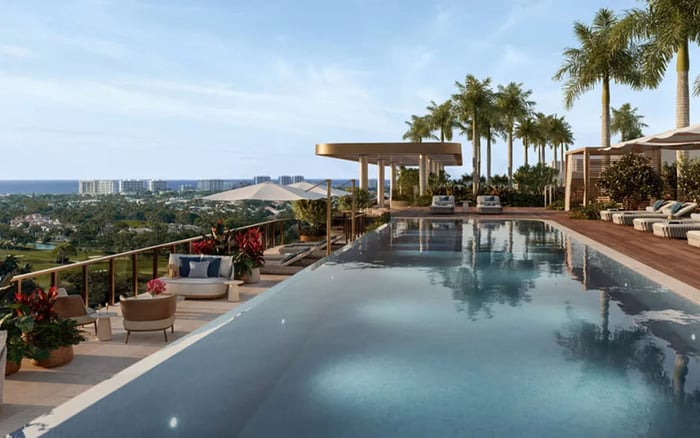
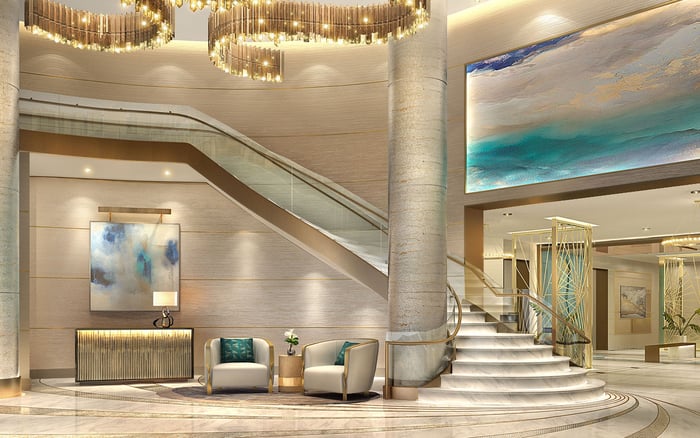
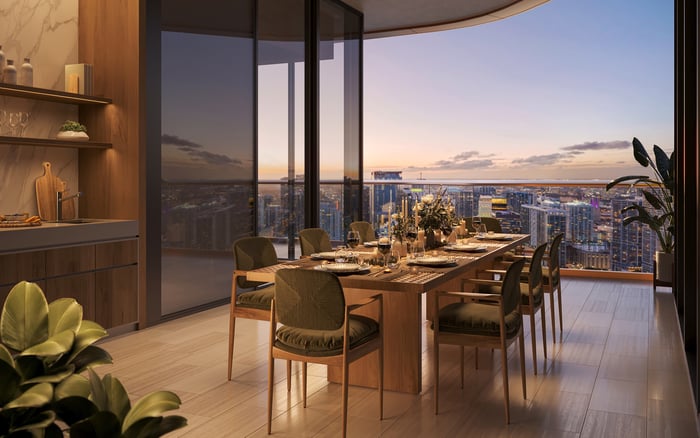
A discreet buyer guide to evaluating pool-seating availability at The Residences at Mandarin Oriental Boca Raton, including peak-season demand, privacy, guest policies, service models, and the difference between a pool amenity and a truly dependable residential pool experience.
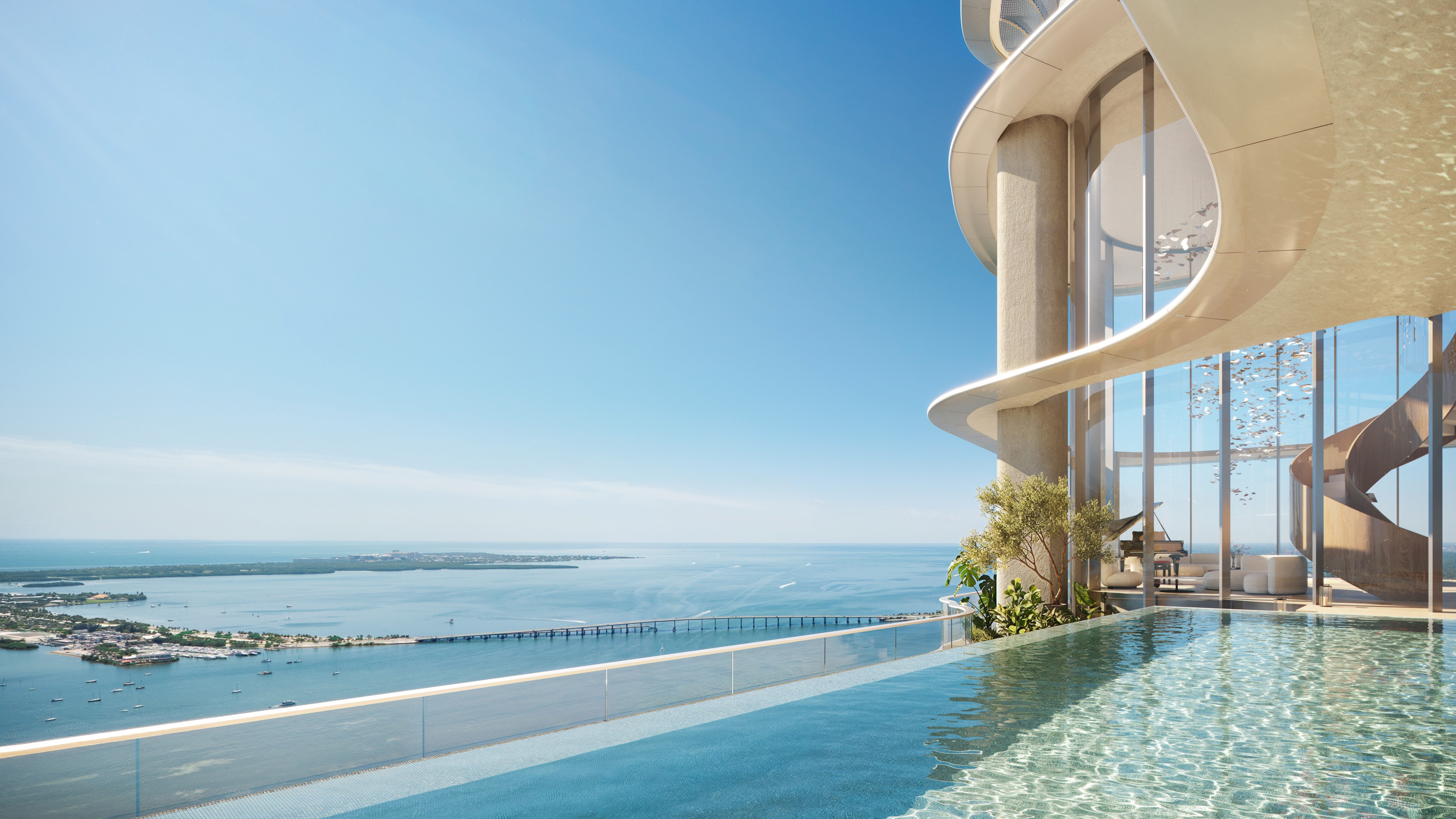
At The Residences at Mandarin Oriental Boca Raton, pool-seating availability belongs in the earliest quality-of-life discussion, not at the end of the amenity review. For households considering a multi-million-dollar residence in Boca Raton, the issue is not simply whether there is a pool. The more precise question is whether the pool environment can support daily living with comfort, privacy, shade, service, and ease when demand is highest.
That distinction matters. A beautiful pool deck can still feel compromised if seating is scarce on winter weekends, shaded loungers are difficult to secure, or residents feel pressured to compete for chairs. In the upper tier of the market, convenience is part of the product. Owners are not only purchasing square footage and finishes. They are buying into a hospitality promise, and the pool deck is one of the places where that promise becomes visible.
For households filtering by Boca Raton, pool, new-construction, pre-construction, and second-home priorities, this is as much a lifestyle question as it is a design question.
Luxury buyers should distinguish between the physical presence of a pool and the dependability of the pool experience. A pool may be architecturally compelling, but its practical value depends on how it functions when resident demand is highest. Seating ratios, shade availability, spacing between loungers, towel and food service, guest privileges, and staff presence all influence whether the amenity feels serene or strained.
This is especially relevant for buyers arriving from single-family homes, private clubs, or country-club communities. Many Boca Raton households are accustomed to private pools, controlled guest access, and a high degree of personal space. A shared pool deck can be a successful transition only if it preserves enough privacy and predictability to feel like an upgrade rather than a compromise.
Nearby luxury alternatives such as Alina Residences Boca Raton and Glass House Boca Raton reflect the broader buyer expectation in this market: amenities should feel residential, composed, and reliably accessible. The relevant comparison is not merely which project has the most dramatic setting. It is which environment best supports the household’s actual use pattern.
Branded residences connected to hospitality environments can differ from standalone condominium towers. Residential systems and hotel-style service models may coexist, which can be a strength when properly organized. It can also raise important questions for buyers when access, guest use, or service boundaries are not clearly understood.
Households should ask whether pool areas are intended for residents only, shared with hotel guests, or separated by time, access control, staff assignment, or service model. A clearly separated residential pool deck can matter because owners typically expect more privacy and consistency than transient hospitality users. The point is not to assume a problem. The point is to understand the operating structure before making a lifestyle decision.
This same question may arise when buyers compare Boca Raton with larger branded-residence markets. For example, The Residences at Mandarin Oriental, Miami sits in a different urban and hospitality context, where buyers may weigh amenity access through a more metropolitan lens. Boca Raton buyers often place greater emphasis on residential calm, club-like discretion, and predictable personal space.
The most useful diligence is not based on an off-season impression. Buyers should evaluate how the pool deck may function during winter occupancy, holiday weekends, family visits, and peak midday hours. A quiet weekday tour can be informative, but it may not reveal how the amenity performs when demand is concentrated.
The practical checklist is straightforward. Ask about the number of residences, anticipated seasonal occupancy, pool-deck size, lounger count, shade count, guest privileges, and staffing model. Ask whether there are rules for saving chairs, leaving belongings unattended, bringing guests, or resolving conflicts when demand is high. If chair reservations are permitted, understand how they are managed. If they are not, understand what prevents early-morning chair saving from becoming an informal system.
This is not about seeking perfection. It is about identifying whether the project’s operating culture aligns with the household’s expectations. Some residents may use the pool occasionally and care more about the spa, dining, or private residence. Others may envision the pool as part of their daily winter routine. Those two buyer profiles should not evaluate the amenity the same way.
The best questions are specific and neutral. Instead of asking, “Will I always get a chair?” ask, “How is pool seating managed during peak-use periods?” Instead of asking, “Is the pool private?” ask, “Which users have access to each pool area, and how is access controlled?” Instead of asking, “Can my family visit?” ask, “How are resident guests handled during high-demand days?”
Buyers should also request clarity in writing where possible. Marketing language may describe a luxurious pool environment, but enforceable expectations typically depend on condominium documents, association rules, house policies, or management procedures. Unless those materials explicitly support guaranteed seating, households should not assume that a specific chair or shaded position will always be available.
The same discipline applies when comparing other branded or service-rich residences, including Mr. C Residences Boca Raton. Hospitality influence can elevate daily life, but only when the operating details are aligned with owner expectations.
Pool seating is a small phrase with large lifestyle implications. At The Residences at Mandarin Oriental Boca Raton, the pool deck should be evaluated as part of the home’s daily living platform. The right household will look beyond renderings and ask how comfort is protected when the building is active, when guests are present, and when the season is at its peak.
For Boca Raton’s luxury buyer, the standard is not simply access. It is ease. The most sophisticated approach is to treat pool-seating availability as a practical due-diligence category, alongside floor plan, view, service, privacy, and long-term satisfaction.
Why is pool-seating availability important at The Residences at Mandarin Oriental Boca Raton? It can affect daily comfort, privacy, and whether the amenity experience feels aligned with the luxury brand promise.
Should buyers assume seating will always be available? No. Buyers should avoid assuming guaranteed seating unless written policies or governing documents clearly support it.
What is the key pool-deck question for households? The key question is whether residents can expect reliable access without feeling they must compete for chairs.
What should buyers ask about peak season? They should ask how seating is handled during winter occupancy, holiday weekends, and high-demand pool hours.
Do guest policies matter? Yes. Guest privileges can materially affect chair demand, privacy, and the overall residential feel of the pool deck.
Why does shade matter as much as loungers? In South Florida, shaded seating can be as valuable as the chair itself, especially during long afternoon use.
How should former single-family-home owners think about this? They should compare the shared pool experience with the privacy and control they may be used to at home or at a club.
Are branded residences different from standalone condos? They can be. Residential and hospitality-style amenity systems may coexist, so access and service boundaries should be clear.
What policies should be reviewed? Review rules on chair saving, unattended belongings, guest use, reservations, staffing, and peak-demand conflict resolution.
What is the best way to shortlist comparable options for touring? Start with location fit, delivery status, and daily lifestyle priorities, then compare stacks and elevations to validate views and privacy.
When you're ready to tour or underwrite the options, connect with MILLION.
If branded residences are on your mind — as a home or as an allocation — we would be glad to share what we are seeing, privately.
Begin a quiet conversation