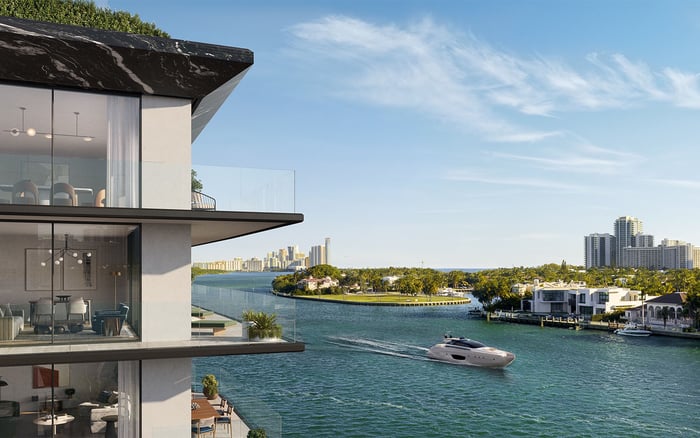
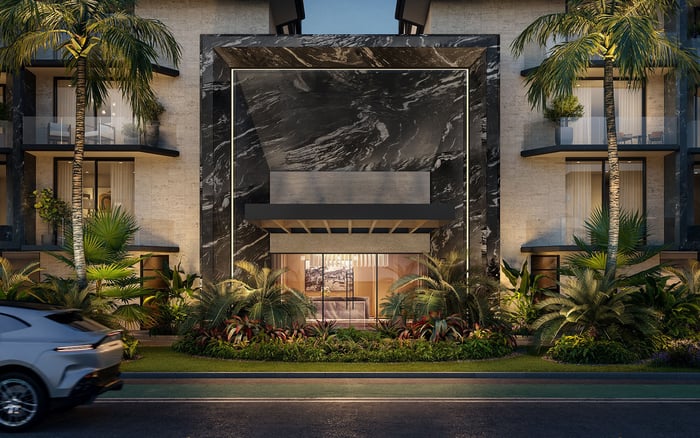
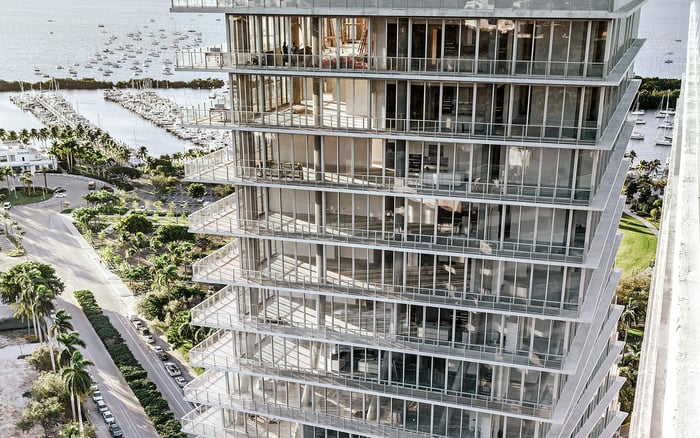
For a certain class of South Florida buyer, the real distinction is no longer simply ocean view versus bay view. It is exposure versus ease. Once wind, blowing sand, salt wear, storm stress, and ongoing upkeep enter the conversation, some discerning purchasers quietly redirect their search from the Atlantic edge to the more protected waters of Biscayne Bay and similar bayfront settings.
In South Florida, oceanfront property still carries undeniable emotional charge. The Atlantic horizon, the sound of surf, and immediate beach adjacency remain powerful markers of status. Yet among highly informed buyers, especially those purchasing for long-term use rather than pure fantasy, the conversation has become more exacting.
The question is no longer whether oceanfront is beautiful. It is whether the everyday realities of direct exposure justify the premium in a lifestyle that may be used only part of the year. Once buyers begin weighing stronger wind, salt-heavy air, blowing sand, beach-related wear, and the maintenance demands that follow, bayfront starts to look less like a compromise and more like a considered refinement.
That shift is often discreet. Few buyers announce that they have moved on from the idea of the open ocean. Instead, they begin to prioritize calmer water, easier boating, and a building envelope asked to endure less. In markets connected to Biscayne Bay, that recalibration has become especially logical.
Direct ocean exposure is not merely an aesthetic condition. It is a physical one. Salt spray accelerates corrosion in metals, places greater pressure on finishes, and can shorten the useful life of exterior mechanical components. On the ocean side, coatings, hardware, sealants, and exposed systems generally face a harsher environment than they do in more sheltered waterfront settings.
For owners, this often translates into more frequent cleaning, repainting, sealing, inspection, and replacement cycles. Even when a building is exceptionally engineered and impeccably managed, the Atlantic edge remains the Atlantic edge. The materials are simply working harder.
This is one reason some purchasers who initially tour signature oceanfront addresses such as 57 Ocean Miami Beach or The Perigon Miami Beach eventually widen their search. They are not necessarily rejecting oceanfront living. They are reassessing what ownership feels like after closing, not just on the day of the showing.
Exposure affects more than routine upkeep. Oceanfront buildings generally absorb stronger wind loads and more direct storm stress than waterfront sites buffered by barrier islands or inland bay systems. After major storms, highly exposed coastal structures are more vulnerable to envelope damage, water intrusion, and difficult cleanup complicated by salt contamination.
For luxury buyers, this is rarely framed as fear. It is framed as resilience, continuity, and ease of ownership. The practical question becomes straightforward: if two properties both deliver water views and a strong sense of place, which one asks less of the owner over time?
That logic is especially persuasive for second-home buyers, seasonal residents, and those who want low-friction ownership. A buyer may admire the spectacle of the beach yet still prefer the relative protection of a bayfront setting, where day-to-day exposure is reduced and storm recovery can feel less punishing.
There is also the matter few people linger on during a glamorous tour: sand. On the beach, sand is part of the allure. In ownership, it becomes part of the maintenance equation. Airborne sand and salt residue are hard on exterior finishes and can turn pristine detailing into a constant service item.
At the county level, shoreline erosion and recurring renourishment needs also underscore a broader truth about beachfront ownership: the beach itself is not a static backdrop. It is an actively managed edge. That does not diminish the value of oceanfront real estate, but it does change the nature of the asset. Some buyers prefer waterfront that does not depend on the shoreline maintaining the same physical condition year after year.
For that audience, water views on the bay can feel more enduring. The experience is still coastal, still prestigious, and often more controlled.
The strongest argument for bayfront is not defensive. It is affirmative. Protected waterfront along Biscayne Bay and adjacent enclaves can still offer sunrise or sunset views, private docks, marina access, and a close relationship to the water, without the same degree of surf-zone exposure.
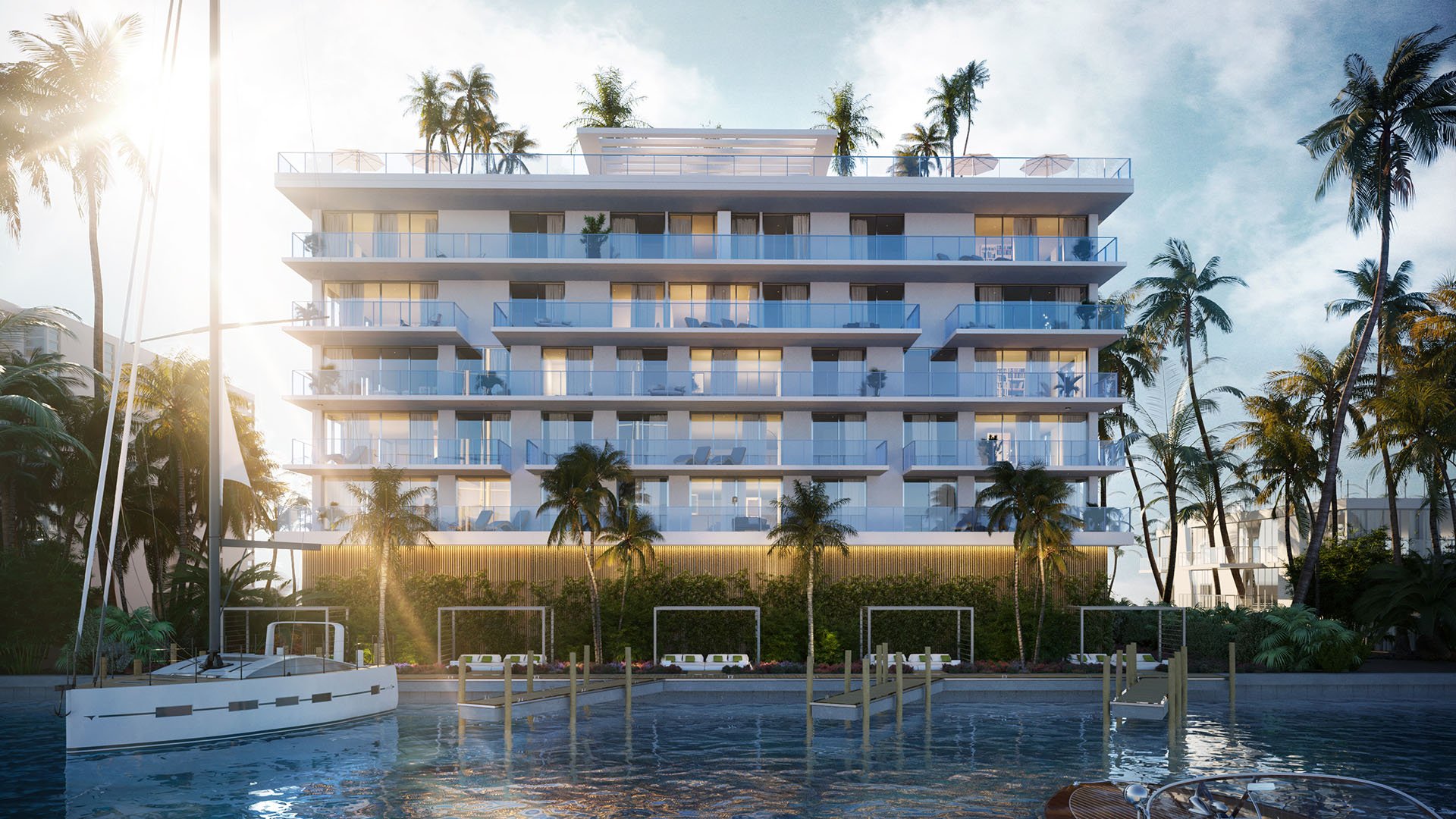
For buyers who actually keep a vessel, bayfront often works better in daily life. Calmer water conditions, easier docking, and more straightforward vessel access matter. The waterfront lifestyle becomes something used regularly, not simply admired from a terrace.
That is why projects and neighborhoods tied to bay living continue to resonate with buyers who value function as much as prestige. In Bay Harbor, Onda Bay Harbor and La Maré Bay Harbor Islands speak to a different expression of luxury: intimate scale, marine orientation, and less abrasive day-to-day exposure. In Brickell, Una Residences Brickell reflects the continued appeal of Biscayne Bay-facing living for purchasers who want a waterfront address with easier operational realities.
There was a time when some buyers treated bayfront as a secondary choice to the beach. In the upper tier, that distinction is fading. Sophisticated purchasers increasingly recognize that prestige can come from privacy, usability, and intelligent positioning, not just direct surf frontage.
In Coral Gables and nearby bay-oriented neighborhoods, the attraction is clear: direct boating access, protected residential waterfront living, and a sense that the property is working with the environment rather than taking the full force of it. That can be deeply attractive to owners who care about architecture, service quality, and long-term stewardship.
This is not to say the beach has lost its hold. Miami Beach, Sunny Isles, and Surfside remain central to South Florida’s luxury imagination. But the decision is more layered now. The buyer choosing bayfront is often not stepping down. They are editing for practicality.
The buyers most likely to pivot are usually the ones thinking beyond first impressions. They include seasoned owners who have already lived through coastal maintenance cycles, international buyers seeking predictable lock-and-leave ownership, and families who want waterfront living without maximum exposure.
They are also often boaters. If the vessel is part of the lifestyle, the logic of marina access and calmer water becomes difficult to ignore. The ability to step aboard without dealing with open-ocean conditions can outweigh the symbolic value of a direct beach line.
For these buyers, the ideal brief becomes precise: exceptional design, real water views, boating functionality, and less punishment from wind and salt. In that context, the bay is not a retreat from luxury. It is a more considered version of it.
For anyone shopping at the top of the market, the most useful question is not which is more glamorous in theory. It is which setting best matches the way the property will actually be owned and enjoyed.
Oceanfront can still be the right answer for buyers who want immediate beach immersion and fully accept the demands that come with it. Bayfront can be the right answer for those who want the waterfront experience with more ease, better boating utility, and somewhat less day-to-day wear from salt, wind, and blowing sand.
The quiet pivot from ocean to bay is therefore not a retreat from aspiration. It is a mark of discernment. In South Florida’s most sophisticated circles, that may be the ultimate luxury.
Why do some luxury buyers move from oceanfront searches to bayfront? They often conclude that bayfront preserves the waterfront lifestyle while reducing direct exposure to salt, sand, and wind.
Is bayfront considered less prestigious than oceanfront? Not necessarily. At the top of the market, discretion, boating access, and ease of ownership can be as valuable as direct beach frontage.
Does oceanfront property usually require more maintenance? In general, yes. Direct salt spray, blowing sand, and heavier exposure tend to be tougher on finishes, hardware, and exterior systems.
Why does wind matter so much on the ocean side? Direct Atlantic exposure usually means stronger wind loads and greater storm stress than more protected bayfront settings.
Is bayfront better for boat owners? Often, yes. Protected waters can make docking, day-to-day access, and regular boating use more practical.
What role does beach erosion play in the decision? Some buyers prefer waterfront that does not depend on an actively managed shoreline or recurring sand renourishment.
Can bayfront still offer strong water views? Absolutely. Many bayfront homes and residences deliver expansive water views, skyline outlooks, and dramatic light across the water.
Are storm recovery issues different on oceanfront sites? They can be. More exposed coastal buildings are generally more vulnerable to envelope damage, water intrusion, and difficult cleanup after major storms.
Who tends to prefer bayfront most? Second-home owners, experienced waterfront buyers, and boaters are often the most drawn to bayfront practicality.
How should a buyer choose between oceanfront and bayfront? Start with actual use. If beach access is everything, oceanfront may win; if ease, docking, and lower exposure matter more, bayfront may be the better fit.
For a discreet conversation and a curated building-by-building shortlist, connect with MILLION.
If branded residences are on your mind — as a home or as an allocation — we would be glad to share what we are seeing, privately.
Begin a quiet conversation