Combining adjacent condos can deliver the scale, privacy, and custom planning many ultra-luxury buyers want, but the real edge comes from sequencing: securing the right stack, aligning rules, and underwriting the exit. Here is a buyer-oriented framework for pursuing a two-unit (or more) combination at Miami Tropic Residences with discretion and discipline.
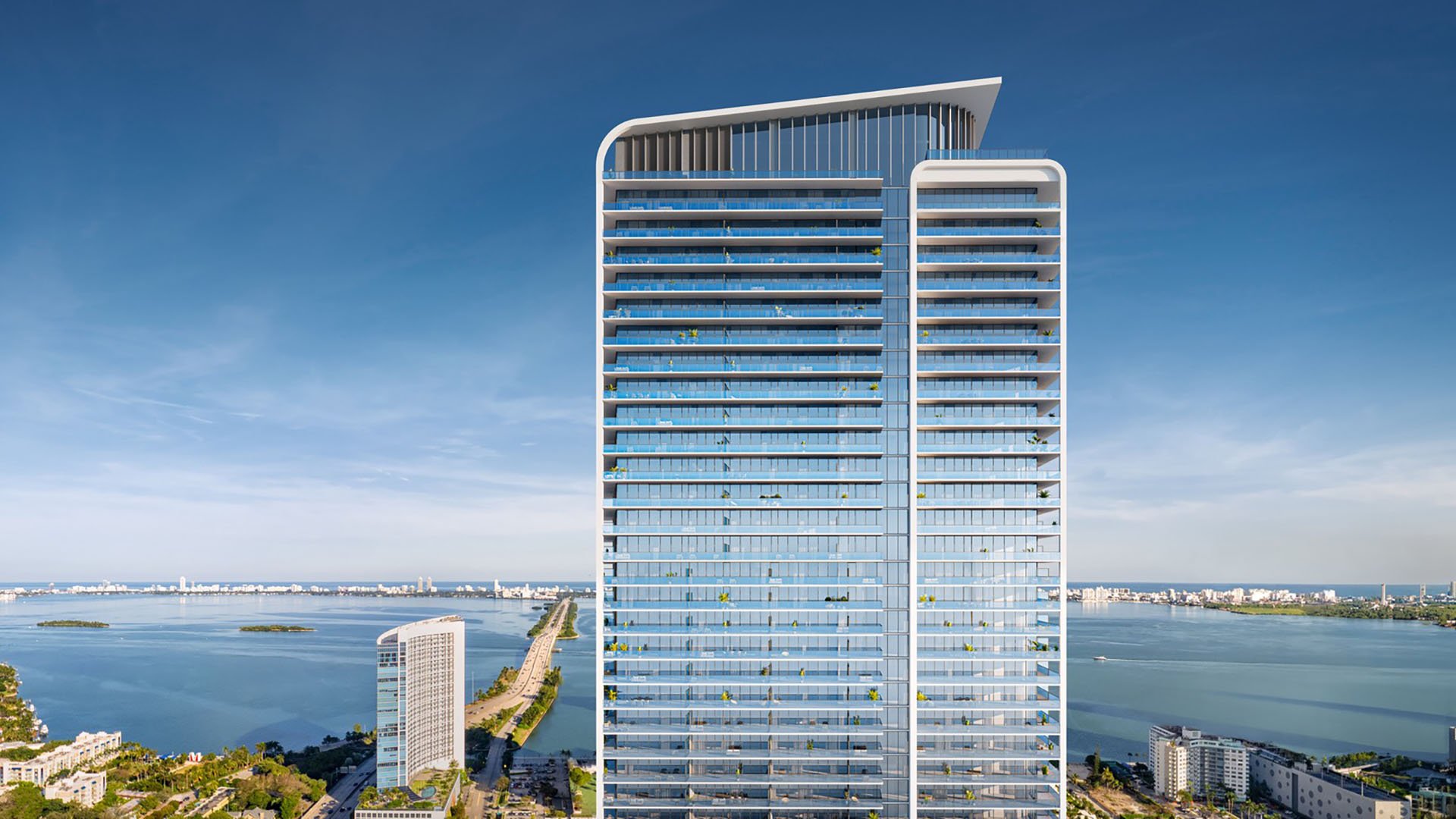
In the ultra-premium tier, “more square footage” is rarely the real objective. The real motivation behind purchasing adjacent units for combination is control: the ability to curate arrival, circulation, privacy, storage, and entertaining in ways standard floor plans can’t always deliver. At Miami Tropic Residences, this strategy appeals to buyers who want a single, generous home-without the trade-offs that can come with a penthouse premium or a dramatic floor-through footprint.
A combined residence can live like a bespoke villa in the sky: dual exposures, a gallery-like entry sequence, separation between guest and family wings, and enough wall length for serious art. But the move isn’t merely a design exercise. It’s a governance exercise (what the building allows), an engineering exercise (what the structure and systems can support), and a financial exercise (what your eventual buyer pool will pay for-and how liquid the asset remains).
This editorial lays out a practical framework: how to choose the right adjacency, how to secure approvals without friction, how to structure the timeline, and how to protect the exit strategy-whether you ultimately sell as one home or revert back to two.
Combination buyers sometimes begin by imagining a dream layout, then hunt for adjacent units that could support it. In luxury towers, it’s almost always smarter to reverse that order. The stack dictates long-term satisfaction and long-term value because it determines what you can’t easily change: view corridor, orientation, wind, sun exposure, street and mechanical noise, elevator proximity, and the privacy you feel from neighboring terraces.
When assessing adjacent units, think like a hotel operator evaluating a flagship suite. The premium is earned through quiet, light quality, and the psychological feel of arrival. Ask whether the combined home will have an obvious “front door” moment-or whether it will feel like two apartments stitched together. The strongest combinations have a clear center of gravity: an entry that reads intentional, and public rooms that claim the primary exposure.
Also consider how your daily life flows. If you plan to host, prioritize adjacency that supports an entertaining wing with a powder room, wet bar, and seating zones that don’t force guests to pass private bedrooms. If you value privacy, prioritize a plan where the primary suite sits behind a door line, ideally with its own vestibule-like buffer.
For buyers also surveying other Miami options, it can be instructive to compare how different buildings “accept” combination living. A tower like 2200 Brickell, for example, prompts a long-term view of lifestyle efficiency in a core neighborhood where walkability and business access shape daily rhythm.
In practice, there are multiple levels of combination-each with different approvals, costs, and reversibility.
A soft combination is a functional pairing: you own two units and operate them as one, often by aligning interior design and using one as a guest suite or staff quarters. A soft combination may avoid structural work, but it rarely delivers the emotional payoff buyers are after.
A connected combination creates one home by adding a doorway or internal connection, sometimes in a non-structural demising wall, sometimes through a more complex intervention. This is where approvals start to matter, because even minor penetrations can implicate fire separation requirements, acoustic standards, and building rules governing common elements.
A full combination aims to unify the residence so it reads as a single plan: one primary kitchen, one primary laundry, consolidated mechanical and electrical planning, and a cohesive circulation scheme. This can be the pinnacle outcome, but it’s also where discipline around governance and systems becomes non-negotiable.
At Miami Tropic Residences, the right posture is to treat the building’s rules, the association’s parameters, and any developer requirements as design inputs from day one-not obstacles discovered midstream.
Combination projects succeed when they’re “papered” early. Before you finalize a two-unit strategy, you want clarity on what the condominium’s governing documents allow in principle, and what the review pathway looks like in practice. In many luxury buildings, the decision isn’t simply “yes or no,” but “yes, if”: if you preserve life-safety separations, if you meet sound attenuation standards, if you comply with hours and logistics, and if licensed professionals sign off.
Key items to clarify in writing:
Whether demising wall modifications are permitted and under what conditions.
How the building treats plumbing relocations, venting, and riser access.
Whether electrical panel consolidation is permitted.
Requirements for fire-rated assemblies and self-closing doors in certain conditions.
Construction hours, elevator reservations, and staging rules.
Whether the combination affects unit numbering, mailboxes, directory listings, or access credentials.
Even if the building permits a physical combination, it may still require you to maintain two legal units for tax, assessment, or governance purposes. That can be entirely workable-if you underwrite the outcome correctly. The most sophisticated buyers plan for both operational realities: living as one while preserving the ability to unwind back to two.
The difference between an impressive combined residence and an expensive compromise is rarely the finish level. It’s the planning.
The strongest combinations typically invest in three moments:
Arrival. Create a foyer or gallery that feels inevitable. If you can, avoid a plan where the first view is a kitchen corner or a hallway. A combined home should deliver a sense of sequence.
The hinge. Where the two units meet, you need an architectural “hinge” that reads deliberate: a library wall, a bar, a pocket-door transition, or a sculpture niche. The hinge is where the story of the home either clicks-or collapses.
The private wing. Define a threshold that clearly separates bedrooms from entertaining. When executed well, it improves daily calm and protects resale because buyers instantly understand the plan.
If you’re aiming for a Miami Beach sensibility, study how hospitality-driven buildings stage private and public rooms. Five Park Miami Beach is a useful mental reference for how contemporary Miami living values clean circulation, wellness, and a “finished” arrival experience.
In a combination, the hidden systems often become the cost drivers and the schedule risks.
Plumbing is typically the most restrictive. Kitchens and bathrooms are anchored to stacks; relocating them can be limited by slab conditions, riser locations, and noise-transmission requirements. If your combined plan calls for moving wet zones, be prepared for a more complex review.
HVAC and ventilation deserve equal scrutiny. Two units often mean two sets of equipment, controls, and condensate lines. Unified controls can simplify day-to-day living, but redundancy matters too-especially for a second-home scenario where the residence may sit idle for stretches.
Electrical consolidation can be elegant, but it must be approached with care. Many buyers want a seamless “one home” experience, yet keeping dual panels can provide resilience and simplify reversibility.
Finally, sound. In luxury condos, acoustic privacy is a form of luxury in itself. A combination project is an opportunity to upgrade sound isolation at the seam and in key rooms. Done correctly, it elevates the home’s feel in a way even the best stone and millwork cannot.
The most common combination mistake is purchasing two units without a clear acquisition sequence. If you can’t secure both, the first purchase must still stand as a solo win.
Practical underwriting principles:
Anchor unit first. The first unit you buy should be the one you’d proudly keep if the second never materializes.
Treat the second unit as an option. Even if you purchase it outright, evaluate it as if you’re acquiring the right to build your preferred plan.
Underwrite two exits. Model resale as a combined trophy home and as two separate units. A strong combination strategy is one where neither exit becomes punitive.
Combination value can be real, but it’s not guaranteed. The buyer pool for oversized condos can be narrower, and some buyers prefer a turnkey plan with no “explainers.” Your job is to make the finished product feel inevitable-and to preserve flexibility if the market’s preferences shift.
If you’re comparing combination logic across neighborhoods, it’s worth noting how different areas attract different buyer profiles. A waterfront, design-forward environment like Aria Reserve Miami can draw buyers who prioritize expansive views and indoor-outdoor living, which can influence how a combined residence is valued.
Even in towers accustomed to renovations, a combination is a more intense operation. The winning approach is to run the project with “hotel discipline”: clean logistics, tight scheduling, and neighbor diplomacy.
Consider:
Pre-planning demolition and dust control so common corridors remain pristine.
Coordinating material deliveries to minimize elevator contention.
Scheduling loud work in permitted windows and communicating proactively.
Using mockups for critical transitions so the final execution is consistent.
A discreet, well-managed project preserves your relationship with the building and protects the experience for others. It also protects you. Construction disputes, stop-work orders, and redesign cycles can erase the very value you’re working to create.
The luxury condo has become more multi-purpose. Buyers want residences that can shift between personal retreat, executive base, and entertaining venue-without feeling like a compromise.
A combination supports that flexibility. It can create:
A true guest suite wing with its own lounge or kitchenette.
A private office suite that remains separate from family life.
A wellness room or studio without sacrificing primary entertaining space.
Storage and back-of-house capacity that makes the home feel effortless.
In South Florida, where owners often maintain multiple residences, this adaptability matters. Some buyers use a combined plan as their primary Miami base while retaining a more resort-like footprint elsewhere, or vice versa. A project such as Miami Tropic Residences naturally enters that conversation because the strategy is less about maximalism and more about achieving a tailored, livable scale.
Before signing on two adjacent units with a combination intention, insist on clarity in four areas.
First, confirm governance. You want a realistic approval path, not a verbal assurance.
Second, confirm feasibility. A preliminary review by the right professionals should tell you what is straightforward, what is costly, and what is likely off-limits.
Third, confirm reversibility. Even if you never intend to unwind the combination, preserving that capability can protect resale and negotiating leverage.
Fourth, confirm the lived experience. The combined home should feel like one residence with one narrative. If the plan still reads like two doors and a corridor, refine the concept before you invest.
Is combining two adjacent units always allowed? Not always; permissions vary by building rules and the scope of work.
What is the first step before making offers? Confirm the alteration pathway and verify what is permitted in writing.
Should I buy both units at the same time? Ideally, yes. If not, secure the stronger anchor unit first.
Can I connect units with just an interior door? Sometimes, but even a single connection can trigger fire, acoustic, and approval requirements.
Will a combination change my monthly expenses? Often, you’ll carry two assessments and two tax profiles unless the units are legally merged.
Is it better to create one large kitchen or keep two? One primary kitchen often supports resale, while a second can be useful for hosting.
How long does a combination renovation typically take? Timelines vary widely; plan for permitting, review cycles, and building logistics.
Does combining units increase resale value automatically? Not automatically; value depends on layout quality, finish, and buyer demand.
Can I later separate the units again? In many cases, yes-if you plan for it-though it depends on what was altered.
What makes a combined residence feel truly luxury? A coherent arrival, clear zoning between public and private spaces, and quiet.
If you'd like a private walkthrough and a curated shortlist, connect with MILLION Luxury.
If branded residences are on your mind — as a home or as an allocation — we would be glad to share what we are seeing, privately.
Begin a quiet conversation