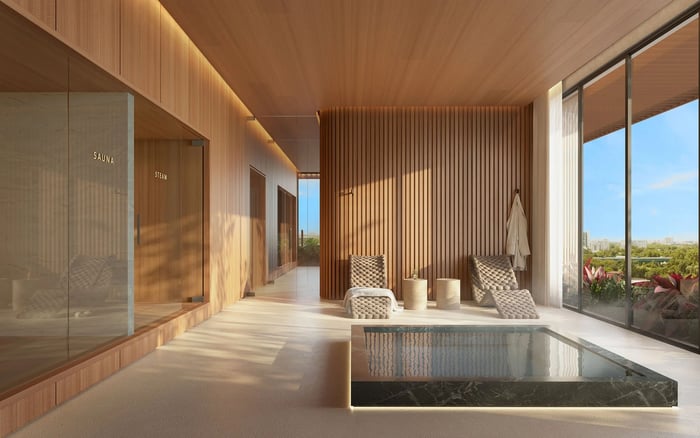
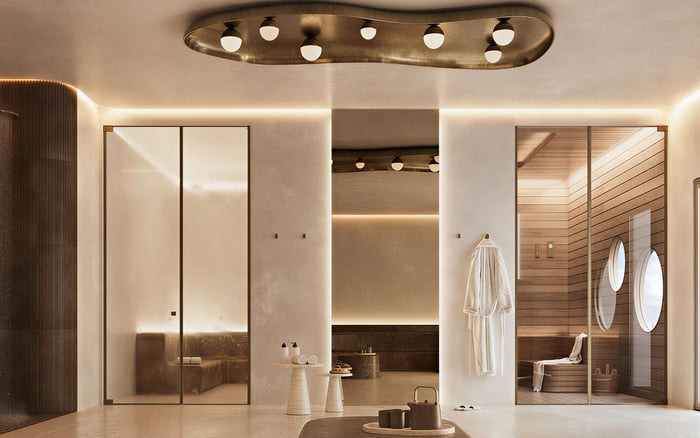
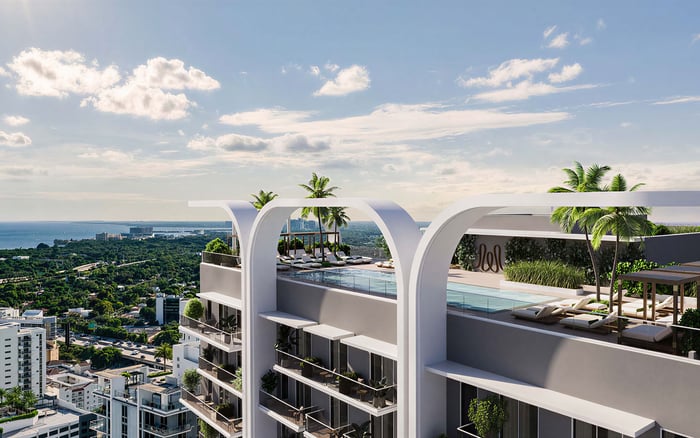
A practical South Florida guide for evaluating private plunge pools through the lenses of privacy, operating costs, daily comfort, maintenance access, and long-term resale value.
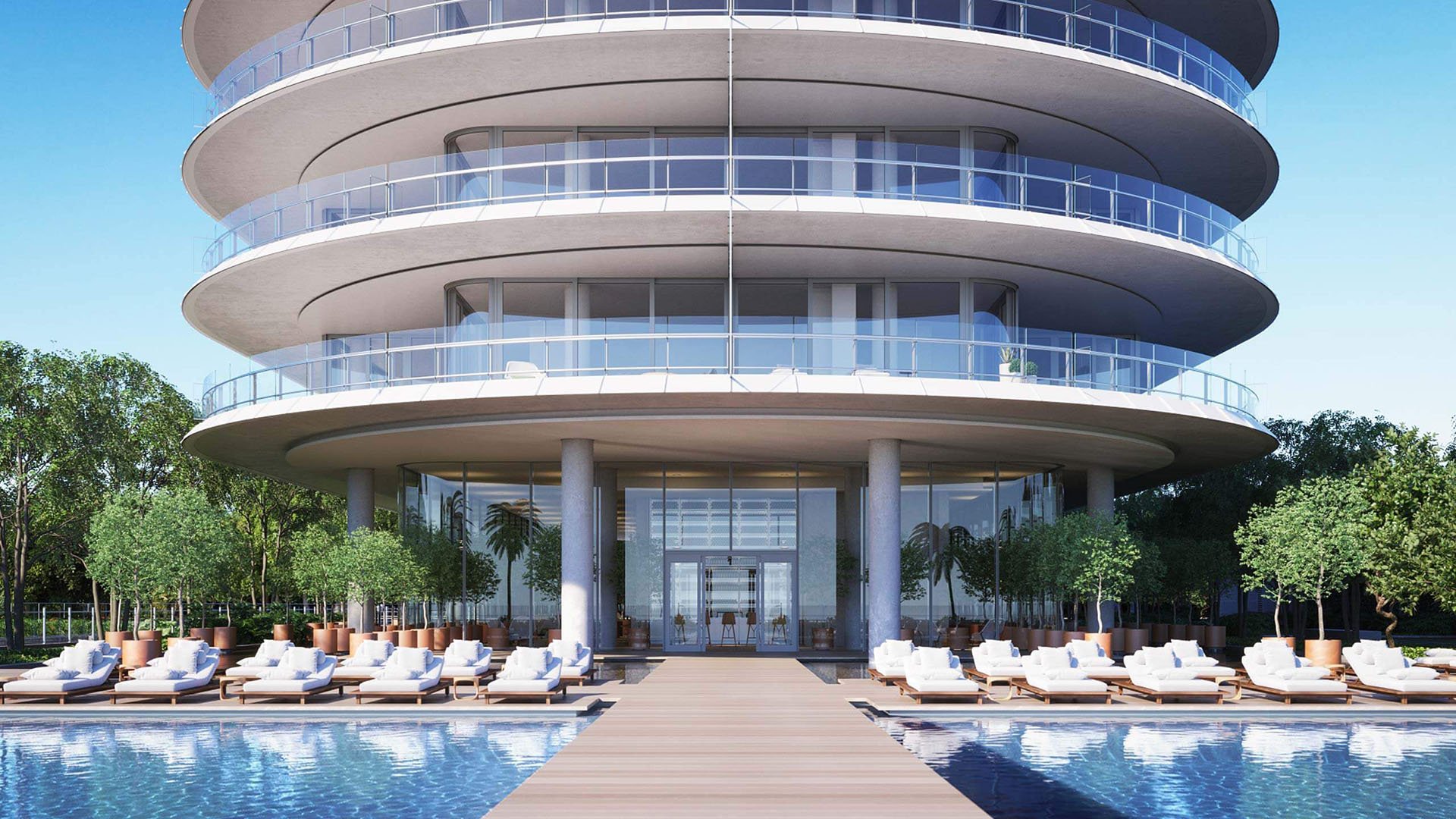
In South Florida luxury real estate, a private plunge pool can feel like the ultimate expression of residential ease: morning water, evening sky, and a level of personal retreat that shared amenities cannot quite reproduce. The strongest buyers, however, evaluate it less as a glamorous feature than as an outdoor room with mechanical, architectural, and lifestyle consequences.
A private pool should answer three questions. Will it feel private when you actually use it? Will the cost of ownership remain proportionate to the pleasure it delivers? Will it improve daily life often enough to justify the premium, the maintenance, and the design compromises around it? The answer is rarely found in one dramatic showing. It emerges from studying sightlines, structure, sound, sun, service access, and the rhythm of how you intend to live.
Privacy is not only a matter of walls or landscaping. In vertical markets such as Brickell, it is a question of angles: what can be seen from neighboring towers, amenity decks, adjacent balconies, and building corridors. A plunge pool placed on a terrace may feel intimate during a brief tour, then exposed at night when interior lights turn glass into a stage.
Buyers should stand in the pool area and look outward, then reverse the view where possible. Ask what a neighbor above might see, whether glass railings reveal too much from below, and whether nearby common areas create visual traffic. A deep setback can be more effective than a tall screen if it places the water zone outside the most obvious viewing corridors.
The strongest private pool settings tend to create layers. Architecture, planting, overhangs, outdoor curtains, pergolas, or textured walls can soften exposure without turning the space into a closed box. The goal is not total concealment in every direction. The goal is comfort: the feeling that you can step outside in swimwear, take a call, read, or cool off without becoming part of the building’s public theater.
A plunge pool is small compared with a full swimming pool, but it is still a body of water with pumps, finishes, filtration, heating or cooling considerations, waterproofing, drains, and service needs. The more private and elevated the setting, the more important it becomes to understand how the system is accessed and maintained.
Ask what equipment serves the pool, where it is located, how service personnel reach it, and whether the owner or association controls the maintenance schedule. In a condominium, clarify the boundary between private responsibility and building responsibility. In a single-family home or townhome, ask how easily the equipment can be reached without disturbing daily life.
Carrying costs are not limited to visible cleaning. Buyers should consider routine service, water treatment, energy use, finish care, leak monitoring, replacement reserves, and any insurance or association considerations tied to the feature. A beautiful pool that requires awkward access or frequent interruptions can lose its charm quickly.
New-construction buyers should be especially attentive to documentation. A new residence may present the pool as seamless, but the most important details are often behind panels, under decks, or inside mechanical rooms. The right questions at contract stage can prevent surprises after closing.
The most successful plunge pools are used often because they are easy to use. Daily comfort begins with the path from the interior to the water. If the door swing is awkward, the floor becomes slippery, towels have nowhere to go, or the seating area is too exposed to sun and wind, the pool may become more visual than practical.
Shade matters. South Florida outdoor spaces can feel completely different at noon, late afternoon, and after sunset. A pool that looks perfect in golden light may need shade planning for daytime use. Conversely, a heavily shaded pool can feel cool or dim when the owner imagined a sunlit retreat. Buyers should visit at different times if possible and observe the balance of sunlight, glare, breeze, and reflection.
Wind is equally important, particularly in elevated or oceanfront settings. A breezy terrace can be seductive until towels, cushions, umbrellas, and dining pieces become difficult to manage. If the plunge pool is paired with outdoor dining or lounge furniture, comfort depends on how the entire arrangement performs together.
Small conveniences often determine whether the pool becomes part of daily life. Look for towel storage, discreet lighting, privacy for changing, easy access to a bath or shower, durable outdoor surfaces, and enough dry seating for people who are not in the water. A plunge pool should not monopolize the entire outdoor area. It should improve the way the space lives.
A balcony pool, a terrace pool, and a ground-level plunge pool are not interchangeable. A balcony setting may offer dramatic views, but it requires careful attention to privacy, wind, drainage, and how much usable outdoor area remains after the pool is accounted for. A large terrace can support a richer outdoor program, including lounging, planting, dining, and shade devices, but it may also be more visible to neighboring residences.
Ground-level plunge pools can feel more resort-like and easier to service, especially when connected to a garden, courtyard, or primary suite. Their privacy depends on perimeter design, nearby windows, and whether the outdoor room has true enclosure or simply decorative landscaping.
In all cases, the pool should feel proportionate. If it consumes too much of the outdoor footprint, it may reduce flexibility. If it is too small or poorly placed, it may read as a marketing flourish rather than a meaningful lifestyle feature. The best version supports several uses: cooling off, relaxing, entertaining quietly, and adding architectural calm to the view from inside.
Before assigning value to a private plunge pool, walk through the space as if you already live there. Where do you place a robe? Where does a guest sit? Can you open the doors fully? Is there privacy at night? Can the pool be serviced without moving furniture through the residence? Does the sound of equipment reach sleeping areas or entertaining spaces?
Then move from lifestyle to documentation. Ask what maintenance is required, who performs it, what finishes and equipment are installed, and how repairs would be handled. For condominium residences, review whether rules limit hours of use, alterations, furniture placement, planters, shades, or service access. A private feature still exists within a governed building environment.
Finally, consider whether the pool improves the property’s story. In some residences, it creates a rare private sanctuary. In others, it competes with superior building amenities or reduces terrace usability. Value is strongest when the pool feels integrated into the architecture, not appended to it.
A private plunge pool can create a strong emotional response, but resale value comes from broad usability. Future buyers will ask the same questions: Is it private, is it comfortable, is it easy to maintain, and does it make the residence feel more complete?
The feature is most persuasive when it supports a recognizable South Florida lifestyle without requiring constant management. It should make mornings easier, evenings more atmospheric, and entertaining more graceful. If it becomes too exposed, too costly, too windy, or too complicated, the market may view it as a liability disguised as a luxury.
For discerning buyers, the ideal plunge pool is neither ostentatious nor incidental. It is a precise amenity, scaled to the residence, shielded from the wrong views, supported by sensible systems, and pleasant enough to use often. That is where the real premium lives.
Is a private plunge pool worth paying more for? It can be, when it offers genuine privacy, practical comfort, and a layout that improves the residence rather than reducing usable outdoor space.
What is the first privacy question to ask? Ask who can see the pool from above, beside, and across the property, especially at night when interior and exterior lighting changes visibility.
Are smaller plunge pools less expensive to maintain? They may be simpler than larger pools, but they still require filtration, water care, equipment attention, and appropriate service access.
What should condo buyers confirm before closing? Confirm ownership responsibilities, association rules, service procedures, equipment access, and whether any use or alteration restrictions apply.
Does a plunge pool add resale value? It can strengthen resale appeal when it feels private, elegant, useful, and proportionate to the outdoor space.
What makes a plunge pool uncomfortable in daily use? Excessive exposure, glare, wind, lack of shade, awkward access, slippery transitions, and limited towel or seating space can all reduce comfort.
Should the pool be heated or cooled? The need depends on exposure, personal preference, and how the owner expects to use the pool across seasons and times of day.
How important is equipment location? Very important, because poor access can make routine service disruptive and can complicate future repairs.
Can a plunge pool replace building amenities? It usually complements them rather than replaces them, offering privacy and convenience while shared amenities provide scale and variety.
What is the best way to shortlist comparable options for touring? Start with location fit, delivery status, and daily lifestyle priorities, then compare stacks and elevations to validate views and privacy.
For a confidential assessment and a building-by-building shortlist, connect with MILLION.
If branded residences are on your mind — as a home or as an allocation — we would be glad to share what we are seeing, privately.
Begin a quiet conversation