A practical guide for South Florida luxury buyers evaluating spa booking rules, privacy standards, shared costs, guest access, and everyday wellness convenience before committing to a residence.
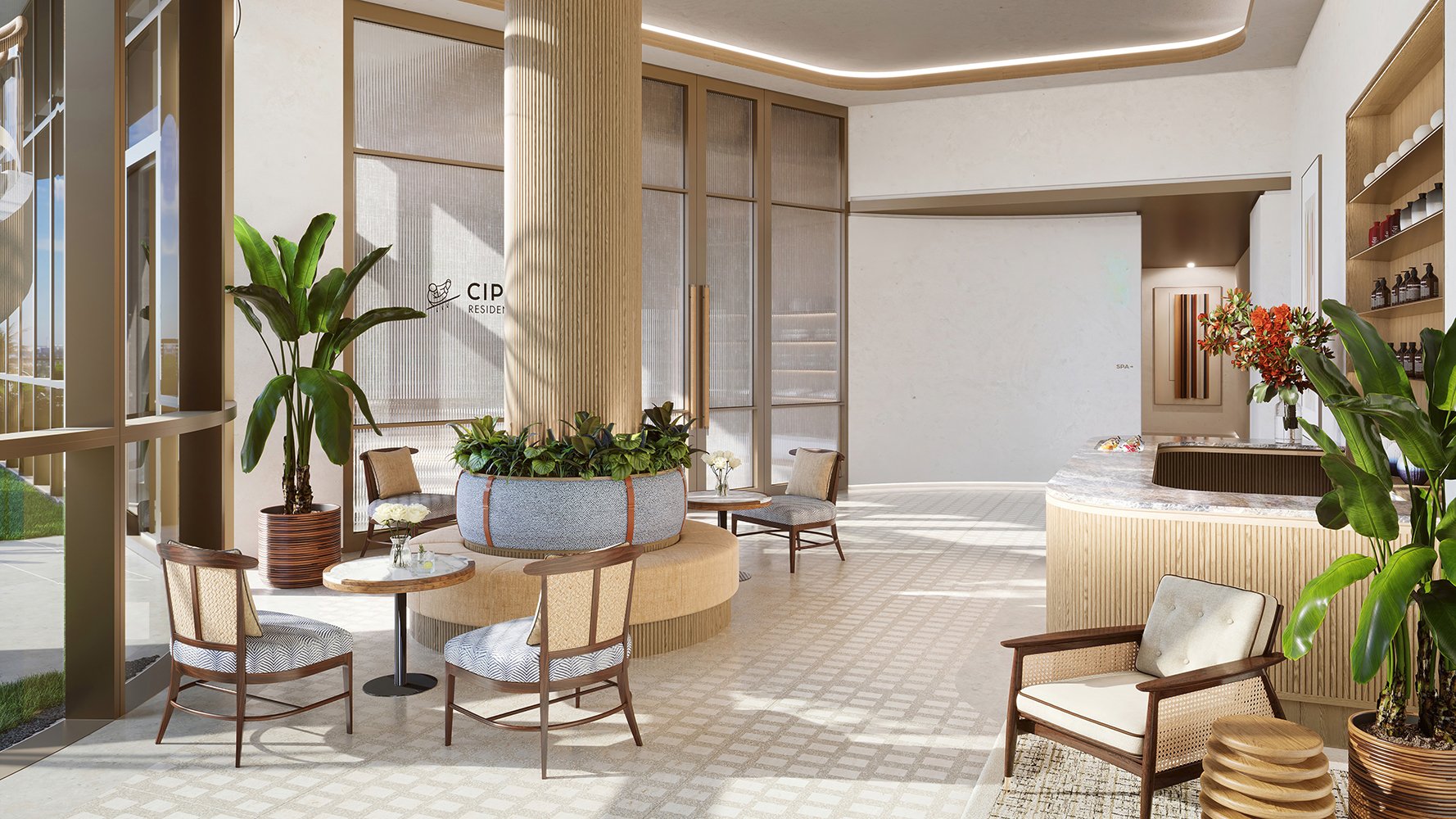
In South Florida’s upper tier of residential real estate, wellness amenities are no longer decorative extras. A spa suite, treatment room, sauna, hammam, cold plunge, relaxation lounge, or hydrotherapy circuit can become part of the daily rhythm of ownership. Yet even the most beautiful amenity can feel diminished when its booking rules do not reflect how you live.
For a buyer comparing Brickell towers, Aventura residences, Broward waterfront addresses, or a second home near the coast, the spa program deserves the same disciplined review as parking, elevators, staff coverage, and reserve obligations. The central question is not whether the spa impresses on a tour. It is whether access will feel private, predictable, and financially sensible after the initial glamour fades.
Good spa governance protects calm. Poorly designed rules create friction: peak-time competition, unclear guest privileges, awkward cancellation penalties, or carrying costs that feel disconnected from actual use. A careful review reveals whether the amenity is a genuine lifestyle asset or a polished space likely to sit underused.
Privacy is the first lens. Ask how appointments are booked, who can see the schedule, whether staff confirm names discreetly, and whether residents can reserve without public exposure at a front desk. In high-profile households, privacy is not only about avoiding crowds. It is about controlling the small moments around arrival, robe service, guest movement, and post-treatment relaxation.
The best rules separate wellness from spectacle. They clarify whether treatment rooms are resident-only, whether outside practitioners may enter, and how service providers are screened. They also distinguish between a spa lounge designed for quiet use and a broader social amenity where privacy will naturally be lower.
Look carefully at shared spaces. A steam room or sauna with no booking requirement may be convenient, but it can also mean less control during busy periods. A reservation-only model may feel more private, while too many restrictions can make casual use inconvenient. The right answer depends on household habits, not marketing language.
Booking windows determine whether the spa works in real life. A seven-day window, same-day booking, recurring reservations, waitlists, and cancellation deadlines all affect how easily residents can use the amenity. For owners who travel frequently, rules that require long lead times may be less valuable than flexible access. For full-time residents, priority morning or evening availability may matter more.
Evaluate peak hours with particular care. Early mornings, weekend afternoons, and pre-dinner hours are often when wellness amenities feel most desirable. If every resident competes for the same limited treatment rooms, the building may need a clear priority system. Without one, the spa can become a source of quiet frustration.
Also ask whether residents may reserve blocks of time for personal routines, such as sauna followed by cold plunge, or whether each element must be booked separately. A pool policy may seem unrelated, but it often signals how the property manages shared comfort across high-demand amenities. If pool cabanas, spa suites, and fitness rooms all rely on different rules, residents may face an unnecessarily complicated daily experience.
Spa amenities have ongoing costs. Staffing, cleaning, linen service, supplies, equipment maintenance, utilities, insurance, and management oversight all contribute to the financial profile of the building. A buyer should understand whether these expenses are covered by general association fees, charged through use fees, or structured as a hybrid.
A no-fee spa may feel generous, but the cost still exists somewhere in the budget. A pay-per-use model may feel efficient for occasional users, but it can diminish the sense of private residential service if every small touch becomes transactional. The most balanced arrangements are transparent: residents know what is included, what is optional, and how special services are billed.
This is where investment thinking becomes useful, even for lifestyle buyers. A spa program that is expensive to maintain but lightly used may pressure budgets over time. Conversely, a thoughtfully managed wellness amenity can support the perceived quality of the building and reinforce owner satisfaction. The issue is not simply cost. It is alignment between expense, usage, and the standard of service expected at the property.
Guest privileges are often the difference between a residential spa and a semi-public amenity. Some owners want to host visiting family, wellness practitioners, or a small circle of friends. Others prefer the spa to remain a sanctuary reserved almost entirely for residents. Both preferences are valid, but the rules must be explicit.
Ask how many guests may accompany a resident, whether guests require advance registration, and whether unaccompanied guests are ever permitted. Also clarify whether short-term occupants, tenants, or house staff have access. Even when a building feels intimate, broad guest privileges can change the atmosphere quickly.
The most protective policies do not necessarily ban guests. They manage them. They set hours, require resident sponsorship, limit group use, and prevent the spa from becoming an event venue. In the luxury market, restraint is often what preserves value.
The operating details tell you how the amenity will feel in ordinary weeks. Review hours of operation, holiday schedules, cleaning intervals, staffing levels, robe and towel protocols, locker availability, age restrictions, and rules for mobile phones. Small policies can make the difference between serenity and inconvenience.
Cancellation rules deserve attention. A strict cancellation fee may be reasonable if treatment rooms and staff are limited. But if policies feel punitive, residents may avoid booking at all. Likewise, waitlist procedures should be clear. A fair system prevents the same households from controlling the most desirable times indefinitely.
Noise and conduct rules matter, too. A spa should not feel like an extension of the lobby, party room, or pool deck. If the governing documents define quiet zones, device restrictions, and food or beverage limits, residents have a stronger framework for preserving the intended mood.
There is no universal ideal. A full-time owner who begins every day with heat therapy needs dependable access and short transitions from residence to spa. A seasonal owner may value simple booking, guest accommodations, and the ability to arrange services during concentrated stays. A household with teenagers may need to understand age limits. A couple who entertains frequently may care more about guest access than recurring reservations.
During due diligence, ask for the spa rules in writing and compare them against your actual week. Do not rely on a verbal summary or a beautifully staged tour. Imagine a rainy Saturday, a holiday weekend, a visiting parent, a delayed flight, and a last-minute wellness appointment. If the rules still feel intuitive, the amenity is likely to support daily comfort.
The strongest luxury buildings make wellness feel effortless without making it vague. Rules should be visible, fair, and discreetly enforced. That balance is what turns an amenity from a brochure feature into a daily privilege.
Why should I review spa booking rules before buying? They determine how private, available, and practical the amenity will feel after move-in.
Are stricter spa rules always better for privacy? Not always. Strict rules can protect calm, but overly rigid systems may reduce everyday convenience.
What is the most important booking detail to check? Review peak-time access, cancellation policies, guest privileges, and whether recurring reservations are allowed.
Do spa amenities affect carrying costs? Yes. Staffing, maintenance, cleaning, utilities, and supplies can all influence the building’s operating budget.
Should I prefer included spa access or pay-per-use service? It depends on usage. Frequent users may value included access, while occasional users may prefer itemized billing.
How do guest policies affect the resident experience? Broad guest access can make a spa feel busier, while clear sponsorship rules help preserve a private atmosphere.
Can spa rules influence resale perception? Thoughtful rules can reinforce the building’s quality, while confusing or inconvenient policies may weaken daily appeal.
What should seasonal owners focus on? Seasonal owners should prioritize flexible booking, simple guest procedures, and access during peak travel periods.
Should I ask for the spa rules in writing? Yes. Written policies are essential for understanding actual access, fees, restrictions, and enforcement.
What makes a spa policy feel truly luxurious? It should be discreet, fair, easy to use, and aligned with the privacy expectations of the residents.
For a tailored shortlist and next-step guidance, connect with MILLION.
If branded residences are on your mind — as a home or as an allocation — we would be glad to share what we are seeing, privately.
Begin a quiet conversation