A discreet buyer guide to evaluating backup-power claims at Miami Tropic Residences, with practical questions on runtime, supported loads, elevators, in-unit circuits, ownership, maintenance, and long-term costs.
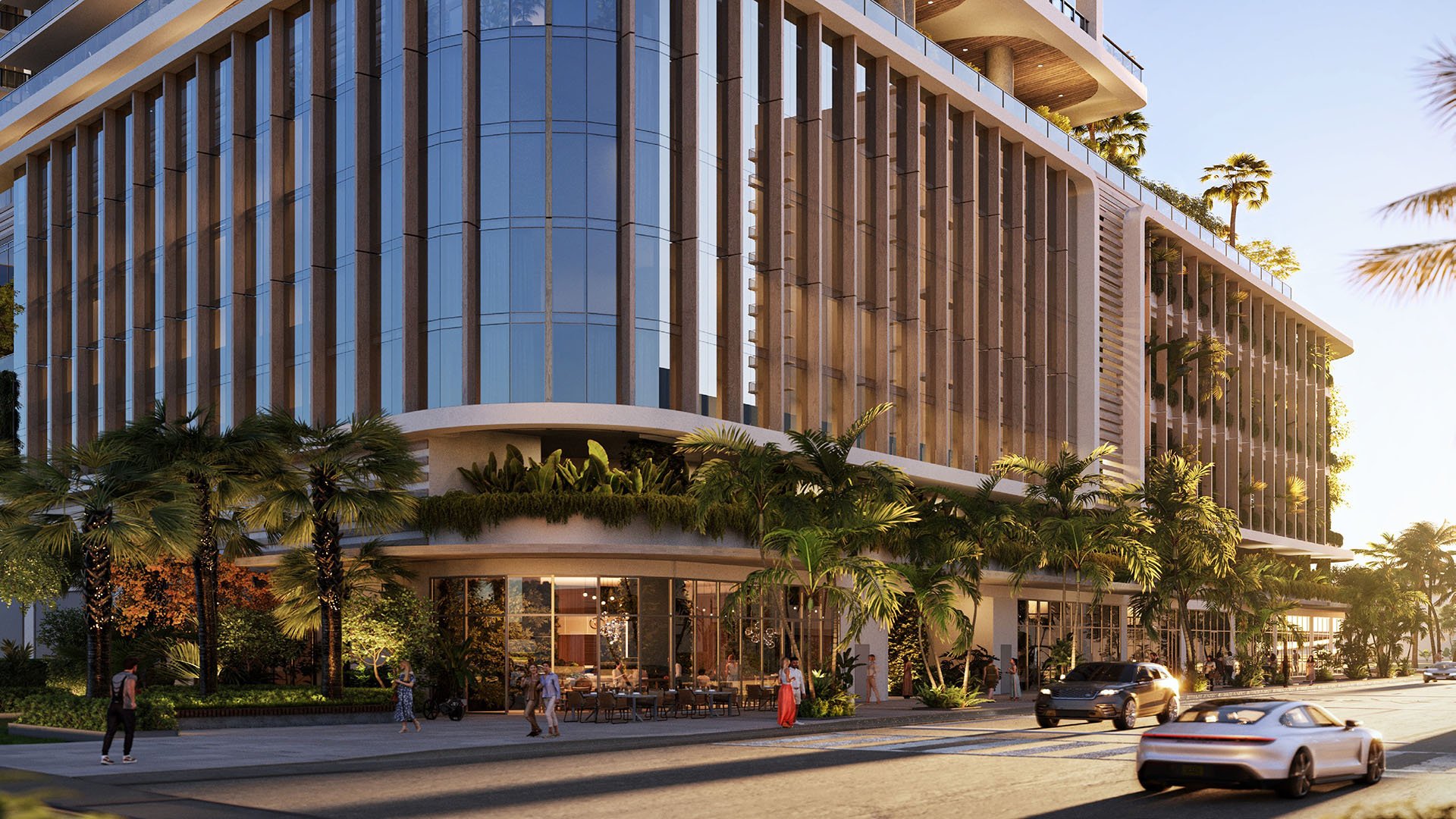
Miami Tropic Residences sits in a market where buyers increasingly view resilience as part of luxury. The conversation is no longer limited to finishes, views, wellness rooms, or valet precision. For a primary residence, pied-à-terre, or investment holding, the more refined question is what happens when the building loses utility power-and which parts of daily life continue without interruption.
The battery-backup specifications, capacity, vendor, runtime, and unit-level options for Miami Tropic Residences have not been verified here. The correct buyer posture is therefore not to assume a particular system exists, but to request written clarification from the sales team, condominium documents, purchase materials, or technical specifications.
This distinction matters. In luxury real estate, a phrase such as backup power can mean very different things. It may refer only to code-required emergency systems. It may include selected elevators and building communications. It may involve a generator, battery storage, a UPS arrangement, or a hybrid system. In rare cases, it may extend to dedicated residential circuits. Each interpretation has a different effect on comfort, safety, ownership costs, and resale narrative.
The first question is not whether the building has backup power. It is what loads are connected to it. Buyers should ask whether backup support is limited to life-safety systems or whether it reaches elevators, HVAC, internet infrastructure, refrigeration, access control, smart-home equipment, or any residential-unit circuits.
For Miami Tropic Residences, a discerning buyer should ask for a written summary from the engineer of record or comparable technical documentation. The goal is to understand the difference between emergency power, standby power, battery systems, generators, and any uninterrupted power supply equipment. Sales language can sound reassuring, but the electrical load schedule is where the practical answer usually lives.
This is especially important in new-construction and pre-construction purchases, where decisions may be made before every operating detail feels tangible. A buyer may be evaluating renderings, amenity plans, and location alongside technical questions that will ultimately shape everyday livability.
An advertised number of backup hours is useful only if the load level is disclosed. A battery that supports emergency lighting for a defined period is not the same as a system that supports residential refrigeration, communication equipment, or cooling. Buyers should ask for runtime assumptions in writing and should request the scenario used to calculate those hours.
The right question is precise: at what load, serving which circuits, and for how long? If the answer depends on reduced usage, selected common areas, or staged restoration, that should be understood before contract deadlines pass. A polished building can still have a narrow backup-power design, and that may be perfectly acceptable if the buyer understands the limits.
For owners who work from home, store wine, maintain medical equipment, or travel frequently while relying on remote monitoring, the difference between common-area resilience and in-unit resilience is substantial. Miami Tropic Residences buyers should ask whether dedicated battery-backed circuits can be configured for a residence or whether unit-level support is not contemplated.
In high-rise living, the most consequential backup-power questions often concern movement, water, and entry. Buyers should clarify whether backup power supports all elevators, selected elevators, a freight or service elevator, or only emergency recall and life-safety functions. These are not interchangeable outcomes.
Water systems deserve the same scrutiny. Domestic water pumps, fire pumps, stairwell pressurization, emergency lighting, garage gates, access control, and communications systems should all be discussed. During an outage, the difference between a building that remains orderly and one that is merely code-compliant can come down to these less glamorous systems.
This is where the South Florida buyer is becoming more technical. The same buyer who compares Brickell, Miami Beach, and waterfront enclaves for lifestyle may now compare resilience protocols with equal seriousness. The question is not whether backup power sounds sophisticated, but whether the specific sequence of building operations has been designed, funded, tested, and documented.
Battery storage, diesel or natural-gas generators, UPS systems, and hybrid arrangements each have different virtues. Batteries can be quiet and instantaneous, but they have finite service lives and must be sized to specific loads. Generators may offer longer operating potential under certain conditions, but they bring fuel, maintenance, noise, permitting, and mechanical considerations. UPS systems can protect sensitive electronics, but they may be intended for short bridging periods rather than extended residential comfort.
Buyers at Miami Tropic Residences should ask which technology, if any, is contemplated and how it is integrated. The system architecture matters because failure modes differ. A battery inverter fault, generator transfer issue, or failed test can each produce a different operating result. A sophisticated answer should explain not only the equipment, but also monitoring, alerts, maintenance, and response protocols.
Remote monitoring is also worth asking about. Residents or management may need alerts for battery degradation, inverter faults, generator issues, or failed transfer tests. A backup system is not a static amenity. It is a living operational asset that must be checked, maintained, and eventually renewed.
Some buyers will want more than building-level continuity. They may ask whether a residence can include dedicated circuits for medical devices, refrigeration, home-office equipment, routers, wine storage, or select smart-home systems. The answer depends on far more than desire or budget.
Buyers should ask whether in-unit battery systems are permitted by condominium rules, electrical design, insurance requirements, fire code review, and architectural-control procedures. A system that seems straightforward in a single-family home can be more complex in a vertical condominium setting. Location, ventilation, fire separation, load calculations, interconnection, and ownership responsibility may all be relevant.
If in-unit systems are not permitted, the buyer should understand that early. If they are permitted, the buyer should ask who approves them, who installs them, who maintains them, and whether future replacement will require additional approvals. For a luxury residence, clarity is more valuable than a vague promise of flexibility.
Backup-power equipment is not only an engineering issue. It is also a governance and budget issue. Buyers should ask who owns any system: the condominium association, developer, utility partner, third-party energy provider, or individual unit owner. Ownership determines who controls testing, who pays for repairs, and who bears replacement risk.
Maintenance protocols should be requested before closing. How often are batteries or generators tested? Who verifies performance? Will test results be available to the association? What happens if a component fails a transfer test? A buyer should expect direct answers, especially if backup power is being presented as part of the building’s value proposition.
Replacement costs also belong in the conversation. Battery systems have finite service lives, and replacement may have reserve, assessment, or association-budget implications. Even if the initial installation is developer-funded, future owners may inherit the long-term economics. For a luxury condominium, the most elegant system is one that is not only designed well, but governed well.
Where backup-power equipment is located can be as important as what it is. Buyers should ask whether critical systems are placed above flood-risk areas and protected from storm surge, humidity, heat, salt air, and wind-driven rain. South Florida’s climate is not gentle on mechanical and electrical equipment.
This question should be framed neutrally and technically. The buyer is not looking for drama, but for design intent. Are enclosures, rooms, penetrations, ventilation, and access paths planned with environmental protection in mind? Can technicians service equipment safely after a weather event? Are critical controls located where they remain accessible and protected?
A well-documented answer can help a buyer distinguish between nominal backup capability and a genuinely resilient operating plan.
The strongest buyer position is to ask whether backup-power commitments appear in binding condominium documents, purchase agreements, offering materials, or technical specifications. Conversations are helpful, but they are not a substitute for documents. If backup power is important to your purchase decision, the scope should be written clearly enough that your counsel and advisors can evaluate it.
For Miami Tropic Residences, the prudent approach is simple: treat battery backup as a due-diligence category until documented otherwise. Ask what is backed up, for how long, by what system, under whose ownership, with what maintenance plan, and at whose future cost.
Luxury buyers are increasingly fluent in this language because resilience affects privacy, comfort, and continuity. The best question is not whether a building sounds advanced. It is whether the technical design, condominium governance, and written commitments all say the same thing.
Does Miami Tropic Residences have a confirmed battery-backup system? Capacity, vendor, runtime, and unit-level options have not been verified here. Buyers should ask for written confirmation before treating backup power as a feature.
What is the first backup-power question a buyer should ask? Ask which systems are actually supported during an outage. The answer should distinguish life-safety loads from elevators, water pumps, internet, HVAC, and residential circuits.
Why does runtime need to be in writing? Runtime is meaningful only when the load level is defined. Buyers should ask what equipment was included in any calculation of advertised backup hours.
Should elevator operation be specifically reviewed? Yes. Buyers should ask whether all elevators, selected elevators, service elevators, or only emergency recall functions are supported.
Can a residence have its own battery-backed circuits? That depends on condominium rules, electrical design, insurance requirements, fire review, and approval procedures. Buyers should confirm the policy before relying on unit-level backup.
Who should maintain backup-power equipment? Maintenance responsibility should be assigned in writing. It may rest with the association, developer, energy provider, utility partner, or an individual owner.
Are replacement costs important for battery systems? Yes. Batteries have finite service lives, and future replacement may affect reserves, assessments, or association budgets.
Where should backup equipment be located? Buyers should ask whether equipment is protected from flood exposure, storm surge, humidity, heat, salt air, and wind-driven rain.
Why ask about monitoring and alerts? Monitoring can help management identify battery degradation, inverter faults, generator issues, or failed transfer tests. A system is only useful if performance problems are discovered promptly.
What documents should buyers request before relying on backup-power claims? Ask for binding condominium documents, purchase materials, technical specifications, or an engineer’s written summary. Sales conversations should be supported by written commitments.
To compare the best-fit options with clarity, connect with MILLION.
If branded residences are on your mind — as a home or as an allocation — we would be glad to share what we are seeing, privately.
Begin a quiet conversation