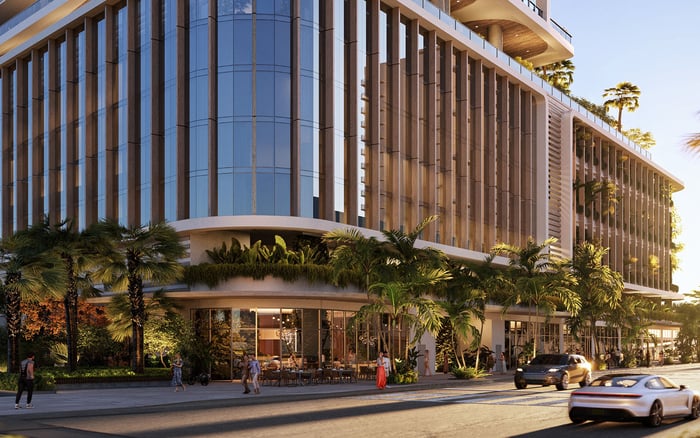
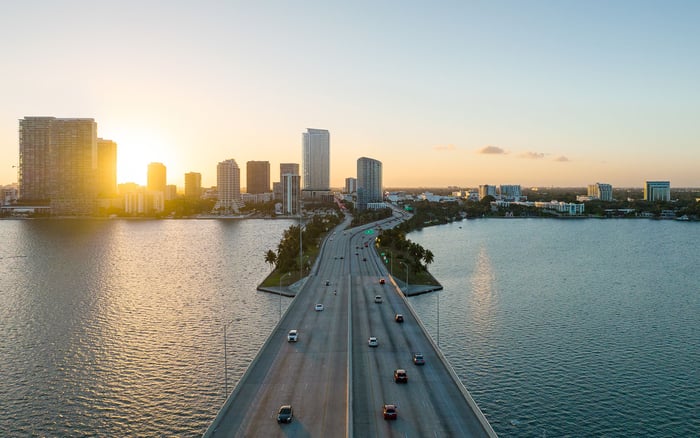
A buyer-oriented comparison of two hospitality-led residential concepts in Miami’s Design District, with a practical framework for evaluating service, privacy, design, and daily livability.
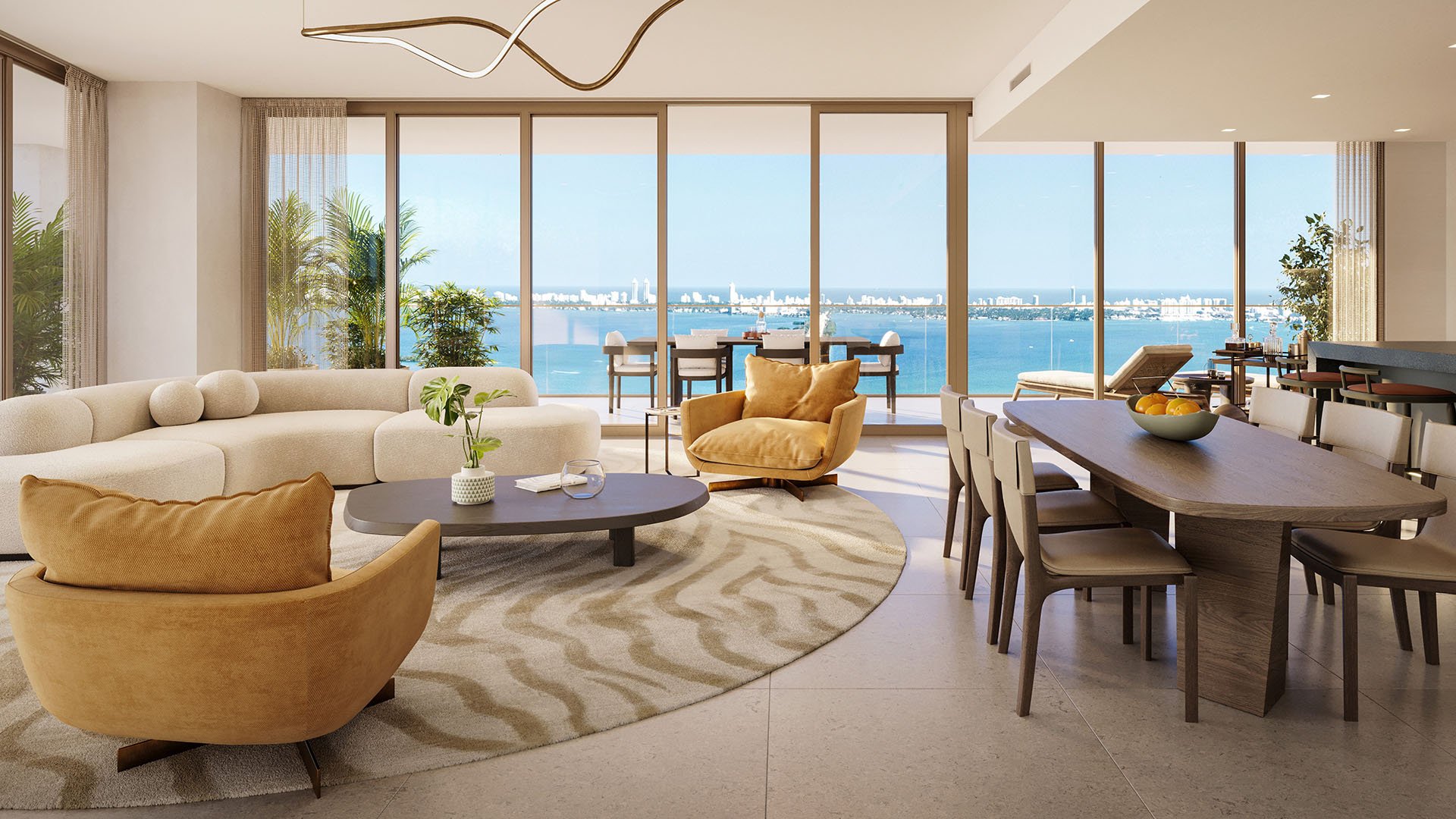
In Miami’s most design-forward corridors, luxury has shifted from square footage to orchestration. A beautifully finished residence is now the baseline. The differentiator is what happens after you close the door: the doorman who already knows your preferences, the package that arrives without a text chain, the car brought around quietly, the last-minute dinner reservation that feels effortless.
That is the promise behind hospitality-driven living, and it is why a head-to-head like Kempinski Residences vs Miami Tropic Residences resonates with buyers who value time as much as architecture. In a neighborhood defined by curated retail, gallery-level design, and a highly public street scene, the right service model can convert energy into ease. The wrong one can make daily life feel exposed.
Because publicly disclosed specifics are limited here, MILLION Luxury’s approach is to give you a rigorous buyer framework: how to evaluate hospitality DNA, how to pressure-test privacy in a high-visibility district, and how to choose an operating philosophy that fits your lifestyle and ownership plan.
Hospitality language is often used loosely. For serious buyers, it should translate into an operating standard you can test.
Service depth, not just service availability.
A lobby attendant is not the same as a trained residential team with escalation paths, established vendor relationships, and a consistent standard of discretion. Ask what is handled in-house versus outsourced, and what coverage looks like when the primary manager is off-duty.
Arrival choreography.
In the Design District, arrivals are often the clearest stress test. A truly hospitality-led building controls the experience: valet flow, private entry options, elevator-access logic, and how guests are welcomed without creating friction for residents.
Housekeeping and home care as infrastructure.
The most valuable “amenity” is rarely a photogenic lounge. It is the ability to keep a residence guest-ready on short notice. Evaluate whether optional services are embedded in building operations or treated as improvised add-ons.
Owner privacy is an operating policy.
Privacy is not only architectural. It is procedural: guest protocols, package handling, vendor access, and staff training designed to minimize personal exposure.
When Kempinski is part of the conversation, buyers often gravitate toward a clear expectation: a classic, hotel-trained mindset that treats consistency as luxury. The appeal is understated. It is less about spectacle and more about a daily cadence that feels composed.
For a Design District buyer, the Kempinski-style proposition often reads as:
Predictability.
You want the building to operate the same way on a Tuesday in August as it does during a major art week.
Discretion-first staffing.
Service is present, but never performative.
Standards and systems.
The building’s culture is built around repeatable excellence, not personality-driven heroics.
If you value being “known” by the team without being visible to the outside world, this posture can be especially compelling in a neighborhood where foot traffic and attention are part of the scenery.
By contrast, Miami Tropic Residences signals a different hospitality ambition-local, modern, and lifestyle-led. Buyers who respond to this model often want a home that feels aligned with Miami’s current moment, not simply an international standard.
In practice, a Miami-forward hospitality concept tends to emphasize:
Flexibility.
Service designed around fluid schedules, social calendars, and last-minute decisions.
Indoor-outdoor living support.
Building operations can materially improve how terraces, pools, and wellness routines function day to day.
A sense of cultural proximity.
In and around the Design District and Wynwood, the boundary between home life and city life is thin. A lifestyle-driven residence aims to make that boundary feel deliberate.
The key buyer question is whether the building’s identity is strong enough to remain timeless, even as neighborhood tastes evolve.
The Design District rewards residents who want to live on foot. You are close to dining, retail, and galleries, and your schedule can feel lighter because you are not constantly planning the next drive.
But that same street-level vitality introduces three practical issues sophisticated buyers should test early:
1) Acoustic resilience.
High design is not automatically high performance. Look for real-world quiet: window specifications, corridor acoustics, and how amenity zones are separated from residences.
2) Elevator and lobby exposure.
In high-traffic areas, common spaces are where privacy is won or lost. Ask how guest access is controlled and whether there are options that keep resident movement discreet.
3) Service logistics.
Deliveries, vendors, and move-ins are constant in Miami. A hospitality-led building should make these invisible-not merely managed.
For buyers weighing a branded or hospitality-guided lifestyle beyond the district, compare how other markets execute it. For example, Brickell’s new wave of service-focused towers, like Cipriani Residences Brickell and St. Regis® Residences Brickell, tends to place a premium on arrival experience and resident-only flow. The Design District asks for the same discipline, with even more pressure from the neighborhood’s public-facing energy.
Without leaning on unverified specifics, here is the cleanest decision framework MILLION Luxury recommends.
If you prefer a residence that behaves like a legacy hotel in its rigor and restraint, Kempinski’s service culture is the stronger conceptual fit. If you want hospitality that feels current, social, and shaped by Miami’s lifestyle, Miami Tropic’s positioning will likely feel more natural.
Ask each team to walk you through three moments: a high-profile guest arrival, a vendor visit while you are away, and a package delivery when you are traveling. The winner is not the one with the most polished script, but the one with the least friction.
Hospitality amenities should function like a well-run club. Poolside service, wellness programming, and resident events are only valuable if the building can execute them consistently-and quietly.
If your Miami residence is a second home, prioritize service infrastructure that keeps the property ready without constant oversight. Think preventative maintenance access, trusted vendor coordination, and housekeeping that is seamless.
Even in a tight comparison, buyers usually separate into distinct profiles.
Kempinski-leaning buyer
You value discretion, order, and a sense of calm that is independent of the neighborhood’s tempo. You want the staff to be excellent without being overly familiar, and you prefer an environment that feels composed in every season.
Miami Tropic-leaning buyer
You want your home to feel embedded in Miami’s cultural present. You may entertain more, keep a more fluid calendar, and prefer hospitality that supports spontaneity as much as routine.
If you are evaluating other hospitality-adjacent living across Miami Beach, note how oceanfront brands often translate service into wellness and privacy. A property like The Perigon Miami Beach can be a useful reference point for how a residence can feel both socially connected and highly controlled.
In luxury real estate, branding shapes first impressions, but operations sustain value. The most resilient hospitality-driven residences tend to share three traits:
A durable service standard that survives leadership changes.
An owner demographic aligned with the rules. A building’s culture is created by what residents tolerate.
Clear policies around guests and use.
Ambiguity is rarely luxurious.
If your plan includes renting, focus on governance. Some buyers want the freedom of flexibility; others prioritize a quieter building culture that protects privacy. Your ideal choice is the one whose operating posture matches your ownership intent from day one.
Choose Kempinski Residences if you want hotel-grade discretion and consistency as your daily baseline. Choose Miami Tropic Residences if you want a Miami-native interpretation of hospitality that supports a more fluid, lifestyle-forward rhythm.
What is hospitality-driven living in a condominium context? It is a service model where staffing, standards, and resident support are core, not incidental.
Is a hospitality-led residence the same as a condo-hotel? Not necessarily; some are strictly residential, while others incorporate hotel-like services or rules.
What should I ask on a tour to verify service quality? Ask about staffing coverage, guest protocols, and how maintenance and deliveries are handled.
How important is arrival experience in the Design District? Extremely; it is where privacy, security, and convenience are tested every day.
Do amenities matter more than unit interiors in these buildings? They matter when they are operationally excellent; poorly run amenities add little real value.
Which is better for a second home: Kempinski or Miami Tropic? The better fit is the one with stronger home-care infrastructure and clearer owner support.
How do I evaluate privacy beyond the floor plan? Review elevator access, guest entry rules, vendor access procedures, and staff discretion policies.
Will branding alone protect resale value? Branding helps, but long-term value typically tracks building operations and resident culture.
Is the Design District a good fit for buyers who want quiet? It can be, if the building is designed and managed to buffer street activity effectively.
What is the fastest way to decide between two hospitality concepts? Pick the service philosophy you want every day: consistent discretion or lifestyle flexibility.
For a confidential assessment and a building-by-building shortlist, connect with MILLION Luxury.
If branded residences are on your mind — as a home or as an allocation — we would be glad to share what we are seeing, privately.
Begin a quiet conversation