
Strong luxury rental restrictions are increasingly part of the ownership conversation in South Florida. For high-net-worth buyers, the issue is not only whether a residence can be rented, but what the rules reveal about privacy, building culture, liquidity, and long-term control.

In South Florida’s upper tier, rental restrictions are rarely a minor footnote. They are a declaration of what a building, island enclave, or private residential community intends to be. Leasing rules shape who enters the property, how often residences turn over, whether staff recognize residents, and how quietly common spaces operate during peak season.
For a buyer considering a waterfront condominium, branded residence, or private community, the question is not simply whether Rent is permitted. The more revealing question is what kind of ownership experience the restrictions are designed to protect. A residence that sharply limits transient use may appeal to a buyer prioritizing discretion, continuity, and a calm service environment. A residence with more flexible leasing may better suit a buyer seeking optionality, seasonal income potential, or a less rigid hold strategy.
Neither model is inherently superior. The right answer depends on lifestyle, portfolio intent, family usage, and how much control the buyer expects from a property that may also represent a significant Investment.
South Florida’s appeal rests on a rare combination: waterfront living, tax-conscious relocation, international demand, resort-level services, and an expanding collection of architecturally ambitious residences. In that context, rental policy becomes part of the brand promise.
A buyer looking at Baccarat Residences Brickell may be evaluating an urban lifestyle with access, services, and liquidity in mind. A buyer drawn to The Perigon Miami Beach may be more focused on coastal privacy, design pedigree, and a quieter rhythm of ownership. In each case, the leasing framework deserves the same scrutiny as floor plans, views, amenities, and monthly carrying costs.
Restrictions can affect several practical areas: minimum lease duration, number of leases allowed per year, approval procedures, tenant screening, guest registration, move-in protocols, and amenity use by non-owners. In the luxury segment, these details are not administrative clutter. They influence the building’s atmosphere and, over time, the expectations of future buyers.
The most important distinction is between Short-term-rentals and Long-term-rentals. Short stays can create hotel-like energy, which may support certain income-oriented strategies but can be less compatible with buildings designed around resident familiarity and controlled access. Longer leases generally preserve more continuity, though they still require careful review of approval rights, renewal limits, and practical enforcement.
For buyers, the difference is not only financial. It affects elevator traffic, valet patterns, pool-deck behavior, concierge workload, and the degree to which neighbors feel like a stable residential community. The strongest luxury addresses tend to be clear about the experience they intend to curate, whether that means flexibility, privacy, or a measured balance of both.
This is especially relevant in markets where second-home usage is common. A residence may sit empty for meaningful portions of the year, making rental flexibility appealing. Yet the same owner may also value a building where the lobby does not feel transient. That tension sits at the center of the South Florida ownership question.
At the very top of the market, privacy is a form of amenity. Owners are not only buying square footage and view corridors. They are buying predictability, security, and the comfort of knowing that the property’s social environment is governed by rules that match their expectations.
In places such as Surfside, where projects like The Delmore Surfside speak to a quieter coastal audience, buyers often pay close attention to how residential the daily experience will feel. In Sunny Isles, a purchaser considering Bentley Residences Sunny Isles may be drawn to a different expression of luxury, but the same due diligence applies: does the rental policy reinforce the lifestyle being sold?
Restrictions can also reduce friction among residents. When everyone understands the building’s leasing posture before closing, expectations are cleaner. That clarity can protect the tone of the property, particularly in high-service residences where staff, management, and residents interact frequently.
Rental restrictions can support long-term value by preserving exclusivity, but they can also narrow the buyer pool. A purchaser who needs income flexibility may hesitate if leasing is limited. A purchaser who prioritizes privacy may avoid a building that allows frequent turnover. This is why the best acquisition strategy begins with a candid exit analysis.
If the residence is intended as a primary home, strict rules may be an advantage. If it is a seasonal retreat, the owner must decide whether personal use outweighs potential rental income. If it is part of a broader portfolio, the rental framework should be tested against carrying costs, vacancy tolerance, and the owner’s time horizon.
In Brickell, liquidity can be a major part of the conversation because the buyer base is broad and internationally aware. In lower-density coastal or island settings, the calculus may be more personal: the property is not merely an asset, but a controlled environment for family, guests, and staff.
Before committing, buyers should review the governing documents, association rules, application procedures, and any amendments addressing rentals. The goal is to understand both written policy and practical culture. A building may have rules that look permissive on paper but operate conservatively in practice, or rules that appear strict yet still allow a workable long-term leasing strategy.
Key questions include how long a lease must be, how often the unit may be leased, who approves tenants, what fees apply, whether renewals are treated as new leases, and whether family or guest use is treated differently from third-party rental use. Buyers should also ask how violations are handled and whether proposed changes to leasing rules have been discussed.
In Bay Harbor Islands, for example, a wellness-oriented buyer considering The Well Bay Harbor Islands may view rental policy through the lens of atmosphere and resident continuity. The more carefully those expectations are confirmed before closing, the less room there is for surprise later.
Strong rental restrictions are not merely barriers. In the right property, they can be an essential part of the value proposition. They protect rhythm, privacy, and the residential character that many luxury buyers seek when they choose South Florida over more transient resort markets.
Still, restrictions must be matched to the buyer’s actual use case. A family planning long seasonal stays may welcome a conservative policy. A global owner with uncertain travel patterns may prefer flexibility. An investor may need leasing latitude, while an end user may be willing to sacrifice optionality for serenity.
The most sophisticated buyers do not treat rental rules as an afterthought. They read them as a map of ownership culture: who the building is for, how it expects to function, and what kind of daily life it is designed to preserve.
Why do luxury buildings restrict rentals? Restrictions can help preserve privacy, reduce turnover, and maintain a more residential atmosphere.
Are strict rental rules always better for owners? Not always. They may support exclusivity, but they can limit flexibility for owners who want income options.
What is the main difference between short-term and long-term rentals? Short-term use usually creates more turnover, while long-term leasing tends to feel more residential.
Can rental rules affect resale? Yes. Some buyers value restrictions, while others need leasing flexibility, so rules can influence demand.
Should buyers review rental policies before making an offer? Ideally, yes. The rules can materially affect lifestyle, carrying strategy, and future exit options.
Do branded residences usually have the same rental policies? No. Each property can set its own framework, so buyers should review the specific documents.
Can association rules change after purchase? Rules may change through the procedures allowed by governing documents and applicable law.
Are rental restrictions only important for investors? No. End users also care because leasing policy shapes privacy, security, and building culture.
What should seasonal owners pay attention to? They should understand whether the property can be leased during unused periods and under what terms.
Who should help interpret rental documents? Buyers should work with qualified real estate and legal professionals familiar with luxury ownership structures.
For a discreet conversation and a curated building-by-building shortlist, connect with MILLION.
If branded residences are on your mind — as a home or as an allocation — we would be glad to share what we are seeing, privately.
Begin a quiet conversation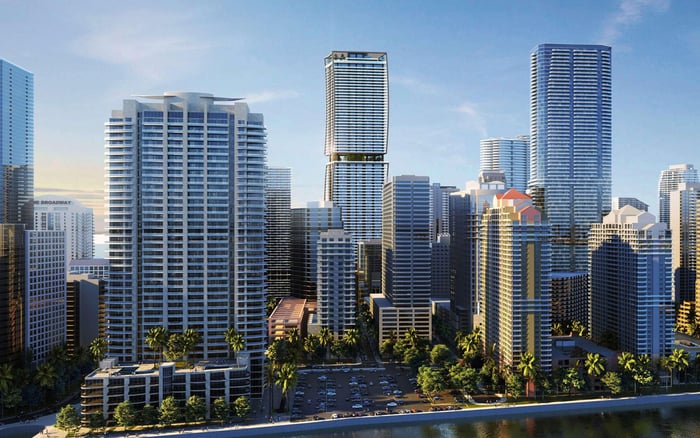

.jpg&width=700&height=438&fit=cover)