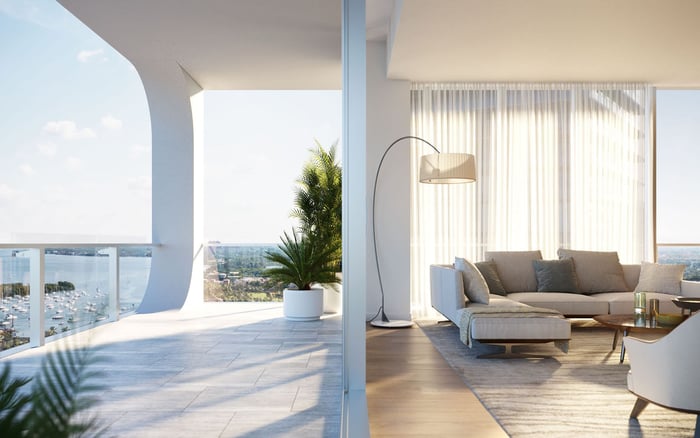
A discreet buyer’s guide to evaluating private-chef access in Grove Isle, from vendor approvals and elevator logistics to insurance, guest flow, staffing etiquette, and resale-minded service expectations.
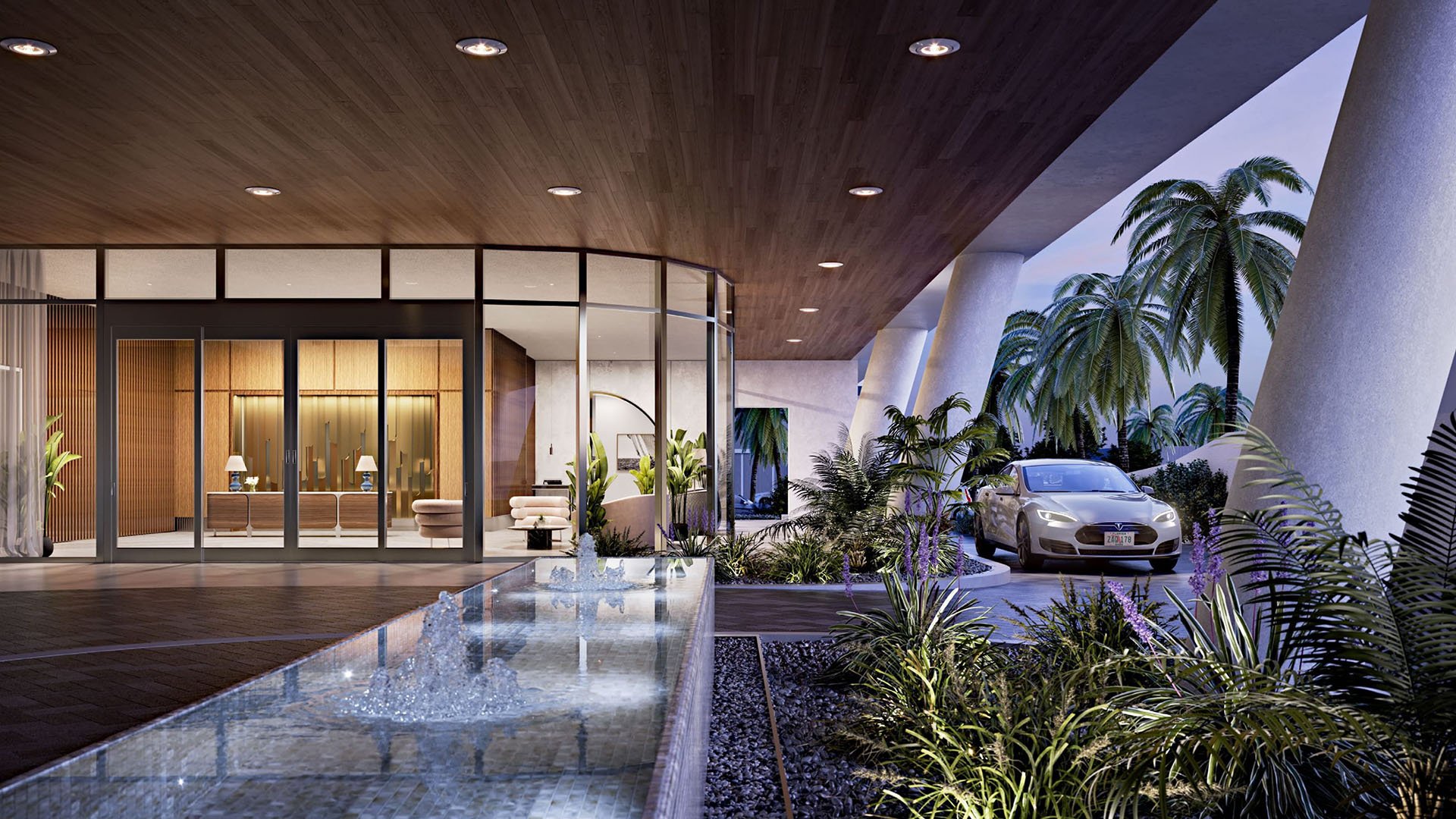
For a certain South Florida buyer, the question is no longer whether a residence can host a beautiful dinner. It is whether the building can support a private chef with discretion, predictability, and minimal friction. Living in Grove Isle brings that question into focus because buyers drawn to this enclave are often seeking a calmer residential rhythm, not a hotel lobby masquerading as home.
Private-chef access sounds indulgent, but at the high end it is fundamentally operational. It touches security, elevators, loading areas, insurance, staff movement, trash handling, noise, guest arrivals, and the unspoken etiquette of living among neighbors who also value privacy. A buyer considering Vita at Grove Isle should therefore treat culinary convenience as part of due diligence, not as an afterthought to views, finishes, or floor plan.
The right question is not simply, “Can I bring in a chef?” It is, “Can I do so often, elegantly, and within a framework that protects the residence, the staff, and the building’s tone?”
The first layer is permission. Buyers should understand whether outside chefs, servers, bartenders, sommeliers, florists, and event staff are treated as guests, vendors, domestic employees, or a separate category. Each classification can affect registration, entry points, insurance requirements, service hours, and the amount of advance notice the building expects.
The most refined buildings are not necessarily the most permissive. Strong access rules can be a luxury feature when they prevent lobby congestion, limit unknown foot traffic, and give staff a clear route from arrival to service. For owners who entertain frequently, ambiguity is the enemy. A vague answer at a showing can become a complicated evening once a chef arrives with coolers, equipment, assistants, and a timing-sensitive menu.
Buyers should ask for written policies where available, not verbal reassurance. A polished concierge culture can still depend on formal association rules, management discretion, and building-specific procedures. The goal is not to find a building with no rules. The goal is to find one whose rules match your lifestyle.
Private dining is choreography. Ingredients, glassware, floral arrangements, rentals, and staff all need to move through the building without disrupting the residential experience. Before purchasing, buyers should ask how outside culinary teams enter, where they unload, whether service elevators require reservations, and how deliveries are handled during peak hours.
The best residences for entertaining have kitchens that work beyond photography. A showpiece island matters less if the chef cannot stage ingredients, keep service discreet, or separate prep from the social area when guests arrive. Buyers should walk the kitchen as if an actual dinner is being prepared: where do the boxes go, where is the staff positioned, how is waste removed, and what happens if the event requires multiple trips downstairs?
This is also where floor plan comparisons become useful. A Grove Isle buyer may look at the broader Coconut Grove market, including Four Seasons Residences Coconut Grove, The Well Coconut Grove, or Park Grove Coconut Grove, not merely as alternative addresses but as reference points for how different buildings think about service, privacy, and daily ease. The value is in the comparison, even when the final preference remains Grove Isle.
There is a meaningful difference between a chef preparing a quiet family meal and a staffed dinner for a dozen guests. Buyers should ask whether the building distinguishes between routine domestic service and events that include multiple outside vendors, amplified music, rental equipment, or a larger guest list.
The most important word is frequency. A policy that works for two holiday dinners may not work for weekly private dining, a seasonal residence with regular entertaining, or an owner who expects chefs to come and go as part of daily life. If the home will function as a second home during peak Miami season, the buyer should ask how the building handles recurring vendor access when the owner is in residence for an extended stay.
Noise should also be discussed with precision. Private-chef service itself is usually quiet, but guest arrival patterns, cleanup, elevator use, and late departures can create friction. Sophisticated buyers do not assume that because an apartment is large, every kind of entertaining is appropriate. The more discreet approach is to understand the building’s culture before asking it to accommodate your habits.
A private chef is not just a culinary professional entering a home. In a condominium setting, that person may pass through common areas, use service elevators, handle equipment, and interact with building staff. Buyers should ask what documentation is required from outside vendors, including insurance, licenses where applicable, and any required acknowledgments of building rules.
Equally important is who coordinates the day-of experience. Does the owner communicate with management directly, or does the chef’s team handle approvals? Can a house manager or personal assistant manage the process? Are recurring vendors kept on file? These details can determine whether service feels seamless or burdensome.
Etiquette matters. In an ultra-premium building, staff should be invisible when discretion is required, supported when assistance is needed, and held to clear standards when working in shared spaces. Buyers with pets, children, overnight guests, or private-school schedules may have highly specific household rhythms. The building’s vendor protocol should support those rhythms without turning every dinner into a negotiation.
It is tempting to compare every private-chef question with hotel-branded or hospitality-influenced residences across Miami. That can be useful, but Grove Isle buyers should be careful not to confuse service intensity with residential comfort. Some owners want a highly programmed environment. Others want a quieter home that allows elevated service when requested.
A buyer who is also considering Brickell, perhaps at 2200 Brickell, may be weighing a more urban rhythm against the composed character that draws people toward Grove Isle. The question is not which setting is more luxurious in the abstract. It is which setting best supports the way the owner actually lives, entertains, and protects personal time.
For private-chef access, the ideal building is neither chaotic nor rigid. It offers structure without theatricality, privacy without inconvenience, and enough operational clarity that an owner can host beautifully without becoming the project manager of the evening.
A serious buyer should ask for specifics in writing whenever possible. Who approves outside chefs? How much notice is required? Are service elevators reservable? Are there blackout periods? Can vendors access the unit when the owner is absent? Are assistants, servers, and bartenders treated differently from the chef? Are delivery vehicles permitted to wait? What happens if the chef brings specialty equipment?
Also ask about cleanup. Where does catering waste go? Are there restrictions on disposing of boxes, ice, flowers, bottles, or food waste? Can staff remain after a certain hour to restore the kitchen? A residence can host an exquisite dinner and still fail the owner if the next morning begins with unresolved logistics.
Finally, consider resale. Future buyers in this tier may care deeply about the same issue, even if they describe it differently. They may ask about entertaining, household staff, wellness chefs, kosher kitchens, wine service, or seasonal hosting. A residence with clear, elegant answers can feel more complete than one that relies on improvisation.
Can Grove Isle buyers assume private chefs are allowed? No. Buyers should ask for the building’s current vendor and guest policies before relying on any assumption about outside culinary staff.
What is the most important private-chef question to ask first? Ask how outside chefs are classified and approved, because that can affect access, timing, documentation, and staff movement.
Should buyers request written rules? Yes. Written policies are preferable to casual assurances because they clarify expectations before closing and before the first dinner.
Do service elevators matter for private dining? Very much. Elevator access can determine how smoothly ingredients, staff, rentals, and cleanup move through the building.
Is a larger kitchen always better for private-chef use? Not necessarily. Layout, storage, staging space, ventilation, and circulation can matter as much as size.
Can frequent private-chef service create issues? It can if the building’s policies are designed for occasional entertaining rather than recurring culinary staff access.
Should a buyer ask about insurance requirements? Yes. Outside vendors may need to provide documentation, and buyers should understand those requirements before hosting.
How should buyers compare Grove Isle with Coconut Grove alternatives? Compare service rules, privacy, staff logistics, and the building’s overall residential tone rather than focusing only on amenities.
Does private-chef access affect resale value? It can influence buyer perception, especially among purchasers who entertain, employ household staff, or use the home seasonally.
What is the best sign that a building handles private-chef access well? Clear procedures, discreet staff coordination, and predictable vendor pathways usually indicate a more refined ownership experience.
If you'd like a private walkthrough and a curated shortlist, connect with MILLION.
If branded residences are on your mind — as a home or as an allocation — we would be glad to share what we are seeing, privately.
Begin a quiet conversation