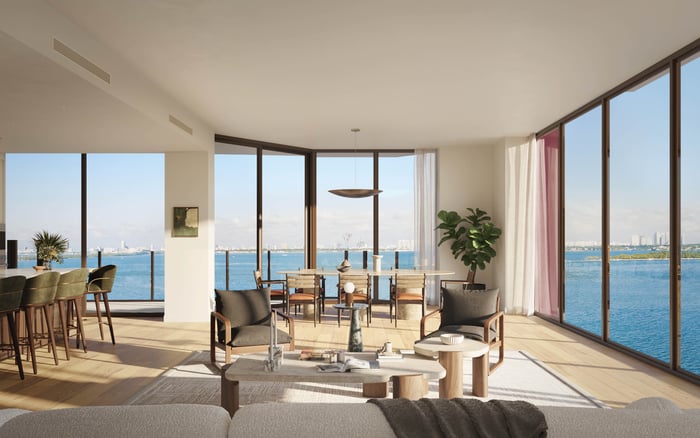
Outdoor audio rules are no longer a minor building detail. For South Florida penthouse buyers, they are becoming part of the quiet luxury conversation around privacy, hospitality, and long-term livability.
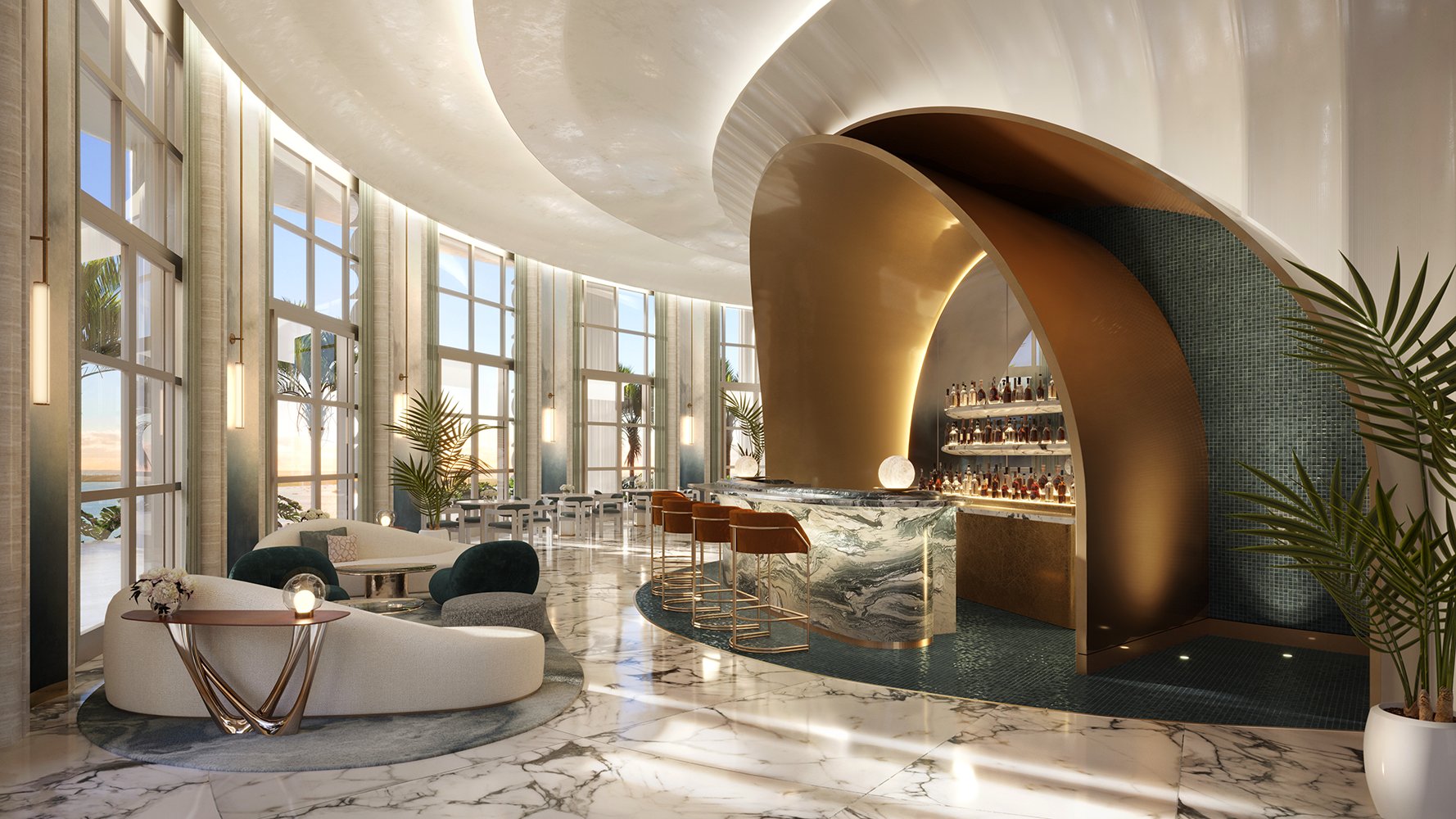
Penthouse living in South Florida has always promised a rare openness: sky, water, breeze, and the ease of entertaining without leaving home. Yet the most refined version of that lifestyle is not defined by volume. It is defined by control. Better outdoor audio rules are becoming a quiet luxury issue because they separate effortless hospitality from ambient intrusion.
A terrace can serve as a dining room, a salon, a morning coffee pavilion, or a late-night place to look over the city. A balcony may be more intimate, but it carries the same acoustic responsibility. In both settings, sound is part of the architecture. When it is calibrated, it recedes into the evening. When it is not, it becomes the first thing anyone remembers.
For the South Florida penthouse buyer, the point is not to make outdoor living silent. It is to make it civilized. Music should support conversation, soften the mood, and respect the vertical community around it. That is the essence of quiet luxury: the confidence to enjoy the best spaces without announcing oneself to the entire skyline.
Outdoor audio used to be treated as an afterthought, added once the furniture plan was complete. In a contemporary penthouse, that approach feels dated. The terrace is now part of the livable footprint, and its soundscape deserves the same attention as lighting, landscaping, and furniture placement.
South Florida’s most desirable vertical neighborhoods make this especially relevant. In Brickell, where towers, glass, and water views create a layered urban setting, sound does not remain neatly within a property line. A buyer considering The Residences at 1428 Brickell is not only evaluating floor height and outlook. The more nuanced question is how the building culture handles private enjoyment in a shared luxury environment.
The best outdoor audio rules are not punitive. They are design standards. They guide speaker placement, discourage excessive bass, clarify approval procedures, and help residents understand what kind of system belongs outdoors. In a serious building, the goal is not to reduce pleasure. It is to preserve the quality of everyone’s evening.
At the top of the market, etiquette has financial weight. Buyers pay for privacy, but they also pay for confidence. They want to know that the terrace next door will not become an uncontrolled sound stage, and that their own entertaining can be handled without awkward complaints or improvisation.
This is where better rules create an etiquette premium. Clear policies give residents a framework before problems arise. They can define expectations for permanent equipment, portable speakers, subwoofers, outdoor televisions, live entertainment, and guest use. They can also help management respond with consistency rather than personal judgment.
In Miami Beach, where indoor-outdoor living is central to the lifestyle, buildings that treat sound as part of residential design feel more mature. A purchaser weighing The Perigon Miami Beach may naturally focus on architecture, arrival, and views. Yet the invisible details, including terrace conduct, often determine how graceful the ownership experience feels after closing.
Quiet luxury is not fragile. It can include dinners, birthdays, sunset drinks, and music. But it asks those moments to remain proportionate. The most desirable buildings do not confuse energy with excess.
Luxury architecture often amplifies the stakes of sound. Stone, glass, water, and hard terrace surfaces can make audio behave differently than it does indoors. A speaker that feels modest inside may feel sharper outside. Bass can travel with surprising persistence. Reflections can make one residence’s playlist feel present in another home.
That is why thoughtful outdoor audio rules should be understood as a form of architectural protection. They preserve the intention of the building. They keep terraces elegant. They prevent visual clutter from improvised equipment and acoustic clutter from poorly placed systems.
Oceanfront residences deserve particular care because the setting itself is already powerful. The sound of wind, surf, and conversation is part of the value proposition. In Surfside, where restraint and privacy are central to the mood, a buyer looking at The Delmore Surfside can appreciate why the most refined outdoor spaces need governance as much as they need beauty.
Good rules also help designers. When expectations are clear, architects, AV consultants, and interior teams can plan systems that feel integrated rather than imposed. The result is cleaner detailing, better performance, and fewer conflicts between aesthetics and operations.
A sophisticated buyer should treat outdoor audio with the same seriousness as storage, service access, parking, and elevator privacy. The questions are simple, but revealing. Are permanent exterior speakers permitted? Is board approval required? Are subwoofers restricted outdoors? Are there standards for concealment, wiring, and equipment location? How are complaints handled? Are rules different for private terraces, shared amenity decks, and rooftop areas?
The answers say a great deal about the building’s culture. A vague policy may signal future friction. A thoughtful policy suggests that the building understands high-value living as a balance between discretion and enjoyment.
This applies across markets. In Sunny Isles, where large terraces and dramatic outlooks are central to the high-rise experience, a residence such as Bentley Residences Sunny Isles invites buyers to think beyond the view. How that view is experienced at dinner, with guests, music, and nearby neighbors, is part of the real luxury equation.
Buyers should also distinguish between occasional entertaining and everyday atmosphere. A properly designed system for low-volume background music is very different from a portable setup intended to dominate a gathering. The former can feel seamless. The latter can feel temporary, even in an expensive home.
The best policies are clear, elegant, and easy to follow. They do not need to read like a warning label. They can be written as a house standard that reflects the tone of the property. In many ways, outdoor audio rules belong beside valet protocol, pet etiquette, pool conduct, and private event guidelines.
A light-touch approach works best when it is specific. Rules should identify what requires approval, what is discouraged, and who has authority to address a concern. They should also account for the difference between integrated design and ad hoc equipment. A discreet, professionally planned system is not the same as a speaker placed at the glass rail for maximum projection.
For owners, this creates freedom. It is easier to entertain when the expectations are known. It is easier to invest in a proper system when approval standards are transparent. It is easier to be a good neighbor when the building has already translated courtesy into practical terms.
Resale in the luxury market is shaped by more than finishes and views. It is shaped by confidence in the daily experience. A buyer walking a penthouse terrace is imagining mornings, dinners, family visits, and evenings with friends. If the building’s sound culture feels uncontrolled, that imagination becomes less serene.
Better outdoor audio rules support resale because they protect the promise of the residence. They reinforce privacy. They reduce uncertainty. They help maintain a residential tone even in buildings designed for extraordinary leisure.
This is not about making South Florida less social. It is about making luxury more enduring. The finest penthouses are not remembered for how loudly they entertain. They are remembered for how beautifully they hold a moment.
Why do outdoor audio rules matter in a South Florida penthouse? They protect privacy, comfort, and the quality of indoor-outdoor living in a shared luxury building.
Are outdoor speakers always a problem? No. Integrated, well-placed speakers used at appropriate levels can support elegant entertaining without dominating neighboring residences.
What should buyers ask about terrace audio before purchasing? Ask whether permanent speakers, subwoofers, portable systems, and exterior wiring require approval or are restricted.
Do better audio rules reduce the ability to entertain? Not when written well. The goal is to support hospitality while preventing sound from becoming intrusive.
Why is bass often treated differently from general volume? Bass can travel through structures and open air in ways that feel more persistent than ordinary background music.
Should audio rules apply to private terraces and shared amenities? Yes, but the standards may differ because private and shared spaces create different expectations and impacts.
Can outdoor audio affect resale appeal? It can. Buyers value confidence that terrace living will remain private, calm, and well managed.
What makes an outdoor audio policy feel luxurious? Clarity, discretion, consistency, and respect for design make a policy feel refined rather than restrictive.
Should buyers involve an AV consultant before installing speakers? Yes, especially for a penthouse terrace where placement, wiring, and sound direction require careful planning.
What is the core principle behind quiet luxury audio? Music should enhance the atmosphere of the residence without becoming the atmosphere for everyone else.
For a tailored shortlist and next-step guidance, connect with MILLION.
If branded residences are on your mind — as a home or as an allocation — we would be glad to share what we are seeing, privately.
Begin a quiet conversation