
A private showing is not only about finishes and views. For South Florida luxury buyers, it is the moment to test whether a building’s rules match the life they intend to live.

In South Florida’s upper tier, a private showing is often choreographed around light, volume, water views, materials, and arrival sequence. Yet the most consequential part of the visit may be less photogenic: the house rules. They determine whether a residence can support the owner’s rhythm, from a quiet winter season to a guest-filled holiday, a dog’s daily walk, a visiting chef, or a renovation timeline.
For a luxury buyer, rules are not administrative clutter. They are the building’s operating system. The right rules preserve privacy, order, security, and asset quality. The wrong rules, or simply the wrong fit, can turn a spectacular residence into a daily negotiation.
The goal during a showing is not to interrogate staff or derail the tour. It is to observe carefully, ask with precision, and determine whether the building’s culture aligns with your life before emotion hardens into commitment.
The test starts before you enter the residence. Notice how you are received, whether your name is expected, how identification is handled, and whether staff communicate with confidence or improvisation. A building’s arrival protocol reveals how it treats privacy, vendors, guests, and unexpected movement.
In a high-service environment such as The Residences at 1428 Brickell, the question is not simply whether service exists, but how it is governed. Ask how guests are announced, whether deliveries are brought up or held, how private elevators are controlled, and whether domestic staff or drivers require registration.
Be especially attentive to friction points. If your lifestyle includes frequent entertaining, family offices, household staff, or security personnel, the rules around access matter as much as the floor plan. A discreet question such as, “How does the building prefer owners to coordinate recurring guests or staff?” can reveal whether procedures are polished or burdensome.
Pet policies are among the most underestimated house rules in luxury condominiums. They may address number, size, breed, elevator use, service corridors, amenity access, waste areas, and registration requirements. Even when a building is pet-friendly, the lived experience can vary dramatically.
During the showing, ask where residents typically walk dogs, which elevators are used, and whether there are time or route preferences. Watch how staff respond. A relaxed, specific answer suggests the building has absorbed pet ownership into its daily rhythm. A vague answer warrants deeper review.
This matters in waterfront and urban locations alike. A buyer considering Miami Beach living may prioritize beach proximity and outdoor access, while a Brickell buyer may focus on vertical logistics and elevator protocol. The practical label in your search file may simply read Pets, but the real question is whether the building makes pet ownership feel graceful.
Rental rules shape the character of a building. They influence lobby traffic, security posture, owner familiarity, amenity atmosphere, and resale appeal. Even if you intend to occupy the residence full time, you should understand minimum lease terms, frequency limits, approval procedures, tenant registration, and guest distinctions.
Ask neutrally: “How does the association handle leases and extended guests?” This avoids sounding speculative while opening the door to practical detail. If the answer is casual, ask what is written in the governing documents. Verbal comfort is useful, but written authority controls.
For owners evaluating resort-oriented corridors or flexible seasonal use, Short-term-rentals deserve particular attention. Buildings that feel serene during a private appointment may operate very differently during peak travel weeks if the rules allow frequent turnover. The inverse can also be true: strict rental rules may preserve atmosphere but reduce flexibility for second-home owners.
A tour of amenities should be more than a visual inspection. Ask how spaces are reserved, whether guests may use them without the owner present, how many guests are permitted, whether catering is allowed, and how fees or deposits are handled. The pool deck, spa, club room, screening room, fitness center, and private dining spaces each have their own culture.
At buildings with a highly designed amenity program, such as The Perigon Miami Beach, the rules behind access can be as important as the design. A beautiful dining room is only useful if reservation policies match how you entertain. A wellness suite is only valuable if guest access and scheduling fit your household.
In Sunny Isles, where many buyers compare oceanfront towers with robust amenities, ask how beach service, valet, pool seating, and guest parking operate during high season. A property such as Bentley Residences Sunny Isles may attract buyers focused on arrival experience and privacy, making operational rules central to the purchase decision.
The most expensive surprise is often not a defect. It is a restriction. Before falling in love with a residence that needs personalization, ask about renovation windows, contractor insurance, elevator padding, noise hours, deposits, design review, flooring rules, waterproofing requirements, and terrace limitations.
Terraces deserve special scrutiny in South Florida. Outdoor furniture, planters, grills, lighting, audio, hurricane preparation, and storage may all be governed by written rules. A terrace that looks expansive during a showing may have strict limits on how it can be furnished or used.
New-construction buyers should not skip this step. New buildings may feel more flexible because everything is fresh, but they can also have detailed standards designed to protect architecture, systems, and neighbor experience. The question should be direct: “If an owner wanted to customize millwork, lighting, flooring, or terrace furnishings, what approvals would be required?”
Rules are written, but culture is observed. During the showing, notice whether residents greet staff by name, whether common areas feel calm, whether vendors are visible, whether amenity spaces are crowded, and whether the building feels residential or transient. None of these impressions replaces document review, but they help identify what deserves closer investigation.
In quieter enclaves such as Bay Harbor Islands, buyers may place particular weight on daily calm, wellness routines, and neighborhood scale. A residence like The Well Bay Harbor Islands illustrates why rule alignment matters: the value proposition is not only the private residence, but the way the building supports a measured lifestyle.
Ask your advisor to separate three categories after the showing: rules that are acceptable, rules that require document confirmation, and rules that could affect offer structure. This turns impressions into leverage before the negotiation advances.
Before submitting an offer, request and review the relevant governing documents, application procedures, fee schedules, leasing provisions, pet policies, renovation guidelines, and current rules for amenities and access. If a rule is material to your purchase, do not rely on memory from the showing.
Your internal brief should be plain. It may include Brickell for access expectations, Miami Beach for guest and beach routines, Sunny Isles for valet and amenity flow, Pets for daily logistics, Short-term-rentals for building character, and New-construction for customization controls. The simpler the labels, the easier it is to keep lifestyle risk visible.
A private showing should leave you with more than an emotional favorite. It should produce a clear answer to a refined question: can this building protect the life you are buying, not just the residence you are touring?
When should I ask for the house rules? Ask during or immediately after the private showing, then review the written documents before offer terms become firm.
Can I rely on what staff or a sales representative says? Treat verbal answers as helpful guidance, but confirm anything important in the governing documents or written building materials.
What pet rules should luxury buyers review? Review number, size, breed, registration, elevator use, walking areas, amenity limits, and any fees or approval requirements.
Why do rental rules matter if I will not rent the residence? Rental rules influence privacy, security, lobby traffic, amenity atmosphere, and the long-term residential character of the building.
What should I ask about guests? Ask how guests are announced, registered, parked, admitted to amenities, and handled when the owner is not present.
Are terrace rules negotiable? Usually they are building standards rather than deal terms, so review restrictions before assuming furniture, grills, lighting, or planters are allowed.
What renovation rules are most important? Focus on work hours, contractor approval, insurance, deposits, elevator access, flooring standards, noise limits, and design review.
How can I test building culture during a short showing? Observe staff confidence, resident behavior, amenity activity, vendor flow, lobby calm, and how clearly questions are answered.
Should house rules affect my offer? Yes, if a rule changes use, cost, timing, flexibility, or resale comfort, it should be reflected in your diligence and negotiation strategy.
Who should review the final documents with me? Use experienced real estate, legal, and advisory professionals who understand luxury condominium governance and your intended lifestyle.
For a discreet conversation and a curated building-by-building shortlist, connect with MILLION.
If branded residences are on your mind — as a home or as an allocation — we would be glad to share what we are seeing, privately.
Begin a quiet conversation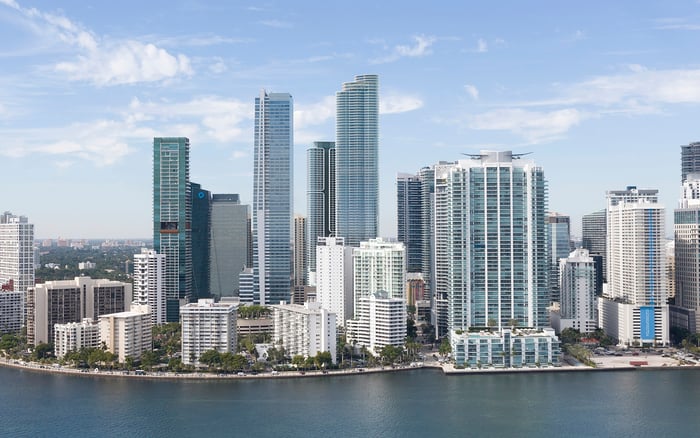

.jpg&width=700&height=438&fit=cover)