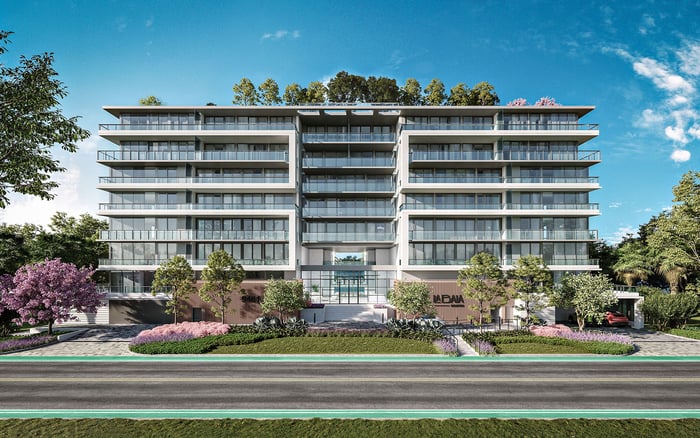
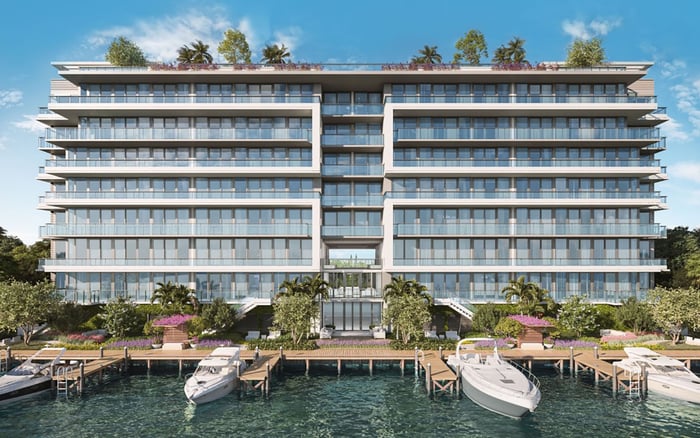
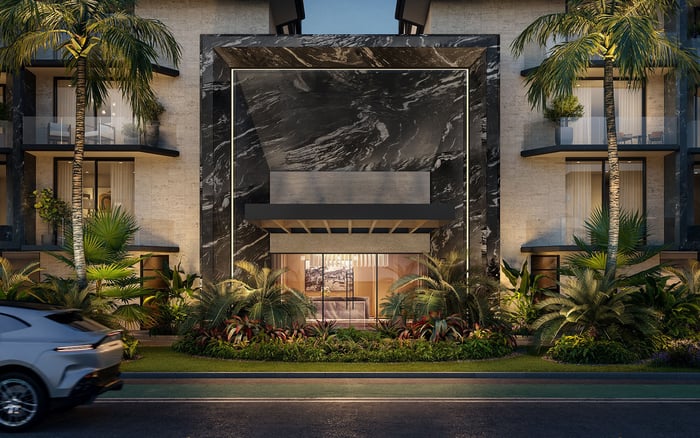
A buyer-oriented comparison of The Well Bay Harbor Islands and La Baia North Bay Harbor Islands, focused on brand signal, governance review, waterfront expectations, and resale discipline.
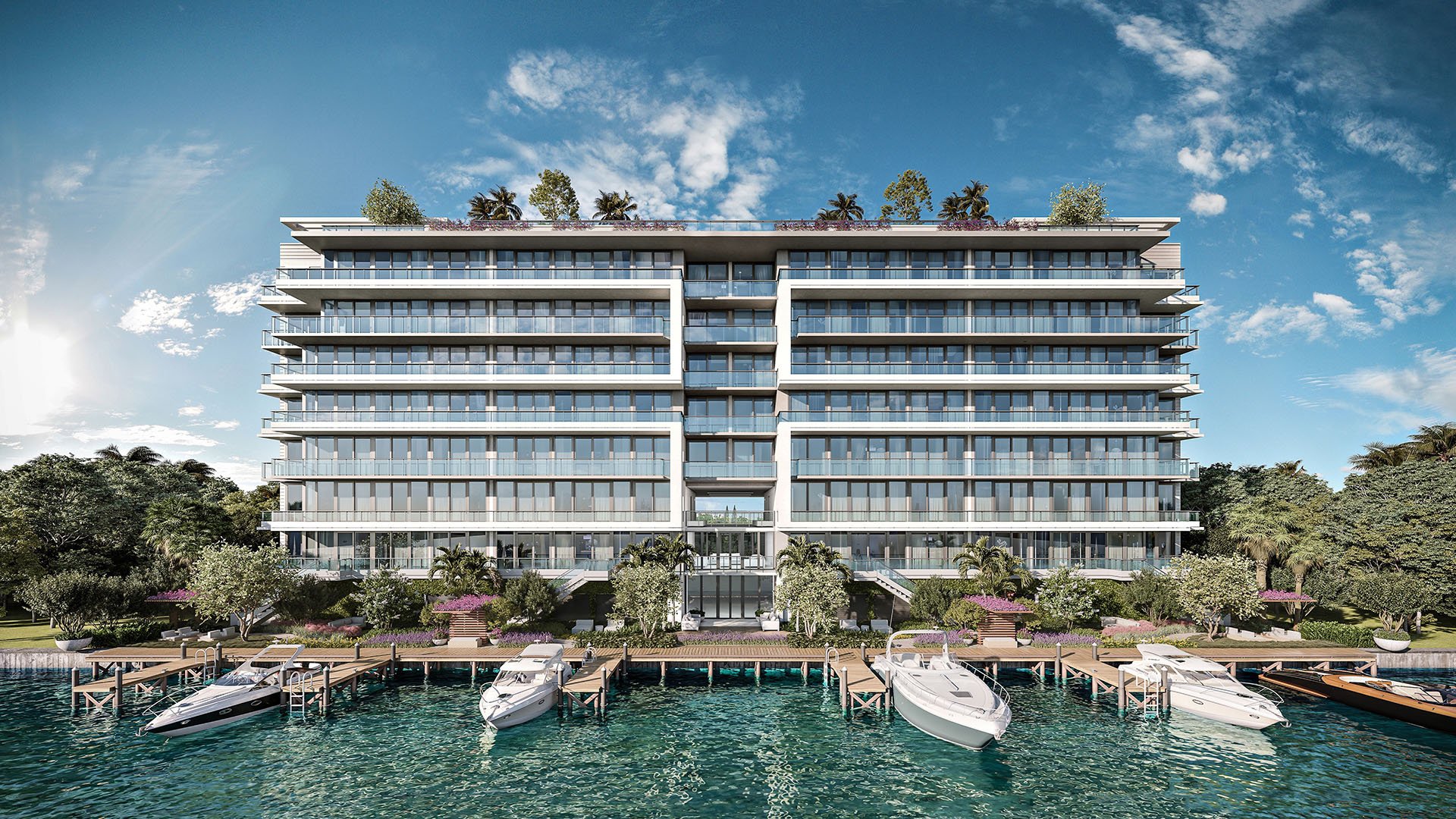
For sophisticated buyers, the comparison between The Well Bay Harbor Islands and La Baia North Bay Harbor Islands is not simply about which name feels more polished. It is about how a residential brand translates into daily life, how the condominium is governed after closing, and how clearly a future buyer will understand the asset when it returns to market.
Both residences belong within the Bay Harbor Islands conversation, a micro-market often considered by buyers who want water, privacy, proximity to Bal Harbour and Miami Beach, and a quieter cadence than the most exposed oceanfront corridors. Yet the phrase “oceanfront home” requires discipline here. A buyer should distinguish true oceanfront, bayfront, waterfront, canal frontage, and waterview positioning before assigning value. The premium is not just the water. It is the quality of exposure, the privacy of the view corridor, the resilience of the building, and the liquidity of the address.
Boutique luxury succeeds when the brand promise is legible and durable. The Well Bay Harbor Islands carries a wellness-centered identity, which may appeal to buyers who want their residence to feel calm, curated, and service-aware. La Baia North Bay Harbor Islands should be evaluated as its own project identity, not folded casually into a broader La Baia reference. That distinction matters because resale buyers search, compare, and remember names with precision.
Brand prestige can frame a property, but it cannot replace hard review. Buyers should look beyond the language and study the condominium documents, budget, insurance structure, use restrictions, rental rules, and the degree of control retained by the sponsor before turnover. In a market where design narratives can be persuasive, governance discipline is the quiet luxury that protects ownership.
Bay Harbor Islands also includes other residential references such as Onda Bay Harbor and Origin Bay Harbor Islands. Those comparisons can be useful not because every building competes in the same way, but because buyers can observe how each project positions privacy, scale, water, and residential identity.
The most elegant lobby cannot offset weak association planning. Before selecting between The Well Bay Harbor Islands and La Baia North Bay Harbor Islands, a buyer should ask how the association will operate once the developer period gives way to owner governance. That means reading the budget, understanding assessment risk, reviewing insurance obligations, and clarifying whether amenities are association-owned, shared, licensed, or separately controlled.
Reserve planning is especially important in South Florida. Buyers should not assume that a newer residence eliminates long-term obligations. Exterior maintenance, mechanical systems, waterfront elements, security, staffing, and insurance all shape the monthly cost of ownership. A disciplined buyer will ask whether the published carrying cost reflects the full expected experience or only the early phase of ownership.
Rental policy also deserves attention. Some buyers want flexibility for future investment use, while others want tighter restrictions that preserve a more residential atmosphere. Neither preference is automatically superior. The key is alignment between the buyer’s intended use and the building’s rules. A second-home buyer who values serenity may prefer a different governance profile than an investor focused on occupancy options.
Bay Harbor Islands can be attractive to buyers who want a water-oriented lifestyle without automatically committing to the conditions of a direct oceanfront tower. That does not mean one should make casual assumptions about wind exposure, view permanence, or storm performance. The correct approach is to study the actual orientation of the residence, the height of the home, neighboring parcels, glazing specifications, balcony depth, and the location of critical building systems.
A beautiful view is only one part of the equation. The practical question is how often the outdoor space will be pleasant, how protected the approach feels, and whether the floor plan gives the owner usable light and water presence without sacrificing privacy. In some residences, a slightly more sheltered exposure may deliver a better daily experience than a more dramatic but harsher view corridor.
Buyers should also compare how the water experience functions from different rooms. Is the view a primary living-room event, a bedroom reward, or a terrace-only feature? Does the plan create cross-ventilation, or is the relationship to the water more visual than physical? These questions are especially relevant for new-construction buyers who may be evaluating renderings, floor plans, and model residences before a building has a deep resale history.
Resale strength begins with clarity. A future buyer should be able to understand the building’s identity, location logic, rules, carrying costs, and value proposition within minutes. The Well Bay Harbor Islands may draw attention through a wellness-oriented brand narrative. La Baia North Bay Harbor Islands may appeal to buyers who are specifically tracking the North phase and want that distinction preserved. In both cases, precision helps.
The most liquid luxury residences usually avoid ambiguity. Buyers should confirm exact project naming, legal condominium details, parking and storage rights, pet rules, rental restrictions, and any shared-service arrangements. A residence that looks compelling online but requires too much explanation can lose momentum during resale.
The Bay Harbor market rewards buyers who think like future sellers before they sign. That means asking whether the selected floor plan has a broad audience, whether the view will remain understandable in photographs, and whether the building’s rules support the next likely purchaser. A rare, beautifully proportioned residence can outperform a more generic one, but only when the ownership structure is equally clean.
The most refined comparison is document-led. Begin with lifestyle: wellness identity, privacy, water presence, and neighborhood rhythm. Then move to structure: budget, reserves, insurance, rules, and sponsor obligations. Only after those points are clear should the buyer weigh price, incentives, and timing.
A third reference can sharpen the eye. A buyer looking at Bay Harbor Islands may also study Bay Harbor Towers to understand how other projects articulate water, scale, and residential posture in the same island setting. The goal is not to chase every comparable. It is to build enough context to recognize whether a premium is justified.
The right choice between The Well Bay Harbor Islands and La Baia North Bay Harbor Islands will depend less on slogans than on fit. The strongest buyer will know which brand language feels authentic, which governance structure feels durable, and which residence can be resold with the least explanation.
Is The Well Bay Harbor Islands the same project as La Baia North Bay Harbor Islands? No. They should be treated as distinct Bay Harbor Islands residential projects with separate identities.
Should La Baia North be shortened to La Baia in a purchase analysis? It is better to preserve “North” because the phase distinction helps avoid confusion in resale and due diligence.
Can buyers assume either project is oceanfront? No. Buyers should verify the exact frontage, view corridor, and exposure before assigning any oceanfront premium.
What is the first document to review before choosing? Start with the condominium documents, then review budget, insurance, reserves, rental rules, and governance structure.
Does brand prestige protect resale value by itself? No. Brand can support recognition, but resale also depends on pricing, rules, view quality, carrying costs, and buyer depth.
Why does governance matter in a luxury condominium? Governance determines how the building is funded, maintained, insured, staffed, and regulated after purchase.
Is a sheltered water view always better than direct ocean exposure? Not always. The better choice depends on lifestyle, terrace usability, privacy, orientation, and verified building design.
Should investors prefer looser rental rules? Possibly, but looser rules can alter the residential atmosphere, so the policy should match the buyer’s objective.
What makes a Bay Harbor Islands residence easier to resell? Clear project identity, strong floor-plan logic, understandable water value, clean documents, and predictable ownership costs help.
What is the best way to shortlist comparable options for touring? Start with location fit, delivery status, and daily lifestyle priorities, then compare stacks and elevations to validate views and privacy.
For a discreet conversation and a curated building-by-building shortlist, connect with MILLION.
If branded residences are on your mind — as a home or as an allocation — we would be glad to share what we are seeing, privately.
Begin a quiet conversation