In South Florida luxury real estate, hurricane-rated openings are no longer a purely defensive specification. The best systems support architecture, comfort, daily ease, insurance conversations, and long-term value.
In South Florida, glass is not a decorative afterthought. It is the architecture. From Biscayne Bay penthouses to oceanfront estates and Broward waterfront residences, the luxury market has embraced large, uninterrupted views as a core amenity. That makes windows, sliders, terrace doors, balcony systems, and garage openings among the most consequential choices in a home.
The practical luxury case for better hurricane-rated openings begins with a simple premise: the envelope is only as refined as its weakest opening. A beautifully engineered residence can still be compromised by under-specified glazing, mismatched frames, inadequate anchorage, or products that satisfy the design visually but not structurally. In Miami-Dade and Broward, both within Florida’s High Velocity Hurricane Zone, those choices carry added importance because exterior openings face some of the strictest hurricane-resistance requirements in the state.
Code compliance is the starting line, not the full expression of resilience. For discerning buyers, the sharper question is not whether a window or door is approved in general. It is whether the complete installed system is appropriate for the home’s exposure, height, opening size, configuration, design pressure, and architectural intent.
Hurricane-rated openings are not just glass. The system includes laminated glazing, frames, anchors, fasteners, hardware, seals, thresholds, installation details, and the exact product configuration approved for use. A dramatic wall of glass is only as dependable as the tested assembly behind it.
Florida’s building framework requires glazed openings in wind-borne debris regions to be impact-resistant or protected by an approved impact-resistant covering. In practice, integrated impact-rated windows and doors have become the preferred luxury solution over removable panels or shutters. They preserve views, simplify storm preparation, and maintain the architectural clarity high-end buyers expect.
The testing language matters. Products may be evaluated for missile impact and cyclic pressure loading, with performance requirements tied to hurricane debris exposure. That does not make a residence hurricane-proof. It means the opening has been designed, tested, and approved to meet specified conditions when used within its permitted limits.
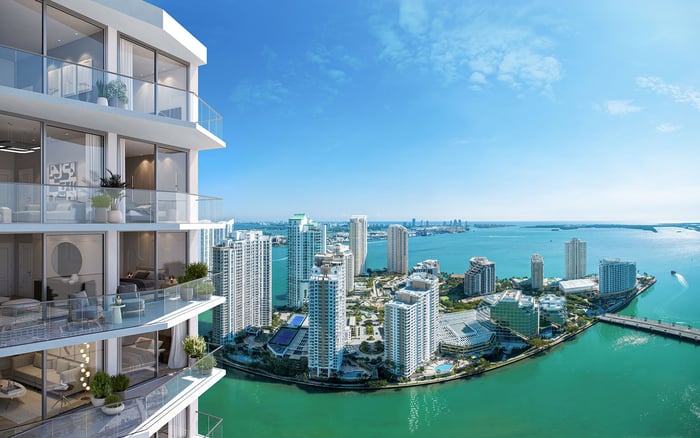
In a tower such as The Residences at 1428 Brickell, the expectation of expansive glass must be reconciled with wind loads, height, exposure, and component-and-cladding demands. The same principle applies to single-family estates and boutique coastal buildings: performance is not generic. It is specific.
For sophisticated projects, the Miami-Dade Notice of Acceptance, commonly called an NOA, is more than paperwork. It documents approved configurations, design pressures, anchorage requirements, installation conditions, and code-compliance limits. That makes it a practical design tool for architects, owners, builders, and construction managers.
A Florida Product Approval serves a similar verification function at the statewide level, allowing project teams to confirm whether a window, door, shutter, or skylight product has current approval for use under the Florida Building Code. The strongest luxury teams do not leave this review until late in construction documents. They verify it early, especially when the design calls for oversized sliders, corner glass, tall doors, curved conditions, or minimal sightlines.
Approvals are not blank checks. A product may be approved in one size, pressure rating, or anchorage condition but not another. A late discovery can trigger redesign, thicker frames, altered mullions, changed opening dimensions, or a different product family altogether. For new-construction residences, early specification helps protect the clean lines that sold the design in the first place.
The term design pressure may sound technical, but it is central to how luxury glass performs. Taller buildings, more exposed sites, complex façades, and large openings can require higher performance than a basic product size or configuration allows. A waterfront corner residence, for example, may face very different pressure demands than a smaller inland opening.
That is why better hurricane-rated openings must be considered room by room and elevation by elevation. A primary bedroom slider, a great-room glass wall, a garage door, a roof terrace door, and a lower-level service opening may not share the same requirements. The most resilient homes treat each opening as part of one coordinated envelope.
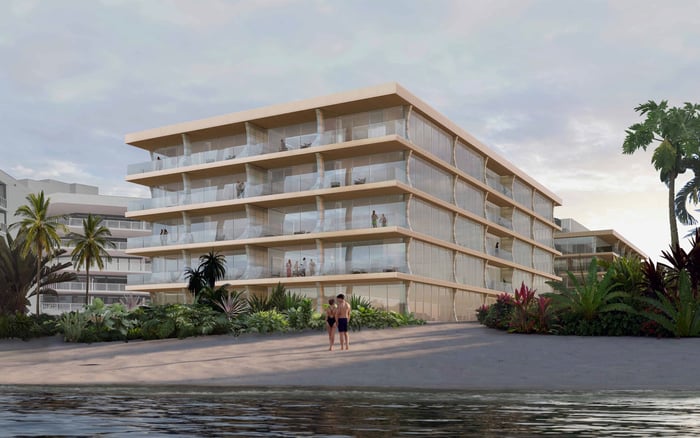
For buyers considering glass-forward projects such as The Perigon Miami Beach or Bentley Residences Sunny Isles, the point is not to reduce transparency. It is to insist that transparency be engineered properly. In South Florida, the best views deserve the best assemblies behind them.
The most persuasive argument for better openings may be what residents notice on calm days. Higher-quality impact-rated systems can support quieter interiors, improved seals, reduced drafts, and better comfort around large glass areas. Energy-efficient windows, doors, and skylights can also help reduce heat gain, which is especially relevant in homes where sunlight and water views are central to the living experience.
This is practical luxury at its most understated. A quieter bedroom during a summer storm. A living room that feels less hot against a western exposure. Hardware that closes with confidence. Thresholds that manage water and wind more convincingly. Fewer panels to store, install, remove, and inspect when forecasts change.
For resale buyers, these details can be meaningful differentiators. A home with integrated, approved, well-documented openings feels easier to own. It reduces friction before a storm and adds confidence after one. In a market where buyers compare finishes, wellness amenities, private elevators, and parking with forensic attention, the quality of the envelope deserves equal scrutiny.
Florida homeowners may be eligible for hurricane-mitigation insurance discounts when homes include qualifying windstorm-loss-reduction features. Eligibility depends on the specific home, documentation, inspection, carrier, and policy terms, but the broader point is clear: resilient features can have financial relevance beyond construction cost.
For owners, the documentation trail matters. Product approvals, NOAs, installation records, inspection results, and contractor closeout files should be treated as part of the home’s permanent asset file. This is particularly important for custom residences and major renovations, where the difference between an approved product and an approved installed condition can be material.
In Broward coastal markets, a residence such as Rosewood Residences Hillsboro Beach speaks to the larger movement toward refined coastal living with serious envelope expectations. The same thinking applies across Brickell, Miami Beach, Sunny Isles, Fort Lauderdale, Boca Raton, and Palm Beach: a luxury home should be beautiful when the weather is perfect and disciplined when it is not.
Before committing to a residence, buyers should ask how the openings are approved, what pressures they are designed to meet, whether the exact configurations match the approval documents, and how the installation was inspected. For a renovation, the questions should expand to whether older windows, doors, garage doors, and skylights remain consistent with the owner’s risk tolerance and insurance goals.
A balcony slider with a seamless view may look effortless, but its value lies in the details: frame depth, anchorage, laminated glass, sill design, water management, locking hardware, and maintenance access. Luxury is not merely the absence of shutters. It is the presence of systems that make protection feel integrated rather than improvised.
South Florida’s storm history has made envelope protection part of the region’s design culture. Hurricane Andrew became a defining reference point for stronger hurricane-resistant practices, while Hurricane Irma reinforced the importance of resilient coastal construction. Today’s best homes respond not with bunker aesthetics, but with disciplined engineering hidden inside refined architecture.
Are hurricane-rated openings required in South Florida luxury homes? In wind-borne debris regions, glazed openings must generally be impact-resistant or protected by an approved impact-resistant covering. Miami-Dade and Broward carry especially stringent High Velocity Hurricane Zone requirements.
Does hurricane-rated mean hurricane-proof? No. It means the product or system is designed, tested, and approved to meet specified pressures, impacts, and installation conditions.
What is a Miami-Dade NOA? It is an approval document that identifies accepted product configurations, pressure ratings, anchorage details, and use limitations for certain construction products.
Why do design pressures matter? Larger openings, higher floors, exposed waterfront sites, and complex façades can require stronger performance than standard configurations allow.
Are removable shutters still a luxury solution? They can meet protection requirements when approved, but integrated impact-rated systems are often more practical for preserving views and daily usability.
Can better openings make a home quieter? Yes, higher-quality impact-rated assemblies can support quieter interiors, stronger seals, and improved everyday comfort.
Do hurricane-rated windows help with heat gain? Energy-efficient windows, doors, and skylights can reduce heat gain and improve comfort, particularly in homes with large glass areas.
Can these upgrades affect insurance? Qualifying windstorm-loss-reduction features may support hurricane-mitigation discounts, subject to inspection, documentation, and policy terms.
When should openings be specified in a custom project? Early. Approved sizes, configurations, pressures, and installation limits can shape the architecture and help avoid late redesigns.
What should buyers request before closing? Ask for approvals, NOAs where applicable, installation records, inspection documentation, and any wind-mitigation materials available for the residence.
For a tailored shortlist and next-step guidance, connect with MILLION.
If branded residences are on your mind — as a home or as an allocation — we would be glad to share what we are seeing, privately.
Begin a quiet conversation