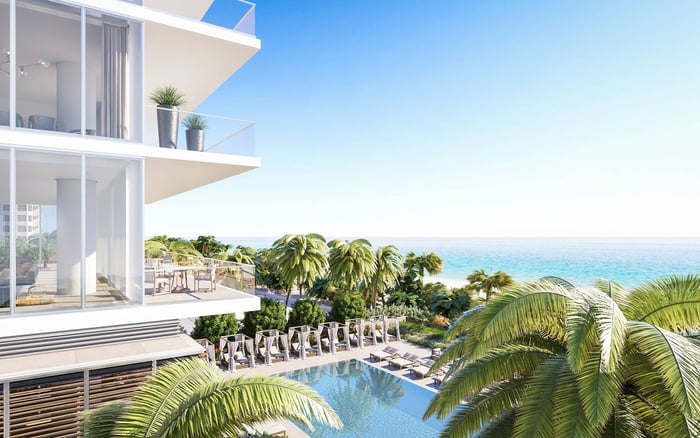
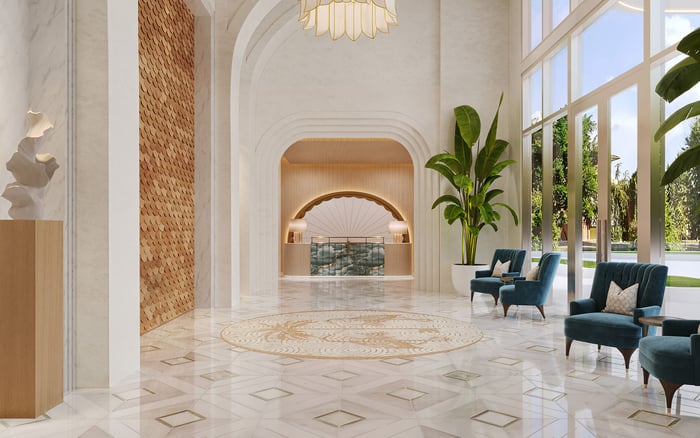
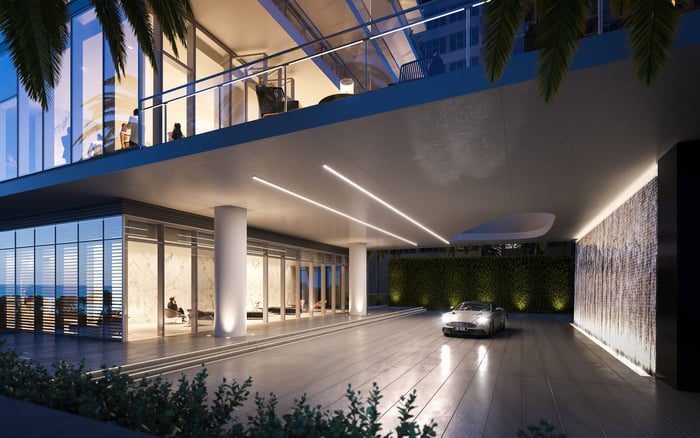
A buyer-focused look at how full-time families should evaluate The Residences at Six Fisher Island and 2000 Ocean Hallandale Beach for teen autonomy, family amenities, guest policies, and overnight visitor logistics.
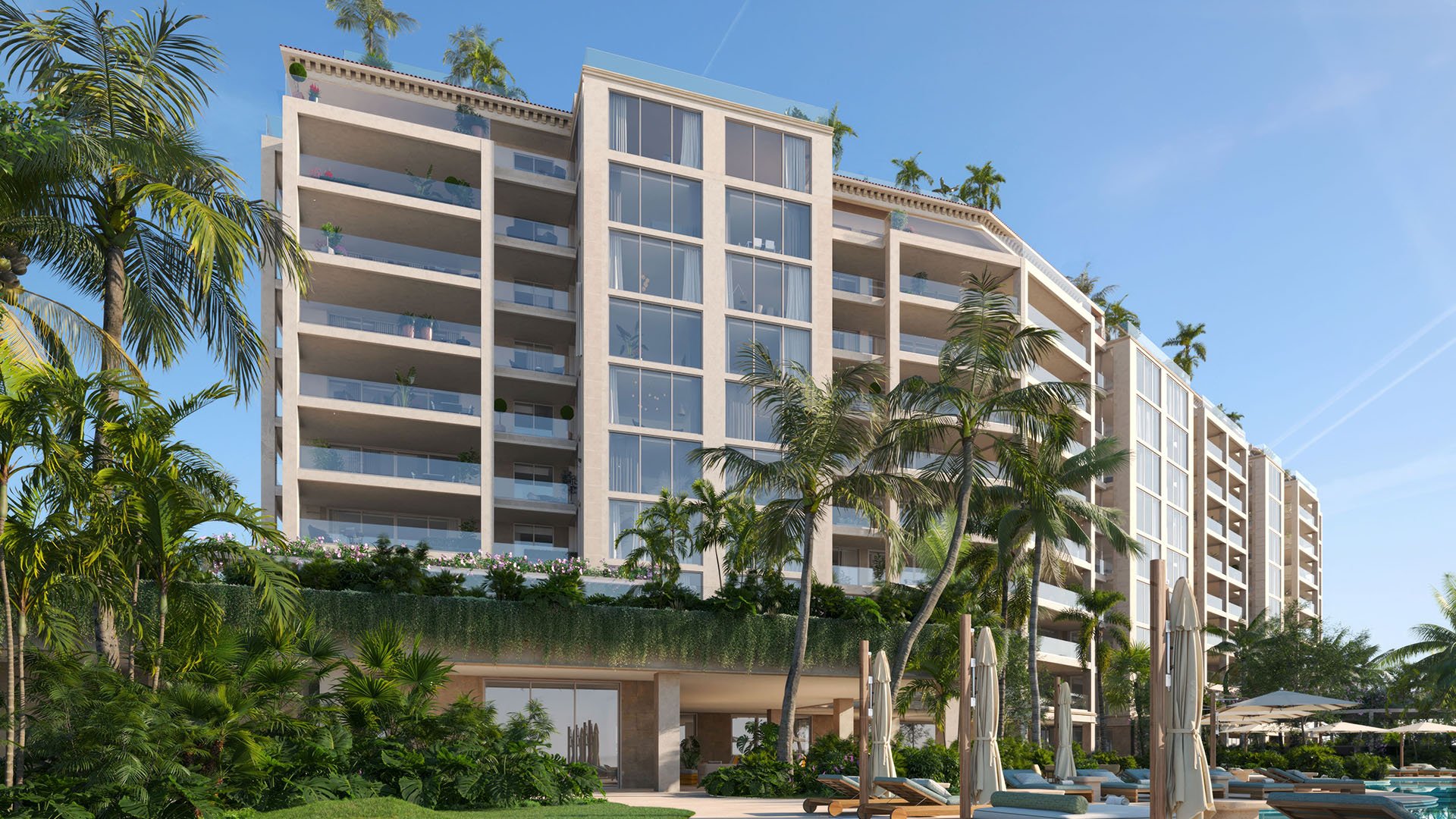
For full-time owners, the comparison between The Residences at Six Fisher Island and 2000 Ocean Hallandale Beach is not simply about finishes, views, or architectural language. The deeper question is operational: will the residence function gracefully for children, teenagers, visiting relatives, nannies, adult children, and friends who may stay for more than a weekend?
That is where many luxury condominium decisions become more complex. A building can feel exquisite during a private tour and still require close review for daily family life. Teenagers need safe independence. Younger children need spaces that can tolerate real use. Grandparents and long-stay guests need clear access rules. Owners need to understand whether the atmosphere is quietly adult, genuinely family-friendly, or somewhere in between.
In practical terms, this is a Fisher Island versus Hallandale decision, an oceanfront and beach-access question as much as an amenity question. The best fit depends less on which address sounds more exclusive and more on how each one supports the family’s actual week.
At The Residences at Six Fisher Island, the family appeal begins with the island context. Privacy, security, and controlled access may be central to the attraction for full-time owners who want a highly protected residential environment. For some families, that sense of separation is the luxury. It can create a self-contained rhythm in which home, leisure, and social life feel buffered from the mainland.
The tradeoff is movement. Buyers should examine how children and teens will travel between the residence, island amenities, transportation points, and off-island activities. A teenager’s school schedule, sports commitments, tutoring, friendships, and social plans all depend on logistics. The key is not merely whether transportation exists, but whether it feels practical at 7:00 a.m., after practice, during a last-minute invitation, or when parents are traveling.
Families already focused on the island may naturally compare different Fisher Island residential formats, including The Links Estates at Fisher Island, but the same test applies across the category: privacy is valuable only if it does not create friction for the people living there every day.
At 2000 Ocean, the family-fit question shifts toward mainland convenience. Hallandale Beach can support a different kind of independence, particularly for teens whose lives revolve around schools, sports, friends, errands, and regional access across South Florida. For owners who want direct beachfront living without the same degree of island separation, this may feel more integrated with ordinary daily routines.
The question is how that connectivity works in practice. Parents should consider pickup and drop-off patterns, weekend mobility, access to activities, visiting friends, and the ease of supporting a busy school-year calendar. The residence may be luxurious, but the family experience is built in the spaces between the building and the rest of life.
Buyers considering the Hallandale corridor may also look at Shell Bay by Auberge Hallandale as part of a broader location study. The point is not to chase the longest amenity list. It is to understand whether the mainland routine feels liberating, noisy, convenient, or too exposed for the family’s preferred lifestyle.
A lounge, game room, media room, or flexible social space matters only if teenagers can actually use it. Full-time owners should ask direct questions about supervision, permitted hours, guest policies, food and beverage rules, acoustics, reservation procedures, and proximity to adult amenity areas.
This is where condominium documents matter more than marketing language. A teen-oriented room that requires constant parental presence may not create independence. A game room with restrictive hours may not support after-school use. A media room beside quiet adult spaces may become a source of complaints. A flexible lounge may work beautifully for family life if the house rules allow reasonable teen gatherings, visiting friends, and casual use without constant negotiation.
Parents should ask how noise complaints are handled, whether teens may bring friends, whether food is allowed, and whether private events can displace regular residents. They should also visit at different times of day and week. A room that feels serene on a sales tour may feel very different on a Saturday afternoon, during school holidays, or in peak season.
Many ultra-luxury condominiums excel at adult resort living: spa spaces, pools, fitness environments, lounges, private dining, and social areas designed for elegance. Full-time families should look beyond that polish and ask whether the building has dedicated children’s areas, teen-oriented lounges, game rooms, media rooms, or flexible spaces that can absorb everyday family use.
The distinction is subtle but important. A beautiful pool deck may be visually spectacular and still operate with rules that discourage child-centered activity. A quiet lounge may be refined, but not appropriate for teens after school. A media room may appear family-friendly, while booking rules, guest restrictions, and hours of use define its actual value.
For families comparing island privacy with mainland oceanfront convenience, the best building is the one whose rules match the household’s habits. That is especially true when children are old enough to want autonomy but still young enough to need a secure, predictable environment.
Guest-suite access is one of the most important due-diligence items for full-time owners, particularly those expecting grandparents, adult children, nannies, tutors, or long-stay visitors. Buyers should not assume that a luxury condominium includes building-managed guest suites, or that any available suites can be used freely.
The questions should be specific. Do guest suites exist? Who may reserve them? Is priority determined by ownership status, timing, or availability? Are there length-of-stay limits, blackout dates, fees, taxes, cancellation rules, or limits on repeat bookings? Can guests use amenities independently, or must the owner be present? Are visiting friends of teenagers treated differently from family members?
Owners should also distinguish between private in-unit guest capacity and building-managed guest suites. A large residence with extra bedrooms gives the owner direct control, subject to household and association rules. A building-managed suite is different. It is governed by policies, reservation systems, availability, and association discretion. For families who host often, that distinction can affect both comfort and cost.
Before purchase, families should request the condominium declaration, house rules, amenity rules, guest policies, and any club or association documents that govern use. These documents are not formalities. They define whether the building’s amenities can serve a real household rather than a vacation pattern.
Ask sales teams and management how many residents are expected to live in the building year-round versus seasonally. A building with a strong full-time population may offer more consistent amenity energy for teenagers and children. A highly seasonal building may feel peaceful, but it may also offer fewer spontaneous social opportunities for younger residents.
Owners should also speak with management or existing residents about how pool rules, private events, visiting friends, teen gatherings, and complaints are handled in practice. The written rules matter, but culture matters too. The strongest family fit occurs when the documents, management style, and resident expectations all point in the same direction.
The Residences at Six Fisher Island may suit families who value privacy, controlled access, and a residential world that feels deliberately set apart. 2000 Ocean may suit families who want direct beachfront living with easier integration into school routines, sports, services, and the broader South Florida region.
Neither model is inherently better. The correct choice is the one that supports how the family lives on a Tuesday, not only how the property presents during a weekend tour. For full-time owners, the luxury is not only the view. It is the quiet confidence that children, teens, relatives, guests, and daily routines can all move through the property without constant compromise.
Should buyers assume either building has guest suites? No. Guest-suite existence, booking rights, fees, length limits, and access rules should be verified in writing before relying on them.
Why are teen spaces different from general lounges? Teen spaces require rules that allow meaningful independent use, including reasonable hours, guest policies, acoustics, and supervision standards.
Is Fisher Island better for families who prioritize privacy? It may be, especially for households that value controlled access and a more self-contained residential setting.
Is Hallandale Beach better for teen independence? It may be better for families who want easier mainland integration with schools, sports, errands, and regional access.
What documents should full-time buyers request? Buyers should review the condominium declaration, house rules, amenity rules, guest policies, and any club or association documents.
Can overnight guests use amenities without the owner present? That depends on the property’s rules and should be confirmed before purchase, especially for grandparents, nannies, and long-stay visitors.
How should families test the amenity atmosphere? Visit at different times of day and week to see whether spaces feel active, quiet, child-tolerant, or primarily adult-oriented.
Why does year-round occupancy matter? The balance between full-time and seasonal residents can shape amenity energy, teen social life, and the building’s everyday culture.
What is the biggest mistake family buyers make? They focus on finishes and views while underestimating rules, access, supervision, guest logistics, and daily transportation patterns.
How should families choose between these two lifestyles? Choose Fisher Island for privacy and control, or Hallandale Beach for a more connected mainland oceanfront routine.
For a confidential assessment and a building-by-building shortlist, connect with MILLION.
If branded residences are on your mind — as a home or as an allocation — we would be glad to share what we are seeing, privately.
Begin a quiet conversation