Terrace drainage can move from a maintenance detail to a resale advantage when it protects finishes, supports outdoor living, and reassures discerning South Florida buyers.
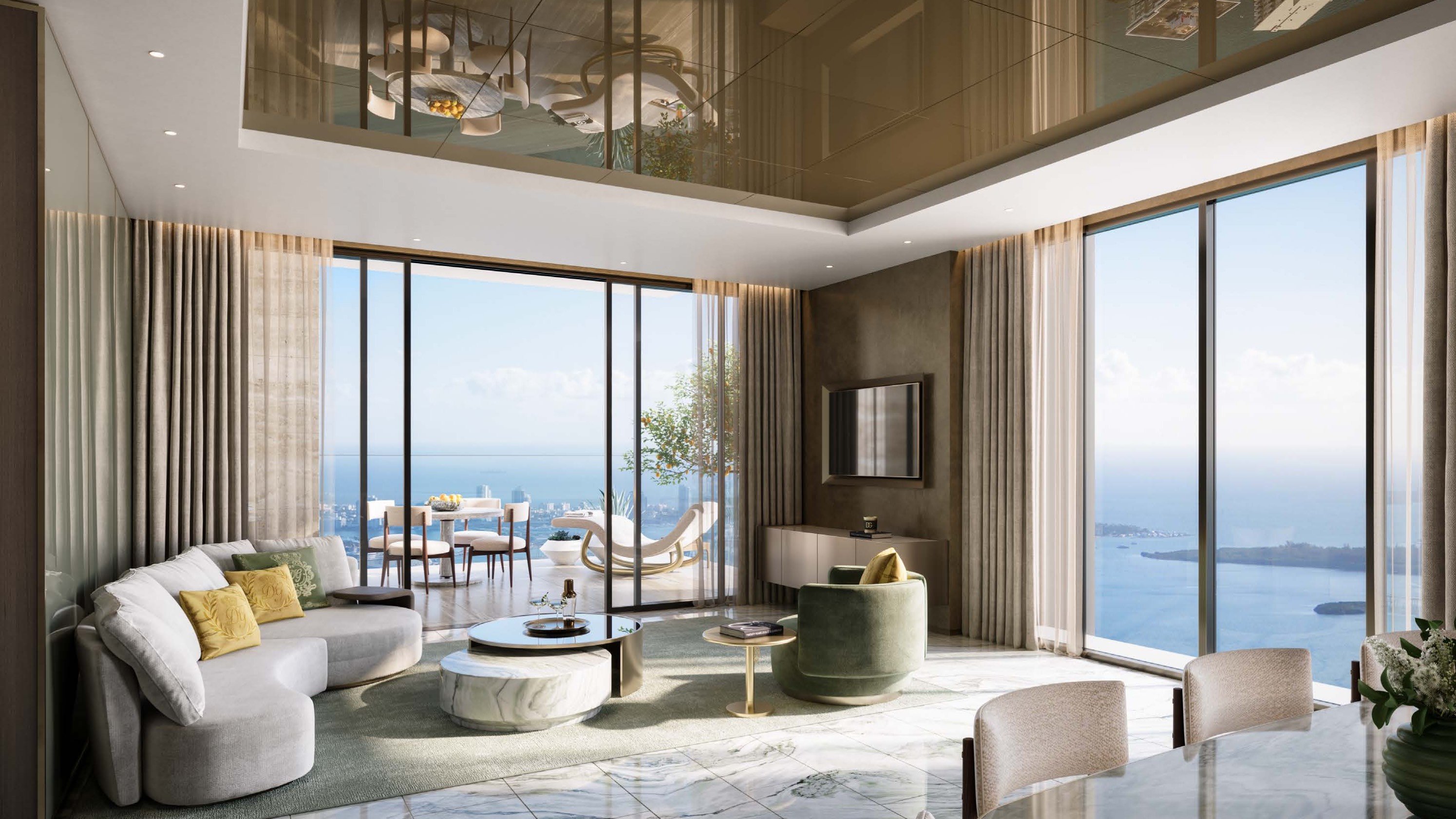
In South Florida, a terrace is rarely secondary space. It is the outdoor salon, the morning coffee room, the sunset dining platform, and often the emotional centerpiece of a residence. Yet the detail that determines whether that terrace stays elegant through heavy rain, humidity, salt air, and daily use is also one of the least glamorous: drainage.
For the luxury buyer, terrace drainage should be evaluated not simply as a building-system concern, but as a resale signal. A well-draining terrace can protect stone, wood, thresholds, planters, outdoor kitchens, furnishings, and interior finishes. More importantly, it can preserve the confidence of a future buyer who wants outdoor living without maintenance anxiety.
The key is knowing when drainage becomes a visible advantage rather than an invisible necessity. In markets where Terrace, Balcony, Waterview, and Oceanfront living are central to value, technical performance can become part of the property’s story.
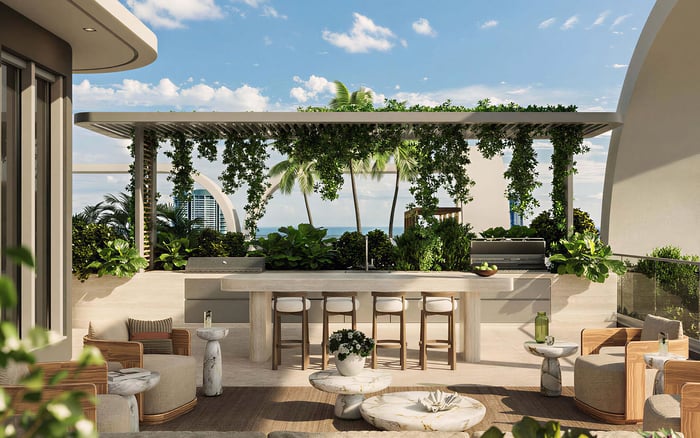
Terrace drainage becomes a resale advantage when it supports the way the residence is expected to live. A small balcony may only need to feel clean, dry, and well-maintained. A deep entertainment terrace, by contrast, must perform like an exterior room. If it holds dining, lounge seating, planters, lighting, an outdoor kitchen, or direct access from a principal living area, drainage quality matters to both comfort and valuation psychology.
The advantage is strongest when water management is legible without being conspicuous. Buyers notice a terrace that feels level underfoot yet still sheds water properly. They notice thresholds without staining, swollen materials, or repeated patching. They notice outdoor flooring that has aged gracefully, rather than revealing pooling patterns or darkened corners.
In the Resale conversation, drainage becomes especially relevant when the terrace is a defining feature of the floor plan. If the outdoor space is large enough to shape how the residence is marketed, photographed, furnished, and toured, its performance should be treated as part of the asset, not as a post-contract inspection footnote.
South Florida’s luxury residences ask terraces to do more than look beautiful. They must handle sudden rain, intense sun, coastal exposure, and frequent movement between indoor and outdoor living. That does not mean every terrace should be approached with suspicion. It does mean buyers and sellers should treat drainage as a mark of stewardship.
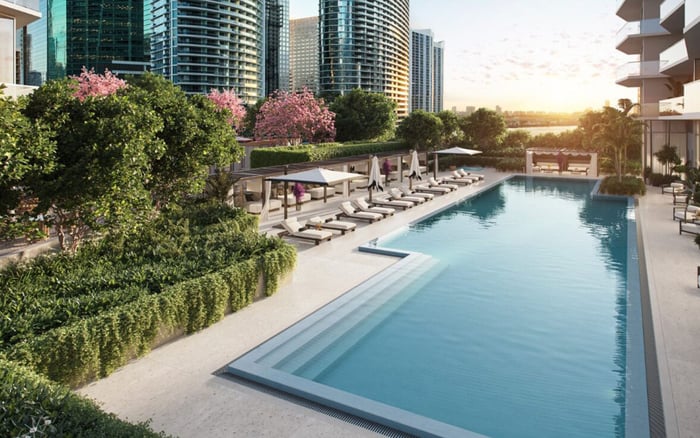
In Brickell, where vertical living and skyline views place pressure on outdoor square footage, buyers comparing residences such as The Residences at 1428 Brickell often consider how terraces extend the living room. A dry, well-detailed terrace can make that extension feel seamless.
On the beach, the calculus is even more sensory. At Miami Beach residences such as 57 Ocean Miami Beach or The Perigon Miami Beach, outdoor space is central to the experience of light, air, and proximity to the water. Buyers expect elegance, but they also reward durability.
Along the coast, Oceanfront living can heighten scrutiny. A terrace that feels resilient, tidy, and intentionally built can help a residence stand apart without relying on theatrical claims.
The first cue is surface behavior. After rain or cleaning, water should not linger in ways that interrupt use or reveal uneven settlement. Occasional dampness is one thing; recurring ponding in the same location is another. The buyer’s eye should move to corners, drains, door tracks, planter zones, and the transition between exterior flooring and interior finishes.
The second cue is material condition. Staining, efflorescence, loose pavers, lifting deck systems, patched grout, deteriorated sealants, and swollen base materials may suggest that water is not being managed as elegantly as the design intended. None of these observations alone should define a purchase decision, but they should sharpen the questions.
The third cue is maintenance culture. Luxury buildings and residences that treat terraces as living spaces tend to maintain them accordingly. That can include regular cleaning of drain areas, sensible planter management, attention to sealants, and a disciplined approach to outdoor furnishings.
The fourth cue is documentation. For sellers, a record of terrace-related maintenance, repairs, or improvements can convert a technical subject into a confidence builder. For buyers, asking for relevant documentation is not adversarial. It is part of understanding the property’s outdoor asset.
A seller should not make drainage the headline if the terrace itself is the lifestyle feature. The stronger strategy is to let performance support the story. Before photography and showings, the terrace should be clean, dry where expected, and free of clutter around drain points. Outdoor furnishings should demonstrate use without obstructing inspection.
If work has been completed, the seller can make records available through the appropriate transaction channels. The goal is not to turn a listing into an engineering presentation. It is to remove doubt. In high-end transactions, the absence of doubt is often its own form of luxury.
For a residence with a major terrace, the marketing language can emphasize indoor-outdoor living, protected finishes, and year-round usability, provided those statements are accurate. Drainage should be framed as part of thoughtful ownership, not as a boast.
A terrace has higher resale leverage when it improves circulation, privacy, and room function. A narrow ledge can be pleasant, but a broad, well-drained outdoor room can shift the hierarchy of a home. It can make a primary suite feel resort-like, make a living room read larger, or transform a corner exposure into a daily ritual.
That is why drainage quality should be weighed alongside view, depth, privacy, and access. At Una Residences Brickell, for example, buyers thinking about waterfront and urban living will naturally focus on outlook and architecture. The more refined question is whether the exterior space supports the lifestyle promised by the view.
The same principle applies in boutique and coastal settings. A beautiful terrace that cannot be enjoyed after weather loses some of its persuasive power. A terrace that recovers quickly, protects adjacent interiors, and supports furniture placement keeps its lifestyle value intact.
Drainage should be discussed before a buyer becomes emotionally fixed on the view. The right moment is during serious evaluation, when the buyer is considering not only what the residence is, but how it will live and eventually resell.
A qualified inspector or appropriate building professional can evaluate technical conditions that a showing cannot resolve. Buyers should avoid relying solely on a sunny-day tour. If possible, observe the terrace after rain or ask targeted questions about drainage paths, prior repairs, maintenance routines, and any limitations on flooring, planters, or outdoor installations.
For sellers, preparation matters. A terrace that appears neglected can invite broader skepticism, even if the underlying condition is sound. Conversely, a terrace that is orderly and well-documented can reinforce trust.
Is terrace drainage really important for luxury resale? Yes. When outdoor space is central to the residence, drainage can influence buyer confidence, perceived maintenance risk, and long-term usability.
Should every balcony be evaluated the same way? No. A compact balcony and a large entertainment terrace carry different performance expectations, furniture loads, and levels of buyer scrutiny.
What visible signs should buyers notice first? Look for standing water, staining, loose surface materials, deteriorated sealants, and damage near thresholds or drains.
Can good drainage increase the asking price? It may not create value by itself, but it can strengthen the case for value when the terrace is a major lifestyle feature.
How does this apply to Brickell residences? In Brickell, terraces often extend interior living space, so drainage quality can support the feeling of a seamless urban retreat.
Does Oceanfront exposure make drainage more important? Yes. Coastal exposure can increase attention to durability, maintenance, and the condition of exterior living areas.
Should sellers mention drainage in listing language? Only if the statement is accurate and supportable. It is usually better to present drainage as part of careful ownership.
What documents are useful for buyers? Relevant maintenance records, repair invoices, association communications, and professional evaluations can help clarify condition.
Is Miami Beach terrace due diligence different from inland due diligence? The fundamentals are similar, but coastal lifestyle expectations can make outdoor performance more visible to buyers.
What is the best way to shortlist comparable options for touring? Start with location fit, delivery status, and daily lifestyle priorities, then compare stacks and elevations to validate views and privacy.
For a tailored shortlist and next-step guidance, connect with MILLION.
If branded residences are on your mind — as a home or as an allocation — we would be glad to share what we are seeing, privately.
Begin a quiet conversation