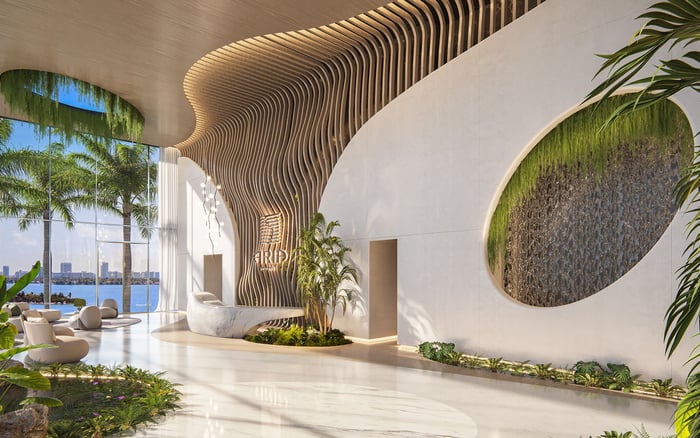
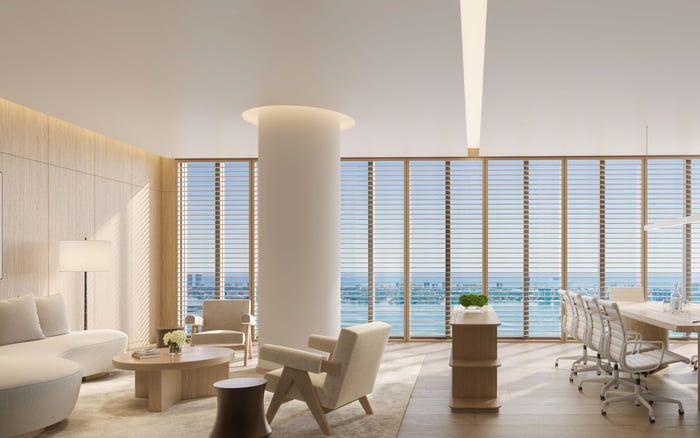
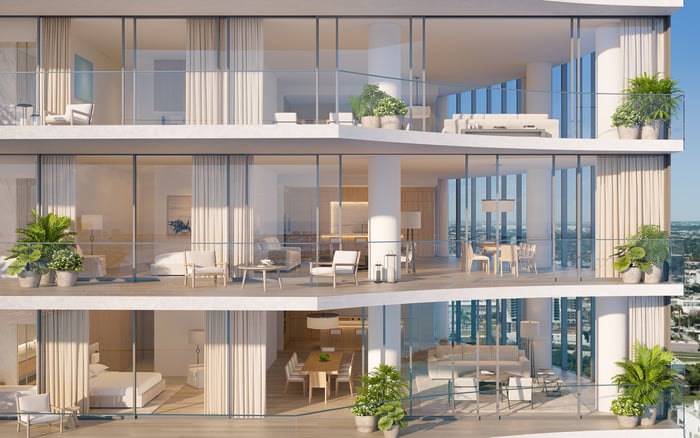
A practical owner framework for evaluating storm-shutter alternatives at EDITION Edgewater, with emphasis on views, approvals, building-envelope protection, balconies, insurance conversations, and daily livability in a luxury high-rise setting.
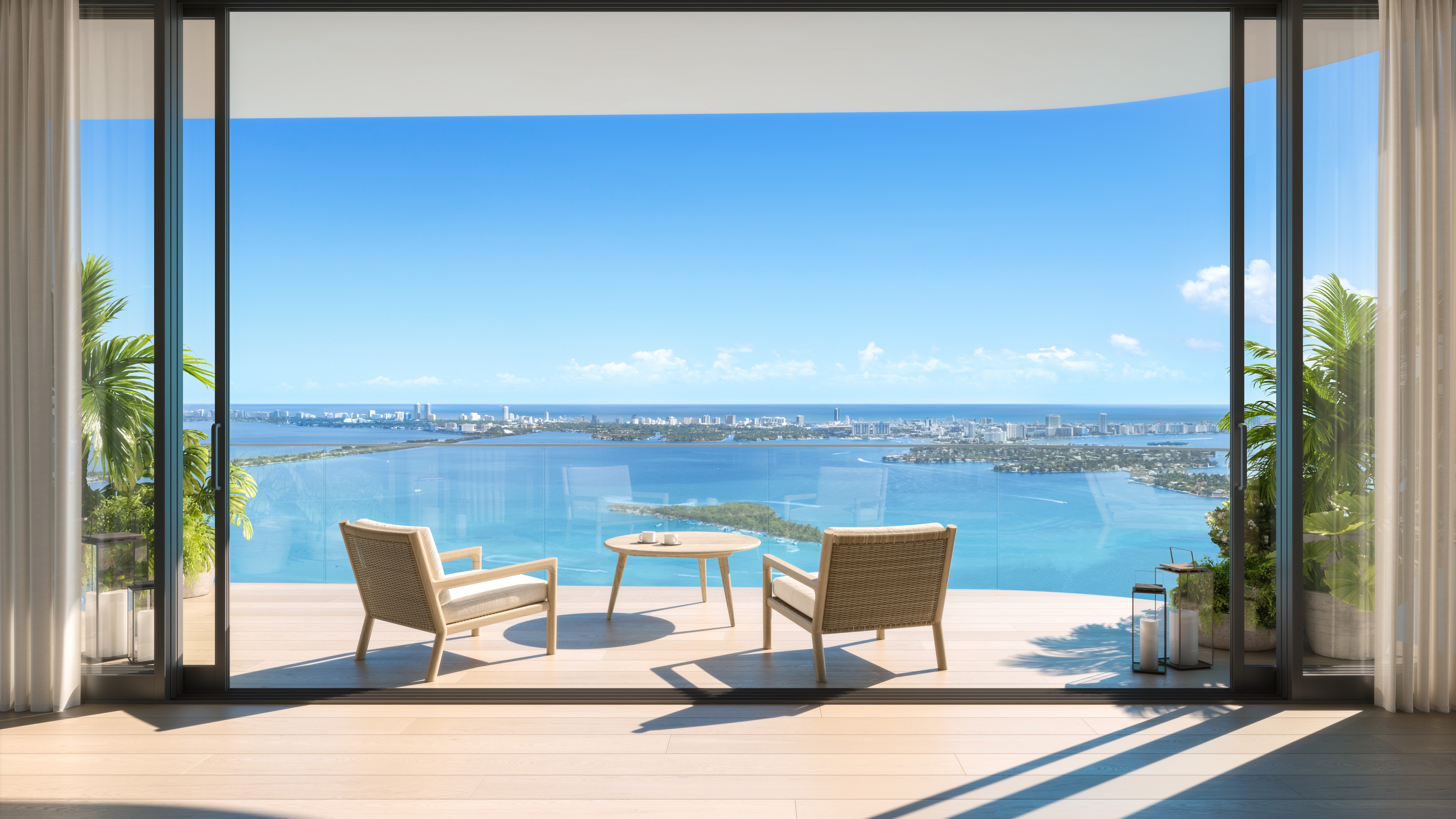
For a full-time owner at EDITION Edgewater, hurricane preparation is not a simple matter of choosing from a shutter catalog. The setting is a new ultra-luxury waterfront condominium in Miami’s Edgewater, where exterior architecture, open views, acoustic comfort, and daily livability are all part of the ownership proposition.
That changes the starting point. In a single-family-home scenario, an owner may compare accordion shutters, panels, or roll-down systems as visible add-ons. In a branded high-rise, the first line of protection is the building envelope itself. The more useful question is this: what protection is already built into the tower, what is governed by condominium rules, and what, if anything, can an individual owner realistically add without compromising the residence?
This is especially important for full-time owners. A seasonal resident may focus on closing procedures before leaving town. A primary resident may experience more storm seasons in place, may be more sensitive to wind-driven rain, noise, and post-storm access, and may care more about how protective strategies affect everyday comfort.
At EDITION Edgewater, the practical first step is to understand the tower’s building-envelope strategy. Owners should ask for the relevant developer disclosures, association guidance, and warranty information that explain how exterior glass, doors, terraces, and common-area systems are intended to perform. The point is not to assume a specific rating or specification unless it is documented. The point is to know which systems belong to the building and which elements fall to the owner.
This matters because traditional bolt-on shutters are rarely the natural baseline for a luxury high-rise. Exterior changes can affect the façade, sightlines, balcony drainage, maintenance access, and the visual consistency of the building. Even when a product is available in the market, it may not be appropriate, allowed, or practical in a condominium environment.
For buyers comparing new-construction options across the waterfront, the same discipline applies. At Aria Reserve Miami, The Cove Residences Edgewater, or Villa Miami, the smartest hurricane-readiness conversation begins with the building’s own design logic rather than an aftermarket accessory.
Storm-shutter alternatives for a residence at EDITION Edgewater can be understood in four broad categories: the built-in glazing system, storm screens where permitted, balcony-related systems where appropriate, and interior preparation strategies. Each category must be evaluated through the lens of association approval, maintenance, aesthetics, and livability.
Impact glazing, where provided and documented, is usually the central point of discussion in a modern high-rise. Owners should ask what has been specified, what the maintenance obligations are, and how replacement or repair would be handled over time. The goal is to understand the system, not to layer assumptions on top of it.
Storm screens may appeal to some owners because they can be less visually intrusive than hard shutters, but they are still not automatically suitable. Attachment points, wind exposure, installation method, storage, deployment, and façade appearance all require review. A screen that works in one building may be unacceptable in another.
Balcony-related systems demand even more caution. Balcony spaces are often central to the appeal of waterfront living, yet they are also part of the building’s exterior expression. Any enclosure, screen, panel, or track system may raise questions about drainage, railings, appearance, maintenance access, and uniformity. Balcony use during normal weather is also part of the luxury equation. A system that protects but makes the terrace feel compromised for most of the year may not be a good trade.
Interior preparation is the least glamorous category, but it is often the most controllable. Full-time owners can plan for movable furnishings, art placement, technology protection, water-intrusion response, and a clear pre-storm routine. These steps do not alter the building façade, and they can be refined with property management and insurance guidance.
A buyer at EDITION Edgewater should approach storm readiness as a due-diligence conversation. The right questions are practical and specific. What exterior components are maintained by the association? What can an owner modify inside the unit? Are exterior attachments prohibited, conditionally allowed, or subject to a formal review? Who approves contractors? What documentation does an insurer want to see?
Insurance is part of this framework, but it should not be reduced to assumptions about discounts or savings. Owners should speak directly with their insurance advisor about documentation, deductibles, wind coverage, interior improvements, and personal property. A beautiful residence can still require a meticulous insurance file.
Maintenance deserves equal attention. Any add-on product brings its own inspection, cleaning, repair, and storage requirements. In a waterfront environment, owners should think about long-term upkeep as part of the purchase decision. A product that seems reassuring on paper may become inconvenient if it is difficult to deploy, visually disruptive, or hard to service.
High-floor and corner residences often carry the strongest emotional appeal because of light, privacy, and broad water-view perspectives. They can also invite more detailed storm-readiness questions. Exposure, turbulence, and wind-driven rain are practical concerns in tall buildings, particularly around corners and terraces. That does not mean the residence is unsafe. It means the owner should understand how the tower is designed to manage these conditions and how daily comfort may feel during severe weather.
Acoustic comfort is another luxury factor. Full-time owners are not only asking whether systems protect the home. They are asking how the residence sounds, feels, and functions during heavy weather. Glass, doors, seals, and terrace interfaces all influence the owner experience. High floors may heighten the importance of these conversations because owners are more attuned to wind, pressure changes, and exterior noise.
The best approach is calm and document-based. Ask for what is available, review association rules, confirm maintenance responsibilities, and avoid unapproved improvisation. In a branded tower, discipline protects both the individual residence and the architectural integrity of the building.
The appeal of EDITION Edgewater is tied to Edgewater living itself: water, skyline, light, and the feeling of being connected to Miami without surrendering privacy. A storm-protection decision that blocks views, interrupts natural light, or clutters the exterior can undermine the reason an owner chose the residence in the first place.
That is why the strongest framework is not a product roundup. It is a hierarchy of questions. First, what does the building already provide? Second, what do the condominium documents allow? Third, what does the insurer require or prefer? Fourth, what can be installed, maintained, and lived with gracefully? Finally, does the solution preserve the calm, polished character of the home on the 350 days a year when no storm is approaching?
For full-time owners, the ideal strategy is both protective and discreet. It respects the building envelope, preserves the view corridor, keeps balcony life enjoyable, and turns storm season into a managed ownership responsibility rather than a scramble for temporary fixes.
Should EDITION Edgewater owners start by shopping for shutters? No. The first step is to understand the tower’s building envelope, condominium rules, and which owner-level additions are actually permitted.
Are traditional bolt-on shutters the default for a luxury high-rise? Usually, they are not the natural baseline. In a branded condominium, exterior appearance, attachment points, and association approvals are central issues.
Can an owner add storm screens to a residence? Possibly, but only if the building rules, approvals, installation method, and maintenance requirements allow it.
Why do full-time owners think differently than seasonal owners? Full-time owners may live through more storm seasons in place, so comfort, noise, preparation routines, and recovery logistics become more important.
Do high floors need different questions? Yes. High floors and corners can merit closer discussion of exposure, turbulence, wind-driven rain, and acoustic comfort without implying the home is unsafe.
How important are association rules? They can be as important as the product itself. A system that is commercially available may still be inappropriate or unapproved for the building.
Should balcony protection be considered separately? Yes. Balcony systems can affect drainage, appearance, maintenance access, furniture use, and the daily experience of outdoor living.
Can interior preparation replace exterior systems? It cannot replace the building envelope, but it can help owners protect furnishings, art, technology, and personal property without altering the façade.
Should insurance be part of the conversation? Yes. Owners should ask their insurance advisor what documentation is useful and how coverage, deductibles, and interior improvements are treated.
What is the best mindset for storm readiness at EDITION Edgewater? Treat it as a luxury ownership plan: documented, discreet, approved, maintainable, and respectful of views, light, and long-term livability.
To compare the best-fit options with clarity, connect with MILLION.
If branded residences are on your mind — as a home or as an allocation — we would be glad to share what we are seeing, privately.
Begin a quiet conversation