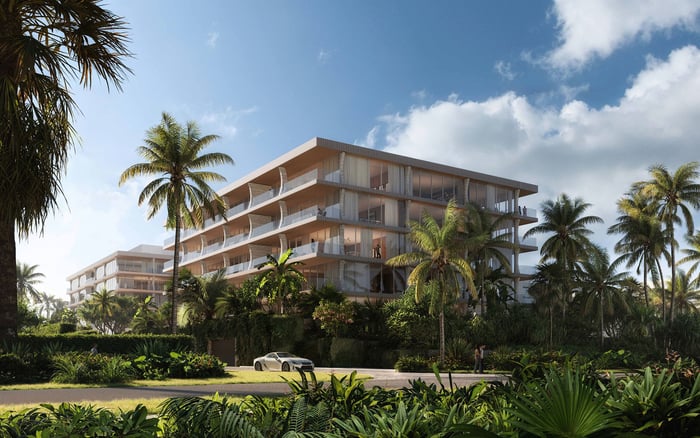
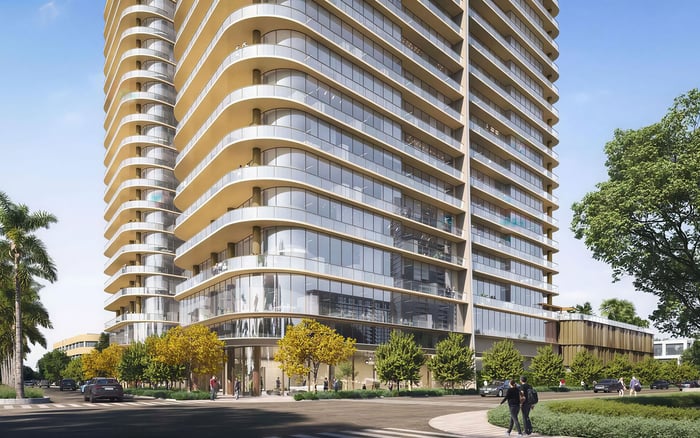
A buyer-oriented look at how digital twins can streamline remote ownership logistics at Kempinski Residences Miami Design District, from live system oversight to faster service coordination in a globally oriented neighborhood.
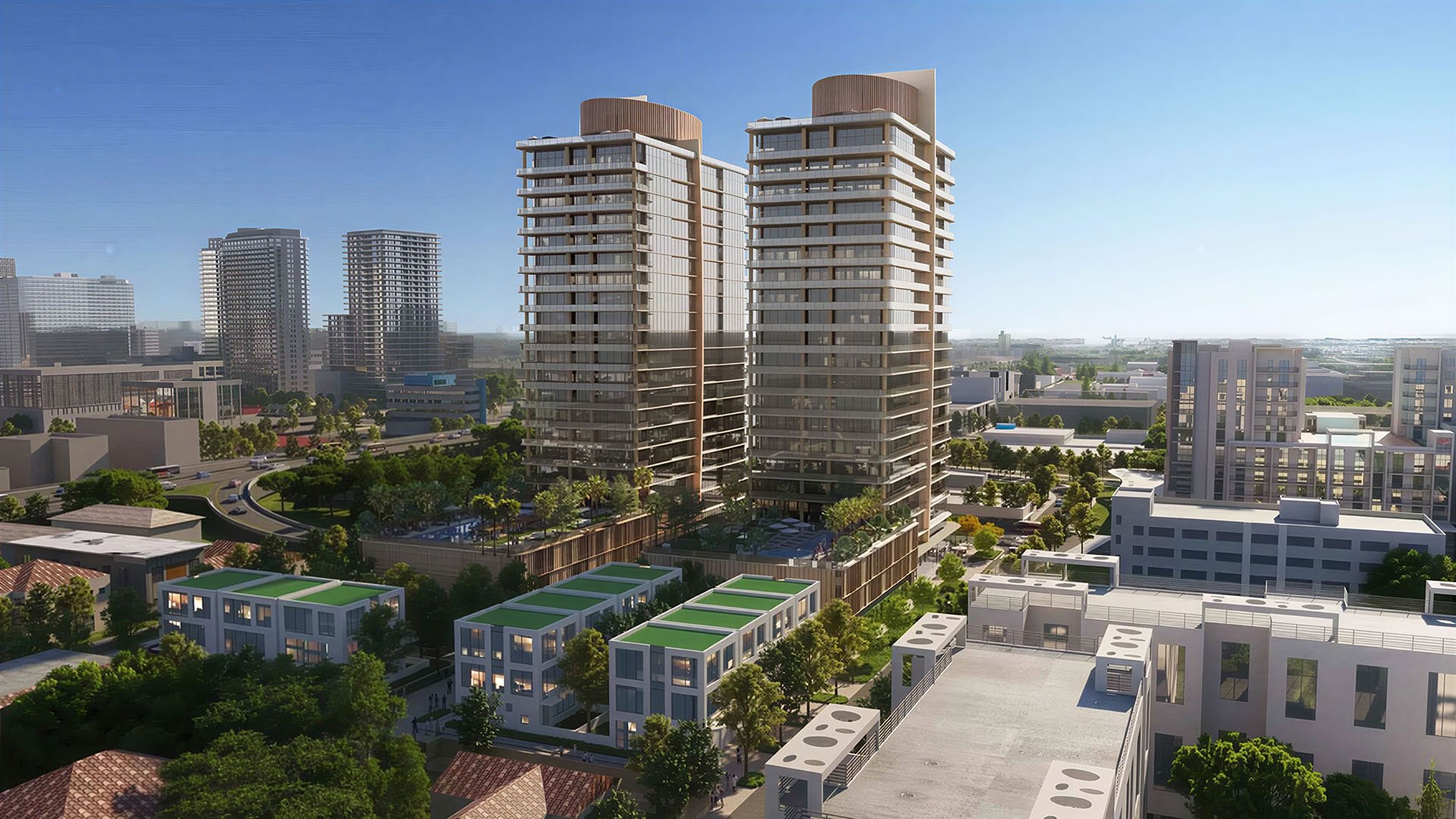
In the Miami Design District, ownership is often international, seasonal, and highly mobile. That reality reshapes what affluent buyers need from a residence. The question is no longer limited to architecture, finishes, or proximity to retail and dining. It is also whether a home can be supervised, serviced, and preserved with the same confidence when the owner is in London, São Paulo, New York, or Aspen.
That is where the conversation around Kempinski Residences Miami Design District becomes particularly relevant. As a branded residence aligned with a hospitality-led platform, the project sits naturally within a category defined by discretion, service coordination, and a more managed ownership experience. For many buyers, especially those purchasing a second home in Miami, the real luxury is operational ease.
A digital twin enters this equation as a practical tool rather than a futuristic flourish. In simple terms, it is a virtual model of a physical asset that updates through real-world inputs. In residential management, that means a building can be observed through a shared digital layer that consolidates status information from critical systems rather than leaving oversight to periodic in-person checks alone.
For an owner considering Kempinski Residences Miami Design District, the appeal is straightforward: fewer unknowns, faster interventions, and a more continuous view of how a residence is performing between visits.
Remote ownership tends to break down over small frictions. Was the HVAC functioning properly during a humid week? Did a plumbing irregularity begin days before anyone noticed it? Has a service request actually been assigned, or is it sitting in an email chain between staff and vendors? These are not glamorous questions, but in luxury real estate they often define the ownership experience.
Digital twins can centralize information from multiple building systems into one operating view. Instead of treating climate control, electrical performance, plumbing, occupancy-related signals, and maintenance alerts as separate streams, a building team can monitor them through a single digital environment. For remote owners, that matters because fragmented systems create fragmented accountability.
The logistical advantage is clarity. Building staff, property managers, and service providers can work from the same reference point. If an irregularity appears, it can be flagged earlier and routed into maintenance planning before it becomes a resident-facing inconvenience. That shifts management from reactive to anticipatory.
In a neighborhood often associated with service-led ownership, buyers have long valued attentive management. What is changing is the intelligence behind that service. Projects across South Florida, including St. Regis® Residences Brickell and The Residences at Mandarin Oriental, Miami, reflect a broader market conversation in which branded living and operational sophistication increasingly move together.
For absent owners, the most useful expression of a digital twin may be the dashboard. Not because it is visually dramatic, but because it reduces complexity. A single interface can consolidate unit status, pending maintenance needs, service coordination, and alert history. When done well, this turns remote ownership from a sequence of interruptions into a process of informed oversight.
The best luxury systems do not demand constant attention from the owner. They simply make visibility possible. An owner can review the residence before arrival, confirm that core systems are operating normally, and understand whether any issue has already been identified and assigned. That level of transparency is especially valuable in markets like Brickell and the Design District, where many residences function as part-time homes rather than full-time primary residences.
It is also why smart-building capability has become a meaningful differentiator in new construction. A beautiful residence still needs a coherent operating system behind it. Without that layer, even a well-staffed building can feel administratively outdated.
Comparable buyer expectations are visible across newer South Florida projects, whether one is considering Mercedes-Benz Places Miami in Brickell or EDITION Edgewater along the bay. The through-line is not sameness of product. It is the idea that modern luxury should feel effortless when the owner is off-site.
The most important logistical advantage of a digital twin is not remote control for its own sake. It is the ability to connect live building information to service workflows. If a cloud-connected model can link issue detection to work orders and maintenance planning, response becomes more organized and less dependent on manual reporting.
For owners, this means fewer surprises after weeks away. For staff, it means fewer blind spots. For vendors, it means arriving with better context. In practice, the sequence is elegant: data indicates a problem, the operating layer highlights it, service is coordinated, and records remain visible to the people responsible for the home.
That sequence aligns neatly with the promise of branded residences, where the expectation is not just luxury surroundings but professional stewardship. Kempinski’s residential positioning speaks to that stewardship. It suggests an ownership model in which hospitality standards and property operations are designed to reinforce one another.
This does not mean every technical detail at Kempinski Residences Miami Design District is publicly specified. Public materials do not disclose exact sensor counts, software vendors, or operating costs. But the broader logistics are clear enough. In a high-value residence intended for global buyers, digital-twin thinking supports a more resilient management framework.
The Design District is not simply another Miami submarket. It is a high-end mixed-use environment where luxury retail, dining, art, and upscale residential development coexist in a highly concentrated setting. That ecosystem tends to attract buyers who value convenience, prestige, and a polished ownership experience.
Those same buyers are often balancing multiple homes and multiple jurisdictions. For them, remote management is not an occasional convenience. It is part of the acquisition logic. A residence must protect time as much as capital.
That is why tech-enabled operations fit the district so naturally. In a neighborhood built around curated experience, a low-friction ownership structure feels consistent with the surrounding lifestyle. Wealth preservation today is partly about maintenance discipline, operational transparency, and preventing small technical issues from becoming expensive disruptions.
In this respect, the Design District shares some strategic DNA with other top-tier enclaves across South Florida. Buyers comparing opportunities in Brickell or Edgewater are increasingly evaluating projects through an operational lens. The aesthetic proposition still matters, but so does the practical question of how a residence performs when no one is physically there.
Remote ownership works best when the systems beneath the experience are coherent. Buyers evaluating a residence in this category should ask how building information is centralized, how alerts are escalated, how service requests are tracked, and what visibility an owner receives when away for extended periods.
They should also pay attention to the human layer. Technology can reveal conditions, but staff and management determine whether those conditions are resolved with polish. In the best cases, digital infrastructure and hospitality culture support one another. One delivers visibility; the other delivers judgment.
That pairing is the deeper story at Kempinski Residences Miami Design District. The value is not merely that a property can be monitored from afar. It is that remote ownership can begin to feel less remote.
For buyers focused on investment quality, time efficiency, and long-term ease, that distinction matters. A residence that can be supervised intelligently while preserving a service-led atmosphere is better aligned with how many high-net-worth owners live now.
What is a digital twin in residential real estate? It is a virtual model of a physical property that updates with live building data, helping teams monitor and manage conditions remotely.
Why does a digital twin matter to remote owners? It creates a clearer picture of unit and building performance when the owner is away, reducing reliance on periodic physical checks.
Can a digital twin help detect problems earlier? Yes. One of its main advantages is earlier fault detection, which can prompt intervention before a resident notices an issue.
Does this replace on-site staff? No. It supports on-site teams by giving them better visibility and a more organized operating view.
What systems can be monitored through this approach? Commonly, building operations may include HVAC, electrical, plumbing, equipment status, and alert conditions.
Is this especially useful for a second-home buyer? Yes. Owners who spend only part of the year in Miami benefit from improved oversight between visits.
Why is this relevant in the Miami Design District? The neighborhood attracts global and part-time residents who often prioritize convenience, service, and low-friction ownership.
Are Kempinski’s exact digital-twin specifications publicly disclosed? Not in the materials at hand. Specific vendors, sensor counts, and operating costs are not publicly detailed.
How does this relate to branded residences? Branded residences often pair hospitality-oriented service with professional management, making digital oversight especially complementary.
What should buyers ask before purchasing? Ask how data is centralized, how maintenance is escalated, what owner visibility exists, and how staff convert alerts into action.
For a tailored shortlist and next-step guidance, connect with MILLION Luxury.
If branded residences are on your mind — as a home or as an allocation — we would be glad to share what we are seeing, privately.
Begin a quiet conversation