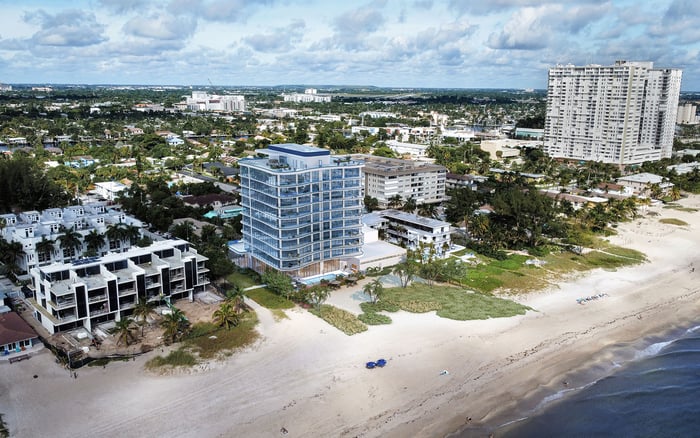
Florida’s newer condominium reserve framework is changing the luxury buyer’s calculus in Pompano Beach. At Ocean 580, the conversation is no longer limited to views, finishes, and entry price. Reserve funding, disclosure quality, future assessments, and the association’s long-term capital planning now sit near the center of a prudent purchase decision, especially for an oceanfront building where salt air and major exterior systems can make deferred maintenance unusually expensive.
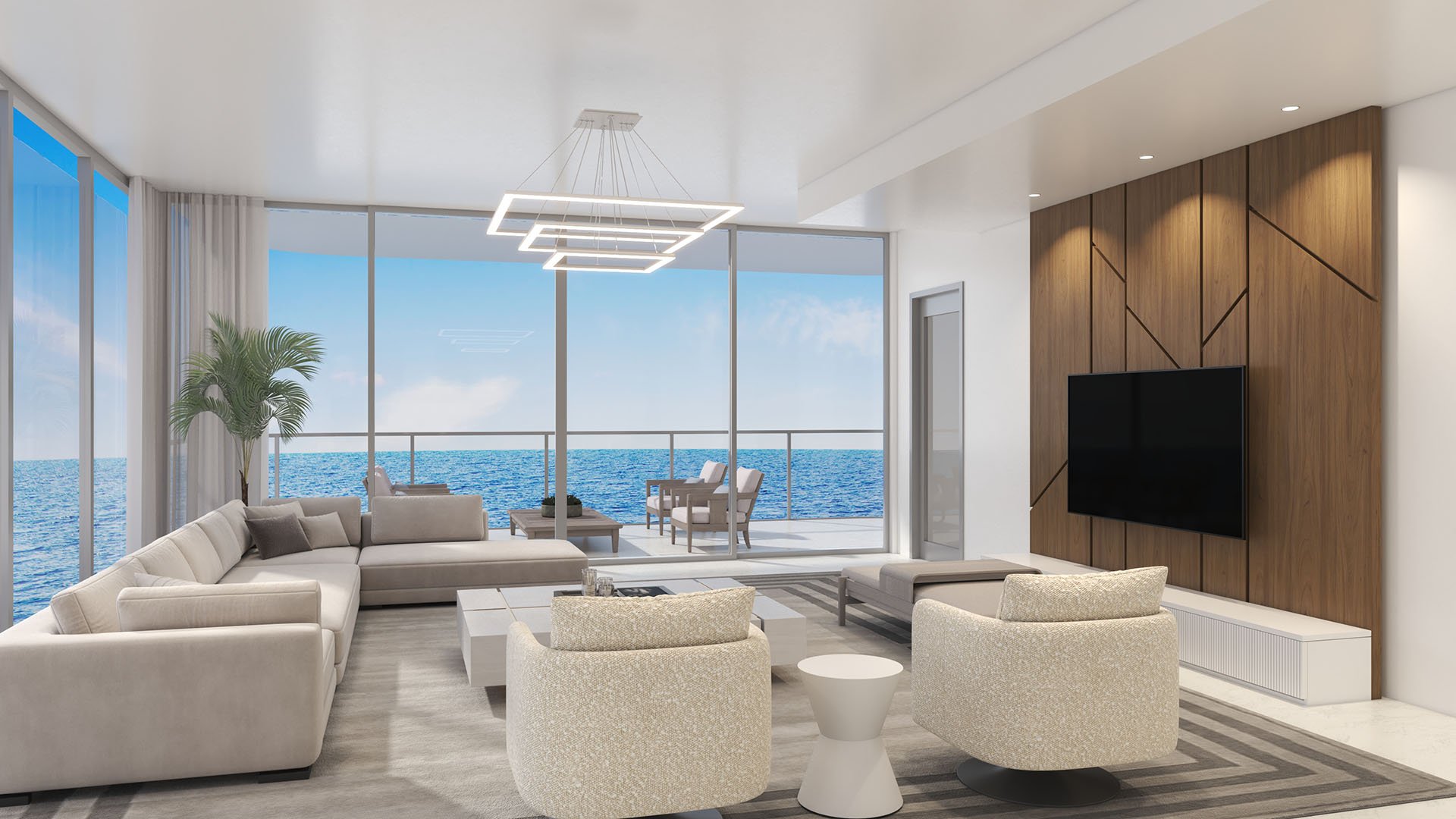
For South Florida buyers, the conversation around a luxury condominium purchase has become more financial and more exacting. Florida’s latest condominium reforms sharpen the focus on reserve planning and reserve disclosure. In practical terms, the question is no longer simply whether a residence makes a strong first impression. It is whether the association’s financial structure appears prepared for the building’s long-term life cycle.
At Ocean 580 Pompano Beach, that distinction matters. The property is positioned as a luxury oceanfront condominium in Pompano Beach, and oceanfront ownership carries its own financial realities. Salt exposure, corrosion, exterior-envelope maintenance, and major system upkeep tend to create substantial long-term capital demands. For the discerning buyer, reserve adequacy is not a technical footnote. It is part of the product itself.
The new environment favors buyers who look beyond asking price and examine the association with the same care they bring to floor plans, views, and finish packages. In that sense, Florida’s reserve laws are not merely regulatory changes. They are redefining what sophisticated purchase discipline looks like.
The most important shift is philosophical. Florida condominium governance has moved toward stricter reserve requirements and less flexibility around waiving or underfunding key reserves. For purchasers, that changes the meaning of monthly ownership costs.
Historically, some buildings kept regular assessments lower by contributing less to reserves, effectively pushing major expenses further into the future. The result could be attractive carrying costs in the near term, followed by substantial special assessments when major work became unavoidable. Under a stricter reserve culture, better-funded associations may instead collect more consistently through regular assessments.
For a buyer at Ocean 580, this can create an apparent contradiction. A residence in a newer luxury setting may feel more secure from a physical and lifestyle standpoint, yet the monthly budget may look more demanding if reserve contributions are being built in with discipline from the outset. That does not necessarily make the purchase less attractive. It often makes the cost structure more transparent.
This is why reserve strength should be read as both a cost and a safeguard. Higher regular fees may be the visible expression of stronger planning. Lower fees, especially in older oceanfront stock, may not always represent better value if they coexist with weak reserves or looming capital work.
Oceanfront condominium ownership is rarely inexpensive to maintain, and that is especially true in Broward coastal locations. The sea is an amenity, but it is also an exposure. Buildings must contend with demanding exterior conditions and long-cycle maintenance items that can become unusually expensive if deferred.
That is one reason reserve laws resonate so strongly in a market like Pompano Beach. Buyers evaluating Ocean 580 are not simply buying a residence with water views. They are entering a long-term financial ecosystem where the adequacy of reserves may influence future comfort, liquidity, and predictability.
In this context, neighboring luxury offerings also become useful reference points. A buyer comparing Armani Casa Residences Pompano Beach, The Ritz-Carlton Residences® Pompano Beach, W Pompano Beach Hotel & Residences, Rosewood Residences Hillsboro Beach, or Riva Residenze Fort Lauderdale should look beyond visual branding and pricing posture. The more meaningful comparison may be how each ownership structure handles reserves, projected assessments, and long-term capital planning.
Many luxury buyers begin with acquisition price because it is the most visible number in the transaction. Yet Florida’s reserve framework brings a fuller equation into focus: purchase price, regular HOA costs, reserve contributions, and the possibility of future special assessments.
For Ocean 580, this means a lower apparent entry point than a competing residence may not translate into a lower cost of ownership over time. If one building’s reserves are being funded in a disciplined manner while another has historically carried a lighter reserve burden, the latter may eventually present sharper financial surprises.
This is particularly relevant when comparing newer construction with older resale stock. A newer building may incorporate stronger reserve discipline and therefore show higher monthly costs early on. An older condo may advertise lower fees, but if reserves are thin and major structural or capital work is approaching, those lower fees can prove misleading.
Sophisticated buyers in Broward increasingly understand that reserve policy shapes lifestyle certainty. For a primary residence, this affects monthly planning. For a second-home purchaser, it affects the ease of carrying a property that may not be occupied year-round. For an investor-minded buyer, it affects net economics and exit perception.
Reserve strength also matters because association finances can influence financing outcomes. Lenders commonly review the financial condition of condominium associations when weighing mortgage risk. A buyer who loves a residence but overlooks the health of the association may encounter complications later in the transaction or discover that the financing conversation is more nuanced than expected.
That makes official documents essential. In today’s Florida condo environment, budgets, reserve schedules, estoppel information, and required disclosures are central to due diligence. Buyers considering Ocean 580 should pay close attention to the current reserve study, the reserve funding level, and any projected increases in assessments before moving from interest to commitment.
The practical aim is not perfection. Even with stricter reserve rules, special assessments can still happen. The question is whether the association appears transparent, current in its planning, and realistic about any known repair or capital obligations beyond presently funded reserves.
This is also where listing-level comparisons become less useful on their own. Asking prices can help frame the market, but they do not reveal whether one building is quietly carrying more financial risk than another. The stronger purchase analysis is document-based, not just price-based.
For buyers deciding among oceanfront and near-ocean opportunities, the best framework is surprisingly simple.
First, evaluate the residence as a piece of luxury real estate: design, setting, privacy, views, and daily livability. Second, evaluate the building as a financial organism: reserve funding, maintenance discipline, disclosure quality, and the likelihood of future capital calls. Third, judge value only after those two layers are combined.
That framework travels well across South Florida. A buyer who studies reserve quality at Ocean 580 is applying the same prudent lens that should be used across comparable Broward coastal properties, where location and luxury do not exempt ownership from the realities of long-term building stewardship.
In the end, Florida’s reserve reforms may actually improve decision-making for serious buyers. Better disclosure can make future cash needs more legible and reduce the chance of discovering major deferred-maintenance burdens after closing. At the luxury level, that clarity has value. It helps purchasers distinguish between a beautiful acquisition and a well-structured one.
Before committing to contract, a disciplined buyer should verify several points. Review the most current budget and determine how reserve contributions are built into regular assessments. Confirm whether a reserve study is current and whether funding appears aligned with the building’s long-term maintenance realities. Ask whether any known repairs, capital projects, or projected assessment increases sit outside currently funded reserves.
Then place those findings in context. Compare Ocean 580 not only with other residences in Pompano Beach, but with the broader class of oceanfront luxury condominiums in Broward. The most elegant purchase decision is rarely the one driven by emotion alone. It is the one in which aesthetics, legal structure, and financial preparedness align.
Why do Florida’s new condo reserve laws matter to Ocean 580 buyers? They make association reserve health and disclosure more important, which directly affects ownership costs and risk at an oceanfront condominium.
Can stronger reserves raise monthly HOA costs? Yes. Better-funded reserves often mean higher regular assessments rather than relying solely on future special assessments.
Does a newer luxury building automatically mean lower risk? Not automatically. Buyers should still review reserve studies, budgets, and projected assessment changes before committing.
Are lower fees in an older condo always better value? No. Lower fees can mask weak reserves or upcoming capital work that may later trigger significant assessments.
Can special assessments still happen under stricter reserve rules? Yes. Stronger reserve requirements reduce uncertainty, but they do not eliminate the possibility of additional assessments.
Why is oceanfront ownership more reserve-sensitive? Coastal exposure can accelerate wear on exterior systems and increase the long-term cost of maintenance and repairs.
What documents should buyers review first? Start with the budget, reserve schedule, estoppel information, required disclosures, and any current reserve study.
Can reserve strength affect financing? Yes. Association financial condition is commonly part of a lender’s review when evaluating condominium mortgage risk.
Should buyers compare Ocean 580 only by asking price? No. The better comparison includes purchase price, HOA burden, reserve contributions, and potential future assessments.
What is the most important takeaway for Pompano Beach buyers? In today’s market, the quality of a building’s financial planning is becoming nearly as important as the quality of the residence itself.
For a discreet conversation and a curated building-by-building shortlist, connect with MILLION Luxury.
If branded residences are on your mind — as a home or as an allocation — we would be glad to share what we are seeing, privately.
Begin a quiet conversation