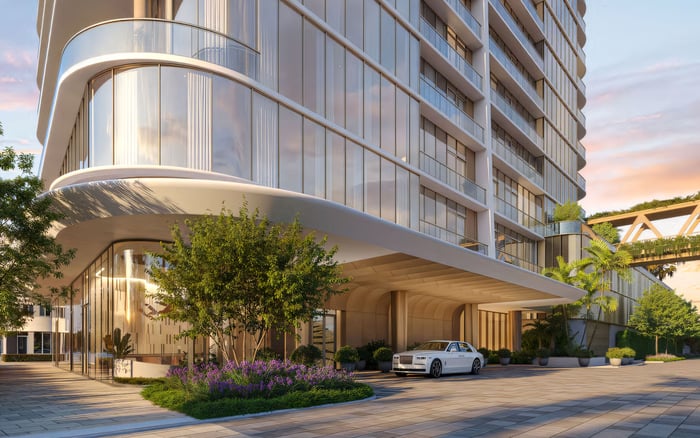
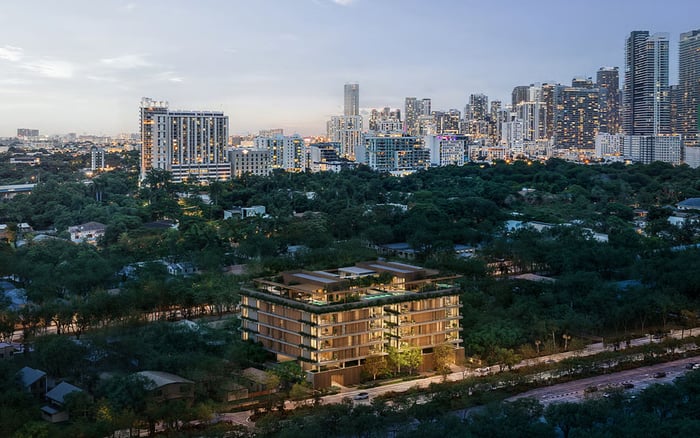
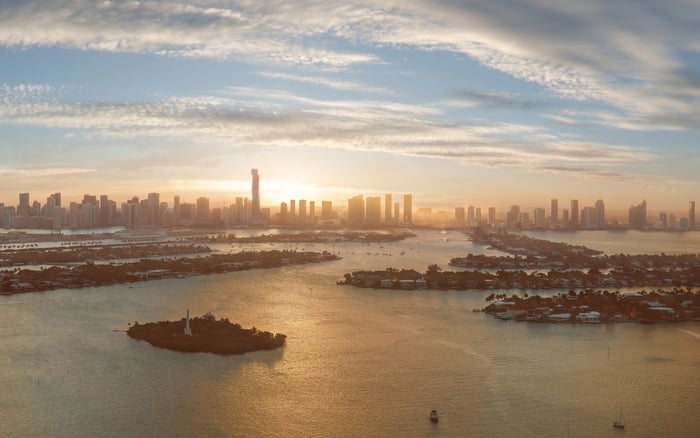
For part-time owners weighing Miami Design District against Brickell, the real distinction is not prestige but rhythm. Design District offers a curated, culture-first lifestyle shaped by galleries, luxury maisons, architecture, and nearby museum access, while Brickell delivers a denser urban system built around transit, offices, dining volume, and day-to-day ease. For South Florida buyers balancing seasonal use, rental strategy, and business travel, the choice comes down to whether they want residence as refuge and inspiration or residence as a highly efficient urban base.
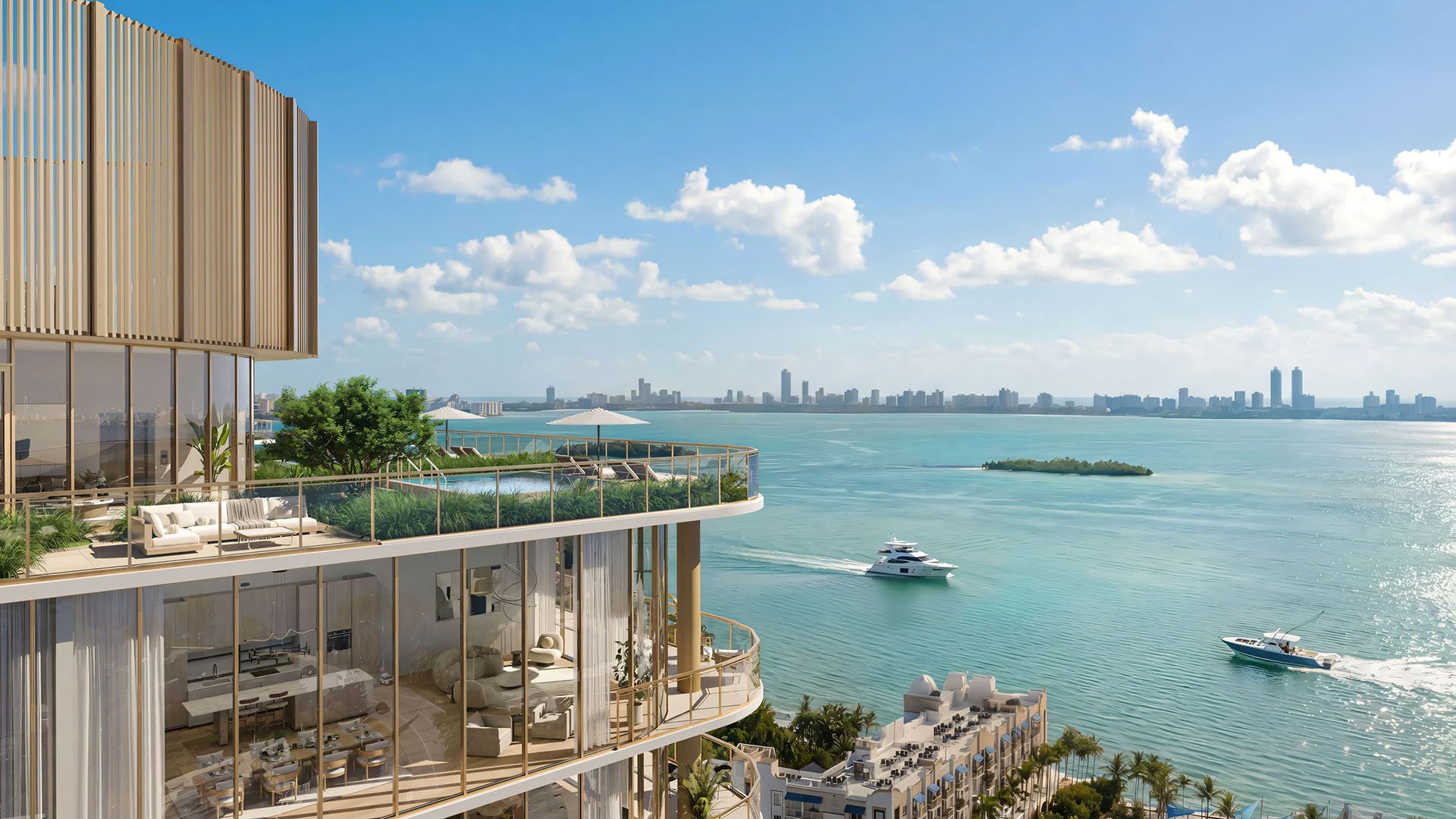
For the part-time buyer, Miami Design District and Brickell answer two distinct versions of luxury. Both suit owners seeking a polished Miami foothold, tax efficiency, and a neighborhood that feels elevated from the moment they arrive. The difference lies in what happens after check-in.
Miami Design District is the more edited proposition. It is defined less by ordinary convenience than by curation. Fashion flagships, contemporary art, architecture, and destination dining create a setting that feels intentional at every turn. For an owner who wants a residence to double as cultural immersion, that is the draw.
Brickell, by contrast, is Miami at full operational speed. It is the city’s financial core, with a dense matrix of services, residences, hotels, restaurants, fitness options, and transit. For part-time owners who arrive often, work between stays, or prefer to move through the city with minimal friction, Brickell is the more practical base.
That is why this comparison matters. One neighborhood is built around experience. The other is built around flow.
The Design District tends to suit the owner who sees real estate as an extension of taste. The neighborhood’s identity is shaped by a highly curated blend of fashion, art, food, and architecture, with flagship luxury houses reinforcing an atmosphere that feels international and deliberately composed rather than purely residential.
For seasonal buyers, that can be a meaningful distinction. Returning to the Design District feels less like resuming a routine and more like stepping back into a scene. Nearby museum access strengthens the case for buyers who value exhibitions, openings, and a sense of constant visual stimulation.
A buyer considering Kempinski Residences Miami Design District is effectively choosing proximity to a district where luxury retail and cultural programming shape the neighborhood’s tempo. Nearby, Miami Design Residences Midtown Miami also suits buyers who want to remain within reach of this more curated northern urban pocket.
The tradeoff is straightforward. The Design District is not the place most owners choose for routine errands executed at maximum efficiency. It is better understood as a refined enclave for those who place a premium on aesthetic surroundings and boutique experiences.
Brickell’s advantage is simple: everyday life is easier there. Walkability is stronger, services are denser, and the neighborhood connects directly to the Metrorail and Metromover network, allowing some owners to live with far less dependence on a car. For frequent flyers, that airport connection matters. For business travelers, so does the ability to move from residence to office, restaurant, meeting, and train within a compact urban core.
Brickell City Centre reinforces this convenience-driven lifestyle. Retail, dining, and open-air public space support a true live-work-stay environment, which is exactly what many part-time owners want when they are in residence for a long weekend or a short, business-heavy stay.
That urban practicality is also reflected in the project mix. Buyers seeking a polished waterfront or service-oriented address often look at St. Regis® Residences Brickell, while those prioritizing new trophy inventory may be drawn to The Residences at 1428 Brickell. At a slightly different expression of Brickell luxury, ORA by Casa Tua Brickell speaks to owners who want hospitality-inflected energy in the heart of the district.
For many buyers, Brickell does not ask them to choose between luxury and utility. It offers both, with a stronger emphasis on utility than almost any other premium urban neighborhood in Miami.
For part-time owners, lifestyle is only one side of the decision. The other is market structure.
Brickell generally offers broader condo inventory, which can matter for buyers who want more choice in layout, building style, and ownership strategy. The Design District’s residential universe is smaller and often feels more boutique by comparison.
That difference can influence flexibility. Brickell is often perceived as the deeper market, while the Design District is the more specialized one. For owners who plan to offset carrying costs or keep leasing optionality open, that distinction may matter.
The Design District can still work beautifully as a second-home market, particularly for international or seasonal buyers whose priority is not yield but experience. Yet when the ownership brief includes flexibility, utilization, and convenience, Brickell often presents the more forgiving structure.
Income is not every luxury buyer’s priority, but for many part-time owners it remains part of the underwriting. Here again, Brickell typically has the clearer advantage in perception because its renter pool is broad and its urban infrastructure supports frequent use.
Brickell serves business travelers, relocating executives, corporate renters, and residents who want immediate access to offices and services. The Design District draws a narrower, more lifestyle-led audience. That can be powerful for the right owner, but it usually means the residence is valued first as a pied-à-terre and only second as an income-producing asset.
For buyers focused on investment performance as much as personal enjoyment, Brickell generally reads as the more versatile play. For buyers focused on second-home pleasure, the Design District’s emotional return can outweigh the financial one.
Both neighborhoods offer polish, but they deliver it differently.
Brickell has more volume. There are more restaurants, more bars, more hotels, and more ways to improvise an evening. That makes it well suited to owners who entertain often or want variety without planning ahead. The neighborhood’s downtown energy also makes it a natural fit for weekday dinners, client meetings, and spontaneous social calendars.
The Design District is more selective. Fewer venues, more curation. For some buyers, that is precisely the luxury. Nights out feel chosen rather than abundant. The social rhythm is less about quantity and more about atmosphere, design, and a sense of discovery.
This is why the strongest buyers usually know their answer instinctively. If they want a neighborhood that performs like an elegant urban machine, they choose Brickell. If they want one that feels like a beautifully edited cultural address, they choose the Design District.
Choose the Design District if your Miami life is built around exhibitions, fashion, architecture, boutique dining, and a sense that every outing should feel intentional. It is especially compelling for art- and design-driven seasonal owners who treat the city as a cultural retreat.
Choose Brickell if your stays are frequent, your schedule is active, and your version of luxury includes efficiency. It is better for owners who mix business and leisure, prefer transit access, value walkability, and may want stronger rental optionality.
For clients, the decision is rarely about which neighborhood is objectively better. It is about which one more closely matches the cadence of ownership. In Miami, the finest addresses are not interchangeable. They are instruments tuned to different lives.
Is Brickell better than the Design District for part-time owners? Brickell is usually better for owners who prioritize convenience, transit access, and rental flexibility. The Design District is stronger for those who value culture and a more curated lifestyle.
Which neighborhood is more walkable? Brickell generally leads on walkability because daily services, dining, and transit are concentrated more tightly within the neighborhood.
Is the Design District more luxurious than Brickell? Both are luxury markets, but they express that luxury differently. The Design District feels more fashion- and culture-led, while Brickell feels more urban and service-oriented.
Which area is better for business travelers? Brickell is typically the better fit because it connects more easily to transit, offices, hotels, and airport-oriented movement across the city.
Does the Design District work well as a second home? Yes. It is especially appealing for buyers who want a pied-à-terre surrounded by art, architecture, and curated dining.
Which neighborhood has stronger rental potential? Brickell generally offers a stronger rental orientation because of its broader condo inventory and wider tenant base.
Does Brickell offer more residential choice? In general, yes. Brickell tends to provide more options across building styles and ownership preferences than the smaller Design District market.
Is Brickell too busy for seasonal owners? For some buyers, its energy is a benefit because it keeps the neighborhood active year-round. Others may prefer the Design District’s more edited atmosphere.
What kind of buyer is drawn to the Design District? It tends to attract design-conscious and seasonal owners who want a home tied closely to culture rather than routine convenience.
What is the best way to shortlist comparable options for touring? Start with location fit, delivery status, and daily lifestyle priorities, then compare stacks and elevations to validate views and privacy.
For a tailored shortlist and next-step guidance, connect with MILLION Luxury.
If branded residences are on your mind — as a home or as an allocation — we would be glad to share what we are seeing, privately.
Begin a quiet conversation