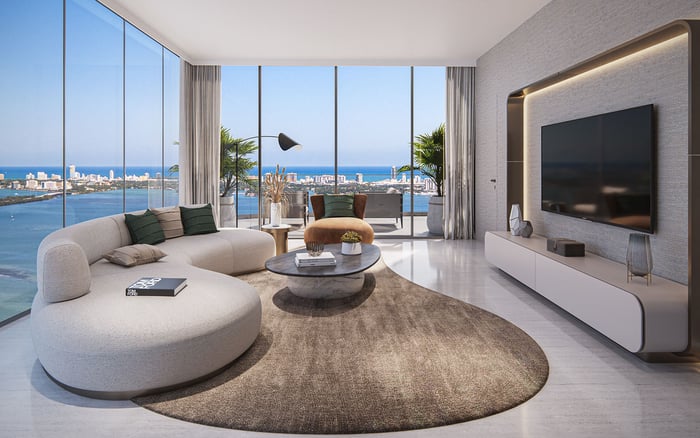
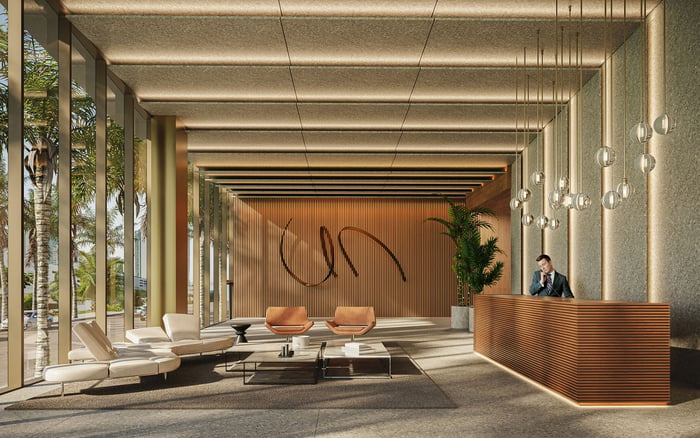
A seasonal buyer’s guide to evaluating sommelier access, wine-room protocols, entertaining expectations, and ownership questions at The Cove Residences Edgewater.
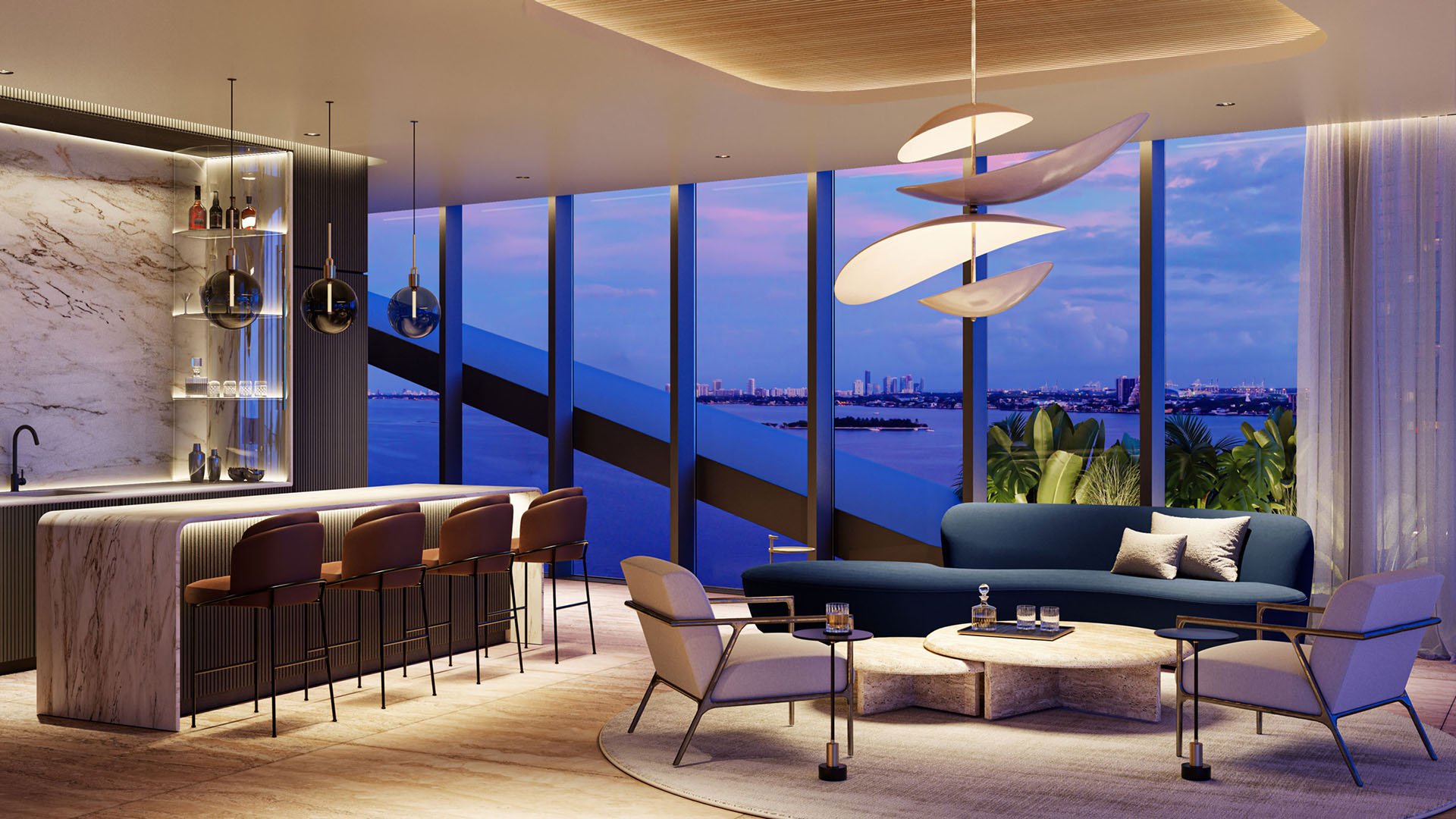
For a seasonal buyer, the appeal of The Cove Residences Edgewater is not only a private address in Edgewater. It is how well the residence supports a compressed, high-intensity calendar. A winter stay may include family arrivals, guests from New York or Europe, intimate dinners before the arts season, or a quiet weekend after travel. In that rhythm, sommelier and wine-room services can become more than decorative amenities. They can influence how gracefully a second residence functions.
The key is to evaluate the service as a practical ownership feature, not a lifestyle flourish. A wine room may photograph beautifully, but its real value depends on storage discipline, access rules, staff training, temperature reliability, inventory procedures, and the way private events are handled. Seasonal buyers should ask whether the offering is designed for occasional tastings, resident storage, curated pairings, private dining support, or a more formal hospitality layer.
This distinction matters because second-home ownership is often defined by absence. The owner is not always present to oversee deliveries, update preferences, or manage a cellar. The better question is not whether wine is available, but whether the building can support a buyer’s habits when that buyer is in residence for only part of the year.
Luxury residential wine amenities typically fall into two broad categories. Some are primarily social, designed as elegant rooms for tastings, resident gatherings, and private entertaining. Others are more service-driven, with protocols for curation, pairing, bottle handling, and resident-specific preferences. Seasonal buyers should understand where The Cove Residences Edgewater sits on that spectrum before assigning value to the feature.
A sommelier component, if offered, should be examined through a hospitality lens. Is the service available on demand, by appointment, for scheduled events, or only through curated programming? Can a resident request pairing guidance for a private dinner? Are recommendations tailored to the resident’s own collection, or to bottles procured for an event? Are there limitations on outside wine, corkage, delivery timing, or storage duration?
These questions are not overly technical. They are the difference between a room that is occasionally enjoyed and a service that meaningfully improves the seasonal living experience.
The wine-room conversation should quickly move from ambiance to operations. If resident storage is part of the offering, buyers should ask how bottles are logged, how inventory is tracked, who may access the storage area, and what procedures apply when a bottle is retrieved. A well-run wine environment depends on temperature stability, clear custody, and consistent documentation.
Seasonal owners should also ask what happens while they are away. Can deliveries be received in the owner’s absence? Is there a process for adding bottles to a private allocation? Who confirms condition upon arrival? If a collection is valuable, rare, or sentimentally important, a buyer may want written clarity before relying on any shared or building-managed storage.
The same applies to private events. A terrace dinner overlooking the city may be a defining pleasure of Miami ownership, but it requires coordination. Ask whether staff can help stage glassware, decanting, bottle pacing, and post-event handling. If the answer is informal, that may be perfectly acceptable for some buyers. For others, especially those who entertain often, the details should be understood before contract decisions are made.
Edgewater has become one of Miami’s most watched residential corridors because it offers a waterfront lifestyle with close proximity to cultural, dining, and business districts. For buyers comparing Edgewater with Brickell or Downtown, the wine-room question is part of a broader evaluation of pace. Brickell often reads as financial, vertical, and high-energy. Downtown brings cultural and civic adjacency. Edgewater can feel more residential while still connected to the city’s core.
That positioning is useful for seasonal owners who want the convenience of Miami without feeling that every evening must be public. A well-conceived wine program can reinforce that quieter side of ownership. It allows residents to host in a controlled setting, entertain without defaulting to restaurants, and create a rhythm that feels private rather than performative.
For investment-minded buyers, the amenity should still be treated carefully. Wine service can strengthen the narrative of a residence, but it should not replace fundamentals: floor plan, views, building management, maintenance expectations, and the long-term desirability of the neighborhood. A waterview residence with strong service execution will usually speak more clearly to discerning buyers than a loosely defined lifestyle amenity without operational depth.
Buyers should begin with the offering documents and current service descriptions, then confirm details directly through the appropriate sales or management channels. The objective is not to interrogate the feature, but to understand exactly what is included and what is aspirational.
Ask whether sommelier services are included in regular ownership costs or billed separately. Ask whether wine-room reservations are private, shared, or event-based. Ask whether bottle storage, procurement, and pairing guidance are included, limited, or subject to availability. Ask whether the service provider is permanent, rotating, or programming-based. Finally, ask what standards apply to food, glassware, outside caterers, and after-hours use.
New-construction buyers should pay particular attention to timing. Amenities can evolve between sales, delivery, and stabilization. A service that is planned may not operate in its final form immediately. That is not unusual, but seasonal owners should understand the transition period, especially if they expect to use the residence heavily during peak winter months.
In ultra-premium buildings, shared amenities work best when residents understand the boundaries. Wine rooms are intimate by nature. They are not lobbies, lounges, or casual overflow spaces. The best experiences tend to come from reservation discipline, thoughtful guest counts, and respect for the building’s service culture.
Seasonal buyers should consider how often they realistically entertain. A buyer who hosts two important dinners each season may need high-touch coordination. A buyer who enjoys occasional tastings may value programming more than private storage. A collector may prioritize custody and climate controls. A social owner may care most about room design and ease of booking. None of these preferences is superior, but each creates a different definition of value.
The most refined approach is to match the amenity to personal behavior. If wine is central to the way the owner lives, the service deserves close review. If it is incidental, the room may still be a pleasure, but it should not drive the purchase decision.
The Cove Residences Edgewater belongs in a broader conversation about how Miami’s next generation of luxury residences is moving beyond pools, fitness rooms, and view corridors into more specialized hospitality. Sommelier and wine-room services can be genuinely valuable, but only when the operational model is clear.
For seasonal buyers, the most important questions are simple: Will the service be available when I am here? Will my preferences be remembered? Can my guests be served discreetly? Can bottles be stored, retrieved, and handled with confidence? Will the experience feel private rather than generic?
If those answers align with the buyer’s lifestyle, wine service can become one of the quiet signatures of ownership. If they do not, the buyer should treat the amenity as a beautiful addition rather than a deciding factor.
Should seasonal buyers prioritize sommelier services at The Cove Residences Edgewater? They should prioritize them only if wine, private dining, or frequent entertaining is part of their seasonal routine.
What is the most important wine-room question to ask first? Ask whether the wine room is primarily a social amenity, a storage amenity, or a true service platform.
Can a wine room add value to a second-home purchase? It can, especially when the service is well managed and aligns with how often the owner uses the residence.
Should buyers assume bottle storage is included? No. Storage, access, inventory, and delivery procedures should be confirmed before relying on the amenity.
Is sommelier access usually the same as restaurant service? Not necessarily. Buyers should clarify availability, scheduling, event support, and any separate charges.
Why does Edgewater appeal to wine-focused seasonal owners? Edgewater offers an urban waterfront setting that can support private entertaining without relying solely on restaurants.
How should investment buyers view wine amenities? They should see them as a lifestyle enhancer, not a substitute for views, layout, management, and location strength.
What should new-construction buyers watch closely? They should confirm when services begin, how they may evolve, and whether early operations differ from the final plan.
Does a waterview residence make wine entertaining more compelling? It can, because the setting adds atmosphere, but the service protocols still determine the quality of the experience.
Can a terrace dinner benefit from building-level wine support? Yes, if coordination includes timing, glassware, bottle handling, and clear rules for private use.
For a tailored shortlist and next-step guidance, connect with MILLION.
If branded residences are on your mind — as a home or as an allocation — we would be glad to share what we are seeing, privately.
Begin a quiet conversation