A buyer-focused comparison of Miami Design District and Wynwood for full-time South Florida living, weighing daily rhythm, privacy, mobility, amenities, and long-term fit.
Choosing between Miami Design District and Wynwood is not simply a matter of taste. For full-time South Florida living, the more important question is how each neighborhood performs on an ordinary Tuesday morning, a humid Sunday evening, or a week when work, family, fitness, dinner, guests, deliveries, and pets all need to fit without friction.
Both neighborhoods appeal to buyers who want Miami to feel current rather than conventional. Both are associated with culture, design, dining, and a more urban expression of luxury than the private-island or oceanfront model. Yet they support daily life in different ways. Miami Design District feels more composed, curated, and residentially adjacent. Wynwood is more kinetic, creative, and socially porous. One offers polish as a daily backdrop. The other offers immediacy.
For a primary residence, that distinction matters. A second-home owner may prize energy above all else. A full-time owner needs a neighborhood that can be lived in repeatedly without becoming exhausting.
Miami Design District is often the stronger choice for buyers who want the city without surrendering the order that makes a primary home restorative. Its appeal is not only visual. It is behavioral. The area supports a more edited routine, where dining, design, wellness, shopping, and meetings can fold into the week without the atmosphere feeling improvised.
For a full-time resident, this can translate into a quieter kind of luxury. The best days are not necessarily spectacular. They are smooth. Coffee before appointments, a late lunch, a short drive to Brickell, dinner arranged without logistical drama, and a return home that still feels private. Buyers who have lived in larger global cities often understand this immediately. A neighborhood does not need to be sleepy to be livable. It needs to be legible.
The Design District side of the decision also favors those who are highly sensitive to presentation. Architecture, landscaping, storefronts, and public-facing spaces matter more when they are part of daily life, not just an occasional outing. If the environment around the home is an extension of personal brand, the Design District can feel more aligned with a collected, design-forward household.
Wynwood is better suited to buyers who want their home base close to creative momentum. It rewards people who enjoy visible energy, spontaneous plans, and a neighborhood that feels constantly interpreted by its residents, visitors, artists, restaurateurs, and entrepreneurs.
For some full-time buyers, that is precisely the point. Wynwood does not ask to be neutral. It has a stronger personality. A resident who works in a creative field, entertains often, or prefers a social neighborhood over a polished enclave may find Wynwood more compelling. The lifestyle is less about retreating from the city and more about participating in it.
The trade-off is that participation requires tolerance. Full-time residents should think carefully about sound, traffic patterns, parking expectations, guest arrival, building security, and how much activity they want immediately outside the front door. Wynwood can be exhilarating when it matches a buyer's temperament. It can feel less effortless when the desired mood is calm.
In South Florida, luxury is often discussed through views, finishes, amenities, and brand names. For a full-time life, convenience is just as important. The right neighborhood should reduce the number of small negotiations required each day.
A buyer comparing Miami Design District and Wynwood should consider how often they drive to Downtown, Edgewater, Brickell, Miami Beach, or Coconut Grove, and whether those movements feel natural from the chosen address. Commute tolerance is personal. So is the definition of convenience. For one owner, it may mean being close to restaurants and galleries. For another, it may mean a smoother school run, easier medical appointments, a reliable gym routine, or a building where deliveries and guests are handled with discretion.
This is where the Design District often has the edge for full-time residential rhythm. It tends to suit households that want urban access without feeling absorbed by nightlife. Wynwood, by contrast, may be the better fit for buyers who want to compress social life, creative life, and home life into the same compact geography.
Neither answer is universally superior. The stronger choice is the one that removes daily resistance.
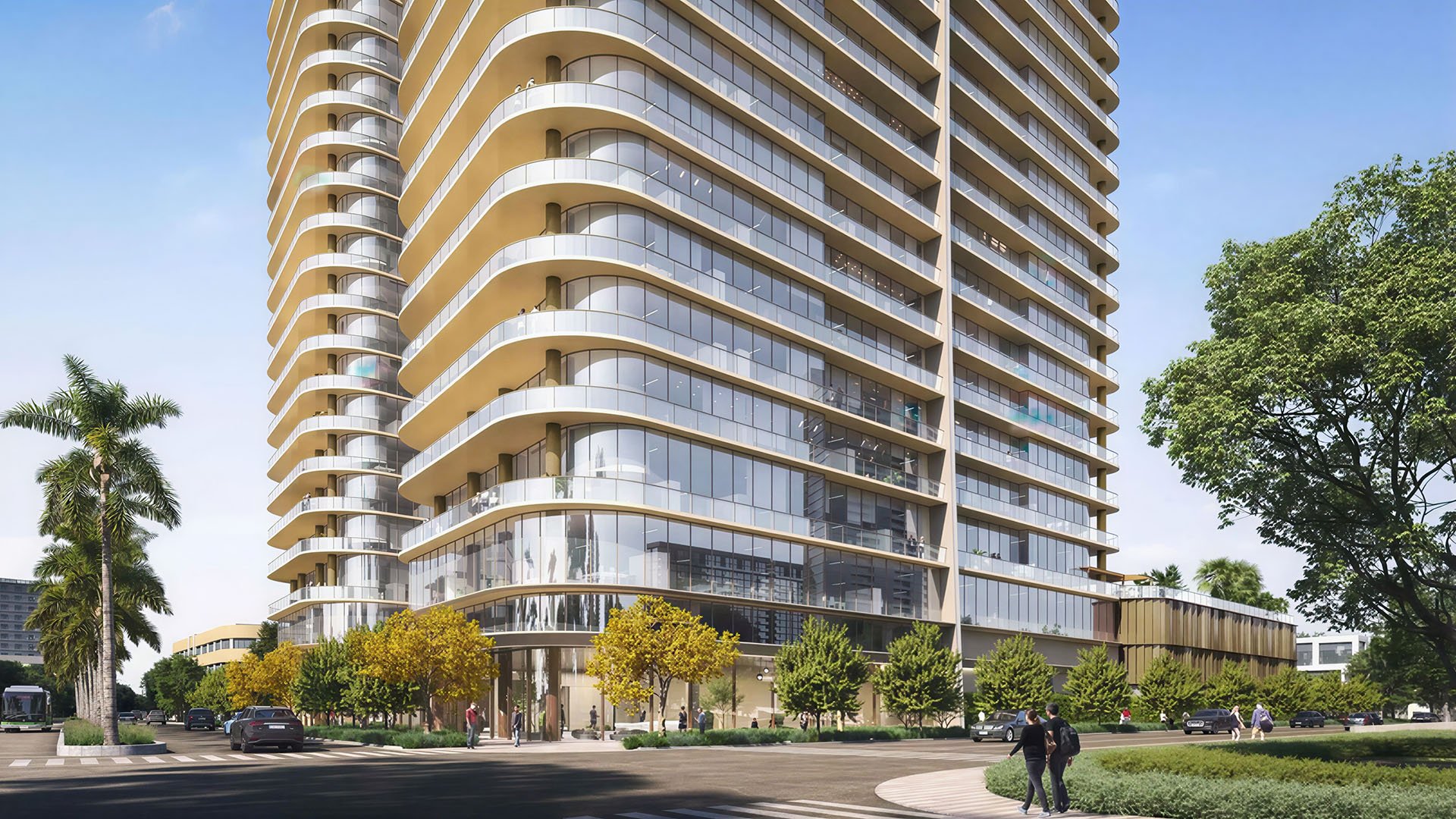
The neighborhood is only half the decision. The building matters just as much, particularly in an urban setting where the transition from public energy to private residence needs to be carefully managed.
Full-time buyers should look beyond lobby aesthetics. The more practical questions are revealing. Is arrival intuitive during busy hours? Is valet or self-parking aligned with how the household actually lives? Does the elevator sequence feel private? Is there a meaningful balcony, or is outdoor space more symbolic than useful? Are service areas organized? Can staff manage vendors, drivers, private chefs, trainers, and guests without turning the residence into a point of congestion?
For buyers with pets, the distinction becomes even sharper. The best urban residence is not simply pet-friendly as a policy. It works physically, with easy exits, sensible walking routes, durable common areas, and a building culture that understands full-time ownership rather than occasional occupancy.
A pool, spa, fitness suite, or club room can be valuable, but only when each is part of a larger operating experience. Amenities do not compensate for a building that feels stressful at arrival or exposed at departure.
Miami Design District is likely the better fit for the buyer who wants refinement, design literacy, and a more controlled relationship with the city. This person may entertain, but not necessarily every night. They may value restaurants and retail, but they also value the ability to step away. They want proximity without performance.
Wynwood is likely the better fit for the buyer who feels energized by change. This person wants the neighborhood to have texture. They may prefer a residence that places them closer to nightlife, studios, hospitality concepts, and a younger cultural current. They do not need every block to feel finished. They may even prefer that it does not.
For families, frequent travelers, or buyers who split time between South Florida and another major city, the Design District may feel more adaptable as a primary base. For entrepreneurs, collectors, creatives, or socially active owners, Wynwood may offer a more direct connection to the city they moved to experience.
The important point is to distinguish aspiration from habit. Many buyers are attracted to the idea of Wynwood. Many are attracted to the image of the Design District. But the correct residential decision is made by studying repetition: where one wants to wake up, park, walk, work, host, rest, and return home week after week.
If the priority is the most balanced full-time lifestyle, Miami Design District has the advantage. It offers a more composed version of urban Miami, with enough energy to feel connected and enough polish to feel sustainable. For buyers who are relocating, upgrading, or consolidating life around a primary residence, that balance is difficult to overstate.
Wynwood remains a powerful choice for the right owner. It is more expressive, more informal, and often more emotionally immediate. It should not be dismissed as merely a nightlife or art-driven neighborhood. For some buyers, it is precisely the environment that makes Miami feel alive.
Still, full-time living rewards consistency. The neighborhood that feels glamorous on a Saturday may not be the one that best supports a disciplined Monday. The best address is the one that accommodates ambition and recovery in equal measure.
For most luxury buyers seeking a primary South Florida base, the Design District is the more complete answer. For buyers who define luxury as proximity to creative energy, Wynwood may be the more honest one.
Is Miami Design District better than Wynwood for full-time living? For many luxury buyers, yes. It tends to offer a more composed daily rhythm while keeping urban Miami close.
Is Wynwood a good choice for a primary residence? It can be, especially for buyers who value creative energy, social access, and an expressive neighborhood atmosphere.
Which neighborhood feels more private? Miami Design District generally feels more controlled in tone, while Wynwood often feels more open and active.
Which area is better for buyers who entertain often? Wynwood may suit frequent social entertaining, while the Design District may better support more polished hosting.
Should building quality matter more than neighborhood choice? Yes. In an urban setting, the building experience can determine whether daily life feels calm or complicated.
Is Brickell a better alternative for full-time buyers? Brickell can work well for buyers who want a financial-district lifestyle, but it offers a different rhythm from both areas.
How does Edgewater fit into this comparison? Edgewater may appeal to buyers who want a more residential waterfront feel near the same broader urban orbit.
Is Downtown convenient from these neighborhoods? Downtown can be part of the daily pattern for many buyers, depending on work, dining, cultural, and driving preferences.
Do pets change the decision? Yes. Buyers with pets should prioritize building operations, walking routes, elevator flow, and outdoor practicality.
What is the simplest way to decide between them? Choose the neighborhood that best supports your weekday routine, not the one that only feels exciting on weekends.
When you're ready to tour or underwrite the options, connect with MILLION.
If branded residences are on your mind — as a home or as an allocation — we would be glad to share what we are seeing, privately.
Begin a quiet conversation