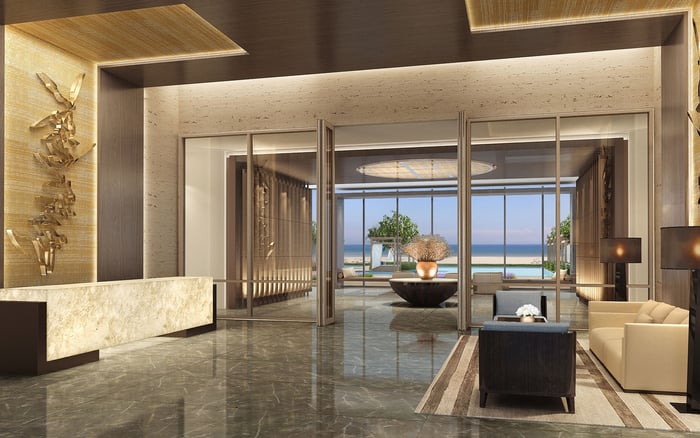
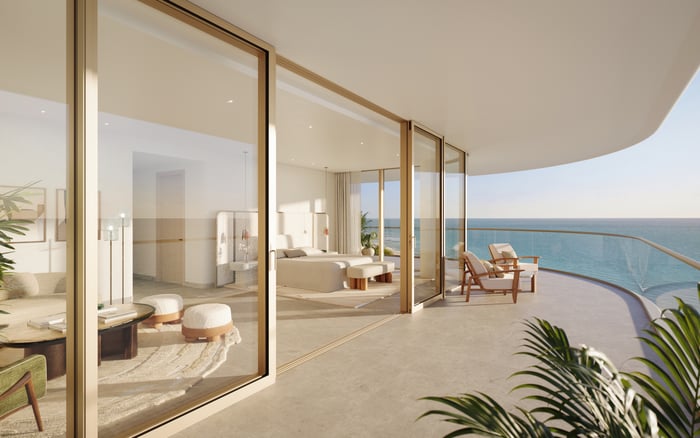
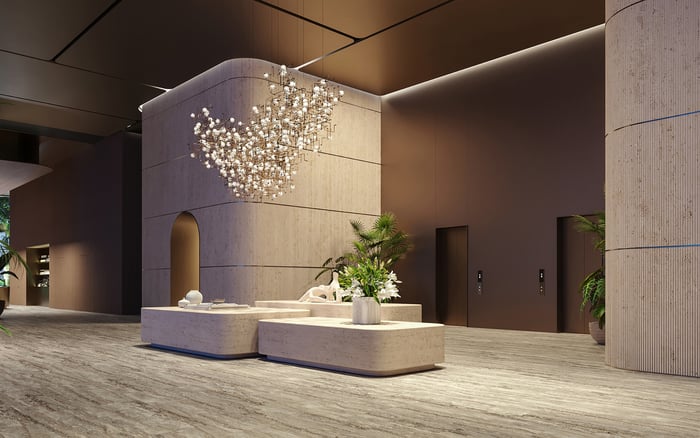
At Miami Beach’s highest end, wellness is no longer confined to the spa. It is increasingly designed into the private realm, with the primary suite evolving into a quiet, performance-oriented sanctuary. This editorial examines what that shift means for buyers evaluating The Perigon Miami Beach, and how to pressure-test “wellness” as livable value rather than marketing language.
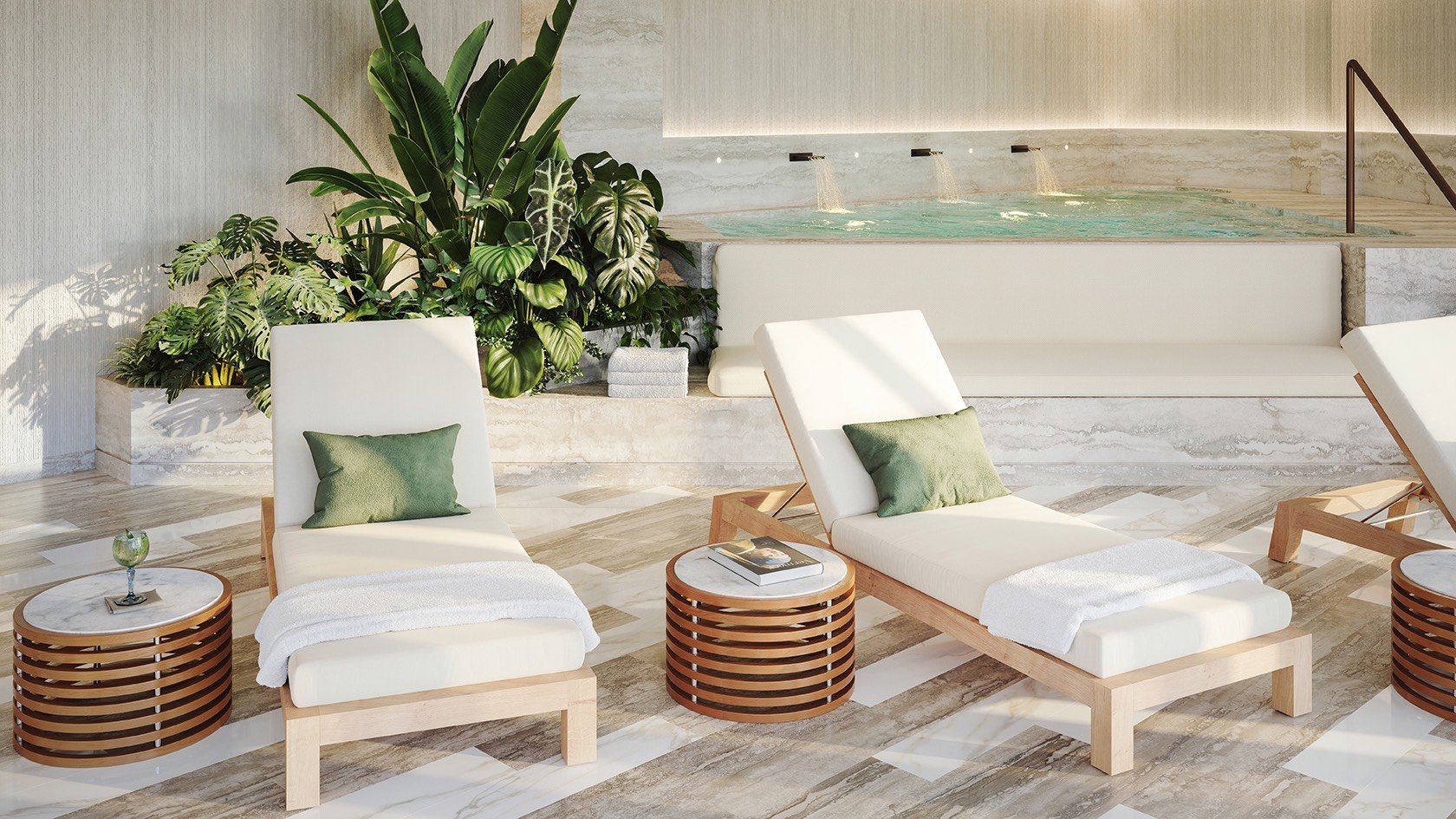
In Miami Beach’s ultra-premium tier, wellness has evolved. Statement amenities still matter, but the most meaningful comfort is increasingly experienced behind a private door: the primary suite. For buyers considering The Perigon Miami Beach, the real question is not whether the building signals wellness-it’s how fully that promise shows up in the square footage you live in every day.
A “primary suite wellness sanctuary” is not a single feature. It’s the cumulative effect of choices that support restoration: proportions that calm rather than crowd, circulation that removes friction, and a bathing environment that reads as a retreat instead of a utilitarian afterthought. In a city where schedules are compressed and privacy is currency, the best suites function as personal health infrastructure.
This is where Miami Beach buyers have become discerning. They are not only selecting oceanfront; they are selecting the emotional tone of mornings and the decompression quality of nights. A modern primary suite is expected to do more than look refined. It should help you feel materially better.
When we talk about “footprint,” we are really talking about allocation and adjacency. A primary suite can be large and still fail the wellness test if square footage is lost to awkward corridors, misplaced doors, or an oversized bedroom paired with a compromised bath. Conversely, a more compact suite can feel exceptional when the plan supports a simple, repeatable rhythm.
For a buyer-focused review, begin by mapping three zones: sleep, dress, and bathe. The strongest sanctuaries treat these as a sequence-not three competing rooms.
Sleep zone: The bed wall, glazing, and primary entry should create a sense of control. You should be able to dim, quiet, and cool the room without fighting the architecture.
Dress zone: Storage should be accessible without repeatedly cutting through the sleep zone. Ideally, wardrobe access does not require passing guests or visible common areas.
Bathe zone: The bath should read as a destination, with room to pause. If the most comfortable place is the doorway, the plan is giving you a clear signal.
A suite earns the “wellness sanctuary” label when these zones are legible and frictionless. In Miami Beach, the plan must also anticipate sand, humidity, and the realities of a coastal wardrobe. The footprint should protect the bedroom from the operational mess of daily life.
Wellness is often marketed as an amenity, but it is lived as a set of environmental conditions. Primary suites succeed when natural light feels intentional, air feels clean and stable, and acoustics are treated with the discipline typically reserved for a recording studio.
In Miami Beach, this assessment becomes especially important because the setting is inherently active: ocean energy, neighborhood movement, and a building’s own mechanical life. A wellness-forward primary suite should reduce that sense of exposure.
Look for:
Daylight that is usable, not just dramatic. A room can be bright and still uncomfortable if glare dominates. The best suites support graded light: morning brightness, mid-day control, and evening softness.
Ventilation logic. Even with high-performance systems, the way rooms connect influences how fresh the suite feels. A bath that traps humidity or a dressing area that runs warm can quietly erode the sanctuary effect.
Acoustic separation. A primary suite should be insulated from elevator lobbies, trash chutes, service corridors, and high-traffic amenity levels. Within the suite, the bath should not project sound into the bedroom.
If your lifestyle is split between Miami Beach and a second residence, you may notice how differently “quiet” presents across neighborhoods. In Surfside, for example, the luxury experience often carries a composed, residential cadence. Many buyers cross-shop environments like Ocean House Surfside to calibrate what “restorative” truly feels like.
The primary bath is the emotional core of a wellness suite. At the luxury level, buyers are no longer persuaded by size alone. They’re evaluating atmosphere-whether the space supports routine and recovery.
A sanctuary bath tends to share a few consistent traits:
A tub that reads as an object, not an accessory. Placement matters. If the tub is wedged into a corner with no breathing room, it won’t become part of daily life.
A shower that feels architectural. Generous proportions, intuitive controls, and a sense of enclosure can turn a daily shower into a reset.
Lighting that flatters and calms. Bright task light is essential, but it should be balanced with lower, warmer options that avoid the “hotel bathroom at noon” effect.
Materials that are tactile and stable. Surfaces should feel good to the touch and hold their composure in coastal conditions.
In Miami Beach, where the outside world is visually rich, the primary bath often benefits from restraint. Wellness is not necessarily minimalism, but it is almost always clarity.
Closets are where wellness becomes operational. If the dressing area is cramped, overly bright, or exposed, the suite will read as functional rather than restorative. The best primary suites treat storage as architecture-not as leftover square footage.
Evaluate the dressing footprint for:
Two-person usability. Even if you live alone, resale value favors a dressing area that functions without negotiation.
Staging zones. A bench, a surface for jewelry, or a simple place to lay out clothing can materially improve the daily experience.
Separation from humidity. If the closet sits adjacent to the shower without adequate buffering, the dressing room will always feel compromised.
This is why some buyers compare Miami Beach offerings to the highly planned, service-oriented lifestyles found in newer towers. In Brickell, wellness often reads as performance and convenience, and the private realm tends to reflect that emphasis. Consider how projects like 2200 Brickell speak to efficiency, privacy, and daily ease-even in a very different neighborhood context.
The most useful question during a tour is not “is it beautiful?” but “is it repeatable?” Wellness sanctuaries are designed for routines that hold up during busy weeks.
When evaluating The Perigon, treat the primary suite as a system and walk it the way you would actually live it:
Arrival: Where do keys, devices, and bags land? Is there an intuitive drop zone that keeps clutter out of the sleep environment?
Transition: Can you move from bedroom to bath to dressing without awkward thresholds, tight turns, or door conflicts?
Temperature: Does the suite feel consistent across zones? If the bath runs warm while the bedroom runs cool, you may find yourself avoiding parts of the suite.
Privacy: Stand still and listen. Then close the door and listen again. A sanctuary is defined as much by what you don’t hear as what you do.
Night mode: Picture a partner sleeping while you use the bath. Does the plan support quiet independence?
These checkpoints quickly reveal whether the footprint is genuinely wellness-forward-or simply generous.
Miami Beach sets a distinct standard: glamor is assumed, but true luxury increasingly reads as personal calm. Buyers with experience across South Florida markets recognize that “wellness” carries different accents from place to place.
Miami-beach: Wellness is privacy, light control, and a suite that buffers the outside world.
Sunny-isles: Wellness often comes through verticality and expansive views, with suites that prioritize spectacle and separation.
Hallandale: Wellness can feel resort-like, with a lifestyle emphasis that extends from the beach to the private realm.
That is why some buyers triangulate their preferences by looking up and down the coastline. A project such as 2000 Ocean Hallandale Beach can be a useful comparison point for how resort sensibility and residential privacy intersect, even when the neighborhood character differs.
Ultimately, the question at The Perigon is whether the primary suite footprint supports the wellness that matters most to you: deep sleep, effortless mornings, quiet bathing, and a space that feels protected.
Primary suite wellness stops being a “trend” when it is executed as architecture. It becomes durable value because it shapes the daily experience more than any rooftop feature.
For a buyer, the most convincing wellness sanctuary is one that:
Reduces decision fatigue with a plan that simply works.
Creates sensory control through light, sound, and temperature management.
Supports privacy in a way that feels intentional rather than accidental.
Ages well because materials and layouts prioritize long-term livability.
At this level, wellness isn’t a slogan. It’s the compound interest of comfort.
What is a “primary suite wellness sanctuary” in a luxury condo context? It is a primary suite designed to support restoration through layout, privacy, and a calming bathing and dressing experience.
Why does the suite footprint matter more than a long amenity list? Because you use the primary suite daily, and small plan inefficiencies can erode comfort over time.
What layout feature most strongly signals wellness? A clear progression from bedroom to bath to dressing that feels intuitive and reduces friction.
How can I test acoustic privacy during a tour? Stand quietly with the door open and closed; listen for corridor noise, mechanical hum, and neighbor transmission.
What should I look for in a wellness-forward primary bathroom? Space to pause, layered lighting, and a shower and tub layout that feels intentional rather than leftover.
Do larger bedrooms automatically create a better sanctuary? Not necessarily; proportion, light control, and adjacency often matter more than sheer square footage.
How does Miami-beach influence wellness design priorities? Coastal conditions elevate the importance of humidity control, privacy buffering, and practical storage planning.
Is a separate dressing room essential for a wellness suite? It helps, but strong built-in storage and a usable staging zone can create similar calm in a tighter footprint.
What is the biggest red flag that a suite is not truly wellness-oriented? When the bath or closet feels compromised, noisy, or disconnected from the bedroom’s sense of calm.
How should I compare The Perigon to other South Florida luxury towers? Use a consistent checklist focused on light, sound, plan efficiency, and how restorative the suite feels day to day.
When you're ready to tour or underwrite the options, connect with MILLION Luxury.
If branded residences are on your mind — as a home or as an allocation — we would be glad to share what we are seeing, privately.
Begin a quiet conversation