A buyer-focused comparison of The Links Estates at Fisher Island and Palm Beach Residences, examining privacy, governance, service depth, social culture, and daily ownership rhythm.
For the ultra-premium buyer, the choice between The Links Estates at Fisher Island and Palm Beach Residences is not simply a choice between prestigious addresses. It is a decision about how privacy is produced, how service is delivered, how neighbors relate to one another, and how daily life feels once the purchase settles into routine.
Both settings speak the language of quiet luxury, but in fundamentally different ways. On Fisher Island, quiet luxury is operational. It is expressed through controlled access, separation from the mainland, discretion, and a club-centric environment where management and service shape the rhythm of ownership. In Palm Beach, quiet luxury is cultural. It is rooted in civic identity, established wealth, architectural variety, and a residential town atmosphere that has matured over time.
That distinction matters because the most successful ownership decisions rarely begin with surface aesthetics. They begin with fit. A residence can be beautifully conceived and still feel wrong if the surrounding culture, access pattern, and service infrastructure do not align with the owner’s life.
The Links Estates at Fisher Island represents the more controlled side of South Florida luxury. Its value proposition is inseparable from the private-island context, where separation from the mainland is not incidental but central to the experience. For buyers who prioritize discretion and a highly managed environment, this model offers a clear philosophical advantage.
The Fisher Island side of the comparison is best understood as a residential micro-state. Governance, privacy, and service infrastructure are not background details. They are part of the property’s lived character. The island setting encourages a more insulated rhythm, with club life, maritime orientation, and access control forming the practical architecture of daily comfort.
Here, Fisher Island becomes more than a location marker. It signals a preference for a contained ecosystem, where the outside world is intentionally filtered and where ownership is shaped by systems as much as by design. For certain buyers, that is the purest expression of discretion.
Palm Beach Residences offer another expression of restraint, one grounded less in insulation and more in continuity. Palm Beach is socially established, architecturally varied, and connected to a broader town culture. Its high-end residential fabric can include oceanfront estates, in-town compounds, and discreet condominium buildings, creating a more layered environment than a single private-island model.
The Palm Beach ownership experience is not about withdrawing into a fully controlled enclave. It is about belonging to a mature residential setting with its own codes of discretion. Privacy exists, but it is often supported by tradition, social norms, property scale, and an ingrained culture of understatement rather than by a singular access system.
That makes Palm Beach compelling for buyers who want quiet luxury with civic texture. The appeal is not only the residence itself, but the sense of continuity around it. The town environment gives ownership a broader cultural frame, one that can feel especially natural for families, legacy buyers, and owners who value social familiarity without overt display.
In both markets, physical product is only part of the equation. The deeper question is how building culture and governing culture shape the day after closing. What is the tone of the community? How visible is service? How much friction exists between arrival, privacy, recreation, and daily logistics? These are not secondary concerns at the highest end of the market. They are often the real differentiators.
At The Links Estates at Fisher Island, the ownership culture reads as controlled, private, club-based, and concierge-intensive. The surrounding environment supports a more managed daily life, with separation and discretion built into the broader island identity. Buyers who respond to this model often see the residence as part of a complete lifestyle platform.
Palm Beach Residences operate differently. The experience is connected to an established residential town ecosystem, where architecture, neighborhood identity, social norms, and history combine to create a quieter form of permanence. The culture is less about an insulated resort-club environment and more about living within a town whose luxury is carried through restraint, continuity, and embedded status.
Concierge depth is central to this comparison because service is where quiet luxury becomes tangible. On Fisher Island, service depth aligns with the broader private-island proposition. Access, discretion, and management are part of the appeal, especially for buyers who expect a seamless transition between residence, club environment, and waterfront rhythm.
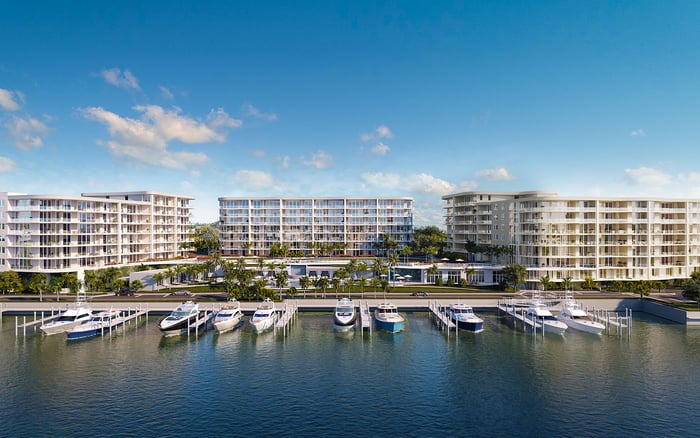
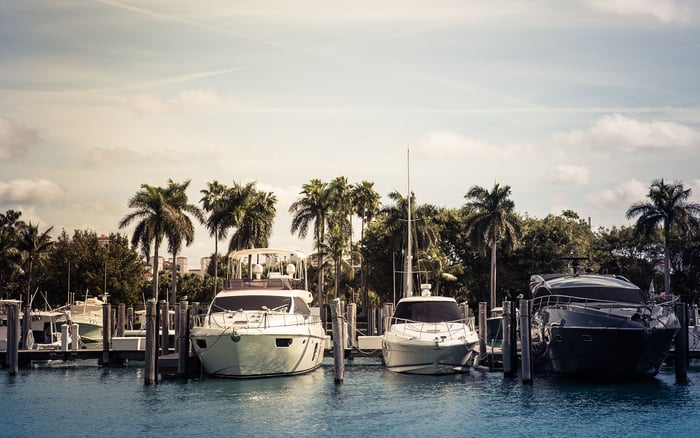
Golf and marina priorities can further clarify fit. Fisher Island’s appeal is closely associated with a club-centric, maritime-oriented environment, which can suit owners who want recreation, arrival, and social life to feel integrated into a contained setting. This is quiet luxury as infrastructure, where the value lies in the way the environment operates.
Palm Beach approaches leisure and service through a different lens. Oceanfront ownership, in-town living, and discreet condominium residences can coexist within the same market, giving buyers multiple ways to express permanence. The service expectation remains high, but the experience is filtered through the town’s established residential culture rather than a single private-island operating model.
The right answer depends on temperament as much as wealth. Buyers drawn to Fisher Island may value a more protective environment, where privacy is actively managed and daily life is organized around a club-centered island ecosystem. They may see controlled access not as a constraint, but as a benefit that preserves calm and reduces exposure.
Buyers drawn to Palm Beach may prefer a quieter form of integration. They may want privacy without feeling removed from a town identity, and they may value the architectural variety and historical layering that come from a more mature residential environment. For them, ownership is enriched by continuity, not enclosure.
Neither model is inherently superior. The distinction is whether the buyer wants an insulated resort-club ecosystem or an established residential-town ecosystem. Both can support long-term enjoyment. Both can serve as expressions of capital aligned with lifestyle. The difference is in the daily rhythm, and daily rhythm is where luxury either becomes effortless or begins to feel misaligned.
For South Florida’s most discerning buyers, the comparison should be approached with precision. The Links Estates at Fisher Island suits an owner who wants privacy to function as a system, with governance, access, service, and club life reinforcing one another. Palm Beach Residences suit an owner who wants quiet luxury to feel historically grounded, socially established, and connected to a broader town culture.
This is why the decision should move beyond headline pricing, views, or finishes. At this level, ownership is defined by the invisible architecture around the home: who controls access, how service is delivered, what social tone prevails, and how naturally the setting supports the life the buyer actually intends to live.
Is The Links Estates at Fisher Island more private than Palm Beach Residences? It is positioned around a private-island ownership experience where controlled access and separation from the mainland are part of the value proposition.
Is Palm Beach less discreet than Fisher Island? Not necessarily. Palm Beach expresses discretion through social continuity, established wealth, and a mature town culture rather than through a private-island model.
Which setting is better for a club-centered lifestyle? Fisher Island is the stronger fit for buyers who want a club-centric, highly managed, maritime-oriented environment.
Which setting feels more historically layered? Palm Beach offers the more mature and historically layered ownership environment, with civic identity and architectural variety shaping the experience.
Does this comparison depend mainly on geography? No. The more important question is how each setting aligns with lifestyle, privacy needs, service expectations, and long-term enjoyment.
What makes Fisher Island quiet luxury operational? Its quiet luxury is expressed through access control, discretion, service depth, governance, and the daily systems that support privacy.
What makes Palm Beach quiet luxury cultural? Its quiet luxury is rooted in established social norms, historical continuity, architectural variety, and connection to a broader town identity.
Can Palm Beach include different residential formats? Yes. Its high-end market can include oceanfront estates, in-town compounds, and discreet condominium buildings.
Which option is better for long-term ownership fit? The better fit depends on whether the owner prefers an insulated resort-club ecosystem or an established residential-town ecosystem.
What should buyers evaluate beyond the residence itself? Buyers should evaluate access, governance, concierge depth, social culture, privacy mechanics, and the daily rhythm of ownership.
When you're ready to tour or underwrite the options, connect with MILLION.
If branded residences are on your mind — as a home or as an allocation — we would be glad to share what we are seeing, privately.
Begin a quiet conversation