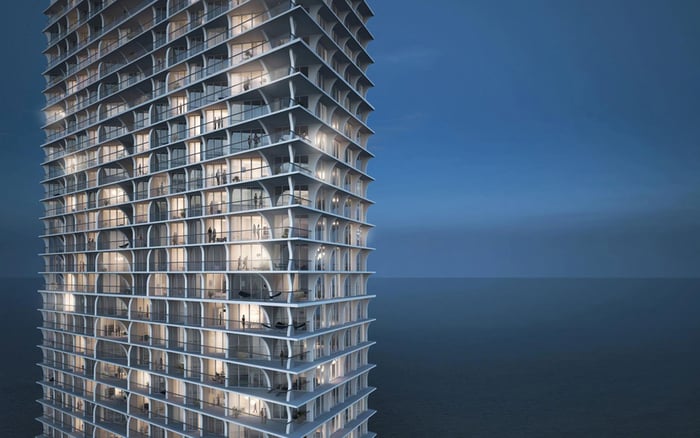
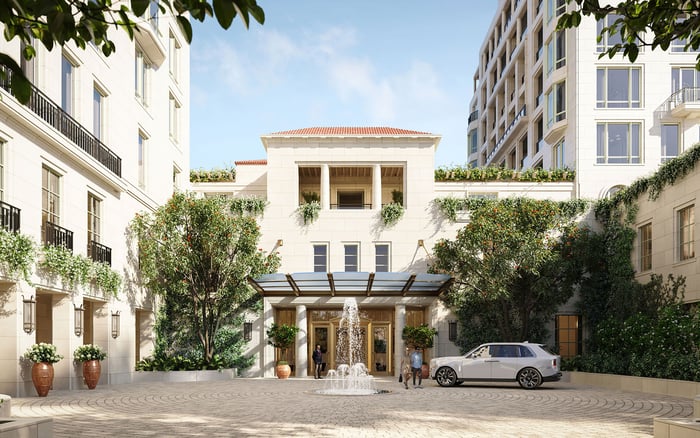
A buyer-focused look at how two ultra-luxury South Florida condominium cultures frame the practical side of daily life, from pet circulation and service elevators to staff access, deliveries, and the subtle difference between lived-in resort operations and planned Palm Beach formality.
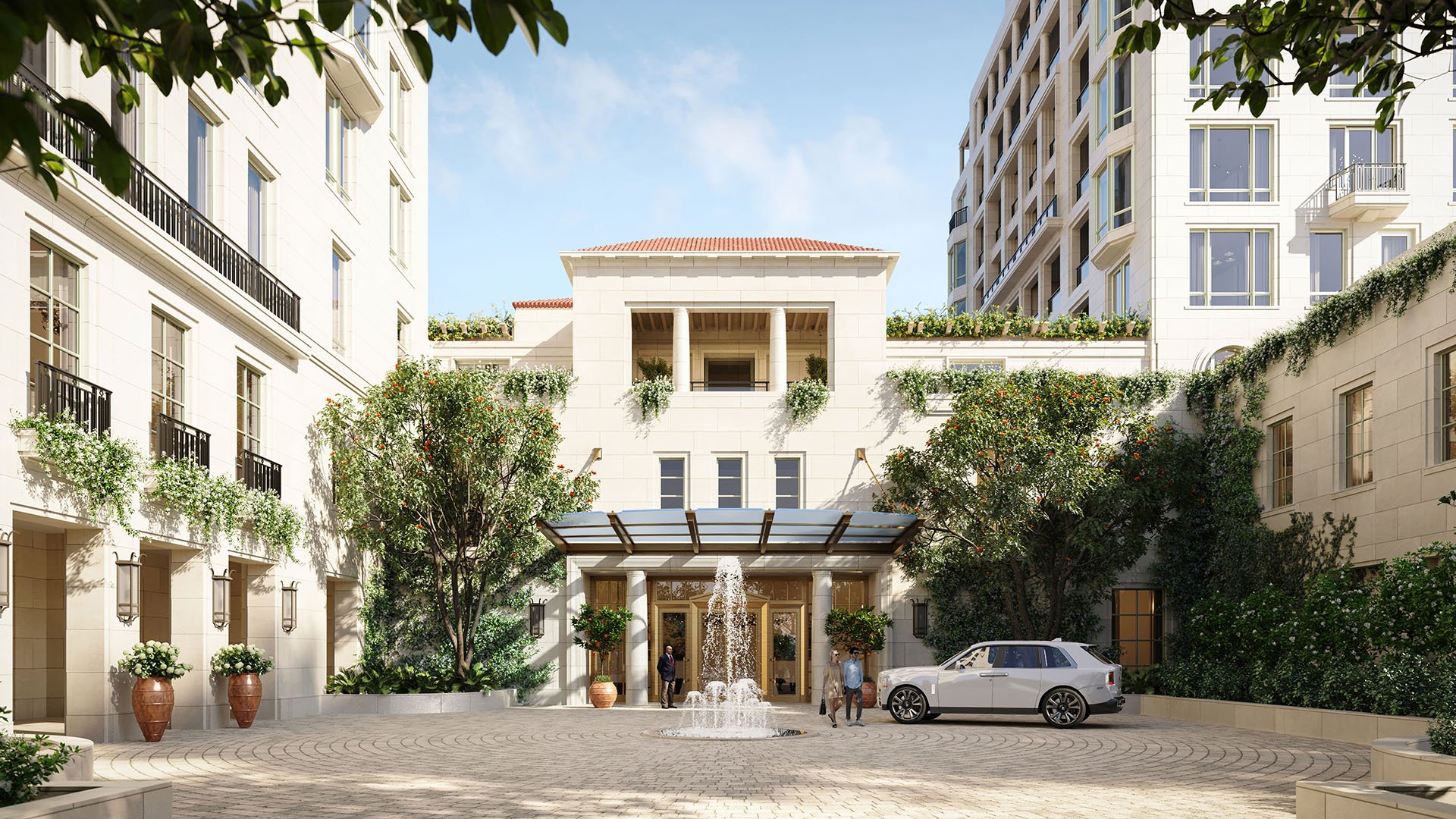
In ultra-luxury South Florida condominiums, the most consequential questions often begin after the architecture has already impressed. The lobby may be serene, the terraces generous, and the amenity program polished. Yet the daily experience of ownership is shaped by quieter systems: how pets move through the building, how household staff enter, how deliveries are routed, how luggage is handled, and how firmly house rules are applied.
Jade Signature Sunny Isles Beach and South Flagler House West Palm Beach make an instructive comparison because they point to different South Florida ownership rhythms. One conversation is rooted in Sunny Isles Beach oceanfront resort living. The other is framed by a West Palm Beach setting with a more formal Palm Beach-adjacent sensibility.
That difference matters. A building’s daily culture is not only a matter of finishes, views, or amenities. It is also the way residents, guests, vendors, pets, staff, and management use the property every day.
Jade Signature’s identity centers on oceanfront condominium living in Sunny Isles Beach. For many buyers, that setting naturally raises questions about resort-style circulation: visiting family, household teams, luggage, deliveries, beach equipment, wellness appointments, dining plans, and pets moving through the property in overlapping patterns.
A building accustomed to that cadence can develop practical operational fluency. Front desk teams learn recurring patterns, service routes become familiar, and residents understand which requests are routine versus exceptional. That is the difference between luxury as a promise and luxury as a daily system.
This does not mean every rule is flexible. It means buyers should evaluate how the building actually performs. Important questions include how management handles recurring pet movement, whether service elevators are heavily scheduled, how vendors are checked in, and whether staff access feels discreet or burdensome.
South Flagler House presents a different signal. Its West Palm Beach waterfront positioning suggests a more formal residential ethos, closer to Palm Beach sensibility than a Miami-area beach-club tempo. For buyers, the question is not only what the property promises, but how its service model will feel once residents begin relying on it every day.
Where a building culture is still forming, buyers should distinguish between design intent and post-occupancy practice. The nuances of pet circulation, staff entry, package volume, service elevator demand, and rule interpretation become clearest only when real households begin using the building.
For buyers comparing Sunny Isles Beach with West Palm Beach, the distinction is less about which city is better and more about tempo. Jade Signature suggests an established resort-operational pattern. South Flagler House suggests a more formal residential-service model, with the details to be tested through documents, management protocols, and lived use.
Pets are one of the clearest tests of building culture because they touch etiquette, privacy, cleanliness, elevator usage, staffing, and neighbor expectations. In a luxury condominium, the question is rarely simply whether pets are permitted. It is how they are expected to move.
Do pets use specific elevators? Are there preferred entrances? Are dog walkers treated as known household staff or outside vendors? Is pet movement natural at peak hours, or does it create friction with residents, families returning from the beach, or service teams handling deliveries? These details shape daily ease, especially for owners with multiple residences, household staff, or frequent guests.
Service elevators reveal a similar hierarchy. In a building with active luxury circulation, the service core must absorb more than move-ins. It may handle luggage, groceries, florals, maintenance, catering, contractors, and pet-related routines. The best buildings make this movement feel invisible to residents without making it cumbersome for the people who support the residence.
At Jade Signature, buyers can focus on observed routines and current management practices. At South Flagler House, the sharper question is how the building intends to preserve formality while still accommodating the practical needs of large residences and staffed households.
House-rule flexibility should not be confused with looseness. At the top of the market, flexibility often means a building has clear standards, trained personnel, and enough operational confidence to accommodate reasonable owner needs without disrupting the building’s tone.
Diligence at South Flagler House should focus on documents, management philosophy, staffing plans, vendor procedures, and whether household employees will experience the building as a private residence or a guarded institution. At Jade Signature, diligence should include observed operations: how busy the elevators feel, how the front desk manages recurring vendors, how beach-oriented routines affect lobby flow, and how pet movement is handled in practice.
For buyers, pets, oceanfront living, Sunny Isles Beach, West Palm Beach, and pre-construction are more than search labels. They describe the daily operating questions behind ownership. The most beautiful residence can feel difficult if service movement is rigid, unclear, or overburdened. Conversely, a building with strong operational culture can make complex private lives feel effortless.
The comparison between Jade Signature and South Flagler House is not a verdict on which building is more accommodating. It is a reminder that building culture is part of the asset. Jade Signature offers a clearer lens for actual daily logistics because its resort-style Sunny Isles Beach context can be evaluated through present-day use. South Flagler House offers the promise of a more formal West Palm Beach residential model, with its final house-rule personality to be clarified through ownership experience.
The strongest buyers will not stop at finishes, views, or amenities. They will ask how the building behaves at 8 a.m. with dog walkers, at 2 p.m. with deliveries, at 6 p.m. with guests arriving, and during high-demand periods when every service system is tested. In luxury real estate, discretion is not only aesthetic. It is operational.
Does Jade Signature have more established operating routines than South Flagler House? Jade Signature can be evaluated through current building use more directly. South Flagler House requires closer review of planned protocols and how they will translate into daily ownership.
Is South Flagler House expected to feel more formal? Its West Palm Beach waterfront positioning suggests a more formal, Palm Beach-adjacent residential ethos. Buyers should still confirm the operating culture through building documents and management conversations.
Are specific pet rules detailed for both buildings here? No. Buyers should request current condominium documents and management guidance before relying on any assumption about pet rules.
Why do service elevators matter in luxury condominiums? Service elevators shape how staff, vendors, luggage, deliveries, and maintenance move without disturbing residents. Their scheduling and access rules can materially affect daily convenience.
Is a resort-style building automatically more flexible? Not automatically. Resort-style buildings may be accustomed to complex movement, but flexibility depends on rules, staffing, management culture, and resident expectations.
What should pet owners ask before buying? Ask about elevator use, approved entrances, dog-walker access, pet-related cleaning expectations, and any restrictions listed in the governing documents.
What should staffed households ask before buying? They should ask how recurring staff are registered, where they enter, how access credentials are handled, and whether vendor scheduling is centralized.
Can a building’s house culture be fully known before daily use begins? No. Service planning can be reviewed, but the lived culture emerges after residents, staff, vendors, and management use the building over time.
Which building is easier to evaluate operationally today? Jade Signature is easier to evaluate through present-day operations. South Flagler House requires more emphasis on documents, protocols, and future management execution.
Should buyers rely only on marketing materials for house rules? No. Marketing materials rarely provide the granular details that affect daily life, so buyers should review official documents and ask management-specific questions.
When you're ready to tour or underwrite the options, connect with MILLION.
If branded residences are on your mind — as a home or as an allocation — we would be glad to share what we are seeing, privately.
Begin a quiet conversation