A practical, design-minded guide to evaluating Miami Beach outdoor space for real coastal living, from shade and wind to rain, salt air, privacy, and long-term care.

In Miami Beach, outdoor space has a particular seduction. A terrace can frame the ocean, soften the edge of a living room, and turn breakfast, reading, or evening conversation into a daily ritual. Yet the ownership test is more demanding than the listing photograph. The question is not simply whether a home has outdoor space. It is whether that space remains comfortable, graceful, and usable when the weather is behaving like Miami Beach.
For many luxury buyers, the shorthand may begin with Miami Beach, Oceanfront, Balcony, Terrace, Waterview, or High-floors. Those labels are useful, but incomplete. A genuinely livable exterior area must be judged by exposure, shade, air movement, rain behavior, privacy, materials, and maintenance. The most successful spaces feel effortless because their practical intelligence is already built in.
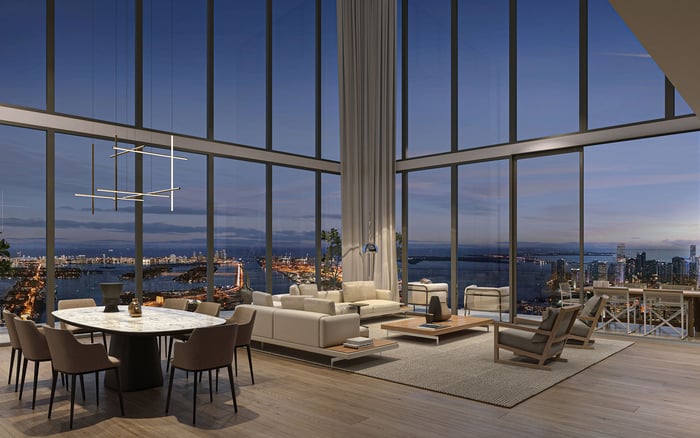
A view is immediate. Orientation is cumulative. Buyers often fall in love with what they see during a showing, then discover that the same space behaves differently across the day. Morning light, afternoon heat, cross-breezes, glare, and reflective surfaces can change the way a terrace feels hour by hour.
A disciplined buyer studies where the sun enters, where it lingers, and whether seating areas remain usable without constant improvisation. Shade should not be an afterthought supplied only by umbrellas and wishful thinking. Look for architectural cover, deep overhangs, recessed outdoor rooms, or a plan that allows furniture to sit in protected zones. In Miami Beach, comfort is a form of design literacy.
On paper, a high exterior space can sound unequivocally superior. In practice, wind can determine whether a terrace functions as a dining room, a viewing platform, or a place visited only for a few minutes. This is especially important for buyers who imagine outdoor dinners, work calls, children’s play, or quiet mornings with doors open.
During a visit, note whether doors are easy to open and close, whether furniture would need to be unusually heavy, and whether the air feels pleasant or insistent. Wind can also affect sound, planters, cushions, tabletop objects, and the psychological comfort of the space. The best outdoor areas allow movement without feeling exposed. They offer air, but not agitation.
A terrace that photographs beautifully in perfect weather may reveal its limitations during rain. Buyers should examine slope, drainage, thresholds, overhangs, and the relationship between indoor flooring and exterior surfaces. The goal is not to avoid weather. It is to understand how the residence manages it.
Covered zones matter. So do protected corners where cushions, plants, and occasional tables can remain without requiring a full reset after every shower. A well-considered outdoor space allows an owner to live with the climate rather than retreat from it. If every passing storm requires moving furniture, lifting rugs, and wiping surfaces before the area can be used again, the space is less luxurious than it appears.
Miami Beach outdoor ownership is never only visual. Salt air asks questions of metal, wood, stone, glass, hardware, lighting, and fabrics. A buyer should ask how finishes age, how often surfaces require attention, and whether the building’s design makes care simple or cumbersome.
This is where understated quality matters. Durable materials, appropriate exterior fabrics, corrosion-conscious hardware, and practical storage can make the difference between a terrace that matures elegantly and one that becomes a management project. Luxury is not the absence of maintenance. It is maintenance that has been anticipated, minimized, and made orderly.
One of the simplest tests is to place the intended life on the plan. Where does a dining table go? Can chairs be pulled out without blocking circulation? Is there room for lounging without turning the terrace into storage? Can a planter soften the edge without stealing the usable zone? Does the door swing interfere with the seating arrangement?
Depth often matters more than raw area. A narrow balcony with a dramatic view may be compelling for a moment, while a deeper terrace with sensible proportions may support daily living. Buyers should imagine actual furniture, not generic scale figures. The most persuasive outdoor spaces have a natural hierarchy: a place to sit, a place to dine, a place to pause, and a path that still feels calm.
In dense coastal living, privacy is measured in angles as much as separation. A terrace may feel secluded from one direction and fully exposed from another. Adjacent towers, neighboring balconies, pool decks, amenity levels, and reflective glass can all influence how comfortable an owner feels using the space.
The question is intimate: can you sit outside in the morning without feeling observed? Can guests gather without becoming part of someone else’s view? Are bedrooms and outdoor areas visually protected, or does the floor plan require constant screening? A refined outdoor room allows openness without performance.
Sound is frequently overlooked because buyers are visually oriented during showings. Yet outdoor space is as much acoustic as scenic. Wind, traffic, pool activity, mechanical systems, service areas, and neighboring terraces may all shape the experience. The most desirable setting can lose its serenity if the sound profile is wrong for the owner’s rhythm.
Spend time outside without conversation. Open the doors, then close them. Notice whether the terrace invites lingering or merely admiration. A property can be visually spectacular and still fail the real-weather ownership test if the outdoor area does not support rest.
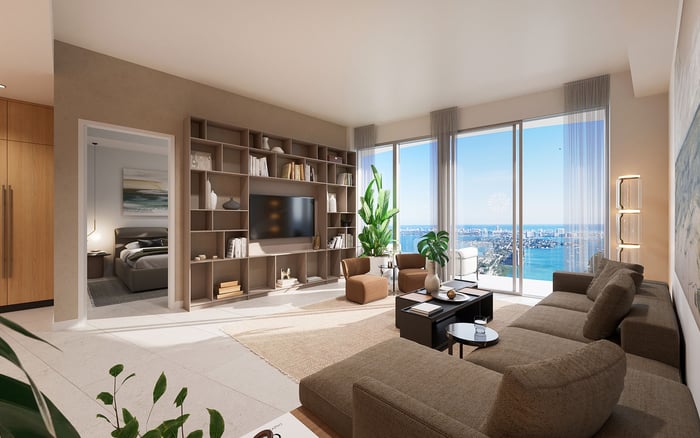
The strongest Miami Beach residences make the transition from inside to outside feel inevitable. Flooring, ceiling height, door systems, lighting, and furniture placement should create continuity without ignoring the realities of climate. The terrace should not feel like an appendage. It should feel like a room with sky, air, and a disciplined relationship to weather.
For buyers, this means looking beyond the view corridor and asking how the exterior space changes the way the home lives. Does it make the main room feel larger? Does it support quiet routines? Does it offer shade when the day is bright, shelter when rain passes through, and enough resilience to remain elegant over time? When the answer is yes, outdoor space becomes more than a feature. It becomes part of the property’s private architecture.
Before committing, revisit the outdoor areas with a practical checklist. Study orientation and glare. Feel the wind. Look for cover. Inspect drainage. Consider furniture scale. Ask how materials age. Observe privacy from multiple angles. Listen carefully. Imagine the space on an ordinary weekday, not only on the most flattering afternoon.
The Miami Beach buyer who takes this approach is not being cautious for its own sake. They are protecting the lifestyle they are purchasing. In real weather, the best outdoor space is not the largest, the highest, or the most theatrical. It is the one that quietly works.
What makes outdoor space usable in Miami Beach? Usability comes from shade, proportion, wind comfort, drainage, privacy, and materials that can handle coastal exposure.
Is a larger terrace always better than a smaller balcony? Not necessarily. A smaller outdoor area with depth, cover, and good orientation can live better than a larger exposed space.
Should buyers prioritize views or shade? The best choice balances both. A spectacular view loses value if the space is too hot, windy, or exposed for daily use.
How should I evaluate wind during a showing? Step outside, stay for several minutes, open and close the doors, and imagine dining, reading, or hosting in that condition.
Why does drainage matter on a luxury terrace? Drainage affects comfort, maintenance, furniture placement, and how quickly the area returns to use after rain.
Are high floors better for outdoor living? High floors may offer views, but they can also bring stronger wind and greater exposure. The specific design matters.
What materials should buyers look for outdoors? Favor exterior-rated fabrics, corrosion-conscious hardware, durable surfaces, and finishes selected for salt air and sun.
How can privacy be tested on a terrace? Look at neighboring balconies, amenity decks, adjacent buildings, and sightlines from both seated and standing positions.
What is the biggest mistake buyers make with outdoor space? They judge it by the view alone instead of testing how it performs during sun, wind, rain, and ordinary daily routines.
What is the best way to shortlist comparable options for touring? Start with location fit, delivery status, and daily lifestyle priorities, then compare stacks and elevations to validate views and privacy.
If you'd like a private walkthrough and a curated shortlist, connect with MILLION.
If branded residences are on your mind — as a home or as an allocation — we would be glad to share what we are seeing, privately.
Begin a quiet conversation