A discreet buyer’s guide to interpreting balcony-use rules at Cora Merrick Park, with practical guidance for lifestyle fit, entertaining, pets, furnishings, privacy, and long-term ownership expectations.
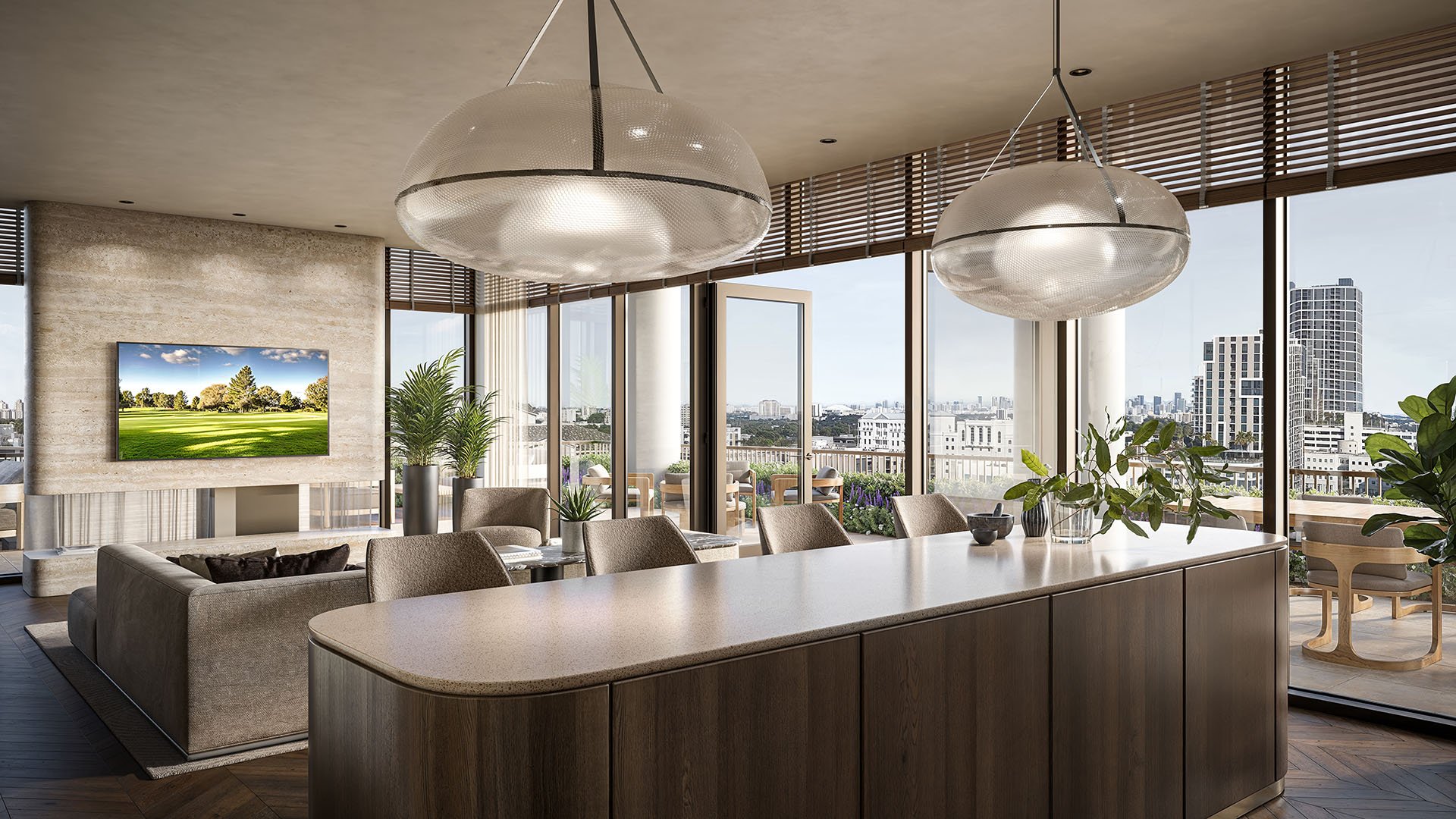
At the highest end of South Florida real estate, private outdoor space is no longer treated as a secondary amenity. It is an extension of the living room, a morning ritual, an entertaining zone, and often the emotional reason a household chooses one residence over another. For buyers evaluating Cora Merrick Park, the question is not simply whether a Balcony or Terrace exists. The more sophisticated question is how that outdoor space may actually be used.
Balcony-use rules sit at the intersection of architecture, neighbor etiquette, building operations, insurance sensitivity, and long-term value. They may affect furniture, plants, decorative lighting, grilling, pets, noise, storage, privacy screens, maintenance access, and the hours during which certain activities are appropriate. In a refined Coral Gables setting, those rules are not merely limitations. They are part of the residential experience, preserving visual order and reducing friction among owners who share a vertical community.
For a household accustomed to private estates, yacht decks, club terraces, or seasonal entertaining, the transition into condominium living requires a different lens. The balcony may feel private, but it exists within a common architectural envelope. Understanding that distinction early helps buyers avoid disappointment later.
The most useful way to approach balcony-use rules is to read them as a lifestyle document, not as administrative fine print. A buyer should ask: What do we imagine doing outdoors every week? Morning coffee, evening dining, gardening, children’s play, a dog’s resting area, holiday decor, open-air work calls, and quiet reading all create different compliance questions.
If a household expects the Terrace to function like an outdoor room, the rules deserve special scrutiny. Are exterior furnishings required to meet certain standards? Are umbrellas, planters, rugs, or freestanding storage items restricted? Can items be visible above the railing line? Must furniture be removed during storms or building maintenance? These are practical questions that shape daily living as much as floor plan or ceiling height.
Balcony rules also help define the character of a building. A residence with consistent outdoor presentation often feels calmer, more polished, and more durable over time. That is especially important in luxury buildings where the exterior facade contributes to collective identity. In this sense, rules may protect both lifestyle and value.
Before falling in love with a view or outdoor dimension, households should pressure-test their intended use. First, how often will the outdoor area be used, and by whom? A couple who enjoys quiet dinners has different needs than a multigenerational family that hosts frequently.
Second, what objects must live outside? If the answer includes large planters, sculpture, storage chests, pet furniture, exercise equipment, or children’s items, the household should confirm whether those uses are compatible. Luxury living depends on ease, and a balcony that requires constant rearranging can become a subtle daily irritation.
Third, what are the expectations around sound? Outdoor speakers, phone calls, late dinners, and children’s play may all be addressed directly or indirectly by community rules. Even when a rule is not explicit, the culture of the building matters.
Fourth, how will pets interact with the space? Owners should understand whether pet beds, pet relief systems, gates, screens, or water bowls are allowed outdoors. A pet-friendly building and a pet-compatible balcony routine are not always the same thing.
Fifth, how will the household respond to storm protocols? South Florida ownership requires discipline. If exterior items must be secured or removed, the household should know who handles that responsibility when the residence is unoccupied.
The best luxury residences invite personalization, but condominium balconies usually preserve a shared visual language. This is where design ambition must be balanced with building consistency. A homeowner may envision lush greenery, lanterns, linen drapery, sculptural seating, or seasonal decor. The building may reasonably prioritize clean lines, safety, and uniformity.
This tension does not diminish the experience. It simply calls for intentional design. Buyers can favor furniture that is elegant but compliant, plantings that are manageable, lighting that is subtle, and accessories that can be stored inside when needed. A restrained outdoor composition often feels more luxurious than an overfilled one.
For new-construction buyers, the issue can be even more important because expectations are formed before routines are tested. Early review of documents, rules, and anticipated operating standards can clarify what the building is likely to encourage. Rather than assuming a balcony can support any lifestyle, buyers should treat the rules as part of the residence’s design brief.
In dense luxury living, privacy is both architectural and behavioral. Balcony-use rules often exist to protect quiet enjoyment, sightlines, and neighbor comfort. What one household considers atmospheric, another may experience as intrusive. Music, smoke, strong cooking odors, bright lighting, and visible clutter can travel farther than expected.
A thoughtful household will consider how its outdoor habits read from adjacent residences. Does the balcony overlook another home? Are conversations likely to carry? Will lighting affect a neighbor’s bedroom? These questions are not about restraint for its own sake. They are about sustaining the calm that makes premium condominium living appealing.
The most successful owners tend to treat balcony use with the same courtesy they would bring to a private club terrace. Elegant behavior is often the quietest form of luxury.
A buyer should review the governing documents, house rules, sales materials, and any owner obligations related to outdoor areas. The goal is not to become overly cautious, but to identify whether the building’s standards align with the household’s intended life.
Legal counsel can help interpret enforceability and owner obligations. A design professional can assess whether the desired outdoor furnishings, plantings, or shade solutions are realistic. A property manager or sales representative may be able to clarify common expectations, though final reliance should rest on formal documents.
It is also sensible to ask how rules may change. Condominium communities can refine policies over time, especially as residents begin living in the building. A household should be comfortable not only with current rules, but also with the possibility that a board may adjust standards to address safety, aesthetics, or neighbor concerns.
The most discerning buyers understand that freedom in a condominium is curated rather than absolute. Balcony rules are part of that curation. They preserve the facade, reduce conflict, support maintenance, and define the tone of the community.
At Cora Merrick Park, the better question is not whether rules exist. They should. The question is whether the household’s desired rhythm fits comfortably within them. If the answer is yes, the balcony becomes more than outdoor square footage. It becomes a refined, reliable part of daily life.
A beautiful Terrace can frame a morning, soften an evening, and give a residence its sense of air. The right rules help ensure that experience remains elegant for everyone who shares the building.
Why should buyers care about balcony-use rules before closing? These rules can affect daily routines, furnishing choices, entertaining, pets, and maintenance obligations. They are part of the residence’s practical value.
Are balcony rules usually negotiable for individual owners? Generally, building rules are intended to apply consistently across residents. Buyers should assume compliance is expected unless formal documents state otherwise.
Can a balcony be treated like a private backyard? Not always. A balcony is private-use space within a shared building environment, so safety, aesthetics, and neighbor impact may limit certain activities.
Should outdoor furniture be reviewed before purchase? Yes. Size, weight, visibility, materials, and storm readiness can all matter in a condominium setting.
Do balcony rules affect pet owners? They can. Pet beds, relief systems, gates, bowls, and outdoor pet routines may be restricted or subject to building standards.
What should seasonal owners consider? Seasonal owners should plan for storm preparation, item storage, and who will secure the balcony when the residence is vacant.
Can plants or planters create compliance issues? Yes. Drainage, weight, height, visibility, and wind exposure can all be relevant to balcony policies.
Are grills typically allowed on luxury condominium balconies? Buyers should not assume they are allowed. Cooking equipment is often governed by safety rules, building policy, and applicable regulations.
How do balcony rules protect property value? Consistent exterior presentation can support the building’s visual identity, reduce disputes, and preserve a polished residential environment.
What is the best way to shortlist comparable options for touring? Start with location fit, delivery status, and daily lifestyle priorities, then compare stacks and elevations to validate views and privacy.
For a tailored shortlist and next-step guidance, connect with MILLION.
If branded residences are on your mind — as a home or as an allocation — we would be glad to share what we are seeing, privately.
Begin a quiet conversation