A buyer-focused comparison of 2000 Ocean Hallandale Beach and Bentley Residences Sunny Isles through the lens of full-time living, acoustic comfort, technology infrastructure, and private remote-work routines.
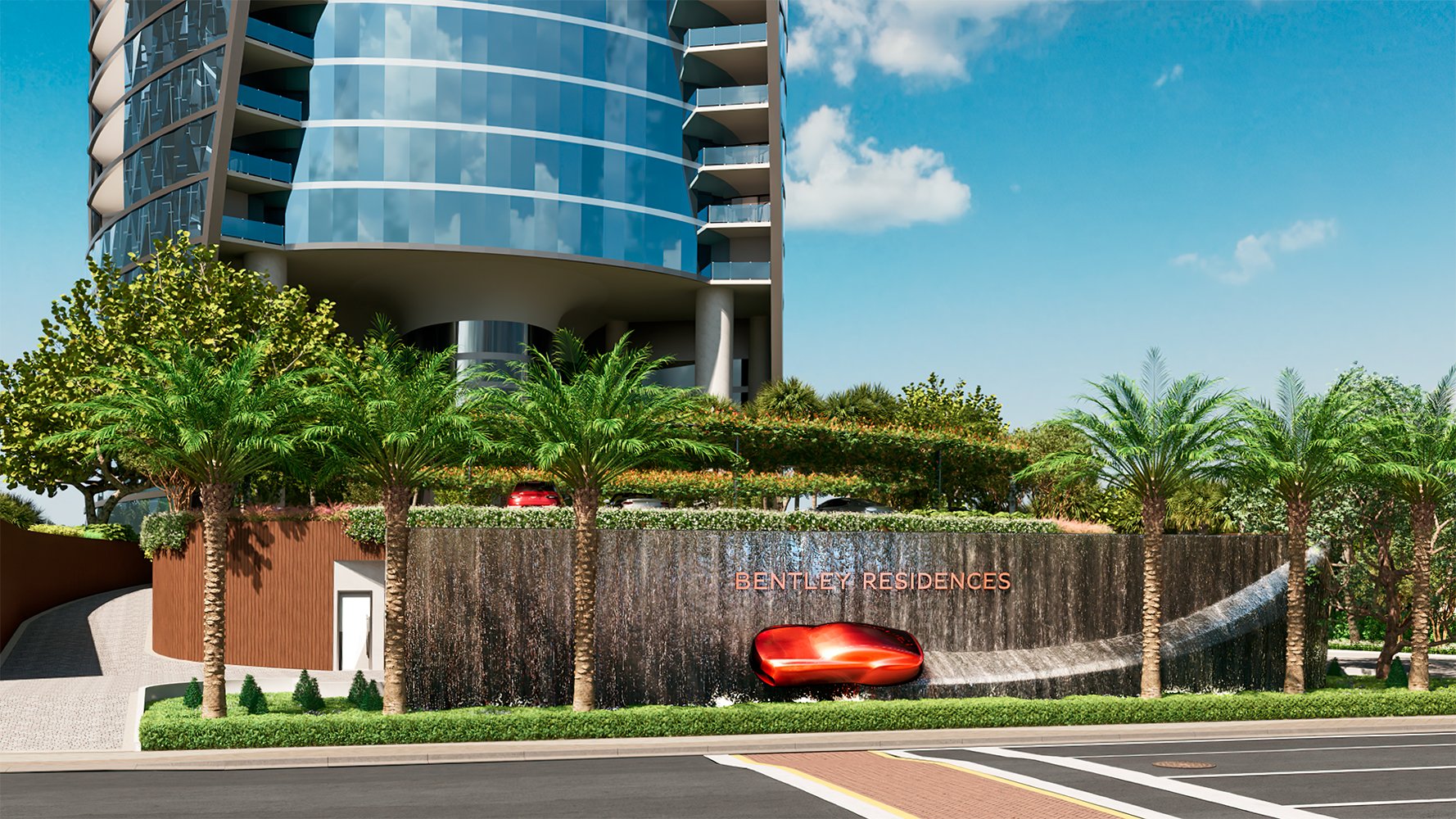
For a full-time buyer comparing 2000 Ocean Hallandale Beach and Bentley Residences Sunny Isles, the evaluation should go beyond finishes, views, and amenity imagery. Daily ownership depends on how quietly a residence lives, how reliably it supports digital work, and how well the building protects privacy through ordinary routines.
This is especially important for South Florida buyers who expect a residence to function as both a private home and a professional base. A beautiful living room can still underperform if calls are interrupted by terrace noise, if Wi-Fi coverage weakens across long floor plates, or if service circulation sits too close to the owner’s preferred office area.
The practical question is not which name sounds quieter or more advanced. The better question is how each specific residence performs once exposure, elevation, floor plan, neighboring conditions, building rules, and technology infrastructure are reviewed together.
Acoustic comfort is never defined by a single feature. It reflects the combined effect of exterior glass, wall assemblies, slab conditions, door seals, mechanical systems, elevator and service-core locations, amenity adjacencies, and the way sound moves across terraces and shared areas.
Buyers should evaluate where the residence sits in relation to pool decks, fitness areas, loading zones, elevators, mechanical rooms, and heavily used amenity spaces. A visually compelling line can feel less restful if it is exposed to recurring activity, while a less obvious line may offer a calmer daily rhythm.
Glazing deserves careful attention, but buyers should not assume that any impact-rated or high-performance glass automatically resolves every sound concern. Ask for available specifications, understand how assemblies differ by location, and consider how wind, traffic, beach activity, neighboring terraces, and household routines may affect real use.
Interior planning also matters. A media room, den, or secondary bedroom may be more effective as an office if it is set away from terrace doors, primary entertaining zones, and elevator-adjacent circulation. For full-time ownership, the quietest room on paper should be tested against the way the household will actually live.
Remote work turns building infrastructure into a core purchase issue. A residence that supports video meetings, secure documents, smart-home systems, streaming, and multiple connected devices needs more than a strong design narrative. It needs confirmed service options and a practical in-unit network plan.
Buyers should request details on available internet providers, in-unit wiring routes, low-voltage panels, access-point locations, cellular reception, equipment placement, and backup-power scope. If a buyer needs a dedicated workstation, dual monitors, a hardwired connection, or a discreet equipment closet, those needs should be mapped before furniture planning.
The same approach applies to smart-home expectations. Ask which systems are local, which depend on cloud services, how updates are handled, and whether private networking equipment is permitted. A luxury residence should feel effortless, but that ease often depends on planning that happens before move-in.
Privacy for remote work is not limited to closing a door. It includes what appears behind the owner on camera, how sound travels from adjacent rooms, whether terrace activity becomes audible during calls, and how staff, guests, deliveries, and household members move through the residence during the workday.
The best home-office location is usually not the room with the most dramatic view. It is the room that can stay calm during normal household activity, hold a stable connection, provide controlled lighting, and avoid visual exposure from neighboring terraces or public-facing areas.
Buyers should also review condominium rules that may affect work-from-home life. Renovation limits, delivery procedures, guest access, service-provider access, package handling, and amenity-use rules can all shape the daily experience. These are operational details, but they often determine whether a residence feels truly private.
Full-time owners should study how people move through the building. Arrival privacy depends on more than the garage or lobby. It includes elevator access, guest check-in, valet or parking procedures, package delivery, household staff access, pet movement, and the path used by service providers.
When comparing 2000 Ocean Hallandale Beach and Bentley Residences Sunny Isles, ask how each building separates private residential movement from amenity, guest, and service circulation. A more private daily experience usually comes from clear access control, thoughtful routing, and predictable procedures rather than branding alone.
For owners who travel frequently or maintain a high level of discretion, these systems should be reviewed before purchase. The most elegant arrival experience is the one that works consistently on ordinary weekdays, during busy weekends, and when vendors or guests need access.
Before committing, request available documentation for acoustic assemblies, glazing, mechanical locations, building systems, internet options, and access procedures. If the residence is available to tour, visit at more than one time of day and pay attention to wind, elevator activity, amenity use, and exterior sound.
For remote work, identify the intended office area early and test whether it can support calls, privacy, equipment, lighting, and a stable connection. If the office will host confidential conversations, consider door placement, wall adjacency, camera background, and the path others use through the home.
For privacy, review building rules and management procedures carefully. The right residence should match the owner’s lifestyle not only in design, but also in sound control, technology readiness, and everyday discretion.
Is this comparison mainly about finishes and views? No. The focus is on how each residence may function for full-time living, especially around quiet, connectivity, privacy, and daily work routines.
What is the first acoustic question a buyer should ask? Ask what sits above, below, beside, and across from the residence, including amenity areas, elevators, service rooms, terraces, and mechanical spaces.
Does better glass automatically mean a quieter home? Not always. Glass performance is only one part of acoustic comfort, and real results also depend on installation, exposure, elevation, seals, and surrounding noise sources.
Why is technology infrastructure so important for full-time owners? Remote work, streaming, smart-home systems, and household devices can all compete for bandwidth and coverage, so service options and wiring should be confirmed early.
Should a buyer rely only on Wi-Fi for a home office? Buyers who conduct frequent video calls or confidential work may prefer a hardwired option where feasible. The ideal setup depends on the room, equipment, and confirmed building infrastructure.
How can terrace placement affect remote work? Terraces can introduce wind, exterior sound, reflected noise, and visual exposure. That can matter if the office is close to outdoor doors or heavily used living areas.
What should privacy-focused buyers ask about arrivals? Ask how owners, guests, deliveries, vendors, pets, and household staff move through the building, and how access permissions are managed.
Can building rules affect work-from-home comfort? Yes. Rules around deliveries, renovations, service access, guests, and amenity use can influence daily quiet and operational privacy.
Is the best office always the room with the best view? Not necessarily. The best office is usually the room with the most reliable connection, controlled light, limited background noise, and the least daily interruption.
How should buyers compare these two residences fairly? Compare the actual residence, not only the building name. Review floor plan, exposure, adjacency, management procedures, and confirmed technology details together.
When you're ready to tour or underwrite the options, connect with MILLION.
If branded residences are on your mind — as a home or as an allocation — we would be glad to share what we are seeing, privately.
Begin a quiet conversation