A discreet due-diligence guide for Palazzo del Sol buyers focused on generator coverage, private-residence power, elevators, pumps, HVAC, fuel logistics, records, and condominium documents before contract or resale closing.
For a buyer considering Palazzo del Sol, generator coverage is not a technical footnote. It is a quality-of-life question, a storm-readiness question, and, in the luxury market, a measure of whether the building’s infrastructure aligns with the expectations created by its architecture, service, and setting.
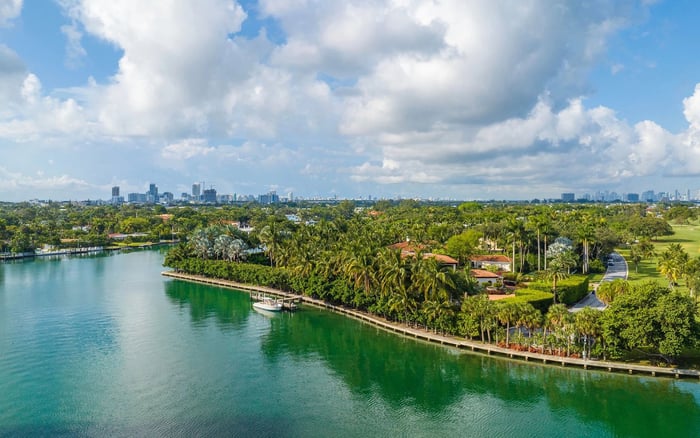
Palazzo del Sol Fisher Island occupies a context where privacy and waterfront seclusion are central to the appeal. That same island setting makes continuity planning especially important. A generator may support essential building functions, but the phrase “building generator” can mean many things. It may refer only to legally required life-safety systems, or it may extend to selected comfort, convenience, access, and amenity loads. The difference is substantial.
The prudent approach is simple: do not rely on shorthand. Ask for the documents, ask who can interpret them, and ask whether the answer applies to the building in general or to the specific residence being purchased.
The most important request is a written generator load schedule. This document should identify, with specificity, what is connected to emergency power. The conversation should include elevators, fire pumps, emergency lighting, alarms, security systems, water pumps, HVAC components, ventilation, garage access, lobby access, and any private-residence circuits.
A buyer should ask management or the seller’s representative to distinguish among three categories: what is legally required, what may have been promised in project or condominium materials, and what the association currently supports during an outage. Those categories are not always identical. A sophisticated buyer wants the current operational reality, not a general assurance.
This is especially relevant for resale diligence. In a resale transaction, the buyer is inheriting not only a residence but also the association’s present maintenance practices, budgets, reserves, rules, and engineering condition. The load schedule is the starting point for understanding that ecosystem.
One of the most consequential questions is whether any portion of the private residence receives generator power. A generator serving the building does not automatically mean an individual home has operational outlets, refrigeration, lighting, or mechanical systems during a utility outage.
Buyers should ask whether any in-unit circuits are backed, and, if so, which ones. Are there dedicated emergency outlets inside the residence? Is refrigeration included? Are lighting circuits included? Are smart-home systems, entry systems, or communications supported? If the answer is yes, it should be confirmed in writing and tied to the electrical documents, not left as a verbal representation.
The same discipline applies when comparing other Fisher Island residences, from Palazzo della Luna to The Residences at Six Fisher Island. The building name matters less than the specificity of the emergency-power documentation.
In South Florida, the generator conversation should not stop at lights and elevators. Buyers should ask whether air-conditioning, chilled water, ventilation, or humidity control are supported during outages, particularly in prolonged summer storm conditions.
This is not merely a comfort issue. Heat and humidity can affect finishes, wardrobes, art, wine storage, electronics, and the basic livability of a residence. If full air-conditioning is not supported, buyers should ask whether any partial ventilation or humidity-control system is connected. If cooling depends on shared chilled-water infrastructure, the question becomes even more specific: which pumps, controls, and supporting systems remain operational under generator power?
The best answer is not “the building has backup.” The best answer is a written explanation of what happens in the first hour, the first day, and a longer outage under realistic emergency-load conditions.
Generator coverage should also be tested through the lens of movement. How many elevators are connected? Which elevator banks operate? Are resident elevators, service elevators, lobby access points, garage gates, and access-control systems included? If only one elevator is available, buyers should know whether it serves all residential levels and how it is managed during an outage.
Vertical systems deserve equal attention. Domestic water pumps, sewage or ejector pumps, fire-suppression pumps, and other critical building systems should be addressed directly. A residence can have power and still be difficult to occupy if water pressure, drainage, or access systems are compromised.
For waterfront buildings, resilience is a layered topic. Buyers weighing Palazzo del Sol against The Links Estates at Fisher Island may be comparing different property formats, but the central diligence question remains consistent: which systems continue to function when normal utility service does not?
A refined building can still have practical vulnerabilities. Buyers should ask where the generator, fuel tanks, transfer switches, and electrical gear are located, with attention to flood exposure, wind exposure, and storm-surge exposure. The issue is not simply whether equipment exists, but whether it is positioned and protected for the conditions most likely to test it.
Fuel deserves its own line of inquiry. How much on-site fuel is stored? How many hours or days of operation does that fuel support under realistic emergency-load conditions? Is the calculation based on full emergency load or a reduced load? Who monitors fuel levels before storm season, and what triggers refueling?
Because Fisher Island is accessed differently than mainland neighborhoods, post-storm logistics matter. Buyers should ask whether the condominium has priority fuel-delivery arrangements and whether those arrangements are documented. A plan that depends on routine access may not be sufficient after a major weather event.
The documentation package should include commissioning records, maintenance contracts, inspection reports, generator test logs, and any corrective-action history from prior outages or storms. A generator that starts briefly during a scheduled test may not tell the whole story. Buyers should ask whether testing occurs under real load and how frequently results are recorded.
The financial side is equally important. Generator maintenance, fuel, repairs, replacement planning, insurance implications, and storm-readiness work should be reflected in the condominium association’s budget and reserves. Emergency power is not a static feature. It is an operating system with ongoing costs and periodic capital needs.
Condominium documents can also define rights and limits. Buyers should review the offering plan, bylaws, house rules, engineering materials, resale disclosure package, and association records for any language addressing emergency-power coverage. If a representation is important to the purchase decision, it should be confirmed before closing.
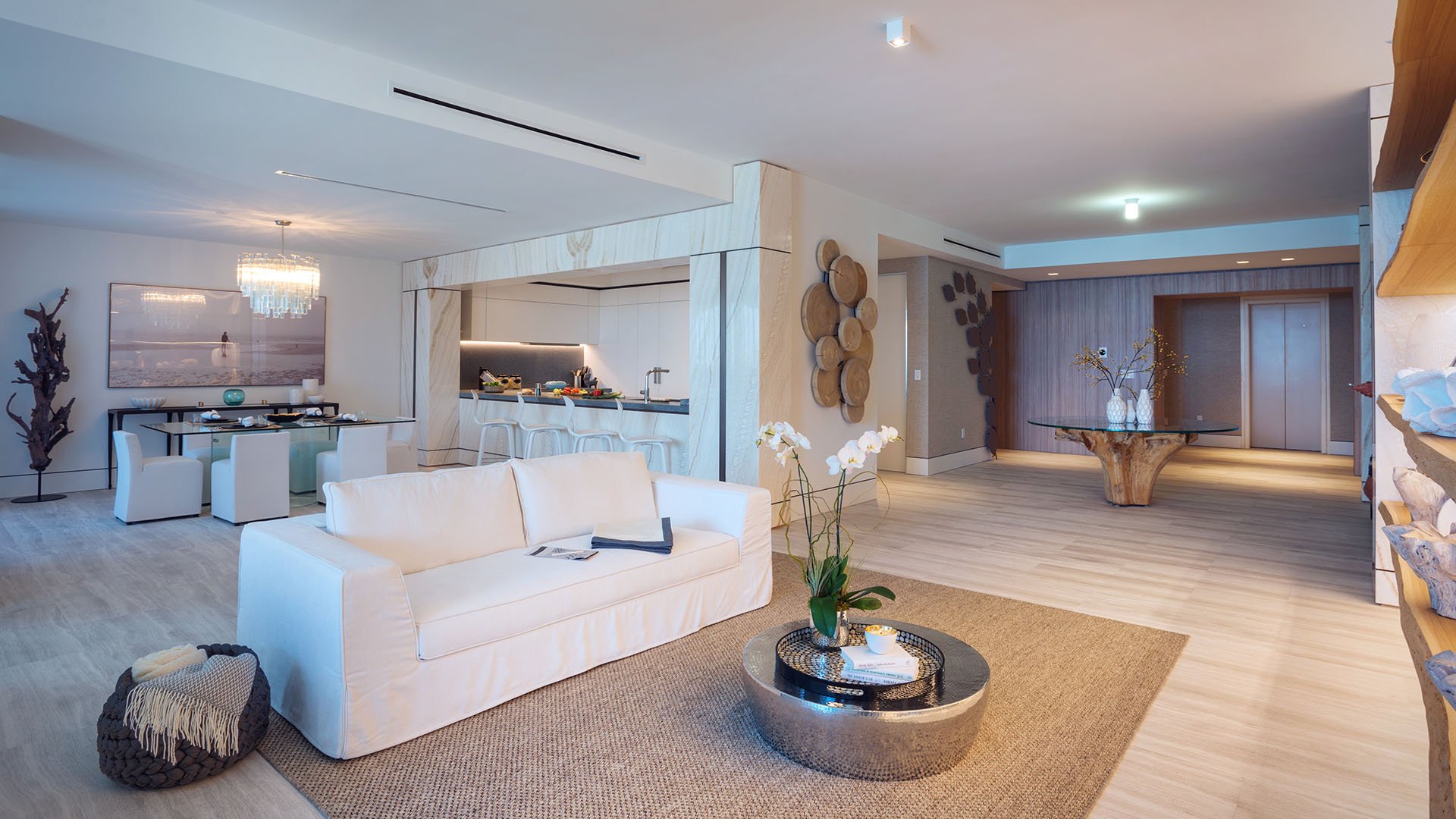
At the ultra-premium level, generator diligence is less about anxiety than precision. Palazzo del Sol offers a setting where expectations are naturally high, which is exactly why buyers should be exacting. A polished lobby, expansive terrace, and private-island lifestyle do not answer the emergency-power question by themselves.
The right inquiry is calm, written, and specific: what is backed, for how long, under what load, at whose cost, and with what documented testing history? The buyer who receives clear answers is better positioned to evaluate both the residence and the association behind it.
Does a building generator mean my residence has power? Not necessarily. Buyers should ask whether any private-residence circuits are generator-backed and request written confirmation.
What is the first document to request? Ask for the written generator load schedule. It should identify the specific systems connected to emergency power.
Should I ask about air-conditioning? Yes. In South Florida, buyers should ask whether HVAC, chilled water, ventilation, or humidity control are supported during outages.
How should I evaluate elevator coverage? Ask how many elevators are backed and whether resident, service, garage, and lobby access functions operate during an outage.
Do water and sewage systems matter in this review? Yes. Domestic water pumps, sewage or ejector pumps, and fire-suppression pumps can be essential to building usability.
Why is fuel planning important on Fisher Island? Island access can complicate post-storm logistics. Buyers should ask about on-site fuel duration and priority delivery arrangements.
Should I review generator maintenance records? Yes. Request commissioning records, maintenance contracts, inspection reports, test logs, and corrective-action history.
Is a brief generator start test enough? Not by itself. Buyers should ask whether the generator is tested under real load and how those results are documented.
Where can emergency-power limits appear? They may appear in condominium documents, bylaws, house rules, engineering materials, or resale disclosure packages.
Who should explain the technical documents? A qualified building engineer or consultant can help interpret the load schedule, equipment location, fuel capacity, and testing records.
For a confidential assessment and a building-by-building shortlist, connect with MILLION.
If branded residences are on your mind — as a home or as an allocation — we would be glad to share what we are seeing, privately.
Begin a quiet conversation