A discreet buyer’s guide to understanding guest parking rules before purchasing luxury real estate in Fisher Island, from valet protocols to overnight limits and resale considerations.
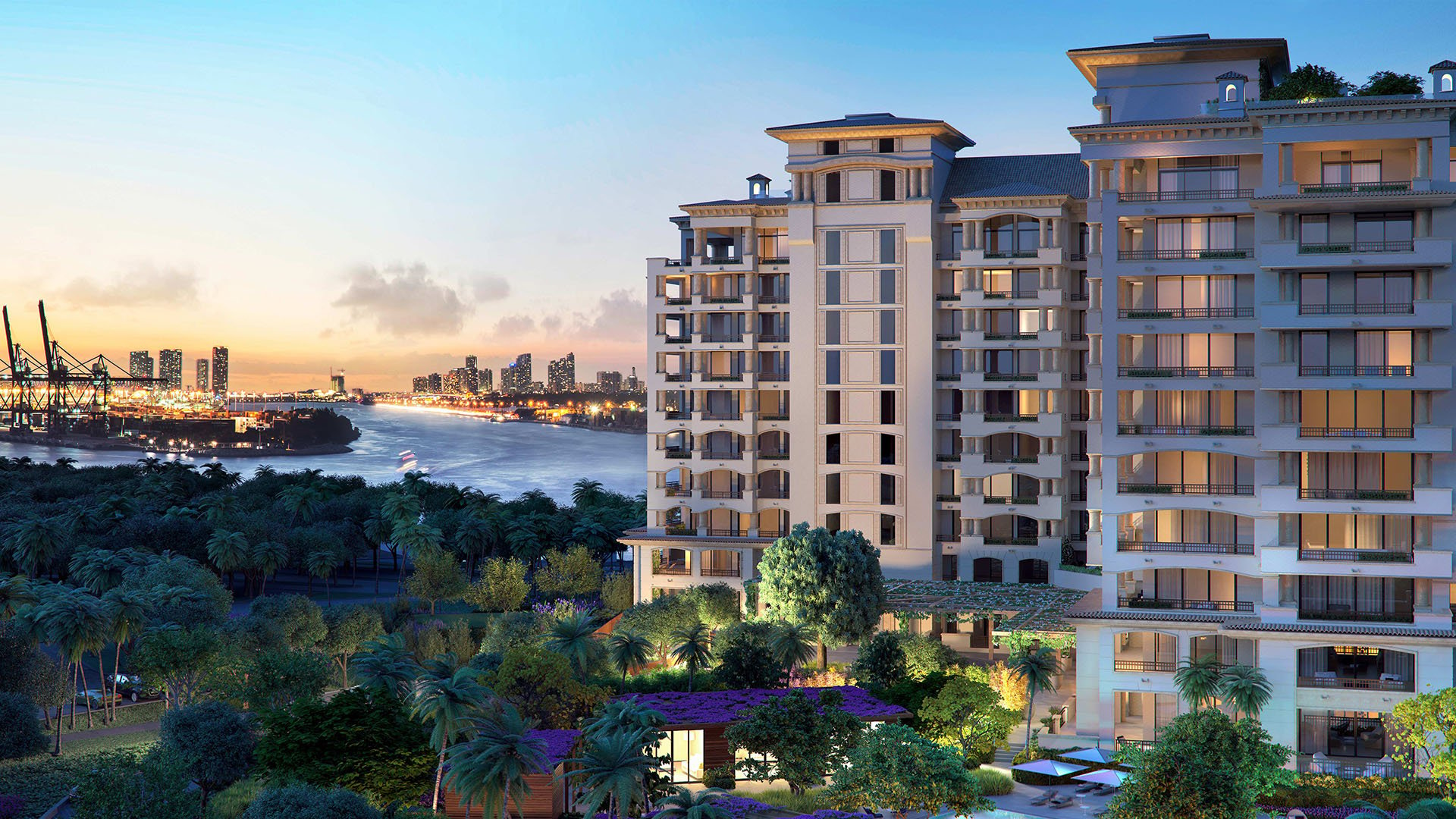
In Fisher Island real estate, parking is not merely a logistical line item. It is part of the architecture of privacy. For buyers evaluating a primary residence, pied-à-terre, or second home, the way a building or estate community handles visiting cars can influence entertaining, staff coordination, family arrivals, contractor access, and the quiet composure that defines the island lifestyle.
The essential point is simple: guest parking rules should be reviewed before a contract becomes emotional. A spectacular residence may feel effortless during a showing, yet daily ownership depends on small protocols. Where does a dinner guest leave a car? How are overnight visitors handled? Can a private driver wait on property? What happens during holiday weekends, school breaks, or a large family gathering?
This is the type of diligence that separates a beautiful acquisition from a frictionless one. Guest parking is rarely the headline amenity, but in a high-service enclave it is often where privacy, security, and hospitality intersect.
Begin with the governing documents, but do not stop there. Ask for the current guest parking policy in writing, then ask management to explain how it works in practice. The written rule may be concise; the lived experience may depend on staffing, peak-hour patterns, valet capacity, and the culture of enforcement.
A buyer should ask whether guest spaces are assigned, shared, valet-controlled, time-limited, or subject to prior approval. Clarify whether the policy distinguishes among a short visit, a dinner guest, an overnight guest, and a multi-day houseguest. If the residence will be used seasonally, ask whether the rules change during busy periods or special events.
The same diligence applies to service providers. A waterfront home or condominium may require periodic access for designers, art handlers, yacht service teams, caterers, wellness practitioners, or household staff. Ask where vendors park, whether they must register in advance, and whether loading areas are separate from guest arrival points. For owners who expect the home to function at a polished, hotel-like standard, this is not a minor detail.
Buyers often hear that guest parking is “available” and assume that availability means ease. Those are different concepts. Availability may mean a limited pool of shared spaces. Convenience may mean a staffed arrival sequence, predictable valet response, clear guest registration, and minimal disruption to residents.
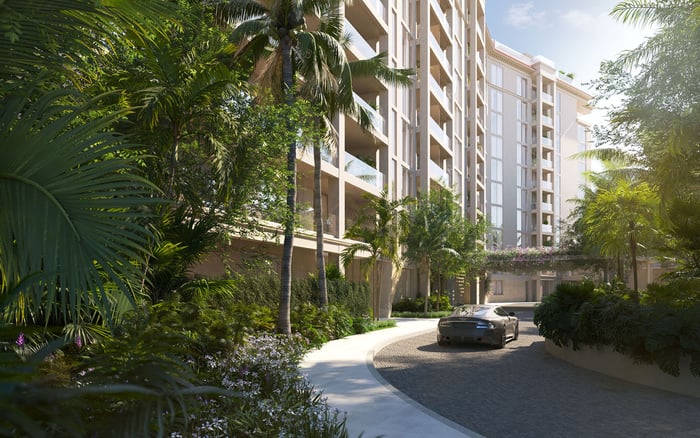
When touring a building, study the approach. Is the arrival court calm or congested? Is there a clear place for visitors to pause without blocking resident traffic? Does the staff appear accustomed to handling guests discreetly? In luxury real estate, arrival choreography matters. It shapes first impressions and protects the serenity of the residence.
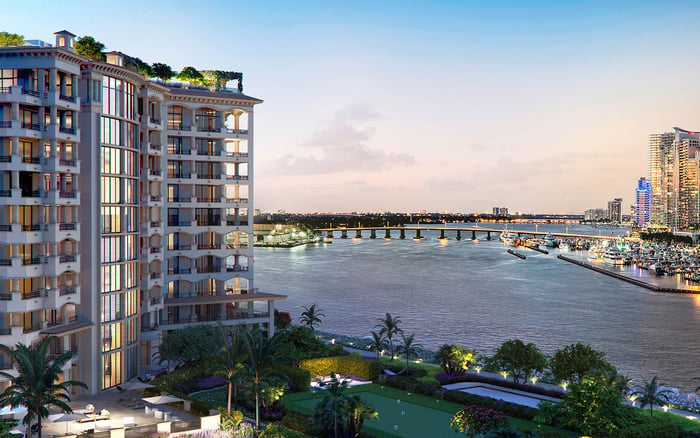
This distinction can be especially important for buyers comparing different residential formats across Fisher Island. A condominium such as Palazzo del Sol may have a very different operational rhythm from an estate-style setting. When considering Palazzo del Sol Fisher Island in relation to another property, ask how guest parking is managed on an ordinary weekday as well as during a full building social calendar.
If you entertain, ask direct questions rather than relying on assumptions. How many guests can be accommodated without special approval? Is advance notice required for a dinner party? Can the building reserve guest spaces, or is parking handled only on arrival? Are valet gratuity, staffing charges, or event fees ever relevant?
For families, the inquiry should be more granular. Adult children, grandparents, visiting friends, tutors, nurses, chefs, drivers, and security personnel can all create recurring access patterns. Ask whether frequent guests can be pre-authorized and whether guest lists are maintained securely. Privacy-conscious buyers should also ask who sees the guest information and how updates are handled.
This is where lifestyle and policy become inseparable. A home intended for quiet personal use may tolerate stricter limits easily. A home expected to host long weekends, philanthropic dinners, or multi-generational holidays requires a more flexible operating environment.
Overnight parking is one of the most important topics to clarify. Some communities distinguish sharply between daytime visitors and overnight vehicles. Ask whether overnight guest parking is allowed, whether a pass is required, how many nights are permitted, and whether repeat stays trigger additional review.
Private drivers deserve their own question. Can a chauffeur wait on site? Is there a designated area for drivers, or must they leave and return? If the buyer regularly uses executive protection or a family office vehicle, the building’s answer may be decisive.
Household staff should be addressed with equal care. A residence that requires regular staffing may need dependable parking access for a house manager, nanny, chef, or caregiver. Ask whether employee vehicles are treated as guests, vendors, or a separate category. The answer will affect scheduling and the owner’s daily comfort.
Every building and residential enclave has its own operating personality. A buyer looking at Palazzo della Luna should ask how guest arrival is coordinated, whether valet is part of the expected experience, and how management communicates temporary policy changes. Referencing Palazzo della Luna Fisher Island in a negotiation is less useful than understanding the specific procedures attached to the residence being purchased.
For buyers drawn to estate-style privacy, The Links Estates at Fisher Island raises a different set of questions. How are guests directed? Are there limits tied to the property, the association, or both? Does the parking plan accommodate staff and vendors without compromising the owner’s sense of retreat?
Newer or highly serviced offerings, including The Residences at Six Fisher Island, should be evaluated with the same discipline. Service culture can be exceptional, but the buyer still needs written clarity. Ask how policies are documented, who has authority to approve exceptions, and what happens when multiple owners host guests at the same time.
For investment-minded buyers, guest parking also matters at resale. Future purchasers may have different entertaining patterns, family structures, or staffing needs. A clear, manageable parking policy can make a residence easier to explain, while ambiguity can create hesitation during due diligence.
Before finalizing an offer, request the current rules and regulations, parking policy, valet policy if applicable, guest registration procedure, vendor access rules, and any event-related guidelines. Ask whether there are pending policy changes under consideration. If the seller has hosted frequently, ask for practical insight, but verify everything with management.
Your attorney should review the documents, yet the buyer should personally understand the lifestyle implications. The most elegant residence is one whose rules support the way you actually live. Guest parking is not about maximizing cars on property. It is about preserving order, discretion, and ease.
Why should I ask about guest parking before buying in Fisher Island? Guest parking affects privacy, entertaining, family visits, staff access, and daily convenience. It is best understood before contract deadlines become tight.
Is guest parking usually covered in association documents? It is often addressed in rules or policies, but buyers should ask for the current version and a practical explanation from management.
What is the most important parking question for entertainers? Ask how many visitors can be accommodated, whether advance notice is required, and how event arrivals are managed.
Should I ask about overnight guest parking separately? Yes. Daytime guest access and overnight vehicle storage may be treated differently, so clarify time limits and approval steps.
How should private drivers be handled in due diligence? Ask whether drivers may wait on property, where they are directed, and whether advance registration is required.
Do vendors follow the same rules as personal guests? Not always. Designers, caterers, art handlers, and household staff may be subject to separate access and parking procedures.
Can guest parking rules affect resale? Yes. Clear and convenient rules can make a residence easier for future buyers to understand and underwrite emotionally.
Should seasonal owners ask different questions? Seasonal owners should ask how rules operate during peak occupancy, holidays, and periods when many residents are hosting.
Who should confirm the final interpretation of the rules? Management can explain daily practice, while the buyer’s attorney should review the governing documents and any written policies.
What is the best mindset for evaluating guest parking? Treat it as part of the residence’s service experience, not as an afterthought to the floor plan or view.
For a confidential assessment and a building-by-building shortlist, connect with MILLION.
If branded residences are on your mind — as a home or as an allocation — we would be glad to share what we are seeing, privately.
Begin a quiet conversation