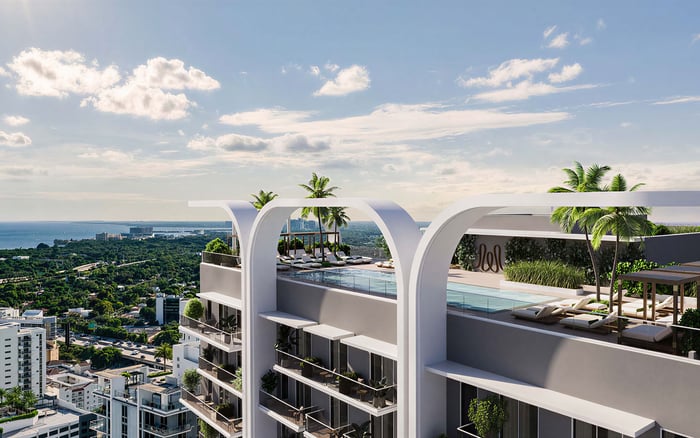
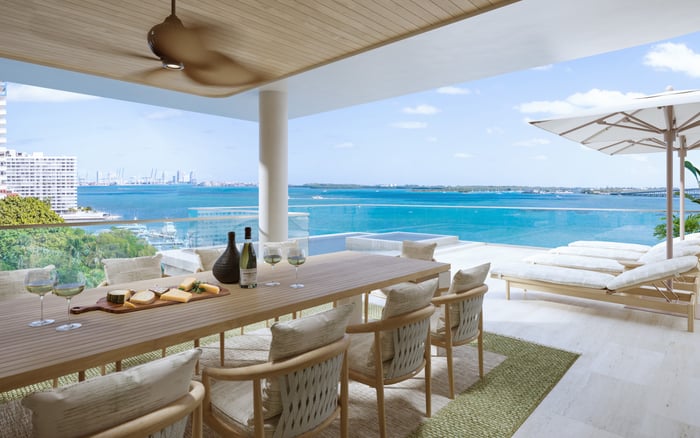
A discreet buyer’s guide to evaluating thermal comfort in Miami and Palm Beach residences, from glass and shading to zoning, outdoor rooms, and closing diligence.
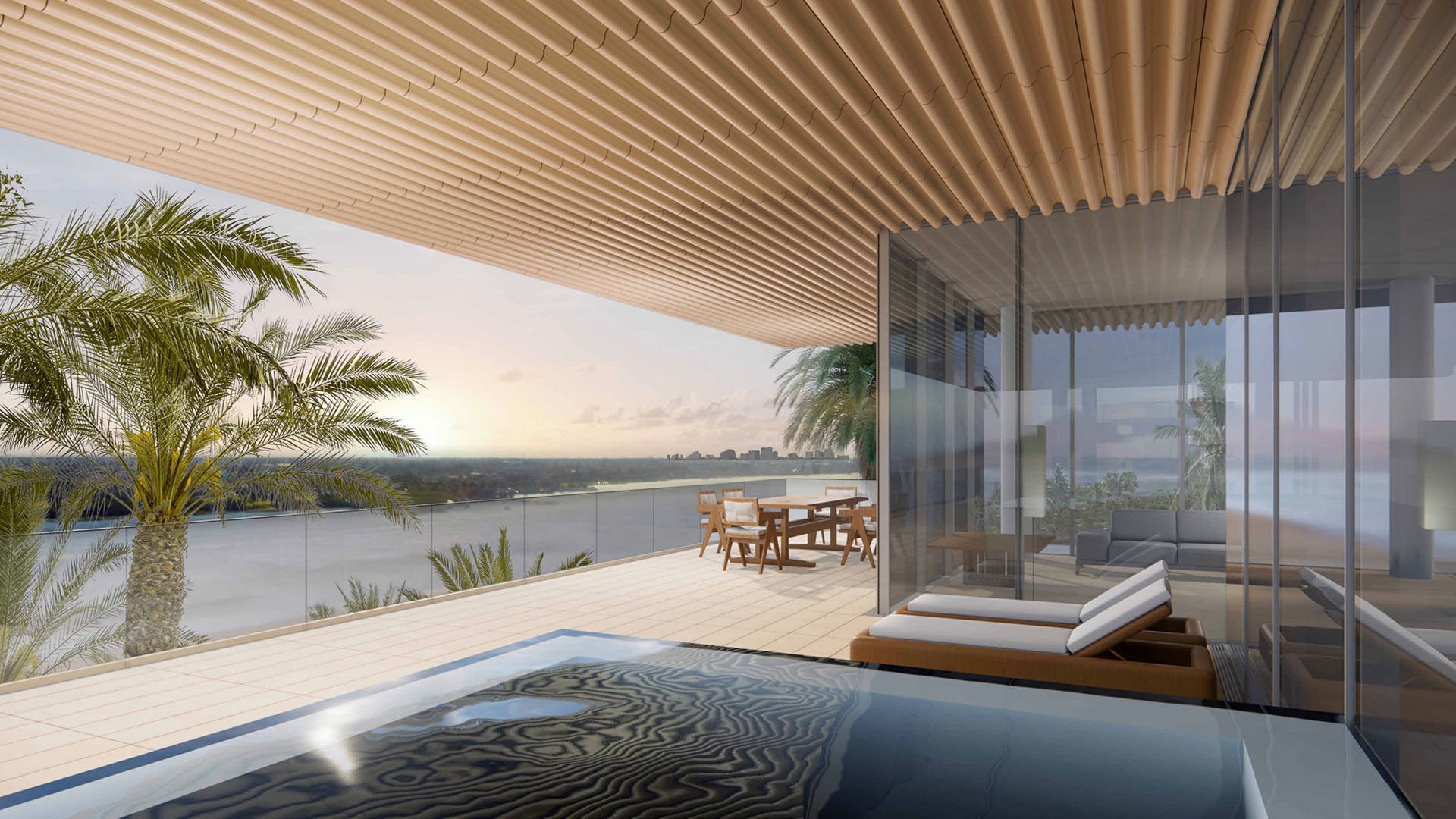
In Miami and Palm Beach, beauty often announces itself through light: water reflected on ceilings, broad glass lines, deep terraces, and rooms designed to dissolve into the horizon. Yet the most successful residence is not simply the one with the most dramatic view. It is the one that remains calm, balanced, and livable when the day turns bright, humid, windy, or still.
Thermal comfort is the luxury you feel before you name it. It is the bedroom that sleeps quietly, the living room that does not punish its view with heat, the kitchen that can host without becoming heavy, and the primary suite that feels composed at different hours. For buyers evaluating Miami, Palm Beach, Brickell, Miami Beach, Sunny Isles, and West Palm Beach, the question is not only whether a residence is beautiful. It is whether that beauty performs.
Use the following checklist as a private due diligence framework. It is designed for showings, contract reviews, design meetings, and final walk-throughs, especially when the residence is glass-forward, oceanfront, newly completed, or still in pre-delivery stages.
A refined sofa cannot correct an uncomfortable room. Begin with the architectural envelope: glass, frames, doors, exterior walls, rooflines, terrace overhangs, and the relationship between interior rooms and direct sun. During a showing, stand near the largest panes of glass and pause. Do not rush through the view. Notice whether the room feels even from the center to the perimeter.
Ask for the window and door specifications, not as a formality, but as a comfort document. The goal is to understand how the residence is designed to manage solar exposure, wind, water, and indoor temperature. For new-construction purchases, request the most current specifications and confirm whether any substitutions have been made. For resale purchases, ask what has been replaced, serviced, or modified.
This is especially important in residences marketed around panoramic glass. At projects such as 57 Ocean Miami Beach, buyers are naturally drawn to the ocean experience, but the serious evaluation should include how the interiors feel at the glass line, at seating height, and across the main living areas.
A floor plan tells you where rooms are. Sun exposure tells you how they will live. During a tour, ask which rooms receive the strongest morning or afternoon light and how that changes the use of the home. A breakfast area with strong morning brightness may feel energizing. A media room with the same exposure may feel less serene.
If possible, tour at more than one time of day. If only one showing is possible, slow the visit down and look for clues: warm surfaces, heavy reliance on shades, uneven temperature between rooms, or seating layouts that avoid a particular glass wall. These are not automatic flaws. They are prompts for better questions.
In Brickell, where buyers often compare vertical views, water outlooks, and skyline exposure, comfort can differ dramatically from room to room. When touring St. Regis® Residences Brickell or comparable residences, ask how the principal rooms are oriented, how bedrooms are separated from entertaining areas, and how much shade is available without compromising privacy.
A thermostat reading is only one part of comfort. Buyers should pay attention to the movement, stillness, and consistency of air. A room may be cool but feel flat. Another may feel balanced because air is distributed more evenly. During a showing, stand in doorways, near glass, in interior corridors, and at the edge of open kitchens. Listen for noise. Feel for drafts. Notice whether one room is clearly doing the work for another.
Ask whether the residence has multiple zones and how those zones are controlled. Clarify which rooms share systems and which can be adjusted independently. In larger residences, especially those with staff areas, guest suites, family rooms, or separate entertaining spaces, zoning is not a convenience. It is central to privacy, sleep, and hosting.
For high-floor condominiums and larger single-level residences, ask how air is supplied to perimeter rooms, enclosed dens, closets, and baths. These secondary spaces can reveal how thoroughly the home has been planned. The finest residences do not reserve comfort only for the great room.
South Florida buyers should treat humidity control as part of the luxury conversation, alongside stone, millwork, appliances, and art walls. Ask how the residence is designed to maintain comfort when doors are opened to a terrace, when guests move between indoor and outdoor areas, or when a seasonal owner returns after time away.
The questions are straightforward. How is humidity managed? What systems serve the primary suite? Are there separate settings for absence and occupancy? What maintenance schedule is recommended? Who services the system, and what records are available? A polished residence should be able to answer these questions without drama.
This is particularly relevant for buyers considering waterfront and resort-style living. At Palm Beach Residences, buyers should still ask for the residence-level comfort documents that relate to the particular home being considered.
Outdoor rooms are part of the South Florida promise, but they should be evaluated with the same discipline as interiors. A balcony may photograph beautifully and still be difficult to use at certain hours. A terrace may feel sublime in the evening and exposed at midday. A pool deck may require thoughtful shading, furniture placement, and service access to function as intended.
During a tour, step outside and stay there long enough to understand the experience. Where is the shade? Is there a protected dining zone? Can doors remain open for entertaining without overwhelming the interior? Does the outdoor space invite daily use, or is it primarily visual?
At residences such as The Ritz-Carlton Residences® West Palm Beach, buyers comparing indoor-outdoor living should consider how terraces, amenity areas, and private interiors support different rhythms: quiet mornings, formal evenings, family weekends, and seasonal occupancy.
Before contract, request the documents that allow your architect, engineer, inspector, or owner’s representative to evaluate comfort with specificity. For a new residence, that may include specifications, system descriptions, finish schedules, and any available homeowner guidance. For a resale residence, ask for service records, equipment ages, prior repairs, and any recent upgrades.
The most useful questions are practical. Which systems serve which rooms? How often is maintenance required? What warranties or service agreements apply? Are shades manual or automated? Are any comfort features optional, upgraded, or owner-installed? What happens if the home is unoccupied for an extended period?
In Sunny Isles, where glass, height, and view corridors are central to the buyer experience, residences such as Bentley Residences Sunny Isles should be assessed not only for design stature, but for how daily comfort will be managed across private spaces, entertainment areas, and outdoor transitions.
The final walk-through should feel more like a calm commissioning session than a ceremonial visit. Arrive with a checklist. Test each zone. Open and close shades. Check bedrooms, baths, closets, service areas, and glass perimeters. Step onto terraces. Confirm that controls are intuitive and that the owner will receive the guidance needed to operate the residence properly.
If a room feels different from expectations, document it before closing. Ask whether the condition is operational, seasonal, design-related, or simply a setting that needs adjustment. Luxury is not the absence of complexity. It is the presence of systems, documentation, and service that make complexity manageable.
The best South Florida residences deliver more than a view. They offer composure. In the most desirable homes, light is generous, air is quiet, temperature is even, and outdoor living feels deliberate rather than improvised.
What is thermal comfort in a luxury residence? It is the lived sense of balance between temperature, air movement, humidity, sunlight, and room-to-room consistency.
Should buyers ask about glazing before making an offer? Yes. Glass specifications, shading, and perimeter comfort can materially affect how a residence feels during daily use.
Is one showing enough to judge comfort? One showing can reveal clues, but touring at different times of day gives a better sense of light, heat, and usability.
Why does zoning matter in a large condo or estate? Zoning helps different rooms perform independently, which is important for sleep, entertaining, staff areas, and guest use.
How should buyers evaluate outdoor living areas? Spend time on each balcony or terrace and note shade, wind, privacy, furniture placement, and indoor-outdoor transitions.
What should seasonal owners ask before closing? Ask how systems should be set and serviced during absence, and request written guidance for ongoing maintenance.
Can beautiful glass create comfort concerns? It can require closer review, especially near large window walls, exposed corners, and rooms with strong sun exposure.
Who should review comfort-related specifications? An architect, engineer, inspector, or owner’s representative can help interpret systems and identify practical questions.
Are amenities part of the thermal comfort decision? Yes. Pools, lounges, outdoor dining areas, and arrival spaces should feel usable, not merely photogenic.
What is the simplest buyer test during a showing? Stand still in every important room, especially near glass, and notice whether the space feels even, quiet, and composed.
If you'd like a private walkthrough and a curated shortlist, connect with MILLION.
If branded residences are on your mind — as a home or as an allocation — we would be glad to share what we are seeing, privately.
Begin a quiet conversation