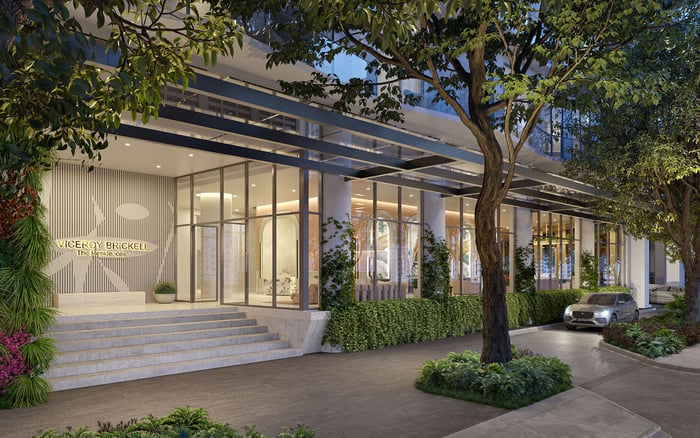
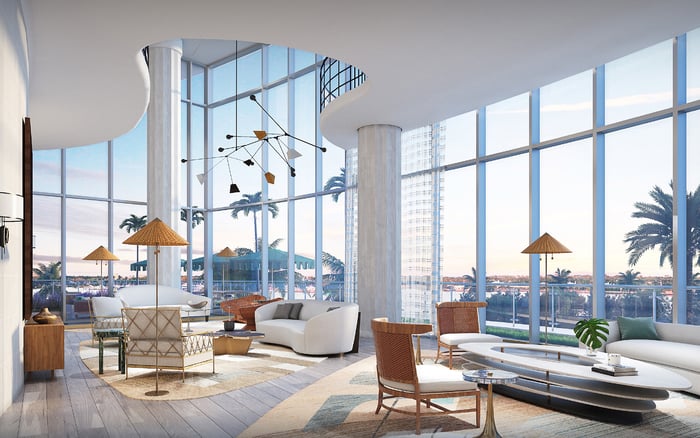
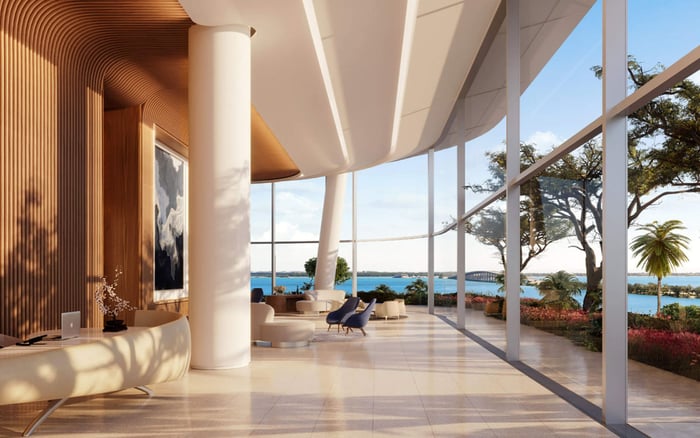
A buyer-focused underwriting guide comparing Viceroy Brickell and Nora House West Palm Beach through amenity access, elevator performance, governance rights, and value durability.
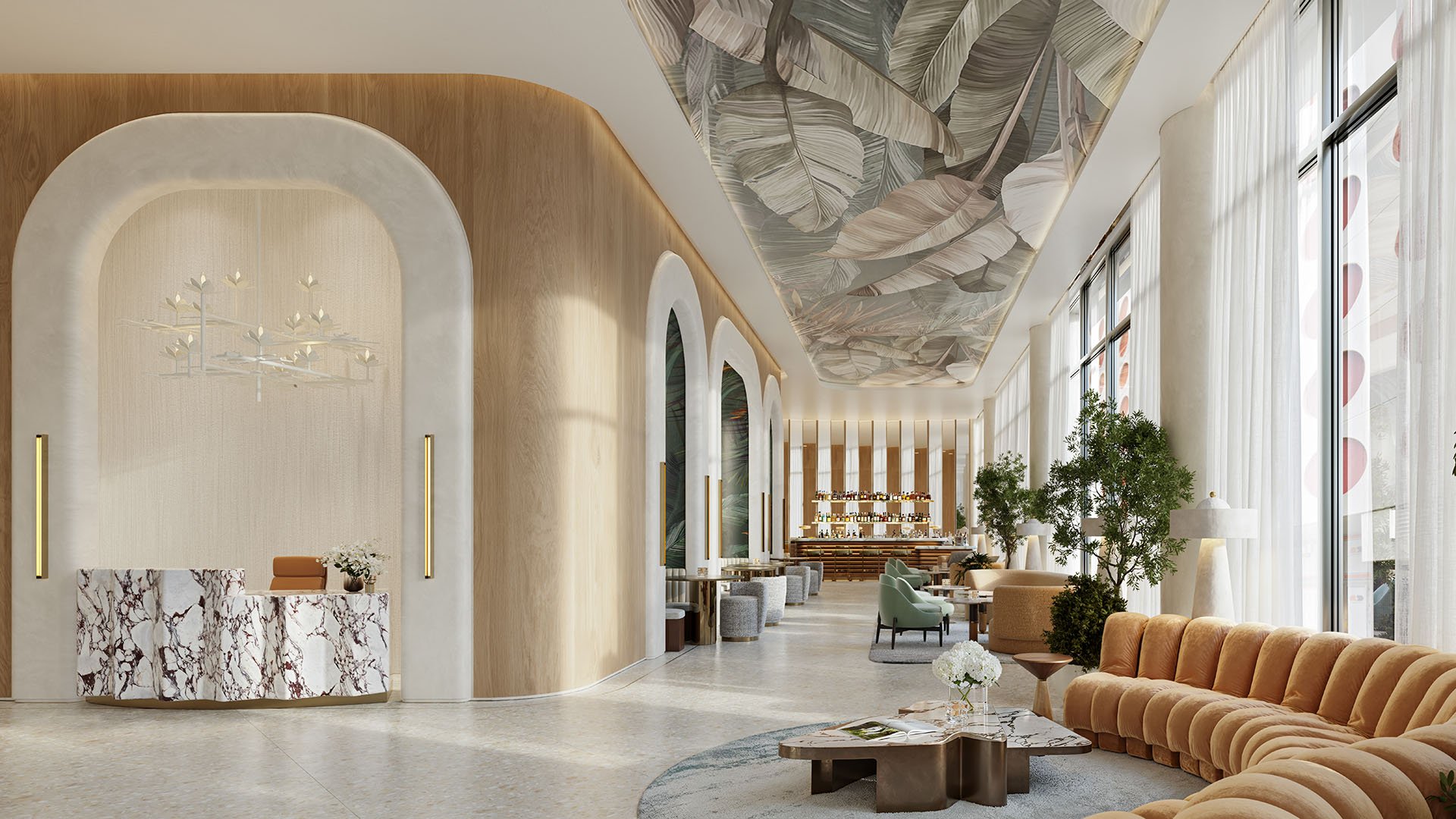
A serious buyer comparing Viceroy Brickell with Nora House West Palm Beach is not simply choosing between two addresses. The more durable question is how each building will operate after the ribbon is cut, after the first association meetings, and after owners begin using the property in different ways.
In the ultra-premium market, value is rarely defined by a single pool deck or lobby rendering. It is shaped by capacity, control, privacy, circulation, budget authority, and the daily friction owners either feel immediately or never notice at all.
Brickell typically asks buyers to underwrite density with particular care. A high-energy urban setting can be deeply attractive, but it also places more pressure on valet, elevators, package rooms, guest registration, pet circulation, staff routes, and amenity reservations. West Palm Beach requires a different lens, one that weighs seasonal patterns, neighborhood walkability, owner occupancy, and the balance between residential calm and lifestyle activation.
Amenity density should be measured as the relationship between amenity capacity and likely users. A long amenity menu can still feel constrained if too many residents, guests, renters, members, hotel patrons, or invitees can use the same spaces at the same times. Conversely, a more restrained amenity program can feel exceptionally private when access is disciplined and scheduling is intelligent.
For Viceroy Brickell, the underwriting question is how the amenity experience is allocated among owners and any other permitted user groups. Buyers should examine whether certain spaces are residential-only, whether guest access can be limited, whether events can be hosted, and whether the association has meaningful say over crowding standards. The legal distinction between ownership rights and hospitality-style privileges can become materially important.
For Nora House West Palm Beach, the same discipline applies, though the lifestyle test may be different. Buyers should ask how a resident will use the building on an ordinary Tuesday morning, during a peak weekend, and in season. A quieter amenity environment may be valuable if it preserves daily ease, but only if the documents give owners enough control over outside access, programming, and future policy changes.
The most useful metric is not square footage alone. It is peak-time usability. Ask how many lounge seats, fitness stations, treatment rooms, pool chairs, co-working positions, dining covers, and outdoor areas are available relative to the real population of the building. Then ask who can reserve them, who can bring guests, and who can change those rules.
In high-end condominiums, elevator performance is not a mechanical afterthought. It is part of the private-residence promise. Long waits can dilute the value of a dramatic arrival, slow morning departures, complicate deliveries, and make a building feel larger than it is.
Buyers should request a clear explanation of elevator banks, service elevators, move-in procedures, freight access, and any separation between residents, staff, guests, and commercial or hospitality uses. If residences, amenities, parking, back-of-house services, and deliveries rely on overlapping circulation, the building may perform well in calm periods yet feel strained during peak moments.
The right questions are specific. What happens at weekday commute hours? How are housekeeping, dog walkers, food deliveries, and contractors routed? Can one elevator be taken out of service without disrupting the whole building? Is destination dispatch contemplated? Are there separate pathways for service staff and residents? A buyer does not need to be an engineer to understand the principle: fewer conflicts usually mean a more graceful building.
This is where comparing ORA by Casa Tua Brickell or other urban projects can help frame the issue. The denser the lifestyle concept, the more important it becomes to study vertical movement, not merely skyline views.
Owner control can be more important than the initial amenity package because it determines how the building can evolve. In a branded, hospitality-influenced, or highly programmed condominium, buyers should understand which decisions sit with owners, which sit with a developer during transition, and which may be influenced by a brand, manager, operator, or master association.
The key documents should clarify budget authority, reserve philosophy, insurance obligations, maintenance standards, rental policies, guest rules, pet rules, event rights, signage, food and beverage operations, service charges, and the ability to modify amenities. Buyers should also focus on who pays when a service is expanded, when a space is reprogrammed, or when staffing expectations rise.
For an investment-minded purchaser, control is not an abstract governance concern. It affects carrying costs, resale confidence, rental flexibility, and the building’s ability to maintain a consistent identity. A property can be visually compelling at launch and still become less desirable if owners have limited ability to protect privacy, adjust expenses, or prevent overuse.
Brickell is a vertical urban market, so the premium buyer should underwrite time, privacy, and operational discipline. The best residences in this setting do more than look outward to the skyline. They manage the experience from curb to elevator to residence without unnecessary exposure to congestion.
At Viceroy Brickell, the buyer’s checklist should emphasize arrival sequencing, valet capacity, guest management, service circulation, amenity user rights, and any rules that affect transient or extended-stay behavior. In a neighborhood where daily convenience is part of the appeal, small operational inefficiencies can become highly visible.
A comparison with St. Regis® Residences Brickell may also help buyers think about how branded residential expectations translate into governance. The question is not which name is more recognizable. It is which structure gives owners the clearest path to preserving residential composure over time.
West Palm Beach underwriting can be more nuanced than a simple quieter-versus-busier comparison. The city has buyers who want culture, dining, walkability, seasonal convenience, and a polished residential base without necessarily importing the same density assumptions as Brickell.
At Nora House West Palm Beach, buyers should study whether the ownership structure supports a calm daily environment, how amenity rules may handle guests and events, and whether the association can maintain a residential tone as the surrounding district matures. The strongest case is not only about what is offered at launch. It is about whether the owner experience remains coherent after the building is fully occupied.
Nearby West Palm Beach projects such as Alba West Palm Beach give buyers another reference point for evaluating how waterfront, downtown, and neighborhood-oriented lifestyles can differ. The key is to compare use patterns, not just finishes.
Create a simple scorecard before comparing price per square foot. First, grade amenity access. Identify every major amenity, then list who may use it and at what times. Second, grade circulation. Map the journey from arrival to parking, lobby, elevator, residence, package pickup, pool, gym, and service areas. Third, grade governance. Read who controls rules, budgets, staffing, operator standards, and future changes.
Then stress-test the building. Imagine a Saturday in season, a rainy weekday evening, a holiday week with guests, a large delivery window, and an elevator temporarily out of service. Luxury is revealed in these moments. It is not only the stone selection or the brand partnership, but the absence of friction when the building is fully alive.
For buyers choosing between Viceroy Brickell and Nora House West Palm Beach, the best answer may depend less on which project feels more glamorous and more on which operating model matches the owner’s actual use. A primary resident, seasonal owner, investor, and pied-a-terre buyer may each reach a different conclusion from the same documents.
Is amenity density more important than the total number of amenities? Yes. Access, user rights, guest rules, and peak-time capacity often matter more than the length of the amenity list.
How should buyers evaluate elevator wait times before completion? Ask for the elevator plan, service routing, move-in procedures, and any traffic assumptions used to design the building.
Why does owner control matter in a luxury condominium? Owner control affects budgets, rules, privacy, amenity access, rental policy, and the long-term character of the property.
Is Brickell automatically denser than West Palm Beach? The underwriting lens is different. Brickell often requires closer attention to vertical circulation and urban arrival patterns.
What should a seasonal owner prioritize? Seasonal owners should focus on peak-period access, guest rules, storage, valet flow, staff coordination, and association flexibility.
Can a strong brand reduce underwriting risk? A brand can support service expectations, but buyers still need to understand control rights, costs, and operating obligations.
What documents are most important to review? Review the declaration, bylaws, budget, rules, management agreements, rental provisions, and any shared-use arrangements.
Should investors focus on rental flexibility first? Rental flexibility matters, but it should be weighed against building reputation, wear, owner privacy, and resale positioning.
How can buyers compare two projects with different lifestyles? Use the same framework for both: amenity access, elevator performance, governance control, costs, and likely use pattern.
What is the main takeaway for Viceroy Brickell versus Nora House West Palm Beach? Underwrite the operating model, not just the design narrative. The best fit is the building that protects your daily experience.
To compare the best-fit options with clarity, connect with MILLION.
If branded residences are on your mind — as a home or as an allocation — we would be glad to share what we are seeing, privately.
Begin a quiet conversation