A buyer-oriented look at how brand-backed residential operations shape ownership, value perception, service culture, and long-term control in South Florida luxury real estate.
In South Florida luxury real estate, the most consequential element of a branded residence is often not the name on the porte cochere. It is the operating culture that remains after the opening dinners, model-residence tours and launch-season choreography settle into ordinary ownership. For buyers, the question is no longer whether a recognizable hospitality, fashion, design or culinary brand can create desire. The sharper question is whether that brand-backed operation will enhance the lived experience year after year.
That distinction matters in a market where private residences are increasingly expected to perform like finely tuned clubs, hotels and estates at once. A buyer may be drawn to the promise of service, privacy, wellness, dining, arrival sequences and aesthetic discipline. Yet ownership is governed by practical realities: association budgets, staffing, training, reserve planning, use rules, rental limitations, maintenance standards and the relationship between the brand, the developer and the residential association.
The most sophisticated South Florida buyers now look beyond the logo. They ask how the building will function on a Tuesday morning, during peak season, after turnover, through a renovation cycle and in the quiet moments when service either feels intuitive or performative.
Brand-backed operations sit between identity and execution. The identity is visible: the name, interiors, uniforms, scent, service tone and story. Execution is less visible and more important: who trains the team, how standards are documented, what the operating agreement requires, how conflicts are resolved and whether the experience can survive changes in management or board priorities.
A residence can be branded in several ways. Some are associated with hospitality groups, others with design houses, culinary personalities or lifestyle concepts. The structure can vary, and buyers should avoid assuming every branded project includes the same level of direct operational involvement. A name may influence design and programming, but the enduring owner experience depends on the legal and financial architecture behind it.
This is why careful document review is not merely defensive. It is central to understanding what is being purchased. If the brand promises service, the buyer should understand who pays for that service, how it is measured, what happens if standards slip and how much flexibility the association has over time.
Brickell has become a natural laboratory for the brand-backed ownership model because its buyers often want urban convenience without sacrificing a highly managed residential experience. The district attracts clients who value walkability, business access, dining and skyline views, but who still expect arrival, privacy and service to feel controlled.
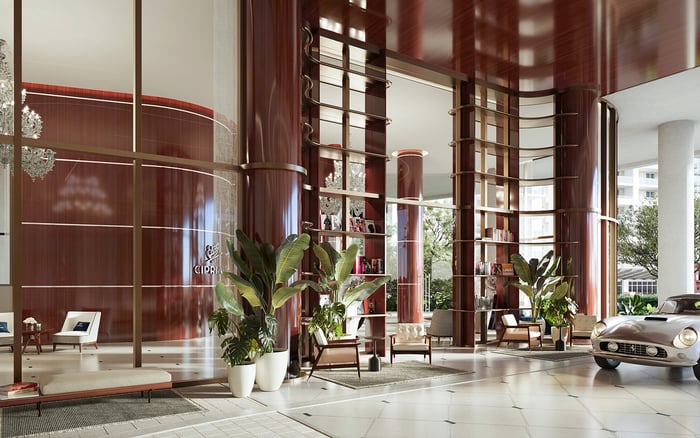
In this setting, projects such as Cipriani Residences Brickell and 888 Brickell by Dolce & Gabbana illustrate why brand matters most when it translates into operational clarity. A culinary or fashion association can shape atmosphere, but ownership value is ultimately tested in how residents move through the building, how common spaces are protected from overuse and how staff maintain discretion in a dense urban environment.
The Brickell buyer should focus on friction. How private is the arrival? How will guest traffic be managed? Are amenities calibrated for residents, transient users or both? What are the rules for events, deliveries, pets, service elevators and reservations? These details are not secondary. They determine whether the brand feels like a residential advantage or a marketing layer.
Miami Beach creates a different ownership question. Here, the appeal often rests on atmosphere, architecture, beach proximity and a sense of escape. Yet the closer a residence comes to resort energy, the more important it becomes to understand boundaries. The best ownership experience is not always the busiest one. For many ultra-premium buyers, true luxury is service within reach without exposure to the tempo of a hotel.
A project such as Shore Club Private Collections Miami Beach sits within a broader question of how branded or hospitality-influenced residences should protect the private owner experience. Buyers should examine the separation between residential and nonresidential components, access protocols, amenity scheduling and the treatment of visitors.
This is also where Miami Beach ownership becomes highly personal. Some buyers want animation, social energy and the prestige of a known setting. Others want quiet, controlled service and a residence that behaves more like a private estate in the sky. Brand-backed operations can serve either vision, but only if the rules are aligned with the buyer’s lifestyle.
Sunny Isles has long appealed to buyers who want large-format oceanfront living, protected views and a residential rhythm distinct from the city. In this context, the brand-backed question becomes less about urban theater and more about privacy, consistency and the service envelope around daily life.
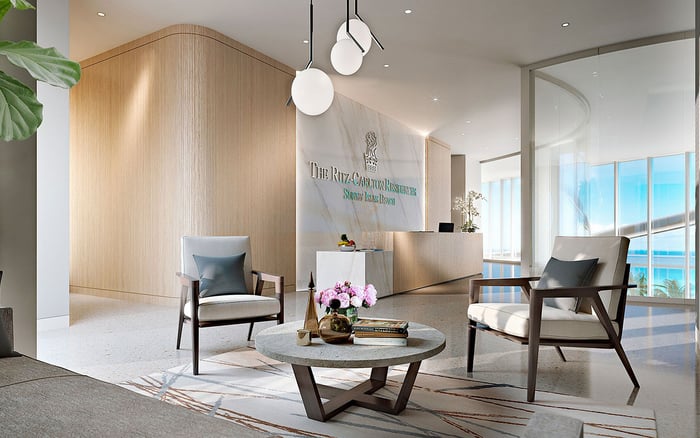
At The Ritz-Carlton Residences® Sunny Isles, the name itself signals a service expectation that buyers will naturally scrutinize. The practical question is how that expectation is translated into ownership. Does the service feel residential rather than hotel-like? Are staff trained for discretion? Are amenity areas managed to preserve calm? Are costs transparent enough for owners who may use the residence seasonally?
Sunny Isles buyers often think in long arcs. They may be acquiring a primary residence, a legacy beach home or a second home meant to function without constant oversight. For that buyer, operational discipline is not a flourish. It is a form of asset protection.
Investment analysis in brand-backed residences should not begin with the premium. It should begin with the durability of the operating model. A brand may support demand, recognition and emotional confidence, but it can also introduce additional costs, restrictions and dependencies. The value equation improves when the owner understands both sides.
Several questions belong at the center before contract. What brand fees or licensing costs are embedded in the association structure? How long does the brand agreement last? Can it be terminated? Who controls staffing decisions? Which services are mandatory, optional or separately billed? How are reserves handled for highly designed common areas that may be expensive to maintain?
The answer is not that branded residences are inherently better or riskier. The answer is that they are more operationally specific. Buyers who understand that specificity can make sharper comparisons among a branded tower, a boutique unbranded building and a traditional ultra-luxury condominium.
The documents are where the romance becomes architecture. A discerning buyer should review the declaration, budget, management agreements, brand agreements where available, rental rules, use restrictions and any shared-facility arrangements. Counsel should explain not only what is allowed, but what is practically likely to happen as the building matures.
Pay close attention to language around services. A brochure may describe a gracious lifestyle, but the governing documents define obligations. There is a meaningful difference between an amenity that is contemplated, one that is required and one that can be modified by the association or operator.
Buyers should also think about board transition. Many buildings feel most controlled when the developer and brand are actively shaping the early experience. The test comes later, when owners, budgets and maintenance priorities become the central force. A strong operating framework should make excellence repeatable rather than dependent on personalities.
The best brand-backed residence does not constantly announce itself. It feels composed. The staff recognizes preferences without intruding. Amenities are available without becoming crowded. Guests are welcomed without diluting privacy. Maintenance is handled before it becomes visible. Rules are firm enough to protect the community, yet graceful enough to avoid institutional stiffness.
This is the ownership question behind the brand: can the experience be sustained when the novelty is gone? In South Florida, where light, water, architecture and lifestyle already create powerful demand, the most valuable brands will be those that operate with restraint. The future premium belongs not to the loudest name, but to the most dependable residential culture.
What is a brand-backed residence? It is a private residential property associated with a hospitality, design, fashion, culinary or lifestyle brand, with varying degrees of operational involvement.
Does a branded name guarantee better service? No. Service quality depends on the operating agreements, staffing, budgets, training standards and long-term governance.
What should buyers review before purchasing? Buyers should review the declaration, budgets, management agreements, brand-related obligations, rental rules and shared-facility arrangements.
Are brand-backed residences more expensive to own? They can be, depending on service levels, staffing, licensing fees, amenity maintenance and the structure of the association budget.
Why is Brickell important in this category? Brickell combines urban density with demand for highly managed private living, making operations central to the owner experience.
How is Miami Beach different for branded ownership? Miami Beach often requires a careful balance between resort energy and residential privacy, especially near hospitality-driven settings.
Why do Sunny Isles buyers focus on operations? Many Sunny Isles owners prioritize privacy, consistency and ease of seasonal use, all of which depend on disciplined management.
Can a brand agreement change over time? It may, depending on the governing documents and contractual structure, so buyers should understand duration and termination provisions.
Is a branded residence always a better investment? Not automatically. The stronger case depends on cost control, owner demand, service durability and clarity of operating responsibilities.
What is the main ownership risk? The main risk is paying for a brand promise that is not fully supported by enforceable operations, budgets or governance.
For a confidential assessment and a building-by-building shortlist, connect with MILLION.
If branded residences are on your mind — as a home or as an allocation — we would be glad to share what we are seeing, privately.
Begin a quiet conversation