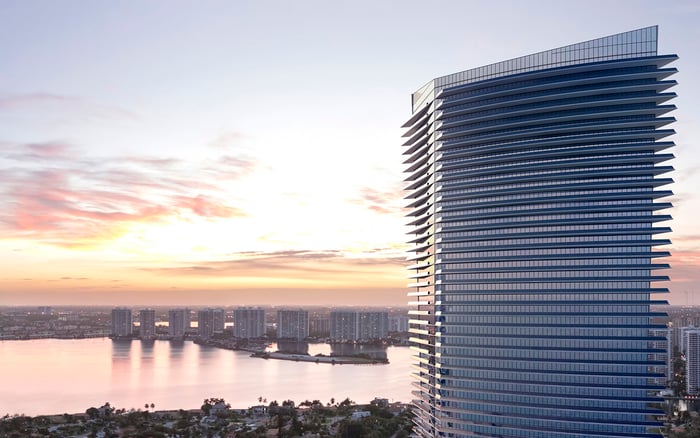
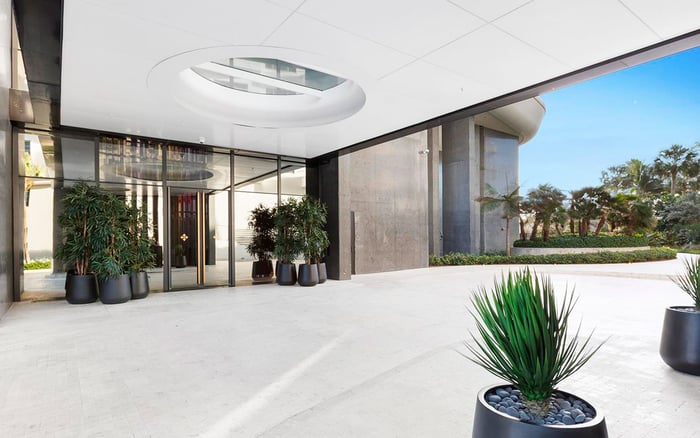
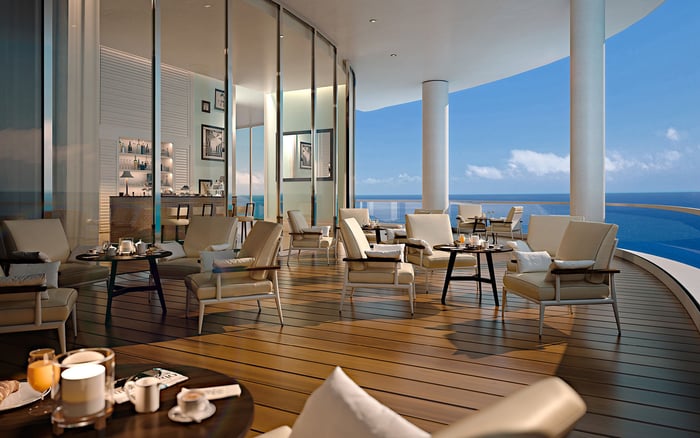
A buyer-focused analysis of how Faena House Miami Beach and The Ritz-Carlton Residences® Sunny Isles use different cultural and service identities to shape prestige, governance, and resale logic.
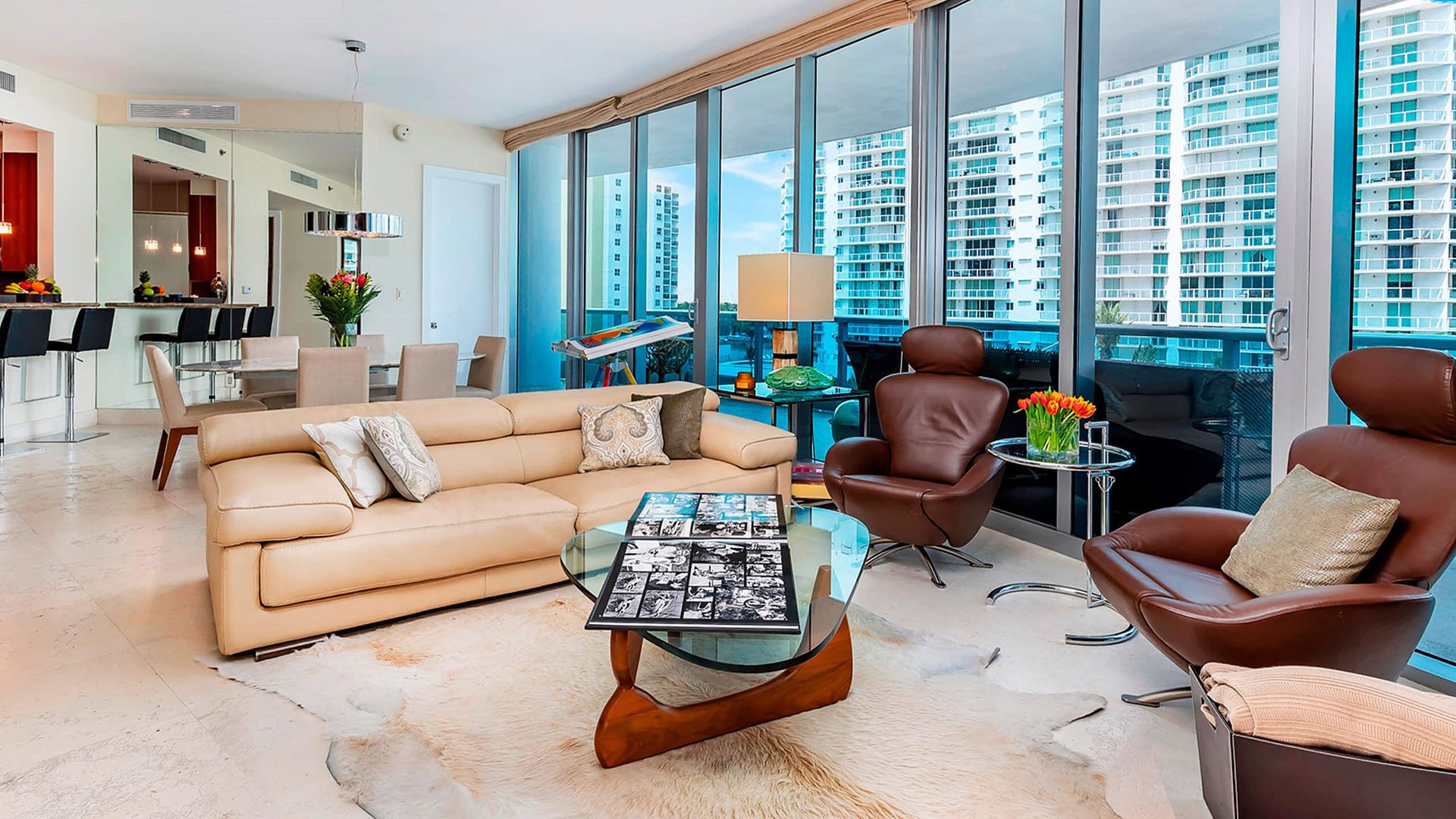
In South Florida’s ultra-premium condominium market, the most sophisticated buyers are no longer evaluating residences only by exposure, terrace depth, private elevator access, or ocean views. Those elements still matter, but at the highest level, they are often the opening premise rather than the final argument. The more durable question is cultural: what does the building stand for, and will that identity remain legible to the next buyer?
That is why Faena House Miami Beach and The Ritz-Carlton Residences® Sunny Isles make such a useful comparison. Both belong in the oceanfront luxury conversation, yet they express prestige through different codes. Faena House Miami Beach is best understood as a design and culture object, closely tied to the Faena vision and the identity of the Faena District. The Ritz-Carlton Residences® Sunny Isles is built around global hospitality recognition, privacy, residential exclusivity, and service expectations attached to a trusted institutional name.
For buyers, the distinction is not academic. It affects how a building is governed, how residents behave, how alterations are judged, how staff standards are preserved, and how a future purchaser may rationalize value when comparable sales are limited.
Faena House Miami Beach occupies a rare psychological position in the market because its identity is not reducible to size or setting. Its prestige is tied to a curated cultural narrative associated with art, design, hospitality, and the broader Faena ecosystem. The building’s architectural pedigree, with Foster + Partners as a key design credential, reinforces the idea that ownership is partly about acquiring a piece of architectural authorship.
That kind of prestige behaves differently from conventional luxury. In a standard oceanfront tower, hierarchy may be read through floor height, view corridor, and interior specification. At Faena House, buyer perception can also attach to a more collectible logic: the building as an expression of taste, confidence, and cultural alignment. Its avant-garde identity is not incidental. It is part of the product.
This matters because cultural buildings require cultural discipline. If the lobby, staff tone, amenity experience, alteration standards, and resident expectations drift away from the original vision, the intangible premium can soften. Conversely, when governance protects the aesthetic language and social atmosphere, the building’s narrative remains sharper. That sharpness can become a form of scarcity.
In the broader Miami Beach context, buyers often compare cultural identity across a tight set of oceanfront and design-forward addresses, including The Perigon Miami Beach and 57 Ocean Miami Beach. The comparison is less about declaring one model superior and more about understanding how each building asks to be valued.
The Ritz-Carlton Residences® Sunny Isles represents a different but equally powerful prestige structure. Here, brand value is anchored in hospitality-grade service standards and the buyer trust associated with the Ritz-Carlton name. The building is not positioned as a hotel-transient environment. Its appeal centers on privacy, residential exclusivity, and the expectation that service culture will feel polished, consistent, and discreet.
That kind of brand prestige is less dependent on avant-garde cultural interpretation and more dependent on operational continuity. A buyer does not have to be persuaded into an art-world narrative. The promise is instantly understood: a residence informed by the discipline of a global hospitality brand, delivered in a private residential setting.
For Sunny Isles buyers, this can be especially meaningful. The skyline includes many luxury towers competing on views, amenities, and architectural presence. In that field, a service brand can simplify the decision. It gives buyers a language for expectations before they ever step into the residence. Nearby branded and high-service comparisons, such as St. Regis® Residences Sunny Isles and Turnberry Ocean Club Sunny Isles, show how this coastline has become a laboratory for prestige built around service, privacy, and resident experience.
The challenge is that hospitality branding must be maintained daily. A name alone does not preserve value if the lived experience disappoints. The service culture, staffing philosophy, privacy norms, and common-area discipline must all continue to affirm the promise.
In both buildings, governance is not a back-office topic. It is a value mechanism. Rules, reserves, alteration controls, privacy standards, staffing expectations, and brand consistency all influence whether prestige is protected or diluted over time.
At Faena House Miami Beach, governance has to preserve cultural coherence. Interior changes, amenity presentation, common-area tone, and resident conduct should not weaken the building’s identity as a curated design address. In this model, over-flexibility can become a risk if it erodes the very distinctiveness buyers are paying for.
At The Ritz-Carlton Residences® Sunny Isles, governance has to protect service consistency and residential exclusivity. The building’s value proposition depends on trust, discretion, and the sense that daily operations are aligned with the brand’s hospitality expectations. Any drift toward inconsistency can affect how future buyers interpret the name.
This is where ultra-luxury condominium ownership differs from single-family ownership. A private home allows one owner to control the narrative. A condominium requires collective discipline. The board, management, residents, and staff all become custodians of the brand.
Resale in the ultra-luxury market is often shaped by limited transaction volume. When few comparable sales exist, reputation becomes more influential. Market narratives, buyer memory, resident satisfaction, and the perceived strength of the building culture can all affect pricing confidence.
For Faena House Miami Beach, resale logic depends partly on whether future buyers continue to value its art, design, and cultural narrative as a durable prestige signal. If the next generation of buyers sees the building as a design collectible, its identity can remain powerful. If they see only an older luxury condominium competing against newer offerings, the narrative becomes less protective.
For The Ritz-Carlton Residences® Sunny Isles, resale resilience depends on whether the service experience continues to match the brand promise. A hospitality-branded condominium must earn its name repeatedly. When privacy, staff quality, and operational standards feel aligned, the brand can support buyer confidence. When the experience feels generic, the brand premium is more vulnerable.
The practical takeaway is simple: in buildings of this caliber, the future buyer is not only purchasing walls, views, and amenities. The future buyer is purchasing a belief system that must still feel intact.
The most effective diligence begins with culture. Does the building feel artistically curated, service-led, socially private, resort-like, restrained, or visibly branded? Does that culture suit the buyer’s life, or merely their image of luxury? Does management reinforce the promise with consistency? Do residents seem aligned with the building’s tone?
A buyer drawn to Faena House Miami Beach may be seeking cultural authorship, design distinction, and proximity to an ecosystem with an unmistakable identity. A buyer drawn to The Ritz-Carlton Residences® Sunny Isles may be prioritizing recognized service standards, privacy, and the comfort of an established hospitality language.
Neither choice is inherently more prestigious. The more important question is whether the building’s culture is authentic, governed, and resilient. In South Florida luxury, prestige lasts when the promise made at purchase is still visible in daily life years later.
Is Faena House Miami Beach primarily valued as a design-driven building? Yes. Its prestige is closely tied to cultural identity, architectural authorship, and the broader Faena vision, not only to views or residence size.
Is The Ritz-Carlton Residences® Sunny Isles more service-driven? Yes. Its market identity centers on hospitality-grade service expectations, residential privacy, and trust in the Ritz-Carlton name.
Why does building culture matter to luxury buyers? Building culture shapes the daily experience, resident expectations, social atmosphere, and long-term perception of prestige.
How does governance affect value? Governance can protect or dilute prestige through rules, reserves, alteration standards, privacy expectations, and brand consistency.
What does resale logic mean in this context? It refers to how future buyers justify value when they evaluate reputation, service quality, cultural relevance, and the lived experience.
Is Miami Beach a different prestige market from Sunny Isles? Yes. Miami Beach often emphasizes cultural adjacency and design identity, while Sunny Isles frequently emphasizes oceanfront privacy and branded service.
Can a brand name alone protect resale value? No. The daily experience must continue to match the original promise for brand prestige to remain persuasive.
Why is limited transaction volume important? When comparable sales are scarce, reputation and buyer narratives can carry greater influence in perceived pricing power.
Which buyer is best suited to Faena House Miami Beach? A buyer who values cultural authorship, design distinction, and a curated building identity may find it especially compelling.
Which buyer is best suited to The Ritz-Carlton Residences® Sunny Isles? A buyer who prioritizes service discipline, privacy, and the assurance of a globally recognized hospitality brand may prefer it.
If you'd like a private walkthrough and a curated shortlist, connect with MILLION.
If branded residences are on your mind — as a home or as an allocation — we would be glad to share what we are seeing, privately.
Begin a quiet conversation