A buyer-focused comparison of The Berkeley Palm Beach and The Delmore Surfside for ultra-luxury purchasers who prioritize capital preservation, liquidity awareness, and cycle-tested underwriting over maximum upside.
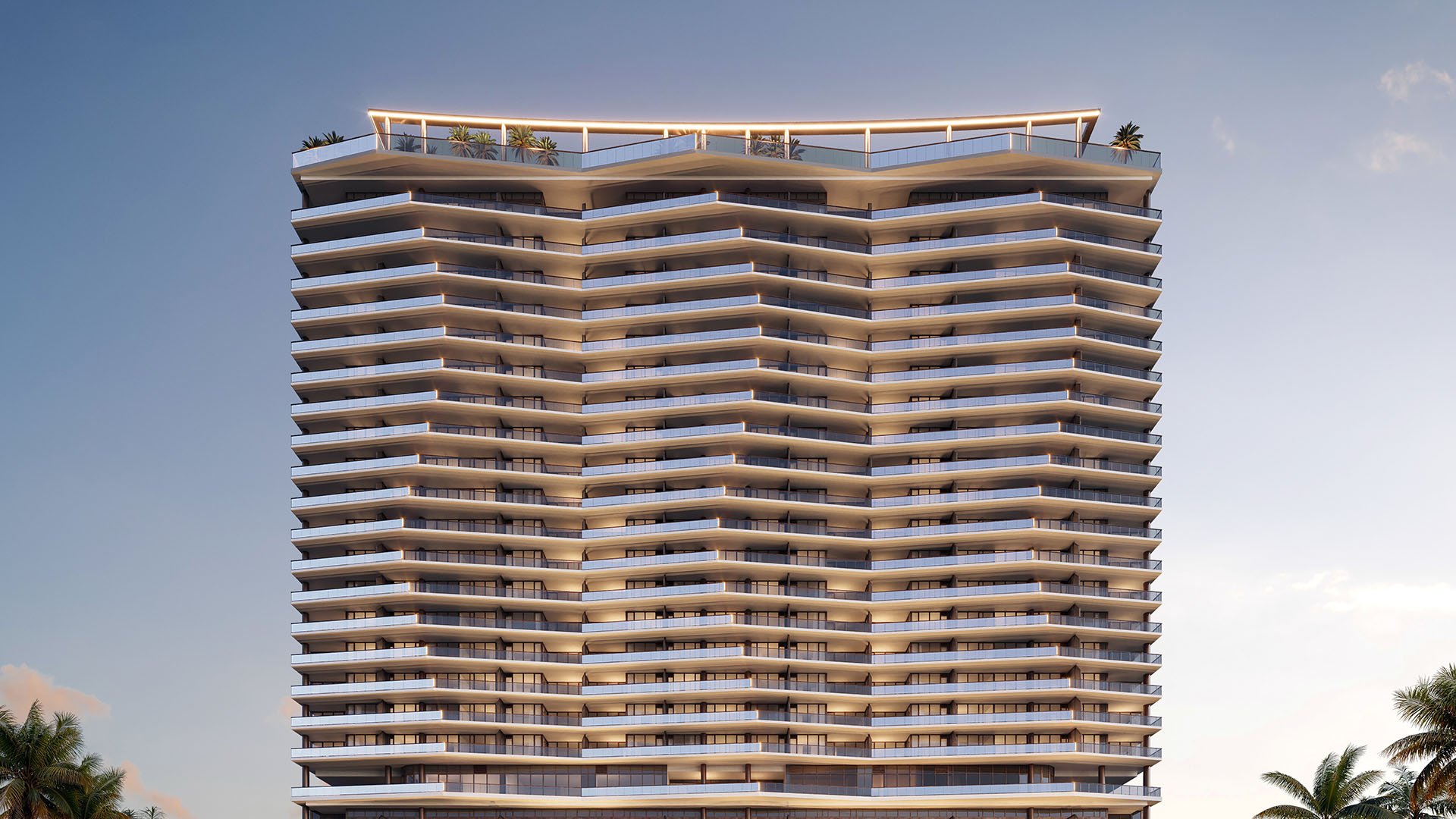
For an ultra-luxury buyer choosing between The Berkeley Palm Beach and The Delmore Surfside, the sharper question is not which residence feels more glamorous. It is which purchase is more likely to protect capital through a full cycle after carrying costs, transaction costs, liquidity risk, and market stress.
That distinction matters. A new-development condominium is not simply a South Florida real estate purchase. It is exposure to a specific micro-market, building, developer execution path, delivery timeline, and capital stack. For an investment-minded family evaluating a new project, the difference between new-construction confidence and pre-construction exposure can be material.
On that basis, The Berkeley Palm Beach screens as the more conservative downside-discipline choice, assuming the residence is well bought. The Delmore Surfside remains compelling for buyers seeking exposure to a higher-beta coastal luxury corridor, but its downside profile depends more heavily on continued strength in Surfside’s ultra-luxury condominium trajectory.
Downside discipline is not the same as buying the least expensive home. It is the practice of reducing the probability and severity of value impairment when conditions become less favorable. For a pre-construction or new-development buyer, that means asking what happens if absorption slows, bid-ask spreads widen, carrying costs rise, insurance pressure increases, or resale liquidity weakens at the wrong moment.
This is where the comparison becomes more nuanced than a simple Palm Beach versus Miami-Dade preference. Both properties may appeal to affluent buyers with sophisticated taste. Both may be high-quality assets. But quality and cycle position are separate issues. A beautiful building bought aggressively can be a weaker capital-preservation purchase than a quieter residence acquired with better basis discipline in a more insulated ownership market.
The buyer who prioritizes downside discipline should therefore begin with the adverse scenario, not the lifestyle brochure. How long can the asset be comfortably held? Is the unit desirable enough to remain liquid in a softer market? Is the purchase being made for genuine long-term use, or is the buyer relying on near-term appreciation to validate the price?
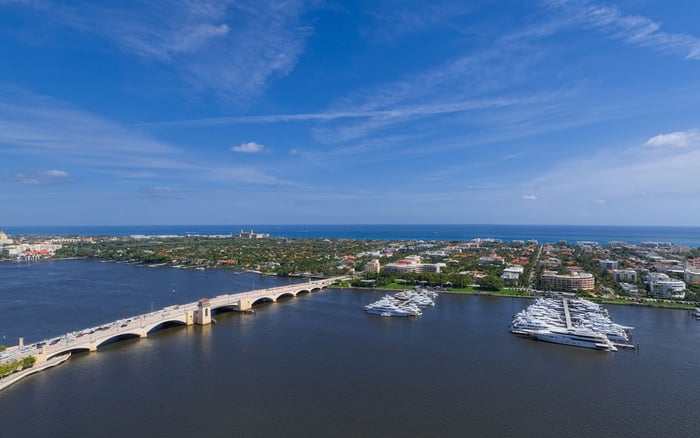
The Berkeley Palm Beach benefits from being evaluated through a Palm Beach-area lens, where luxury demand is often underwritten around wealth preservation, end-user ownership, and scarcity logic. That does not immunize any purchase from loss. It does, however, create a more defensive underwriting backdrop when the buyer’s goal is to limit volatility rather than maximize speculative upside.
A well-bought residence in this kind of constrained market context is more likely to support downside discipline than an equivalently priced alternative in a broader, more momentum-sensitive coastal condominium corridor. The strongest version of the Berkeley thesis is not that every unit is automatically protected. It is that the market context can offer a deeper foundation for buyers who intend to use the residence and hold through changing conditions.
That hold period is essential. The Berkeley’s downside case depends heavily on entry price, unit selection, and whether the purchaser is buying for long-term occupancy or a shorter resale window. A buyer who overpays for a less liquid line can weaken the defensive thesis. A buyer who secures a well-positioned residence at a disciplined basis can make the Palm Beach-area scarcity argument work more effectively.
This is why the Berkeley side of the comparison appeals to families who think like stewards of capital. They are not avoiding upside. They are simply unwilling to make upside the condition required for the purchase to make sense.
The Delmore Surfside belongs to a different market rhythm. Surfside benefits from proximity to Bal Harbour and Miami Beach, and it sits within a broader ultra-luxury coastal condominium cluster. That can be powerful in strong markets. Global luxury capital, architectural prestige, and boutique condominium momentum can all intensify demand when confidence is high.
The same qualities can also increase downside volatility. The Delmore’s capital-preservation case depends on how much current pricing already assumes sustained demand for Surfside’s luxury trajectory. If pricing embeds continued strength, the buyer has less margin for disappointment if market conditions soften, resale liquidity becomes more selective, or buyers compare alternatives across the Miami-Dade coastal corridor.
That does not make The Delmore Surfside a poor choice. It makes it a different choice. For the buyer who wants more exposure to luxury-growth dynamics, and who is comfortable with higher beta, it may be the more exciting asset. For the buyer who defines success as less volatility and stronger resilience under stress, it requires more stringent underwriting.
The important distinction is that Surfside’s appeal is tied to a larger competitive universe. Its adjacency to marquee coastal markets is valuable, but it also places each project within a more visible field of comparison. In a strong cycle, that can lift perceived value. In a weaker cycle, it can make buyers more selective.
Both decisions require discipline around the risks specific to pre-construction purchasing. Staged deposits reduce flexibility. Exit options can be limited before closing. Construction risk exists even in high-end projects. The eventual resale environment may differ from the market that existed when the contract was signed.
This is why buyers should not judge either project only by presentation, finishes, or neighborhood prestige. The more relevant questions are financial. What is the true all-in basis after closing costs and carrying costs? How does the unit compare within the building? What would the resale audience look like if the market were less liquid? Could the buyer hold comfortably if the optimal sale window were delayed?
For The Berkeley, the underwriting emphasis should be on basis, line quality, and long-term use. For The Delmore, it should be on how much market enthusiasm is already reflected in price, and how durable demand would be if luxury condominium momentum slows.
If the mandate is better downside discipline, The Berkeley Palm Beach has the cleaner conservative case. Its appeal rests on a more insulated, end-user-oriented ownership base and a stronger scarcity argument. For buyers prioritizing capital preservation over maximum upside, that combination is difficult to ignore.
The Delmore Surfside is better understood as the higher-upside, higher-beta option. It may reward buyers if Surfside’s luxury condominium corridor continues to deepen and global demand remains strong. But that same exposure makes the downside case more sensitive to cycle timing and entry price.
The practical answer is therefore conditional but clear. With comparable unit quality and disciplined entry pricing, The Berkeley is the preferred choice for the buyer who wants better downside discipline. The Delmore may be the preferred choice for the buyer who accepts more volatility in exchange for potentially greater participation in a dynamic coastal market.
The final decision should be made residence by residence. A poorly selected Berkeley unit can underperform a well-bought Delmore residence. But if the buyer’s stated priority is capital preservation, the Palm Beach-area thesis provides the more defensive starting point.
Which property better supports downside discipline? The Berkeley Palm Beach is the more conservative choice when entry price, unit selection, and hold period are disciplined.
Is The Delmore Surfside riskier? It carries more market beta because its value case is more tied to Surfside’s luxury-condo momentum and broader coastal demand.
Does that mean The Delmore Surfside is a weaker asset? No. It may offer more upside potential, but that upside comes with greater sensitivity to cycle timing and resale liquidity.
What matters most for The Berkeley Palm Beach? Basis, unit selection, and long-term use are central to preserving the defensive thesis.
What matters most for The Delmore Surfside? Buyers should test how much pricing depends on sustained demand for Surfside’s ultra-luxury condominium corridor.
Can individual unit economics reverse the conclusion? Yes. A well-bought Delmore residence can be more compelling than an aggressively priced Berkeley residence.
Why is hold period so important? A longer hold can reduce pressure from temporary bid-ask spreads, carrying costs, and weaker resale conditions.
Should buyers underwrite a stressed scenario? Yes. Both projects should be tested against slower absorption, higher carrying costs, insurance pressure, and weaker liquidity.
Is Surfside still attractive for luxury buyers? Yes. Surfside benefits from proximity to Bal Harbour and Miami Beach, but it also competes in a broader luxury-condo cluster.
What is the best way to shortlist comparable options for touring? Start with location fit, delivery status, and daily lifestyle priorities, then compare stacks and elevations to validate views and privacy.
When you're ready to tour or underwrite the options, connect with MILLION.
If branded residences are on your mind — as a home or as an allocation — we would be glad to share what we are seeing, privately.
Begin a quiet conversation