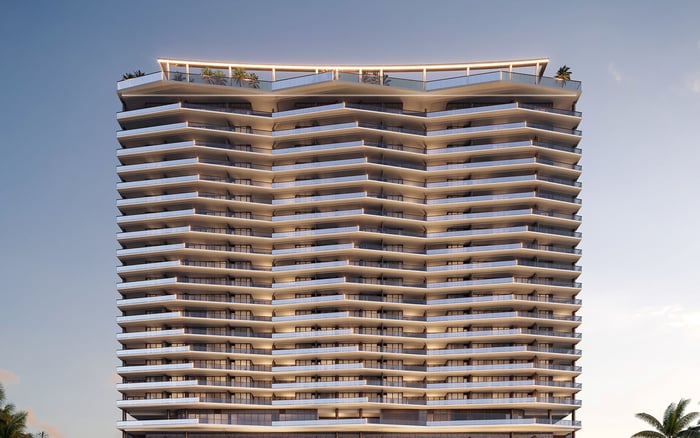
A buyer-focused guide to evaluating developer-delivery risk at The Bristol Palm Beach, from construction financing and escrow protections to schedule milestones, amendment rights and closing remedies.
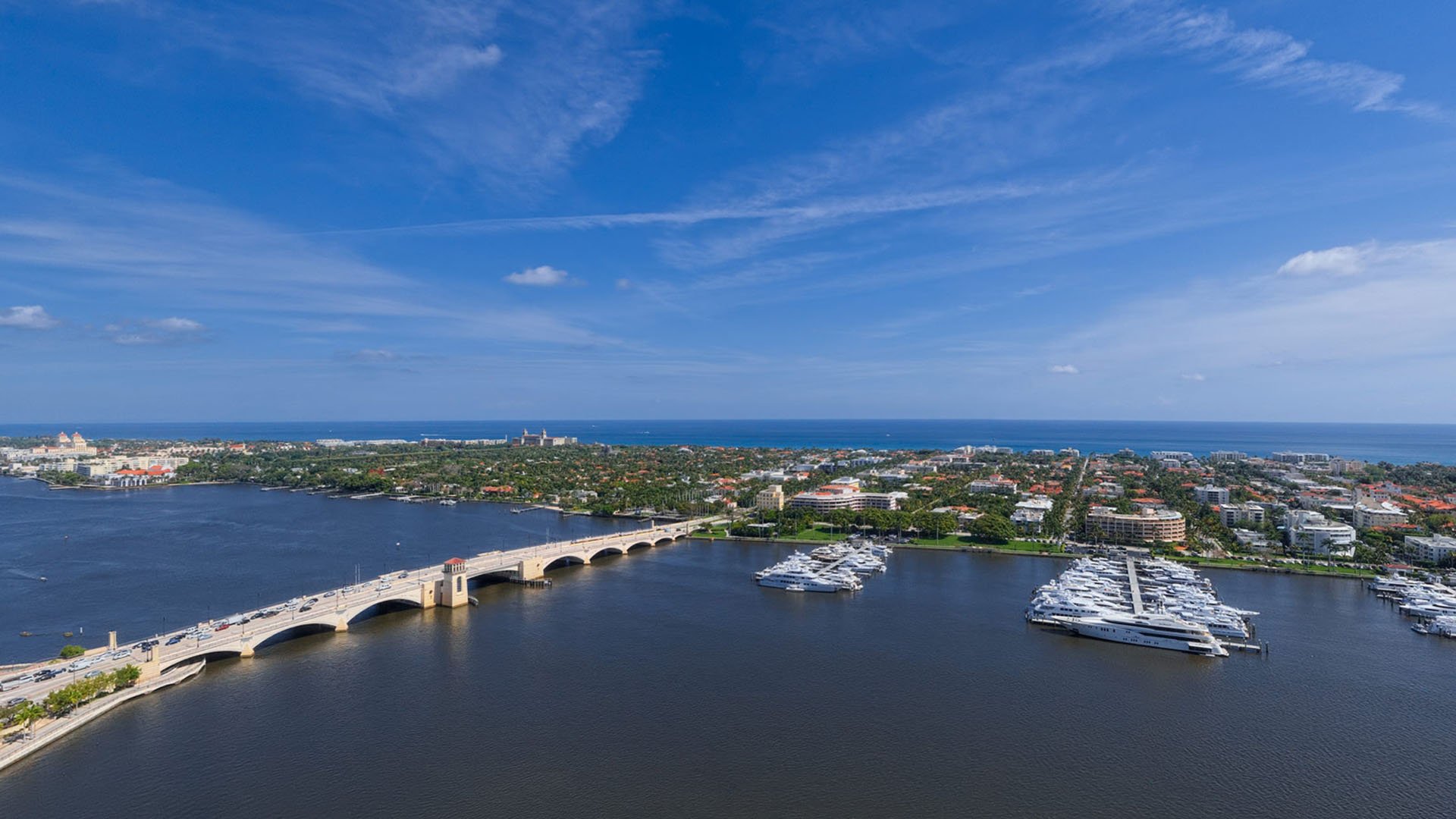
The Bristol Palm Beach sits in a market where buyers often focus first on architecture, views, service culture and long-term scarcity. Those elements matter. Yet for any buyer evaluating a significant condominium purchase, the quieter question is often the more consequential one: what must happen between signing and closing for the residence to be delivered exactly as expected?
That question defines developer-delivery risk. It is not an accusation, and it is not a forecast. It is a diligence framework for understanding whether a project could be delayed, materially changed, underfunded, repriced, or not completed in the manner a purchaser anticipated. In a Palm Beach or West Palm Beach acquisition, the vocabulary may be technical, but the consequences are personal: capital is committed, timelines are built, and expectations become contractual.
For buyers considering The Bristol Palm Beach, the most elegant approach is also the most disciplined one. Ask for documents, compare them to the purchase agreement, and have counsel translate every promise into enforceable rights.
Delivery begins with financing. A buyer should ask for written evidence of construction financing, not simply verbal comfort that funding is in place. The essential questions are direct: who is the lender, what is the committed loan amount, what conditions remain before draws can be made, and is the financing expected to be sufficient through certificate of occupancy?
The answer should be specific enough for counsel to evaluate whether the funding path aligns with the construction path. If remaining draw conditions are broad, unresolved, or dependent on future events, that does not automatically signal a problem. It does mean the buyer should understand what could interrupt the timeline.
A related question is whether any completion bond, completion guaranty, payment-and-performance bond, or similar backstop exists. Just as important, buyers should ask who benefits from that protection. A lender backstop is not always the same as a buyer remedy. The distinction matters if delivery stalls or costs escalate.
In luxury pre-construction and new-construction purchases, the deposit structure is often one of the most consequential parts of the transaction. Buyers should ask whether deposits are held in escrow, under what circumstances they may be released, and whether any portion can be used for construction before closing.
The issue is not merely where the funds sit on day one. It is what events allow them to move. A purchase agreement, escrow agreement and public-offering documents should be read together, because the practical answer may live across several exhibits. If a deposit can be released before closing, the buyer should know the trigger, the protections and the remedies if delivery does not occur as expected.
A polished sales presentation may describe a broad delivery window. A serious buyer should request a project-delivery schedule that separates the major phases: permitting, demolition or site work, vertical construction, interior buildout, inspections, certificate of occupancy and closings.
This is where a new project begins to reveal its operational reality. Milestones allow buyers and advisers to identify which parts of the schedule are already complete, which remain dependent on government approvals or inspections, and which carry the highest timing sensitivity. A schedule without defined components may be harder to test. A schedule with defined components can be compared to contract deadlines and extension rights.
Buyers should also ask whether the project has all required local approvals, and whether any remaining governmental, architectural, zoning, environmental, coastal, utility, or infrastructure approvals could affect delivery. In coastal South Florida, approvals and building requirements are not background details. They are central to the path from concept to closing.
The most important delivery date may not be the date emphasized in conversation. It may be the outside delivery date in the contract. Buyers should ask what happens if that date is missed: can the purchaser cancel, receive the deposit back, collect interest, seek liquidated damages, or must the purchaser accept extensions?
Force majeure language deserves particular attention. Buyers should ask how broadly the agreement defines delay events, including weather, labor shortages, supply-chain issues, lender delays, governmental approvals and market conditions. A narrow clause may preserve a more meaningful deadline. A broad clause may give the developer more room to extend without default.
None of this is unusual in sophisticated condominium contracts. The point is not to eliminate all delay risk. The point is to understand which delays are excused, how long they can extend the closing timeline, and what leverage the buyer retains.
Developer-delivery risk is not only about whether a building is finished. It is also about whether the delivered residence and building experience match what the buyer believed they were purchasing.
Buyers should ask whether the developer can modify floor plans, ceiling heights, finishes, amenities, common areas, parking rights, storage rights, view corridors, or building services before closing. They should also ask whether the agreement allows price escalation, supplemental assessments, finish substitutions, or cost pass-throughs if construction costs rise.
In an investment context, these provisions can affect more than taste. A different amenity package, parking arrangement, service model, or cost structure may change long-term carrying costs and perceived value. For an end user, the issue may be even more intimate: the exact way the home lives.
Buyers should ask how the general contractor is engaged. A guaranteed maximum price contract, fixed-price contract, cost-plus contract, or another structure can allocate overrun risk differently. The buyer does not need to become a construction lawyer, but counsel should understand whether rising costs are primarily absorbed by the developer, negotiated with contractors, passed through in some form, or addressed through substitutions and amendments.
The same discipline applies to hurricane-hardening, flood-elevation, insurance, windstorm and building-code requirements. Buyers should ask whether these requirements have already been priced into the construction budget. In South Florida, resilience is not an amenity. It is part of the financial and technical foundation of delivery.
A completed residence can still raise delivery questions if the broader building is not fully operational. Buyers should ask whether units can close in phases and what happens if amenities, lobbies, elevators, pools, parking, landscaping, or service areas are incomplete at first closings.
Association budgets also deserve a close reading. Maintenance estimates, insurance assumptions, reserves, staffing plans and building-service costs may be final or subject to revision before turnover. A top project can still experience changing operating assumptions before residents control the association.
Buyers should ask whether the developer or sponsor retains association control after initial closings, and how long that control can last. They should also ask about pending or potential liens, contractor disputes, title exceptions, easements, financing encumbrances, or litigation that could affect delivery or closing.
The most practical recommendation is simple: no buyer should rely on summary assurances alone. Counsel should review the public-offering documents, purchase agreement, escrow agreement, construction timeline, default provisions, amendment rights and every exhibit before signing.
At this level, diligence is not adversarial. It is a form of respect for the purchase. The better the questions, the more clearly a buyer can distinguish ordinary development complexity from unacceptable uncertainty.
What is developer-delivery risk? It is the risk that a project is delayed, materially changed, underfunded, repriced, or not completed as expected.
Should buyers ask for proof of construction financing? Yes. They should request written evidence of the lender, committed amount, draw conditions and funding sufficiency through certificate of occupancy.
Why does the escrow agreement matter? It explains where deposits are held, when they may be released, and whether any portion can be used before closing.
What is an outside delivery date? It is the contractual deadline that may trigger specific buyer rights if the developer does not deliver on time.
Can force majeure extend closing deadlines? It can, depending on how broadly the contract defines qualifying delay events and extension rights.
Can a developer change finishes or amenities? The purchase documents may allow certain substitutions or modifications, so buyers should review amendment rights carefully.
Why ask about the contractor agreement? The contract structure can affect who bears cost overruns and how construction-budget pressure is handled.
Can units close before all amenities are complete? Some agreements may allow phased closings, so buyers should ask what must be operational at first occupancy.
Do association budgets change before turnover? They may be subject to revision, particularly for insurance, reserves, staffing and service-cost assumptions.
What should counsel review before signing? Counsel should review the offering documents, purchase agreement, escrow agreement, construction timeline, default provisions, amendment rights and exhibits.
For a discreet conversation and a curated building-by-building shortlist, connect with MILLION.
If branded residences are on your mind — as a home or as an allocation — we would be glad to share what we are seeing, privately.
Begin a quiet conversation