A discreet buyer’s guide for California relocations to Bal Harbour, focused on lifestyle fit, condo diligence, nearby alternatives, and purchase priorities.
For buyers moving from California, Bal Harbour is less a simple relocation than a recalibration of daily life. The decision is often driven by a desire for privacy, ease, service and a coastal rhythm that feels polished rather than performative. The right purchase is not merely a residence. It is a new operating system for travel, family visits, entertaining, wellness and long-range wealth planning.
This is not a buyer’s guide built around a generic checklist. Bal Harbour demands a more tailored lens. A California buyer may be accustomed to estate-style privacy, dramatic views, indoor-outdoor living and design-led architecture. In South Florida, those priorities translate differently. Elevation, exposure, building service culture, terrace usability, parking, guest flow and association standards can matter as much as the residence itself.
Start with the life you want to protect. Some buyers want the lock-and-leave simplicity of a fully serviced condominium. Others need a larger footprint for visiting children, staff coordination or extended seasonal stays. The strongest searches begin with patterns, not finishes: how often you will be in residence, who will visit, how you entertain, whether you work from home and how much privacy you expect from the moment you arrive.
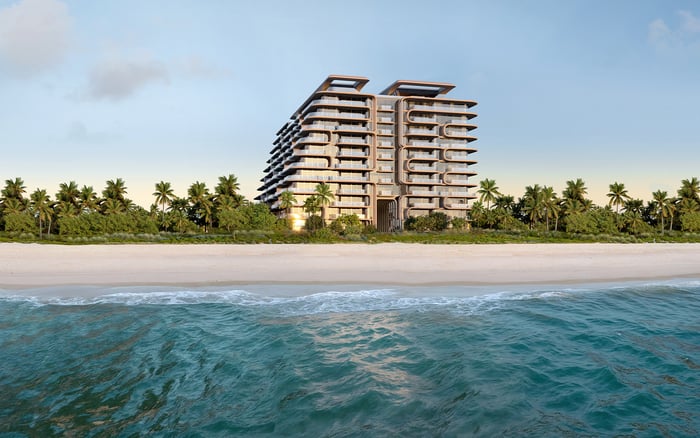
For a Bal Harbour-focused search, established names such as Oceana Bal Harbour and newer conversations around Rivage Bal Harbour can help frame the spectrum of expectations. One buyer may prioritize immediate familiarity and a known residential environment. Another may focus on new construction, fresh amenities and a longer ownership horizon.
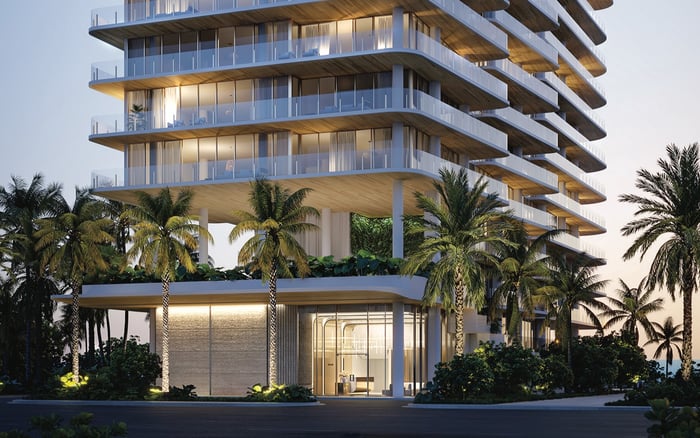
The key is to avoid buying only the postcard view. Oceanfront appeal is powerful, but the daily experience is shaped by how the building receives you, how staff handles privacy, how elevators are programmed, how terraces live in different seasons and whether the layout supports both solitude and guests.
California buyers should slow down before assuming a luxury condominium functions like a single-family estate. In a building, you are buying both the private residence and the shared operating culture. Review association documents carefully, including budgets, rules, reserves, renovation protocols, leasing policies and procedures for contractors or staff. If you expect to customize interiors, understand the approvals, hours and logistics that may apply before closing.
Insurance deserves early attention. Waterfront and coastal ownership can involve specialized coverage conversations, and those conversations should happen before a contract feels emotionally inevitable. Legal, tax and estate planning should also be coordinated before residency decisions are made. The issue is not simply where you buy. It is how the purchase fits into your broader financial life.
A cash purchase may simplify some elements, but it does not eliminate diligence. Buyers financing a residence should prepare for condominium review, association materials and timing questions. Buyers paying cash should still study the building with the same rigor, because carrying costs, capital planning and rules will shape the ownership experience long after closing.
Many California buyers arrive with Bal Harbour as the headline, then discover that the smartest search includes nearby alternatives. Surfside can feel like a natural comparison for buyers who want proximity to the same northern Miami Beach corridor while evaluating a different residential tone. A project such as The Delmore Surfside may enter the conversation for buyers comparing privacy, scale and design direction beyond the Bal Harbour address.
Bay Harbor Islands can also be relevant for buyers who want a quieter, more residential-feeling setting near the same general area. Options such as Bay Harbor Towers and Onda Bay Harbor can help frame the trade-off between direct beach orientation and a more sheltered waterfront sensibility.
This triangle matters because California buyers often value nuance. The right answer may not be the most obvious address. It may be the building whose service style, arrival sequence, floor plan and outdoor space most closely match how you actually live.
Begin with light and exposure. A beautiful plan on paper can live very differently depending on sun, glare, privacy and terrace depth. If you are moving from a California home with generous outdoor rooms, pay close attention to whether the terrace can function as daily living space rather than a symbolic balcony.
Next, study the kitchen and service areas. Many luxury buyers focus on entertaining rooms first, but long stays reveal the importance of storage, catering flow, staff access, laundry, secondary entries and guest separation. A residence that photographs beautifully may still feel inefficient if it cannot absorb real life.
Finally, consider future flexibility. Even if the purchase begins as a second-home strategy, it may evolve into a primary residence, family hub or long-term hold. Choose a plan that can adapt. The best Bal Harbour purchase should feel serene on day one and durable five years later.
The most effective buyers arrive prepared, but not rushed. Have proof of funds or financing readiness organized before touring. Clarify who will sign, how title may be held and which advisers need to review documents. A polished search can still lose momentum if the decision structure is unclear.
Negotiation should be guided by fit, not theater. In the ultra-premium market, the strongest position often comes from certainty: clean terms, serious timing and a clear understanding of what matters most. If the residence is rare for your needs, over-optimizing a minor concession can be less valuable than securing the right long-term home.
Is Bal Harbour a good fit for buyers relocating from California? It can be, especially for buyers seeking a refined coastal base with strong privacy expectations and a service-oriented residential lifestyle.
Should I buy before establishing Florida residency? Coordinate timing with legal, tax and estate advisers before making residency decisions or changing your primary home structure.
Is a condominium easier than a house for a California mover? It can simplify maintenance and security, but buyers must understand association rules, budgets, approvals and shared building culture.
Should I focus only on oceanfront options? Oceanfront can be compelling, but some buyers may prefer a quieter waterfront setting or a nearby alternative with a better floor plan.
How important is the building staff experience? Very important. Service culture affects privacy, convenience, guest arrivals, deliveries, maintenance and day-to-day peace of mind.
Should I compare Bal Harbour with Surfside? Yes. Surfside can provide useful context for scale, design, privacy and value preferences near the same coastal corridor.
What documents should I review before buying? Review association documents, financials, rules, insurance information, renovation procedures and any leasing restrictions with counsel.
Is new construction always the better choice? Not always. New construction may offer fresh amenities, while an existing residence may provide immediate familiarity and proven operations.
What should California buyers inspect most carefully? Focus on exposure, terrace usability, storage, service flow, building rules, carrying costs and insurance considerations.
How should I begin a serious Bal Harbour search? Define your lifestyle requirements first, then compare buildings through privacy, service, layout and long-term flexibility.
For a confidential assessment and a building-by-building shortlist, connect with MILLION.
If branded residences are on your mind — as a home or as an allocation — we would be glad to share what we are seeing, privately.
Begin a quiet conversation