A buyer-focused look at Fendi Château Residences Surfside, where brand cachet, oceanfront living, association budgets, reserves, insurance, and service standards all shape long-term ownership.
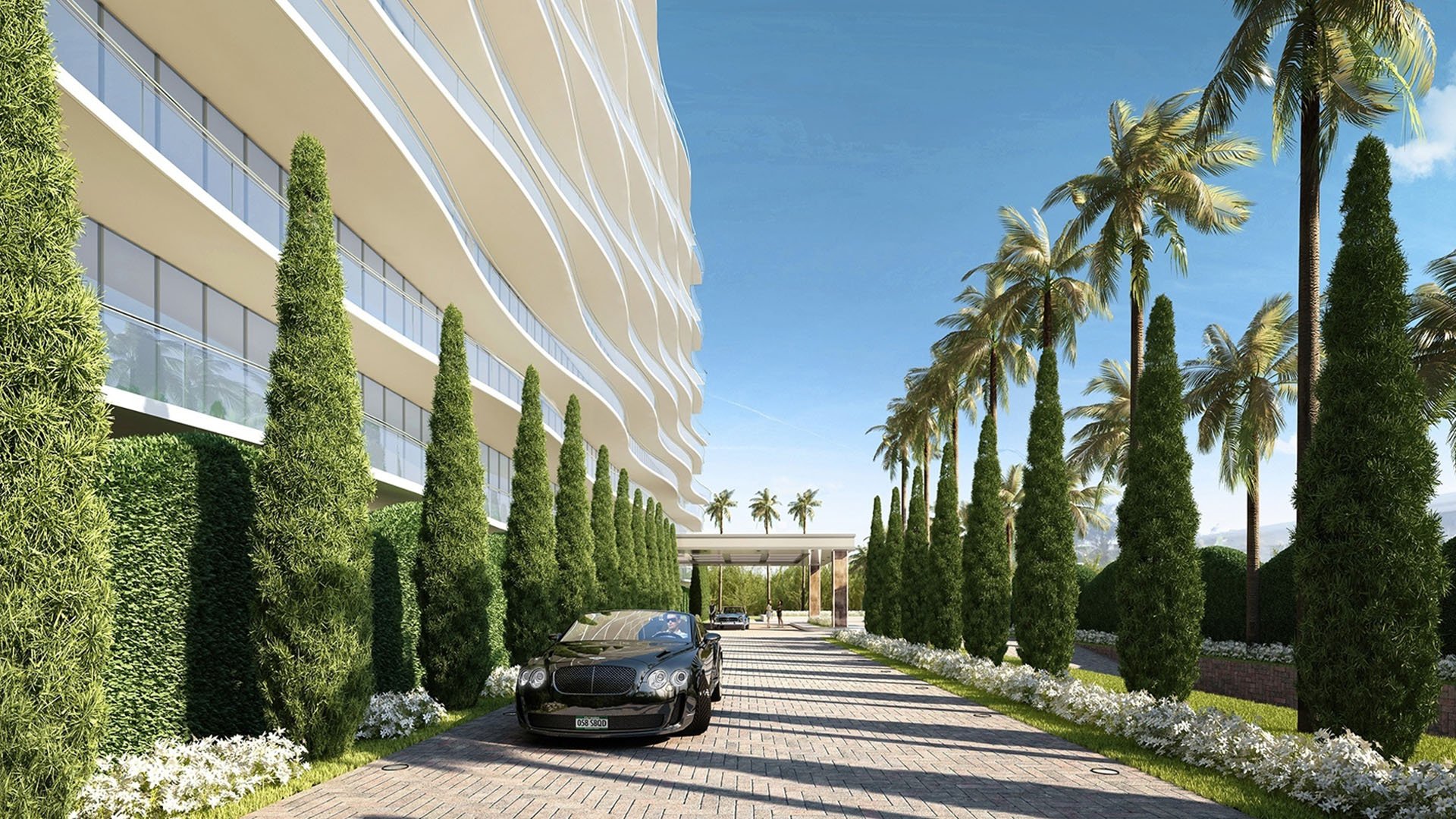
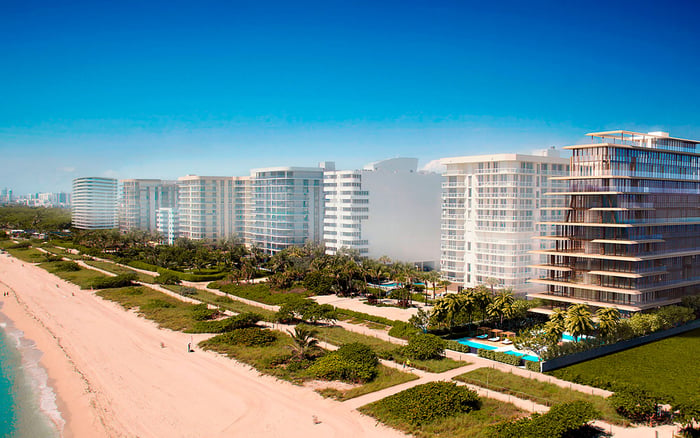
Fendi Château Residences Surfside occupies a rare position in South Florida real estate: a 12-story oceanfront condominium at 9349 Collins Avenue, set within the refined coastal corridor between Bal Harbour and North Beach. Its identity is inseparable from the Fendi name, giving the property a distinct aura for buyers who value design, privacy, and a polished residential environment.
Yet the most sophisticated purchasers tend to ask a second question once the lifestyle appeal is clear: what will it cost to preserve that standard over time?
That is the essence of future operating obligations. At a property such as Fendi Château Residences Surfside, ownership is not simply the acquisition of a private residence by the Atlantic. It is participation in a condominium association whose operating budget, service contracts, insurance coverage, reserve planning, governance practices, and capital-expenditure decisions can materially influence the long-term cost and quality of ownership.
In the ultra-prime market, this distinction matters. A trophy address should be evaluated not only by finishes, views, and provenance, but also by the financial architecture that keeps the building performing at a luxury level.
Branded residences carry expectations that differ from ordinary condominium ownership. The Fendi association suggests heightened sensitivity to design quality, common-area presentation, material upkeep, and the continuity of a luxury service environment. Buyers are not merely purchasing space; they are buying into a standard.
That standard has operational consequences. Concierge-style staffing, amenity maintenance, premium vendors, elevated common-area care, and consistent presentation all require disciplined budgeting. In a coastal building, the cost of preserving that atmosphere can be shaped by salt air, insurance markets, mechanical systems, and the board’s willingness to plan before visible deterioration appears.
This does not make the obligation negative. A well-funded, professionally governed association can serve as a form of value protection. The issue is whether the building’s service ambitions and financial planning are aligned. If expectations remain at the top of the market while budgets lag, future assessments can become the mechanism that closes the gap.
Surfside has become one of Miami-Dade’s most closely watched luxury residential enclaves, supported by its oceanfront setting, village scale, proximity to Bal Harbour, and access to the broader Miami Beach corridor. Oceanfront ownership here is inherently limited, which is part of the appeal.
That scarcity also means buyers often compare Fendi Château with other discreet high-end properties nearby. A purchaser considering Arte Surfside, The Surf Club Four Seasons Surfside, or The Delmore Surfside is usually weighing more than architecture. The comparison should include association strength, service model, reserve posture, insurance exposure, and the level of maintenance required to preserve a building’s intended identity.
Bal Harbour provides another useful lens. Buyers looking north toward Rivage Bal Harbour may encounter similar questions around prestige, waterfront positioning, service intensity, and the economics of maintaining a rare coastal product. The address may differ, but the diligence discipline is comparable.
The operating budget is the starting point. It determines how the association funds recurring expenses, including staffing, maintenance, management, utilities, common-area care, vendor contracts, and day-to-day administration. In a luxury building, buyers should look beyond the headline number and understand what level of service the budget is designed to support.
Reserves are equally important. They are the financial cushion for future repair and replacement needs. Even relatively newer luxury buildings can experience increasing cost complexity as systems age and amenity expectations remain high. Elevators, facade components, mechanical systems, pool areas, landscaping, security infrastructure, and interior common spaces all require eventual reinvestment.
Insurance is another central consideration for South Florida coastal condominiums. Rising insurance pressure can affect budgets even when a building is well managed. Buyers should understand the coverage structure, deductibles, renewal history, and whether projected premiums are being treated as a temporary spike or as a long-term operating reality.
Capital expenditures deserve special attention. A building may appear immaculate while still carrying upcoming projects that have not yet flowed through monthly assessments. The key is determining whether the association has a credible plan for known and foreseeable needs, rather than relying on reactive funding.
A serious buyer at Fendi Château should review association documents, recent budgets, reserve information, pending or contemplated projects, insurance details, meeting materials, rules, service contracts when available, and evidence of board governance practices. The goal is not to find perfection. The goal is to understand how decisions are made and whether the property’s operating model is sustainable.
Several questions are especially useful. Are current assessments sufficient to support the service level owners expect? Are reserves being funded in a way that anticipates future building needs? Are known maintenance items likely to require special assessments? Are insurance costs adequately reflected in the budget? Does the board communicate clearly and plan ahead?
In the ultra-luxury segment, governance quality can be as important as design. A beautifully conceived building still depends on owner alignment, professional management, and a board that balances presentation with prudence. When those elements work together, the result is a calmer ownership experience and a stronger foundation for long-term value.
For high-net-worth buyers, the purchase price often receives the most attention. At a building like Fendi Château, the more durable question is whether future assessments, reserves, insurance, and service levels are financially sustainable.
This is particularly relevant for second-home owners and international buyers, who may use the residence seasonally but remain exposed to the full economic life of the building. A residence can be lightly occupied while the association continues to operate year-round, maintain amenities, insure the structure, staff the property, and protect the common areas that define the experience.
The best diligence reframes carrying cost as stewardship. Buyers who understand the association’s financial posture can make a clearer decision about whether the building’s long-term obligations match their expectations for ownership. In that sense, operating obligations are not a footnote. They are part of the asset.
What is Fendi Château Residences Surfside? It is an ultra-luxury branded condominium in Surfside, Florida, associated with the Italian fashion house Fendi.
Where is the property located? The building is located at 9349 Collins Avenue on the oceanfront Collins Avenue corridor in Surfside.
Why do operating obligations matter for buyers? They shape the long-term cost of ownership through budgets, reserves, insurance, service contracts, and capital projects.
Does the Fendi branding affect ownership costs? It can, because branded luxury generally implies elevated expectations for design upkeep, staffing, amenities, and presentation.
What should buyers review before purchasing? Buyers should review association documents, budgets, reserves, insurance coverage, pending projects, and governance practices.
Are newer luxury buildings immune from cost increases? No. Even relatively newer buildings can face more complex costs as systems age and amenity standards must be preserved.
Why is insurance important in Surfside? South Florida coastal condominiums face insurance pressure that can influence future budgets and owner assessments.
How should buyers think about monthly assessments? Assessments should be judged by what they fund, whether they are sustainable, and whether they match the building’s service level.
What is the biggest diligence question at Fendi Château? The central question is whether the association can responsibly support luxury service, reserves, insurance, and future projects.
Is this analysis only relevant to Fendi Château? No. The same ownership discipline applies across Surfside, Bal Harbour, and other oceanfront luxury condominium markets.
To compare the best-fit options with clarity, connect with MILLION.
If branded residences are on your mind — as a home or as an allocation — we would be glad to share what we are seeing, privately.
Begin a quiet conversation