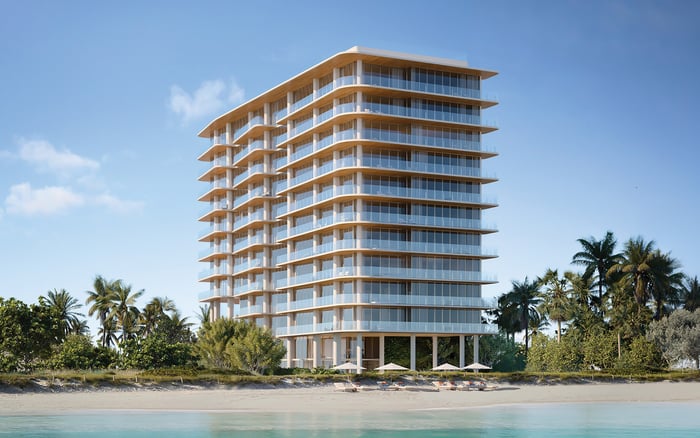
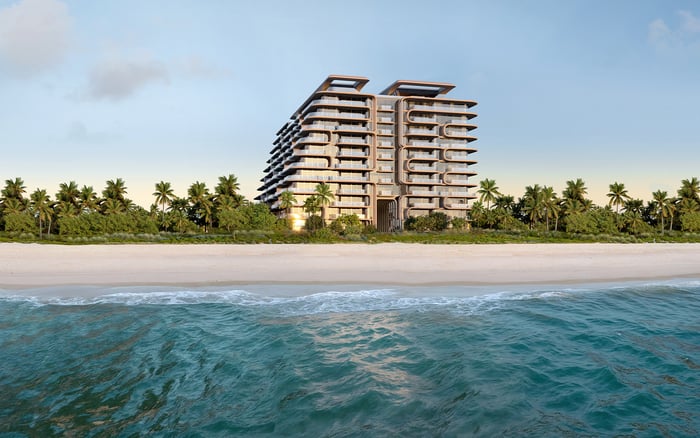
A practical luxury buyer’s guide to choosing between Bay Harbor Islands and Surfside through the lens of usable outdoor space, heat comfort, wind exposure, privacy and daily terrace rituals.
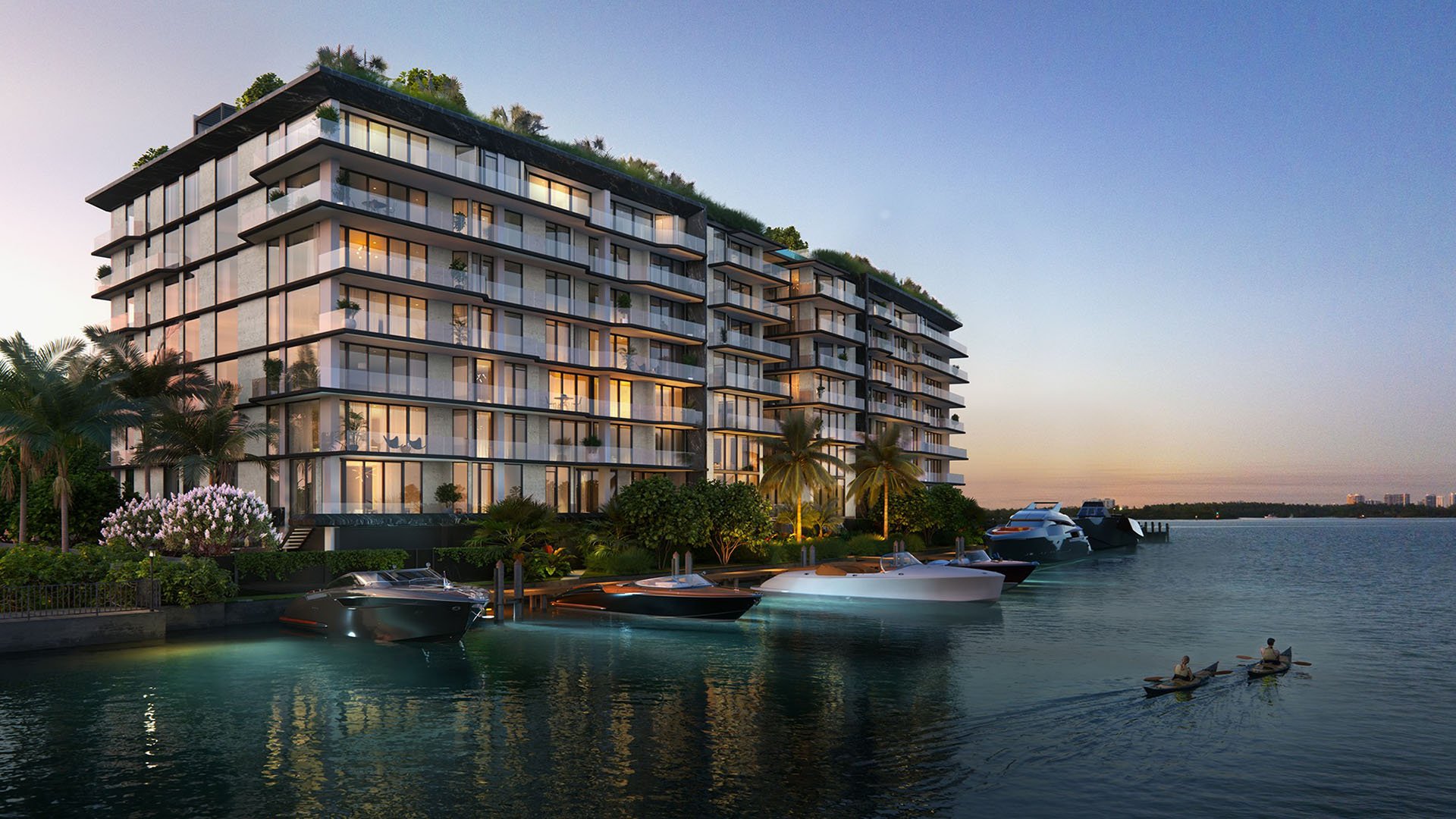
For South Florida buyers, outdoor space can be seductive on a floor plan and disappointing in daily life. The question is not simply whether a residence has a terrace. It is whether that terrace remains comfortable at breakfast, useful at sunset, quiet enough for conversation and protected enough to furnish beautifully.
That is the real distinction when choosing between Bay Harbor Islands and Surfside. Both appeal to buyers who want a refined, north Miami Beach lifestyle with proximity to Bal Harbour, the beaches and private residential streets. Yet the experience of outdoor living can feel notably different. Bay Harbor Islands often rewards the buyer who wants a more sheltered, neighborhood-scaled rhythm. Surfside appeals to the buyer drawn to the emotional pull of the ocean, with the understanding that wind, salt air and exposure deserve careful scrutiny.
A terrace should not be evaluated as leftover square footage. In premium residences, it functions as an outdoor room. The best ones have a clear purpose: dining, lounging, reading, entertaining, gardening or simply cooling down after the beach.
Bay Harbor Islands can be especially compelling for buyers who want privacy, water proximity and a more residential cadence without giving up access to the surrounding luxury corridor. Here, terrace usability often depends on orientation, neighboring sightlines and how the building frames outdoor space.
A buyer comparing Alana Bay Harbor Islands, Bay Harbor Towers and La Maré Bay Harbor Islands should look beyond the published terrace area. Ask how deep the terrace is, where the columns sit, whether the doors stack cleanly, how much shade is available and whether the outdoor zone can support a real table rather than only two chairs.
Bay Harbor Islands may suit the buyer who imagines a terrace as part of the home’s daily routine. Morning coffee without theatrical wind. A shaded dinner before a short drive to Bal Harbour. A quiet Sunday with the doors open and the outdoor room acting as an extension of the living area. For downsizers leaving a single-family home, that continuity can matter more than a dramatic view.
Surfside brings a different proposition. The oceanfront setting can be magical, but ocean air also asks more of the design. Terraces facing open water can feel exhilarating on the right day and exposed on another. That does not make them less desirable. It makes due diligence more important.
At a Surfside residence such as Ocean House Surfside or The Delmore Surfside, buyers should think about wind at seating height, not only view height. A beautiful panorama from the railing is not the same as a comfortable dinner table ten feet back. The more open the exposure, the more valuable deep overhangs, side walls, recessed outdoor rooms and thoughtful railing design become.
Surfside is for the buyer who values the ritual of beach living: walking out toward the sand, hearing the water, watching the light change over the Atlantic. If that is the lifestyle priority, a terrace becomes part of a larger emotional architecture. The right residence will not eliminate wind or heat. It will manage them through proportion, shade and intelligent planning.
A balcony can be lovely, but it is not automatically a terrace. Buyers should be precise. A narrow balcony may offer air, light and a place to stand. A usable terrace allows furniture placement, circulation around that furniture and a sense of enclosure that makes lingering feel natural.
Depth is often the first test. If a chair must be pulled tight against the glass or a dining table blocks circulation, the outdoor space may photograph better than it lives. Width matters too. A long, narrow run can be useful if it serves bedrooms and living areas, but it may not function as a true outdoor living room.
Access matters as well. A terrace reached only from a secondary bedroom will be used differently from one opening directly off the main living area. In South Florida, the most successful outdoor spaces usually connect to the kitchen, dining area or primary living room, allowing daily movement without ceremony.
Heat is not simply a summer issue. It influences fabric choice, planting, furniture placement, flooring material and the hours during which a terrace feels inviting. Buyers should study sun exposure during the times they actually expect to use the space.
A west-facing terrace may have beautiful late-day light, but it may require stronger shade strategies. An east-facing terrace may be more pleasant in the morning and less intense later. North and south exposures can vary depending on the building, neighboring structures and overhangs.
The luxury question is not whether a terrace is hot. This is South Florida. The question is whether the residence gives you the tools to manage heat gracefully. Deep covered areas, ceiling fans where permitted, exterior-rated shading, pale finishes and furniture that can breathe all contribute to comfort. Landscaping can soften the experience, but buyers should confirm maintenance rules, weight limits and irrigation expectations before imagining a full garden outdoors.
Wind is more personal than buyers expect. Some people love moving air. Others find it tiring when reading, dining or working outside. Oceanfront Surfside and bay-oriented Bay Harbor Islands can each have breezy moments, but the way a building shapes that breeze is crucial.
When touring, stand where the sofa would go. Sit where the dining chair would sit. Speak at a normal volume. Notice whether napkins, cushions or doors move too easily. Ask whether the terrace doors are comfortable to operate in typical conditions and whether outdoor furniture requires special weighting or storage.
Corners can be spectacular, but they can also be windier. Higher floors may gain view and lose calm. Lower floors may feel more protected but trade some openness. There is no universal answer. The right choice depends on whether the buyer wants cinematic exposure or a more cocooned outdoor room.
Terrace usability is also psychological. If a buyer feels watched, the terrace will be used less. Bay Harbor Islands can offer a quieter residential feel, but sightlines between buildings still matter. Surfside can feel more open toward the ocean, yet side views and neighboring balconies deserve close attention.
Sound should be considered at the same time. A terrace can have a spectacular outlook and still feel less useful if mechanical noise, street activity or pool-deck sound carries into the space. Visit at different times when possible. Morning, late afternoon and evening can feel like three different properties.
Privacy screens, recessed terraces and well-planned landscaping can help, but they should be evaluated as part of the architecture rather than as afterthoughts. In a true luxury residence, the outdoor room should feel intentional.
Choose Bay Harbor Islands if your terrace fantasy is calmer, more domestic and more integrated into everyday living. It may be the better fit for buyers who entertain in small groups, work from home, value privacy and want outdoor space that feels like a protected extension of the residence.
Choose Surfside if the ocean is central to the purchase. The terrace may be less about quiet enclosure and more about atmosphere: breeze, horizon, morning light and the rare pleasure of being close to the beach. For some buyers, that energy is the reason to buy.
In either location, the most expensive terrace is not always the most usable. The best terrace is proportioned, shaded, naturally furnished and aligned with the way you live. Buy the outdoor room, not just the square footage attached to the indoor plan.
Is Bay Harbor Islands better than Surfside for usable terraces? It can be better for buyers who prioritize calmer outdoor rooms and a neighborhood feel. The specific building, exposure and terrace depth matter more than the area name alone.
Is Surfside too windy for terrace living? Not necessarily. Surfside terraces can be extraordinary, but buyers should test wind comfort at seating height and study how the residence manages exposure.
What makes a terrace truly usable in South Florida? Shade, depth, privacy, comfortable circulation and manageable wind are the core elements. A usable terrace should support real furniture without feeling cramped.
Should I prioritize view or shade? The best choice depends on lifestyle, but shade often determines how frequently the terrace is used. A dramatic view has less value if the space is uncomfortable most of the day.
Are higher floors always better for terraces? Higher floors may offer stronger views, but they can also feel more exposed. Buyers should compare view quality with wind comfort and daily usability.
Can a narrow balcony still add value? Yes, especially for light, air and a small seating moment. It should not be mistaken for a true outdoor living room if it lacks depth.
What should I check during a terrace showing? Sit where furniture would go, open and close the doors, listen for sound and observe sun exposure. The terrace should be tested like any other room.
Does terrace orientation matter more in Bay Harbor Islands or Surfside? It matters in both. Orientation affects heat, glare, privacy and how comfortable the outdoor space feels at different times of day.
Are project amenities more important than private terraces? Amenities matter, but a private terrace shapes daily life inside the residence. For many luxury buyers, both should work together rather than substitute for one another.
How should I compare two similar residences? Choose the one with the outdoor space you will use more often, not simply the larger number on paper. Comfort, proportion and privacy should guide the final decision.
When you're ready to tour or underwrite the options, connect with MILLION.
If branded residences are on your mind — as a home or as an allocation — we would be glad to share what we are seeing, privately.
Begin a quiet conversation