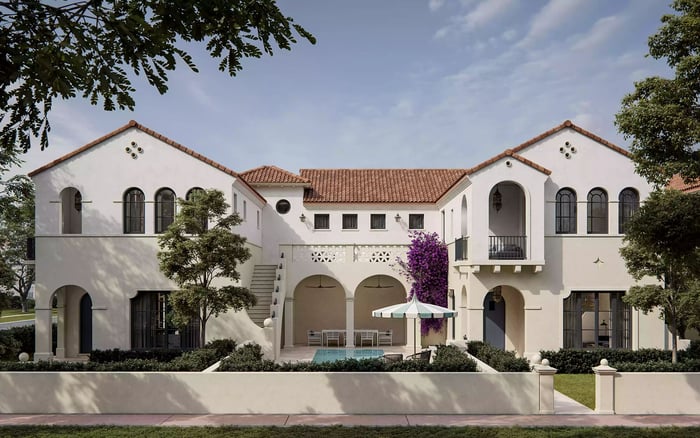
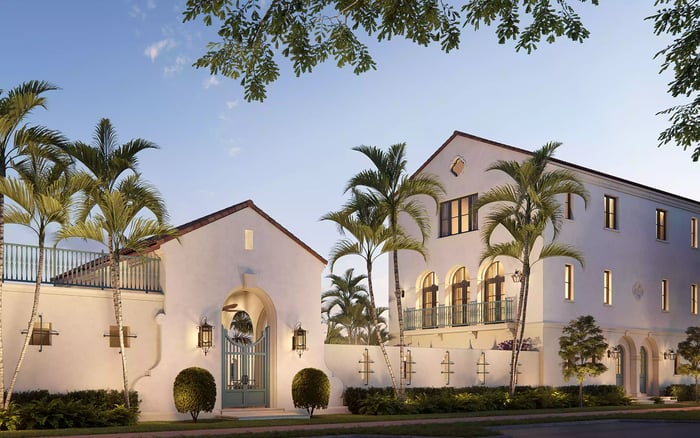
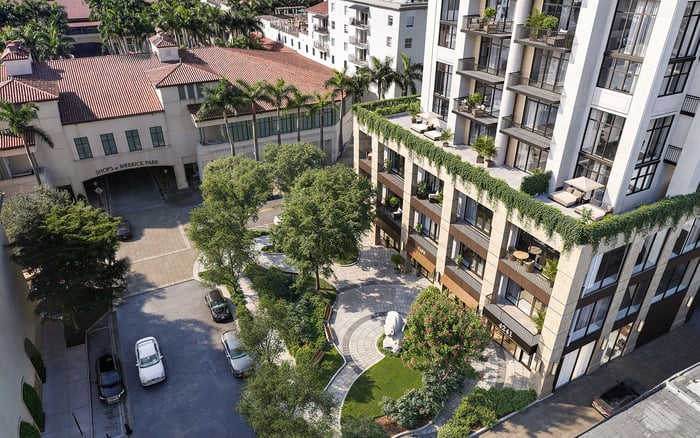
A buyer-oriented, discreet guide to Coral Gables condominium living for families prioritizing walkable errands, calmer streets, and fast school runs. This ranked selection focuses on building typology and neighborhood positioning rather than unverifiable superlatives, with practical guidance on what to verify during touring and contract.

Coral Gables is often framed as a single-family enclave, yet many of the city’s most livable family routines can feel even more refined in a well-chosen condominium. For households balancing school schedules, travel, and structured extracurriculars, condo living can reduce maintenance demands while keeping daily movement tight and efficient: a short drive to campus, a consistent route to practices, and quick access to groceries, healthcare, and dining-without traversing the entire county.
In the Gables, “family-centric” rarely translates to loud amenities or resort theatrics. More often, it looks like calm lobbies, attentive staff, strong sound separation, practical storage, and floor plans that let children occupy their own zones while adults can work and entertain without the home feeling compressed. It also means grandparents can visit comfortably, a stroller never feels like an inconvenience, and building rules align with real family life.
Within Coral Gables, the most compelling condominium options tend to cluster around a few lifestyle nodes: the Merrick Park corridor for daily retail and easy errands; the Ponce de Leon spine for straightforward access in and out of the city; and the walkable center near Miracle Mile for dining and cultural texture. The art is matching a building and micro-location to your household’s schedule-not just your design preferences.
In South Florida, “close to school” can be deceptively simple. A map radius won’t capture morning congestion, turn restrictions, or the real difference between a five-minute drive and a fifteen-minute stress test. For family buyers, proximity is best measured as a repeatable routine.
First, prioritize time reliability over raw distance. If your day includes multiple drop-offs, you’re effectively buying a transportation pattern. Second, evaluate how you’ll actually exit and re-enter the building: elevator waits, loading zones, guest parking, and whether fast curb-side pickup is realistic without circling.
Third, think beyond K-12. Many households want the same simplicity for tutoring, sports, arts programs, and weekend commitments. That’s where Coral Gables performs well, supporting a tight-radius lifestyle with varied options for dining, parks, and everyday services.
If you want to keep the rest of your Miami footprint flexible, it also helps to be near bridges and major corridors. For some families, that means choosing a building with easy access toward Coconut-grove for waterfront weekends or Brickell for business meetings. In those cases, a true lock-and-leave condominium can be the difference between living in the Gables and merely visiting it.
Below is a buyer-oriented ranking that prioritizes family functionality: calm arrival, practical layouts, and a location that reinforces school-day discipline.
1. Ponce Park Coral Gables - Ponce de Leon corridor ease
Ponce de Leon functions as a high-utility spine, helping families move efficiently without constant rerouting. A residence at Ponce Park can suit buyers who want a polished, urban cadence with straightforward access for school runs and everyday services.
Target floor plans that separate bedrooms from main living areas, and confirm how the building manages visitor arrivals, deliveries, and after-school traffic.
2. Cora Merrick Park - Merrick Park lifestyle node
For families who value errands without friction, the Merrick Park area holds real pull. Cora Merrick Park supports a routine where groceries, shopping, and casual meals don’t require a dedicated trip.
Tour with a parent’s eye: storage for sports gear, elevator-to-parking convenience, and a lobby that stays controlled during peak hours.
3. The Village at Coral Gables - walkability with a centered feel
Some buyers want a condominium that feels rooted in a neighborhood-not simply contained within a building. The Village at Coral Gables can appeal to that preference, supporting a lifestyle where weekend strolling and impromptu dining are woven into family life.
Prioritize residences that manage daily clutter gracefully: mudroom-like entry moments, coat storage, and bedrooms that can flex from nursery to office over time.
4. Merrick Park-adjacent boutique mid-rise - low-drama daily living
In Coral Gables, boutique buildings often deliver what families value most: quiet. Fewer residences can mean less elevator contention and fewer unknown variables at arrival.
Confirm management standards and reserve funding, and ask directly about noise transfer and renovation rules if you anticipate updating finishes.
5. Miracle Mile perimeter residences - cultural core, practical radius
Living near the city’s walkable center can be ideal for older children and teens who benefit from independence in safe, familiar zones. The Miracle Mile perimeter can support a household that likes to step out for dinner, coffee, or weekend activities-without turning every outing into a drive.
Assess street exposure carefully. A beautiful view may still be the wrong trade if traffic patterns disrupt sleep or homework time.
6. Ponce de Leon near the medical and professional corridor - time-saving positioning
Many family schedules include appointments that aren’t optional: pediatric, dental, therapies, and routine care. Proximity to a professional corridor can make those obligations feel lighter.
During showings, scrutinize internal circulation: is the parking-to-unit path truly easy with children, bags, and the occasional stroller?
7. Tree-canopied side-street condominium - a quieter pocket
Some of the most family-friendly condo experiences come down to micro-location: a side street with a calmer soundscape and less cut-through traffic. These buildings can feel residential in the best sense.
Ask about guest parking and security. Quiet streets can still attract visitors, and you want access to feel well-managed without turning restrictive.
8. Newer construction close-in condo - modern systems, simpler upkeep
Families who travel or split time between homes may prefer newer mechanical systems and contemporary building codes. In Coral Gables, newer construction can translate to more predictable maintenance and simpler ownership.
Even so, confirm the practicalities: package handling, service elevators, and any limits on move-ins or renovations that could complicate day-to-day life.
9. Established full-service tower - staff support for real family rhythm
Full-service staffing can be a meaningful family asset when it’s discreet and consistent. Doormen and attentive management can reduce friction for carpools, deliveries, and visiting relatives.
Ask how the building performs at peak times. The best service is the kind you barely notice-even at 8:00 a.m.
10. Smaller condo with flexible layouts - value in adaptability
A family’s needs change fast: a playroom becomes a study, a guest room becomes a nursery, and storage demands multiply. Buildings with flexible floor plates can age well with you.
When in doubt, buy the plan, not the finishes. Confirm natural light, bedroom privacy, and whether a den can credibly function as a third sleeping area if your household grows.
A “family-centric” condo is rarely about one standout amenity. It’s a stack of small advantages that compound over years.
Start with arrival and departure. If the garage is confusing, the elevator is slow, or guest parking is tight, the building will feel harder every day. Next, test storage and circulation. Families don’t live minimally-even when they live beautifully.
Then evaluate sound and privacy. Ask where the residence sits relative to the trash chute, elevator bank, and common areas. Consider whether the primary suite is appropriately separated from children’s rooms, and whether the kitchen and living area can support homework as well as entertaining.
Finally, confirm governance details early: pet policies, rental restrictions, renovation timelines, and move-in logistics. These are the friction points that can surprise even sophisticated buyers.
Many buyers choose Coral-gables for weekday calm, then extend their lifestyle outward: a weekend in Coconut-grove, a workday in Brickell, or a beach reset when the calendar allows. If you anticipate that pattern, map your exit routes and define the “second neighborhood” you’ll actually use.
For example, some families pair a Gables primary with wellness-forward weekends, which can make a destination like The Well Coconut Grove feel like a natural complement to the city’s quieter rhythm. Others prefer a near-downtown foothold for meetings and dining; in that case, the design-led convenience of 2200 Brickell can serve as a reference point for how modern Miami living leans into service and ease.
If your household’s “escape valve” is the water, you may also compare the Gables cadence to island-like living. While not Coral Gables, Oceana Key Biscayne captures the softer, ocean-adjacent routine some families seek for weekends and school breaks.
These aren’t substitutes for the Gables. They’re lenses for how different Miami submarkets express family life when time is the true luxury.
In family purchases, resale strength tends to track practicality. Buyers repeatedly pay for:
Predictable access and parking, often even more than dramatic aesthetics.
Layouts that provide separation and a functional third room, even when it’s technically a den.
A building that feels managed, not merely maintained.
If you’re deciding between two comparable homes, default to the one that makes weekdays easier. The premium you pay for that calm is often the premium you keep.
What makes a condominium “family-centric” in Coral Gables? Quiet operations, practical layouts, storage, and predictable parking and elevator flow.
Is walkability or drive time more important for school proximity? Drive time reliability usually wins because drop-off patterns can change by grade.
Should families prioritize boutique buildings or larger full-service towers? Boutique can mean quieter days; full-service can mean smoother logistics and support.
What unit features matter most for families? Bedroom separation, a flexible den, ample storage, and a kitchen that handles traffic.
How can I evaluate morning routine friction during a showing? Test the parking path, elevator wait, and curb access at times close to school hours.
Do amenities matter as much as floor plan for families? Floor plan usually matters more; amenities are only valuable if they are truly usable.
What should parents ask about building rules before offering? Pet limits, guest parking, delivery procedures, renovations, and rental restrictions.
Is living near Merrick Park a practical choice for families? Yes, it can reduce errands into quick stops, which helps keep weekdays controlled.
Can a condo work for multi-generational living? It can, if the layout supports privacy and the building handles visitors gracefully.
How do I choose the right micro-location within Coral Gables? Favor calmer streets with easy exits, then align the choice to your daily schedule.
To compare the best-fit options with clarity, connect with MILLION Luxury.
If branded residences are on your mind — as a home or as an allocation — we would be glad to share what we are seeing, privately.
Begin a quiet conversation