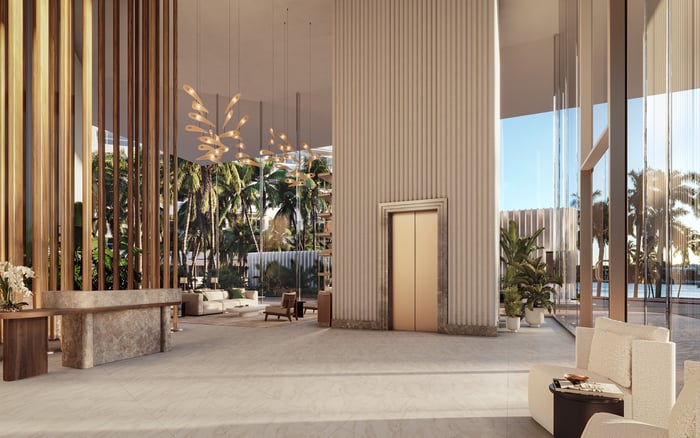
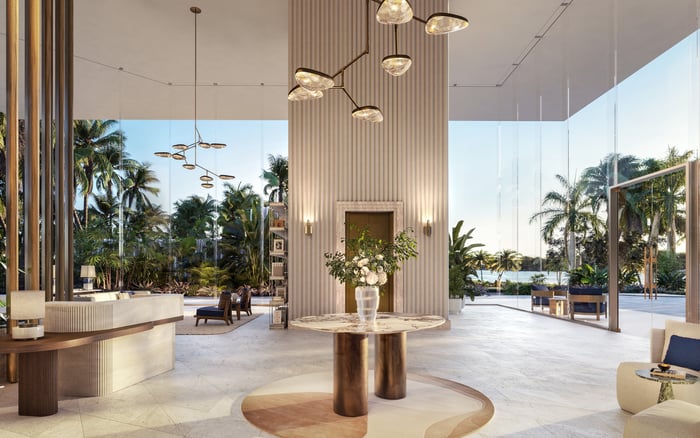
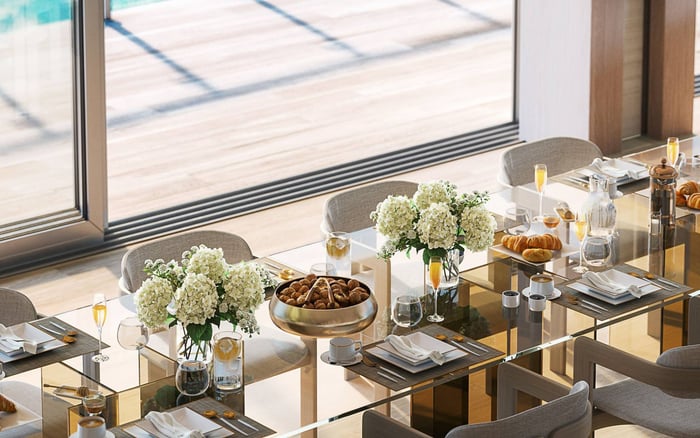
Japanese minimalist design has become a quiet status signal in Miami Beach: a preference for restraint over spectacle, craftsmanship over trend, and daily calm over visual noise. In a market defined by light, water, and high expectations, the most compelling residences are increasingly the ones that edit rather than add. This editorial looks at five development archetypes that express Japanese minimalism in a Miami Beach context, from sanctuary-like arrival sequences to warm natural palettes and spa-grade wellness. Because today’s buyers often split time between cities, the appeal is not only aesthetic. Minimalist planning tends to age well, photograph cleanly, and support an easier rhythm of living. What follows is a buyer-oriented ranking, then a practical guide to how to evaluate minimalism beyond marketing language, including the details that matter once you move in: acoustics, storage, lighting, material integrity, and amenity culture.
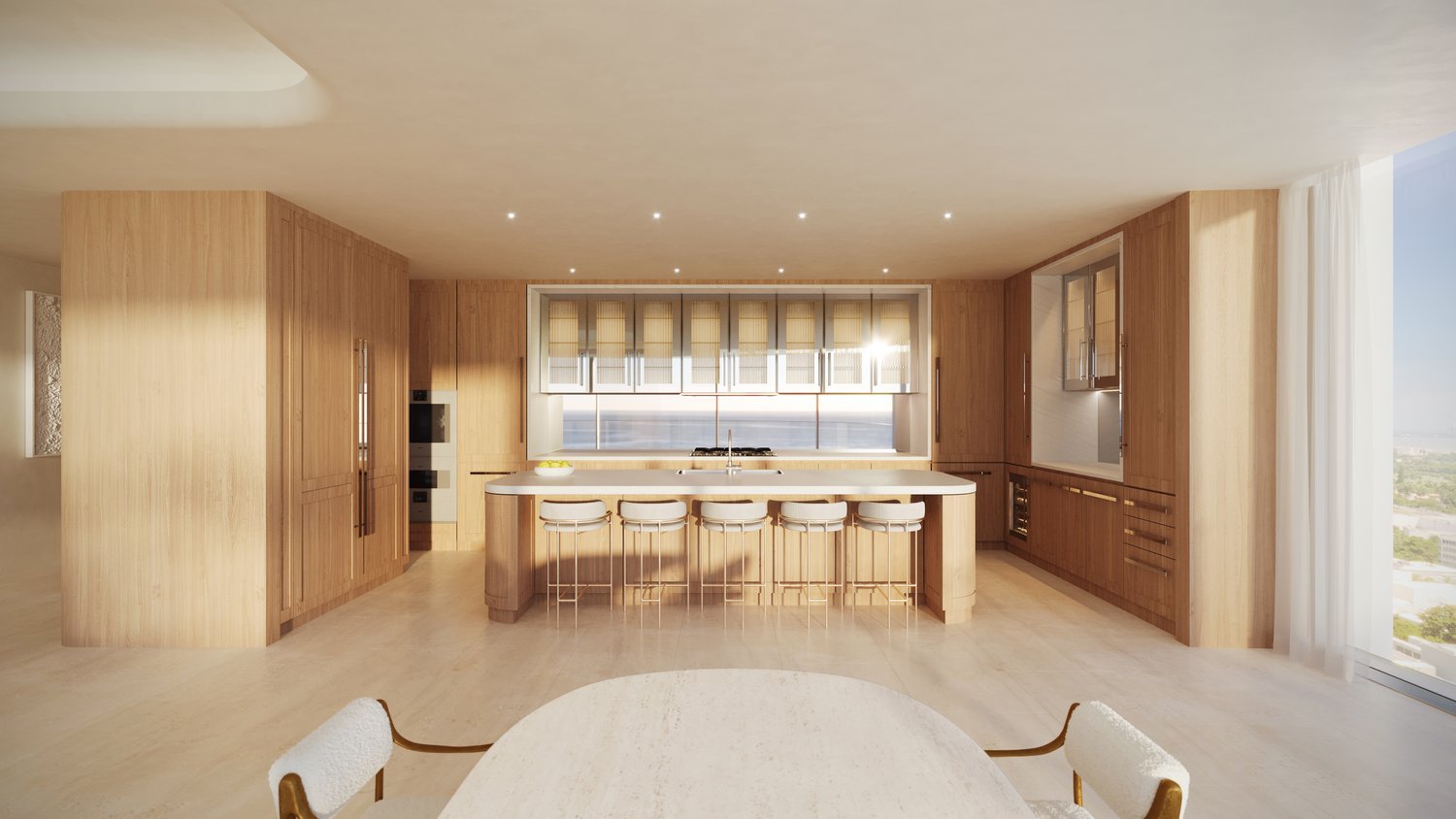
Miami Beach has always understood the power of a point of view. The current shift toward Japanese minimalist design is less about novelty and more about maturity: an affluent audience that wants spaces to feel composed in the morning, restorative at night, and quietly impressive to guests.
Japanese minimalism, when executed well, is not sterile. It is subtraction in service of comfort. In a coastal setting, that restraint can heighten what Miami Beach already offers in abundance: daylight, horizon lines, and the steady rhythm of water. The best interpretations also match how many luxury owners actually live here: part-time schedules, lock-and-leave ease, and a preference for order that stays effortless.
For buyers, this matters because minimalist projects tend to be disciplined from the planning stage. Circulation is clean, storage is integrated, and materials are chosen for longevity rather than momentary effect. That is not just a style preference. It is an operational advantage.
1. The Sanctuary Arrival Tower - a threshold that resets the day
The most convincing minimalist developments begin before you reach the residence. Look for a deliberate sequence-canopy, vestibule, lobby-that reads more like a private gallery than a hotel set. In Japanese design language, the threshold functions as a psychological reset, and the strongest Miami Beach versions use silence, shadow, and proportion to deliver it.
Prioritize acoustically calm surfaces, uncluttered sightlines, and concierge operations that feel discreet rather than performative. The objective is a building that never visually shouts, even on high-season weekends.
2. The Light-Controlled Oceanfront Building - brightness without glare
Minimalism lives or dies by light. In Miami Beach, full sun is a gift, but it can also flatten interiors and expose every shortcut. The best projects rely on layered control: deep overhangs, recessed glazing, and warm interior finishes that prevent the “all-white box” effect.
Buyers should favor residences where daylight is shaped, not merely admitted. In a truly minimal home, you can bring the room down to a hush at noon, then open it to the horizon at sunset-without battling reflections.
3. The Material-First Boutique Residence - fewer finishes, better finishes
Japanese minimalism is inherently tactile. In the best projects, the palette is intentionally narrow: a small family of woods, stones, and metals repeated with consistency. That repetition is what makes spaces feel resolved.
A practical buyer test: if you removed the furniture, would the room still feel expensive? If yes, the building is likely prioritizing material integrity over decorative distraction.
4. The Wellness-Forward Minimalist Community - spa calm as a daily baseline
Minimalist design pairs naturally with wellness because both depend on routine, clarity, and sensory control. In Miami Beach, this often appears as amenity programs that emphasize restoration over spectacle: quiet pools, thoughtfully lit fitness spaces, and treatment rooms that feel private.
For buyers who use Miami Beach as a second home, wellness-forward minimalism also reduces friction. A calm amenity deck can lessen the urge to over-program the residence with equipment and clutter.
5. The Crafted Indoor-Outdoor Home - restraint that makes nature the art
A minimalist coastal residence should treat the exterior as the focal point. This is where plan discipline becomes visible: fewer partitions, cleaner terrace transitions, and outdoor rooms that feel like true extensions of the interior rather than add-ons.
The most successful projects in this category design for breezes, shade, and privacy. Minimalism is not about exposure; it is about feeling sheltered while staying connected to the landscape.
Miami Beach’s design ecosystem does not exist in isolation. Many buyers cross-shop adjacent neighborhoods that share the same appetite for quieter luxury. Along the shoreline just north of Miami Beach, The Perigon Miami Beach is a useful reference point for how new luxury product increasingly favors controlled elegance over visual noise-especially in the way residents experience arrival, views, and amenity tone.
In the same conversation, Surfside has become shorthand for refined coastal living, and The Surf Club Four Seasons Surfside often comes up among buyers who prioritize a service culture that feels restrained and precise. Even when a buyer ultimately chooses Miami Beach, the benchmark is useful: it clarifies whether a building’s “minimal” positioning reflects real discipline or simply a white palette.
For those seeking an even more intimate scale, boutique beachfront product like 57 Ocean Miami Beach can reflect the material-first approach that Japanese minimalism rewards: smaller building, fewer distractions, and a higher likelihood that detailing has been considered room by room.
And for buyers who want Miami Beach energy with an emphasis on composed interiors and well-managed amenities, Shore Club Private Collections Miami Beach fits naturally into the broader minimalist conversation because it frames luxury as an edited lifestyle rather than a maximalist display.
A minimalist rendering can be produced in an afternoon. A minimalist building is more demanding because it requires coordination across architecture, interiors, and operations. When evaluating a development, focus on the elements that are difficult to change later.
First, circulation. Minimalist homes should not squander movement. Hallways are short, entries are composed, and you are not forced to route through the kitchen to reach primary living spaces. Second, storage. If a residence is marketed as serene but offers shallow closets and no utility planning, you will end up adding cabinetry that breaks the design logic.
Third, transitions. Watch how the terrace door meets the floor, how baseboards meet stone, and how lighting is integrated. Minimalism is a magnifying glass: misalignments read louder when there is less decoration to conceal them.
Miami Beach humidity, salt air, and intense sun are unforgiving. Japanese minimalist design favors honest materials, but those materials must be specified for the coastal environment and installed with precision.
Warm woods are central to many minimalist interiors, yet they demand the right finishes and stable substrates to age well. Stone should read as substantial and continuous, not as thin veneer applied for effect. Metal accents should be intentional and limited; minimalism depends on a few precise moments rather than a spread of competing ones.
A practical buyer cue: look for repetition without monotony. If the same wood tone appears in a door, a built-in, and a ceiling detail, the home feels designed. If every room introduces a new “feature wall,” the project is not operating as true minimalism.
Minimalist interiors are often judged visually, but they are experienced physically. Lighting should be layered: soft ambient illumination, discreet task lighting, and controlled accenting. The best projects avoid a ceiling full of downlights that creates a grid effect.
Acoustics are equally important, particularly in vertical living where owners want a sense of retreat. Listen for lobby reverberation, elevator sound, and how hallway noise travels. In a minimalist home, quiet is part of the design.
Air quality and thermal comfort matter more than most buyers anticipate. Minimalist spaces typically use fewer textiles and visual “softeners,” so a residence that holds stable temperature and humidity will read calmer-and feel more luxurious.
Minimalism does not require living with nothing. It requires choosing fewer things with more intention. In Miami Beach, warmth often comes from texture more than color: linen, wool, natural stone, hand-finished wood, and ceramics that feel handmade.
Art matters, but not as wallpaper. One significant piece can carry a room when walls, lighting, and sightlines are disciplined. The same is true for furniture: lower profiles, clean geometry, and materials that complement the building rather than compete with it.
If your goal is a home that feels effortless year after year, prioritize pieces that improve with patina. Japanese minimalism welcomes time.
What defines Japanese minimalist design in a Miami Beach condo? A restrained palette, disciplined planning, and tactile materials that create calm.
Is Japanese minimalism the same as modern minimalism? Not exactly; Japanese minimalism is typically warmer, more tactile, and ritualized.
Will minimalist interiors feel cold in a beach setting? They do not have to; natural textures and warm lighting prevent a sterile feel.
What should I look for during a tour to verify “minimalist” claims? Check storage, detailing alignment, lighting layers, and the calmness of arrival.
Are minimalist residences easier to maintain as a second home? Often yes, because integrated storage and fewer visual elements reduce upkeep.
Does minimalism reduce resale appeal? Typically the opposite; well-executed restraint tends to age gracefully for buyers.
Which rooms benefit most from minimalist planning? Kitchens, baths, and primary suites, where clutter control improves daily living.
How can I add personality without breaking the minimalist look? Use one or two strong art pieces, sculptural furniture, and layered textures.
Do minimalist buildings require higher construction quality? Yes; fewer decorative elements mean flaws and misalignments are more visible.
Can minimalist design work with family living in Miami Beach? Yes, if the layout includes practical storage, durable materials, and flexible zones.
When you're ready to tour or underwrite the options, connect with MILLION Luxury.
If branded residences are on your mind — as a home or as an allocation — we would be glad to share what we are seeing, privately.
Begin a quiet conversation