A discreet buyer’s guide to handling privacy landscaping in South Florida luxury negotiations without turning a solvable exterior issue into a lost residence.
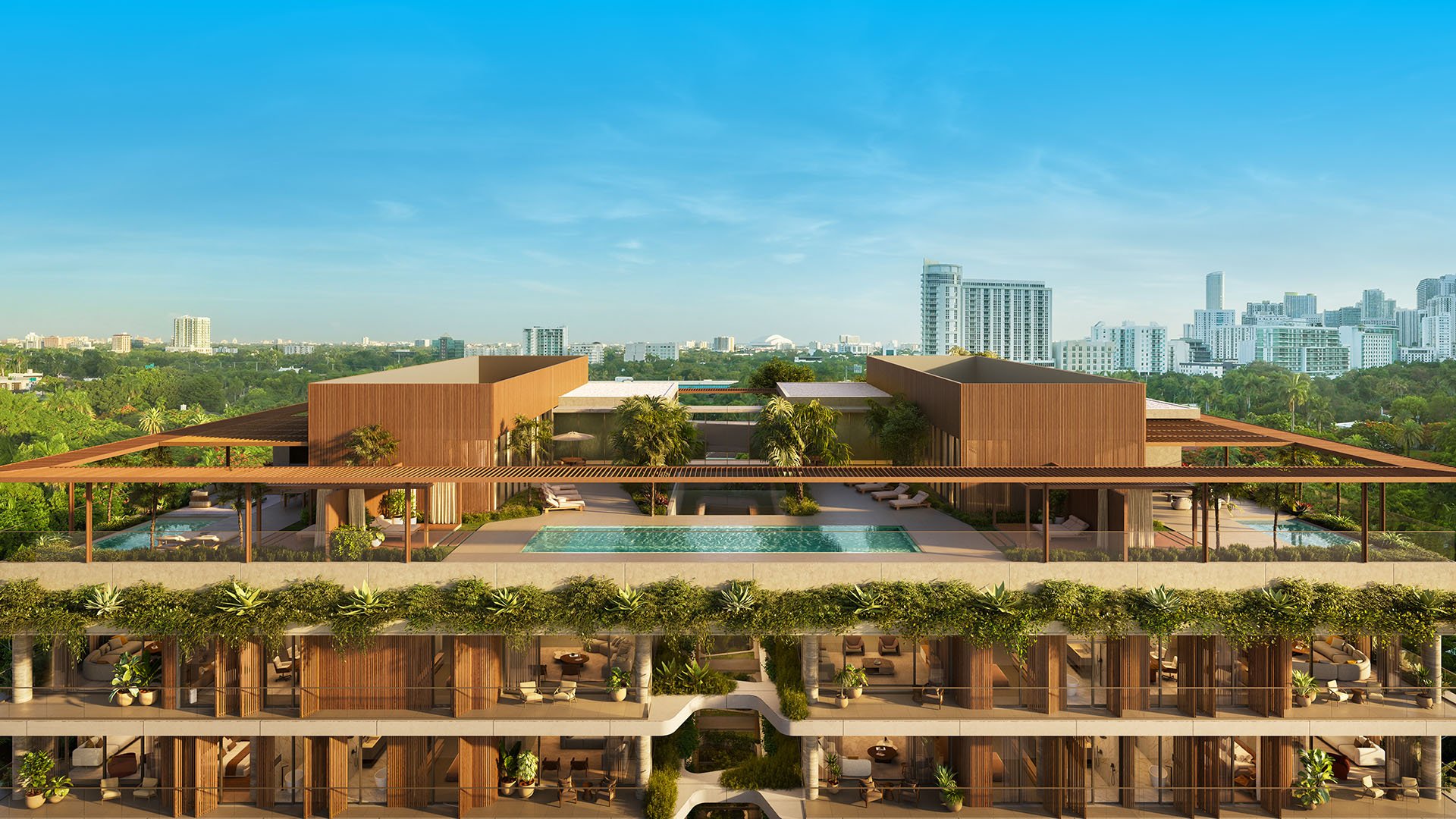
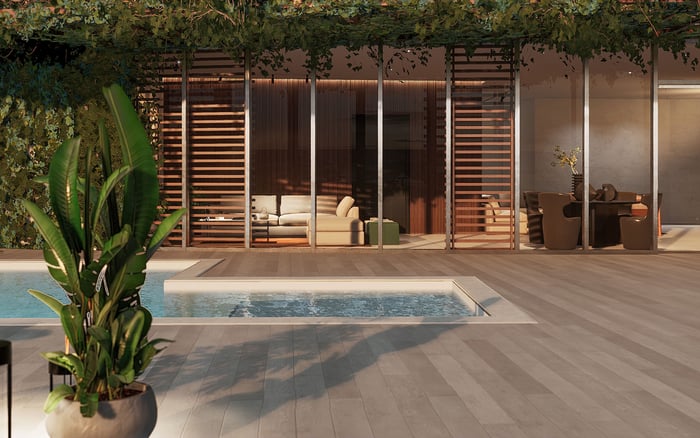
In South Florida’s luxury market, privacy is rarely a single feature. It is a composition of architecture, elevation, setbacks, glazing, terrace depth, entry sequence, water orientation, and landscape design. A residence may feel exquisite at first showing, then reveal an exposed pool deck at midday, a visible primary suite at dusk, or a motor court that reads too openly from the street. For a serious buyer, these are not minor aesthetic points. They shape how the home lives.
The negotiation challenge is knowing when privacy landscaping is a correctable condition and when it signals a deeper mismatch. A hedge can mature, a clusia wall can be reinforced, and a view corridor can be softened with layered planting. Certain exposures, however, especially those created by neighboring structures, tight lot lines, or association restrictions, may not be fully curable. The art is to protect your leverage without overplaying a concern the seller may see as subjective.
For buyers comparing a waterfront home in Aventura, a high-rise residence in Brickell, or a low-density address in Surfside, the privacy conversation should begin before the offer is written. The strongest negotiation is not dramatic. It is quiet, specific, and supported by a practical plan.
Before asking for a credit or concession, identify the exact privacy issue. Is the pool visible from a neighbor’s second-floor balcony? Does the terrace face a building with direct sightlines? Is the service path too exposed? Is the owner’s suite shaded by palms that may need removal? The more precise the concern, the more credible the negotiation.
A useful approach is to separate privacy into three categories. First is visual privacy, which concerns sightlines from neighbors, streets, common areas, and adjacent towers. Second is acoustic privacy, which relates to traffic, mechanical equipment, pool activity, or nearby entertainment areas. Third is operational privacy, which includes guest arrival, staff access, deliveries, and the ability to use outdoor spaces without feeling observed.
Each category carries a different remedy. Visual privacy may be addressed with planting, screens, or canopy structure. Acoustic privacy may require water features, denser planting, or reconsideration of outdoor programming. Operational privacy may involve gates, walls, lighting adjustments, or circulation changes. If you reduce all of this to “needs more privacy,” you weaken the ask.
Luxury buyers often assume that any landscape solution can be installed if the budget is sufficient. In practice, privacy landscaping may be shaped by association rules, municipal requirements, waterfront limitations, easements, utility corridors, drainage needs, visibility triangles, and architectural review. In a gated community, design standards can be especially detailed. In downtown environments, the issue may be less about planting and more about window treatment, balcony screening, and interior orientation.
Before turning concern into negotiation, have the relevant advisors review what is permissible. A landscape architect can evaluate plant viability, root conditions, irrigation, drainage, and growth timelines. A real estate attorney can review covenants, restrictions, and any approval process. If the home is part of an association, request the applicable landscape guidelines early enough to avoid surprises.
This is particularly important when mature trees are part of the privacy story. A grand canopy may create atmosphere, but it can also affect light, storm preparation, maintenance, roof debris, and insurance discussions. Conversely, removing or replacing mature material may require approvals and may change the character of the residence more than expected.
Once the privacy concern is clearly defined and the remedy is realistic, structure the ask. There are several elegant ways to negotiate without alienating the seller.
A price adjustment is the cleanest solution when the buyer wants full control after closing. It avoids disputes about taste, species selection, or installation quality. A closing credit can work when permitted within the deal structure and when both sides agree on a reasonable estimate. An escrow may be appropriate if a specific item must be completed after closing, although it should be drafted carefully and tied to clear deliverables. Seller completion before closing can work for straightforward items, but it is rarely ideal for a design-sensitive luxury residence.
The key is proportionality. A buyer who treats every exposed angle as a major defect may lose credibility. A buyer who presents a thoughtful estimate for targeted screening, irrigation adjustments, or gate enhancement is more likely to be taken seriously. In a competitive setting, the strongest position may be to accept the residence while negotiating enough consideration to address the most important privacy gap later.
The best properties are seldom flawless. A remarkable water view may come with a visible neighboring dock. A spectacular pool may need stronger planting along one side. A penthouse-level terrace may feel open today but could be softened through furnishings, planters, and shade structure. The question is not whether the residence is perfect. The question is whether its imperfections are solvable without compromising the way you intend to live.
This is where priorities matter. If the residence has the right exposure, floor plan, ceiling heights, arrival sequence, and neighborhood fit, a privacy landscape issue may be a negotiation point rather than a dealbreaker. If the privacy issue affects the owner’s suite, principal entertaining areas, or daily outdoor living, it deserves more weight. If it only affects a secondary side yard or guest approach, it may not justify risking the property.
Buyers should also consider time. New planting does not deliver instant maturity unless large specimen material is used, and even then, health and adaptation matter. If immediate privacy is essential for seasonal occupancy, the negotiation should account for temporary measures, such as planters, screens, or interior shading, while permanent landscaping develops.
Privacy landscaping can be emotional for sellers. They may have invested in the current design, maintained certain views intentionally, or believe the buyer is using taste as leverage. A direct criticism of the grounds can create resistance. Better language is factual and future-oriented: “We love the residence and see one area where additional screening would make the outdoor living more complete for us.”
That framing signals commitment. It also keeps the negotiation centered on fit, not fault. In South Florida, where outdoor living is central to the value proposition, a buyer’s request for more discretion is understandable. But the tone should remain measured. Privacy is a lifestyle requirement, not an accusation.
When inventory is tight, consider pairing your request with seller-friendly terms. A cleaner inspection period, flexible closing date, or stronger deposit posture may carry more influence than a larger concession request alone. The goal is not to win an argument about landscaping. The goal is to secure the right residence on terms that acknowledge the work ahead.
Even when the seller gives no concession, a privacy plan can still be part of the acquisition strategy. Schedule a landscape consultation before closing if access allows. Map the views at different times of day. Photograph sightlines from seated positions, not only from standing height. Review night lighting, because glass, pool illumination, and interior brightness can create exposure after sunset.
For single-family estates, the plan may involve layered planting, wall enhancements, motor court softening, and more controlled service circulation. For condominiums, it may involve terrace planting, outdoor furnishings, solar shades, interior drapery, and lighting design. In Brickell, privacy may be vertical. In Surfside, it may be lateral. In Aventura, it may relate to waterfront activity or neighboring balconies. Each setting has its own privacy grammar.
The best outcome is a residence that feels effortless after the work is done. Privacy landscaping should not feel like a barricade. It should frame views, temper exposure, and preserve the pleasure of arrival, dining, swimming, and retreat.
A sophisticated buyer does not ignore privacy concerns, but also does not allow a solvable landscape condition to obscure the larger value of a rare address. The disciplined approach is to diagnose, verify, price, and negotiate with restraint. If the residence is otherwise aligned with your life, privacy landscaping becomes part of the ownership plan, not a reason to walk away prematurely.
In the ultra-premium tier, the best negotiations are often the quietest. They respect the property, protect the buyer, and leave both sides enough dignity to close.
Should privacy landscaping be raised before making an offer? Yes, if it materially affects how you will use the residence. A clear pre-offer strategy helps you avoid renegotiating emotionally later.
Is lack of privacy usually an inspection issue? Not usually. It is more often a livability and design issue, unless tied to drainage, failing walls, unsafe trees, or other physical conditions.
What is the best concession to request for landscaping? A price adjustment is often cleanest because it gives the buyer control. Credits or escrow can also work when properly structured.
Should the seller install new landscaping before closing? Only for simple, clearly defined work. Design-sensitive privacy improvements are usually better handled by the buyer after closing.
How do I know if a privacy issue is fixable? Consult a landscape architect and review association or municipal rules. The answer depends on sightlines, setbacks, approvals, and plant viability.
Can terrace privacy be negotiated in a condominium purchase? Yes, but remedies are different. Planters, shades, furnishings, and lighting may matter more than traditional landscape installation.
Should mature trees be considered an asset or a risk? They can be both. Mature trees may provide valuable privacy, but they also require review for health, maintenance, storm exposure, and approvals.
When should privacy concerns become a dealbreaker? They become serious when they affect primary living areas and cannot be realistically corrected. Fixable exposure should be priced, not overdramatized.
Can I negotiate if the seller says the landscaping is a matter of taste? Yes, if you frame the issue around functional privacy rather than style. Specific sightlines and practical remedies make the request more credible.
What is the most important mindset for buyers? Protect your privacy requirements without losing perspective. The right residence may deserve a tailored landscape plan rather than a rejected offer.
To compare the best-fit options with clarity, connect with MILLION.
If branded residences are on your mind — as a home or as an allocation — we would be glad to share what we are seeing, privately.
Begin a quiet conversation