A buyer-focused guide to evaluating Shore Club Private Collections Miami Beach and Cipriani Residences Brickell through the lens of year-round livability, daylight comfort, HVAC zoning, ventilation, and humidity control.
For South Florida buyers, the most seductive residence is often the one with the widest view, the most generous glass, and the easiest transition to outdoor living. Yet for full-time owners, the real test is quieter and more technical: how the home behaves at noon in bright sun, after a terrace door has been open, when guests occupy separate bedrooms, and during the weeks when the owner is away but the residence still needs protection.
That is the useful frame for comparing Shore Club Private Collections Miami Beach and Cipriani Residences Brickell. Both belong in any serious conversation about luxury living, but year-round ownership requires a deeper reading than finishes, branding, amenity programming, or immediate views. The more important questions concern heat gain, glare, indoor humidity, fresh-air delivery, acoustics, and whether the mechanical systems are designed for daily life rather than occasional seasonal use.
In this context, wellness design is not simply a spa, gym, or meditation room. It is an operational standard. A residence that feels calm at 9 a.m. should remain comfortable at 4 p.m., when the sun changes angle, glass becomes more demanding, and cooling systems are asked to do more discreet work.
Shore Club Private Collections Miami Beach presents the classic Miami Beach full-time ownership question: how does a highly coastal, view-oriented residence manage the realities of sun, salt air, terraces, and moisture? The draw is obvious. A Miami Beach setting gives owners a daily relationship with light and water, but that same setting makes performance details more consequential.
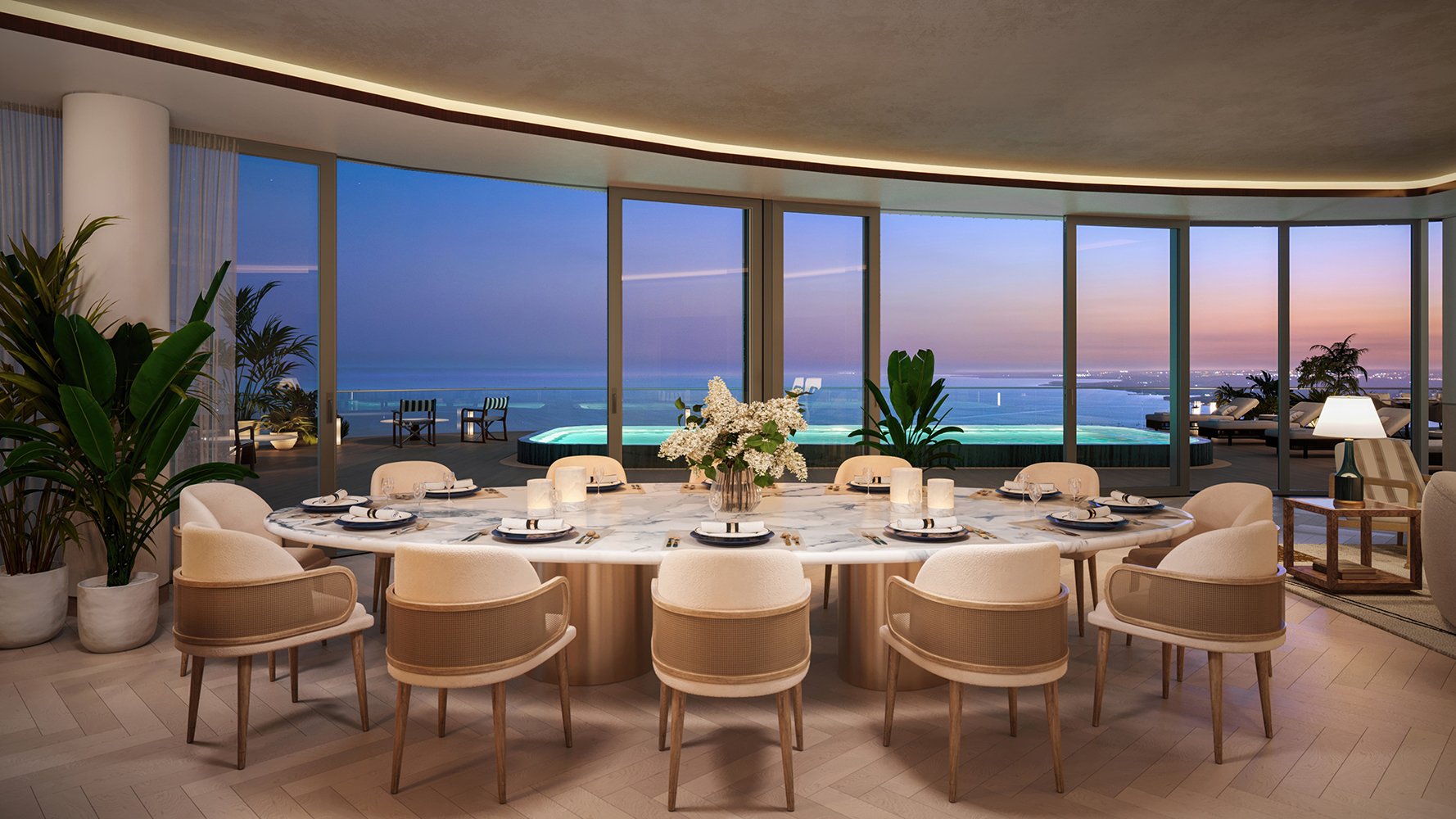
For Shore Club buyers, due diligence should extend beyond whether a room is bright. It should ask how brightness is moderated. Large-view glazing can make a living space feel expansive, but full-time comfort depends on how that glass handles heat gain and glare. Buyers should study rooms near window walls at different times of day and ask what shading, glass performance, and cooling strategy support the visual drama.
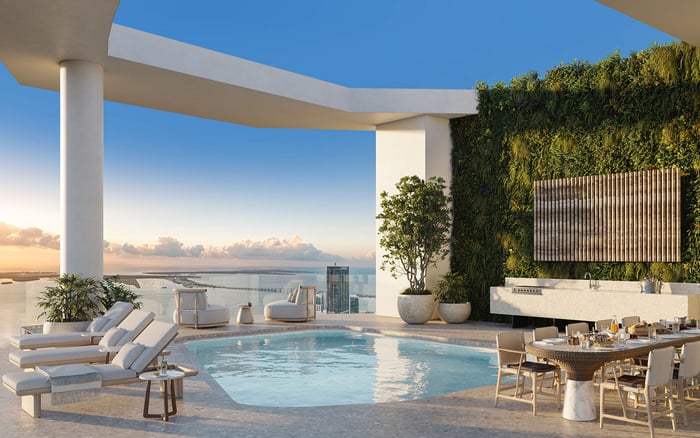
Terrace habits deserve equal attention. Terrace access is one of the defining pleasures of South Florida ownership, but open doors can introduce humid air into conditioned interiors. A full-time owner should ask how the home responds when indoor and outdoor living overlap, especially in kitchens, primary suites, closets, baths, and laundry areas. Moisture-tolerant finishes, well-sealed millwork, and thoughtful ventilation planning matter because they protect the softness and polish of a luxury interior.
Waterview expectations should also be balanced with glare and thermal comfort. A residence may frame water beautifully while still requiring intelligent shading and mechanical support. The best question is not whether a room has light, but whether it has comfortable light.
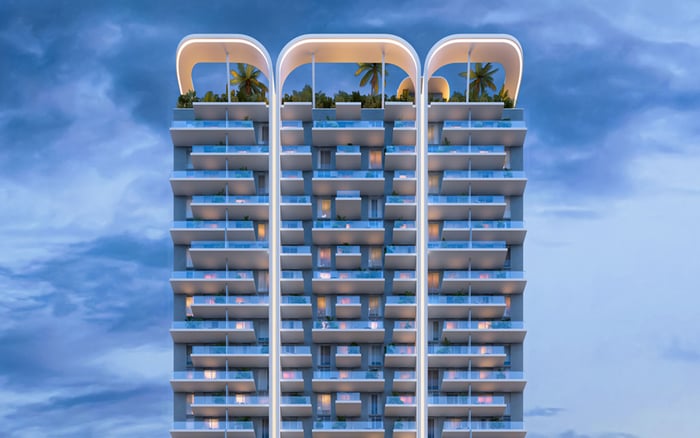
Cipriani Residences Brickell introduces a different ownership environment. In a Brickell high-rise context, full-time residents are typically evaluating light through elevation, façade performance, window specifications, shading, and the comfort of rooms adjacent to large glass areas. The urban view can be magnetic, but the daily experience depends on how the building envelope and mechanical systems work together.
Cipriani buyers should consider natural light not only as a visual asset, but also as a comfort variable. Afternoon sun, heat gain, and cooling demand can shape how living rooms, bedrooms, and workspaces perform over long hours. A residence that feels spectacular during a short showing should also be evaluated against daily routines: morning calls, late-afternoon reading, cooking, sleeping, and hosting.
Mechanical zoning is especially important for full-time owners. Buyers should ask whether thermostats, smart-home controls, and HVAC zoning allow separate comfort settings for bedrooms, living areas, kitchens, and guest rooms. This is not a minor convenience. It affects sleep quality, entertaining, energy management, and the ability to keep less-used spaces protected without overcooling the entire residence.
In Brickell, the full-time ownership lens also includes acoustics and ventilation. A refined home should buffer the rhythm of the city while still delivering fresh air appropriately. New-construction buyers should not assume that new automatically means tuned for their specific lifestyle. The best residences are clarified through questions.
Humidity is one of the least glamorous subjects in luxury real estate, yet it is central to preserving comfort and interiors in South Florida. Full-time owners at Shore Club and Cipriani should ask how mechanical systems maintain humidity control when the residence is occupied, when it is unoccupied, and during transitional periods when cooling demand may not be obvious.
The issue is not only air temperature. A room can be cool and still feel heavy if moisture is not managed properly. Closets, baths, laundry areas, kitchens, and enclosed storage zones all deserve attention because they often carry higher moisture risk. Owners planning custom interiors should coordinate millwork, stone, fabric, wallcovering, and ventilation decisions rather than treating them as separate design conversations.
Fresh-air delivery should be reviewed with the same seriousness as finishes. Buyers should understand how outside air is introduced, conditioned, and balanced. They should also ask about condensation risk, mold-prevention protocols, and the implications of operating doors or windows in humid conditions. For an occasional user, these details may remain invisible for months. For a full-time resident, they become part of the daily living experience.
The most effective conversations with a sales team, design consultant, or technical representative are precise. Ask how each residence balances daylight, heat gain, and glare. Ask whether cooling zones are separated logically for real use, not merely for plan diagrams. Ask how humidity is controlled when the owner is traveling. Ask what happens when terrace doors are opened often. Ask whether kitchens, baths, closets, and laundry rooms have ventilation plans suited to year-round occupancy.
For Shore Club, focus closely on coastal exposure, terrace use, glazing performance, and moisture-tolerant interior selections. For Cipriani Residences Brickell, focus on façade performance, window specifications, afternoon sun, smart-home integration, and room-by-room cooling control. In both cases, the aim is not to diminish the romance of the residence. It is to preserve it.
Luxury buyers have become fluent in marble, ceiling heights, appliance packages, and views. The next level of discernment is performance literacy. A full-time home should support sleep, protect clothing and art, make entertaining effortless, keep glass-adjacent rooms comfortable, and allow owners to leave and return without anxiety.
The central distinction is seasonal comfort versus full-time comfort. A residence that performs beautifully during a short stay may reveal different patterns under year-round use. Humidity, glare, cooling demand, ventilation, and material durability become more apparent when the home is lived in daily.
For a discerning buyer, this is not a reason for hesitation. It is a reason to ask better questions before finalizing a residence, selecting finishes, or customizing interiors. The ideal South Florida home is not sealed away from light and air. It is designed to engage them intelligently.
Shore Club Private Collections Miami Beach and Cipriani Residences Brickell both invite that kind of analysis. One places the conversation in a coastal Miami Beach setting, the other in the vertical energy of Brickell. In each, wellness design should be understood less as a marketing category and more as a daily operating system for comfort, resilience, and ease.
Why should full-time buyers evaluate wellness design differently from seasonal buyers? Full-time living exposes humidity, glare, cooling, ventilation, and acoustic issues more quickly. A residence must perform consistently across daily routines, not just occasional visits.
What should Shore Club Private Collections Miami Beach buyers ask first? They should ask how the residence manages coastal exposure, terrace use, glazing performance, cooling comfort, and indoor humidity during everyday occupancy.
What matters most at Cipriani Residences Brickell for year-round owners? Buyers should focus on façade performance, window specifications, shading, afternoon sun, HVAC zoning, and smart-home controls for separate living zones.
Is natural light always an advantage in a luxury residence? Natural light is valuable, but full-time comfort depends on controlling heat gain and glare. Comfortable light is more important than maximum brightness.
Why is terrace use important for humidity control? Opening terrace doors can introduce humid outdoor air into conditioned interiors. Owners should understand how the home responds when indoor and outdoor living overlap.
Should buyers ask about HVAC zoning? Yes. Separate zones for bedrooms, living areas, kitchens, and guest spaces can improve comfort, sleep quality, and daily efficiency.
What interior areas need special moisture planning? Kitchens, baths, closets, laundry rooms, and enclosed storage areas deserve close attention. Materials, millwork, and ventilation should be coordinated.
How should buyers think about unoccupied periods? Full-time owners still travel, so systems should manage humidity and air quality when the residence is not occupied. This is a key ownership question.
Does new construction guarantee better comfort? Not automatically. Buyers should still verify mechanical design, fresh-air delivery, shading, glazing, and controls against their own daily habits.
Why is Brickell different from Miami Beach in this analysis? Brickell emphasizes high-rise glass, urban exposure, afternoon sun, and room-by-room control, while Miami Beach adds coastal moisture and terrace habits.
For a tailored shortlist and next-step guidance, connect with MILLION.
If branded residences are on your mind — as a home or as an allocation — we would be glad to share what we are seeing, privately.
Begin a quiet conversation